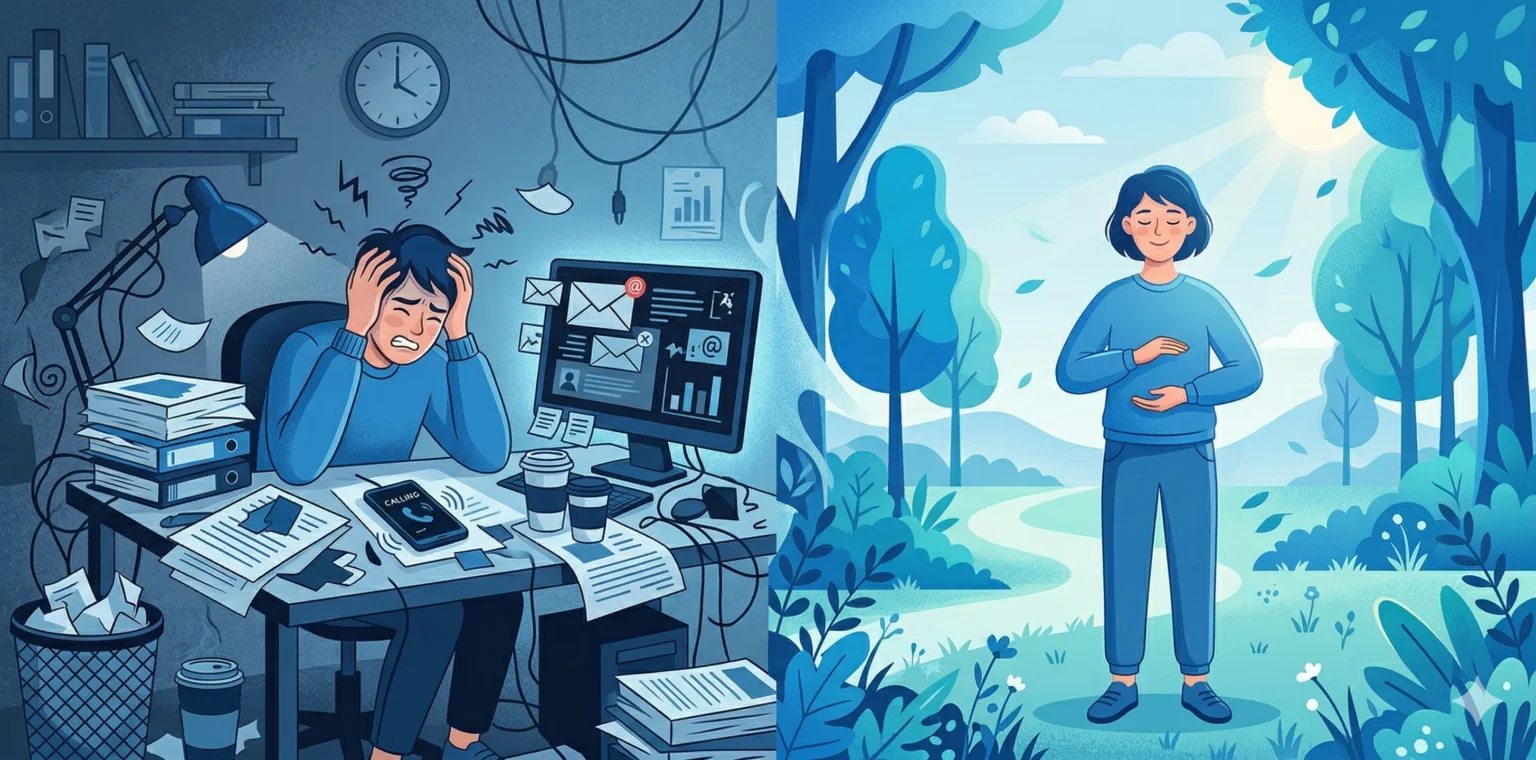
Stress is a normal part of everyday life. Work responsibilities, studies, family situations, financial concerns, social pressures, and major life changes can all contribute to stress. Learning practical mental health tips can help you build healthier daily habits and find simple ways to manage everyday pressure.
Natural stress relief methods do not mean ignoring difficult situations or expecting stress to disappear completely. Instead, they can involve simple lifestyle habits such as regular physical activity, adequate sleep, mindful breathing, healthy eating, social connection, and taking time for yourself.
These habits can also fit into broader health and wellness tips that support physical, emotional, and everyday wellbeing.
Mental Health Tips: Understanding Stress and Its Effects
Stress is the body’s natural response to challenging or demanding situations. Everyone experiences stress at different times, and short-term stress can sometimes help people respond to immediate challenges.
However, ongoing or excessive stress can affect how you feel and function. The World Health Organization notes that stress can affect both mental and physical wellbeing and may be associated with symptoms such as worry, irritability, difficulty concentrating, headaches, stomach problems, and sleep difficulties.
Recognising your common stress triggers can be a useful first step towards developing healthier coping habits. Understanding these triggers can help you choose practical ways to manage everyday stress and support your overall wellbeing.
Natural Stress Relief Methods to Try
There is no single stress relief method that works for everyone. You may need to try different approaches and identify which habits fit comfortably into your daily routine.
1. Practise Slow and Deep Breathing
Slow breathing can be a simple way to pause when you feel overwhelmed. Try sitting comfortably and taking slow breaths. Focus your attention on the movement of your breathing rather than immediately reacting to stressful thoughts.
You can practise breathing exercises:
- After waking up
- During a work or study break
- Before an important task
- During a quiet evening
- Before going to sleep
WHO includes breathing, grounding, and other practical techniques among its stress-management resources.
2. Stay Physically Active
Physical activity can be a useful part of a stress-management routine. You do not need to perform an intense workout. Simple activities such as walking, stretching, cycling, yoga, or recreational sports can help you stay active.
You can make movement easier by:
- Taking a short walk
- Using stairs when comfortable
- Stretching during breaks
- Going for an evening walk
- Spending time outdoors
- Choosing an activity you enjoy
The National Institute of Mental Health (NIMH) recommends regular exercise as one part of caring for mental health.
3. Maintain a Consistent Sleep Routine
Stress and poor sleep can sometimes affect each other. Maintaining a regular sleep schedule can help create a more stable daily routine.
Useful habits include:
- Going to bed around the same time each night.
- Waking up at a consistent time.
- Keeping your sleeping environment comfortable.
- Reducing unnecessary screen use before bed.
- Avoiding excessive caffeine late in the day.
- Allowing enough time for sleep.
WHO recommends maintaining consistent sleep habits as part of stress management.
4. Eat Regular and Balanced Meals
When people are busy or stressed, they may skip meals or rely heavily on convenient foods. Maintaining regular meals can help support everyday energy and wellbeing.
Try including:
- Vegetables and fruits
- Whole grains
- Pulses and beans
- Nuts and seeds
- Eggs
- Dairy products or suitable alternatives
- Other appropriate protein sources
Staying hydrated is also important. Drinking water regularly can be part of a healthy daily routine.
5. Take Short Breaks During the Day
Constant work or study without breaks can make your day feel more overwhelming. Short breaks can give you an opportunity to step away from a task and reset your attention.
During a break, you could:
- Walk around for a few minutes.
- Stretch your body.
- Drink water.
- Practise slow breathing.
- Look outside.
- Listen to calming music.
- Talk briefly with someone you trust.
Even small pauses can make a daily routine feel more manageable.
Daily Habits for Mental Health
Building consistent routines can support emotional wellbeing over time. The goal is not to create a perfect routine but to develop practical habits that you can maintain. Following simple daily habits for mental health can include setting realistic priorities, getting enough sleep, staying active, maintaining social connections, and making time for relaxation.
Here are some useful mental health tips for everyday life:
Start Your Day With a Simple Routine
A predictable morning routine can help you begin the day with fewer unnecessary decisions.
You might:
- Wake up at a consistent time.
- Drink water.
- Eat breakfast if it suits your routine.
- Spend a few minutes stretching.
- Review your main priorities.
- Avoid immediately checking stressful news or social media.
Set Realistic Priorities
Trying to complete everything at once can increase feelings of pressure. Instead, identify what needs attention first.
You can divide tasks into:
- Important tasks
- Tasks that can wait
- Small tasks that can be completed quickly
- Tasks that can be delegated or postponed
The NIMH recommends setting goals and priorities and learning to say no when you are taking on too much.
Spend Time With Supportive People
Social connection can be an important part of emotional wellbeing. Talking with a trusted friend, family member, colleague, or another supportive person can help you feel less isolated.
You do not always need to discuss a problem in detail. Simple activities such as having tea together, taking a walk, or talking about your day can also provide connection.
Make Time for Enjoyable Activities
Daily responsibilities can make it easy to forget activities you enjoy.
Consider making time for:
- Reading
- Music
- Gardening
- Cooking
- Drawing
- Walking
- Yoga
- Hobbies
- Spending time in nature
The NIMH recommends making time for relaxing activities and hobbies that you enjoy as part of self-care.
Reduce Digital Stress
Phones, social media, emails, and continuous notifications can make it difficult to mentally switch off.
You can experiment with simple boundaries such as:
- Turning off unnecessary notifications.
- Taking regular screen breaks.
- Avoiding constant checking of messages.
- Limiting social media when it increases stress.
- Keeping your phone away during some personal time.
- Avoiding stressful content close to bedtime.
WHO also recommends limiting time spent following news when it increases stress.
Try Mindfulness and Grounding
Mindfulness involves paying attention to the present moment rather than becoming completely absorbed in stressful thoughts.
A simple grounding exercise can involve noticing:
- What you can see
- What you can hear
- What you can feel
- What you can smell
- What you can taste
You can also sit quietly for a few minutes and focus on your breathing.
WHO’s stress-management guide includes practical techniques such as grounding, noticing thoughts and feelings, and focusing attention on the present moment.
For more information about everyday emotional wellbeing habits, you can also explore our Mental Wellness Guide.
Keep a Simple Stress Journal
Writing down your thoughts can help you notice patterns in your daily stress.
You could record:
- What caused stress
- How you felt
- What you were doing at the time
- How you responded
- What helped you feel calmer
- What you could try differently next time
You do not need to write several pages. A few sentences each day may be enough to identify recurring triggers.
Avoid Unhealthy Ways of Coping With Stress
When people feel stressed, they may sometimes turn to habits that provide short-term relief but may not support overall wellbeing.
Examples can include:
- Smoking
- Excessive alcohol use
- Skipping meals
- Excessive caffeine
- Avoiding social contact
- Staying inactive for long periods
- Spending excessive time online
Instead, try replacing an unhelpful habit with a manageable alternative, such as walking, talking to someone you trust, listening to music, or practising relaxation exercises.
Create a Simple Evening Routine
An evening routine can help you transition from daily responsibilities to rest.
You might:
- Finish important tasks earlier when possible.
- Take a short walk or stretch.
- Have a balanced evening meal.
- Reduce unnecessary screen time.
- Prepare for the next day.
- Spend some quiet time doing something enjoyable.
- Follow a consistent bedtime routine.
A simple routine can make it easier to separate work or study time from personal time.
When Should You Seek Professional Support?
Natural stress relief methods can be useful for everyday stress, but they are not a replacement for professional support when symptoms are severe, persistent, or interfering with daily life.
Consider speaking with a qualified healthcare or mental health professional if you experience ongoing difficulty with sleep, concentration, mood, appetite, daily activities, or emotional wellbeing.
The NIMH recommends seeking professional help when severe or distressing symptoms last two weeks or more or interfere with normal activities.
If you ever feel that you may harm yourself or are in immediate danger, seek urgent local emergency or crisis support rather than relying on self-help methods.
A Simple Daily Stress Relief Routine
You do not need to use every method at once. Start with a few habits that fit your lifestyle.
Morning
- Wake up at a consistent time.
- Drink water.
- Stretch or walk for a few minutes.
- Eat a balanced meal if appropriate.
- Identify your main priorities for the day.
During the Day
- Take short breaks.
- Drink water regularly.
- Eat regular balanced meals.
- Stay physically active.
- Practise slow breathing when needed.
- Stay connected with supportive people.
Evening
- Reduce unnecessary screen time.
- Do something relaxing.
- Prepare for the next day.
- Spend time with family or friends.
- Follow a consistent sleep routine.
Small habits can become easier to maintain when you repeat them regularly.