Introduction
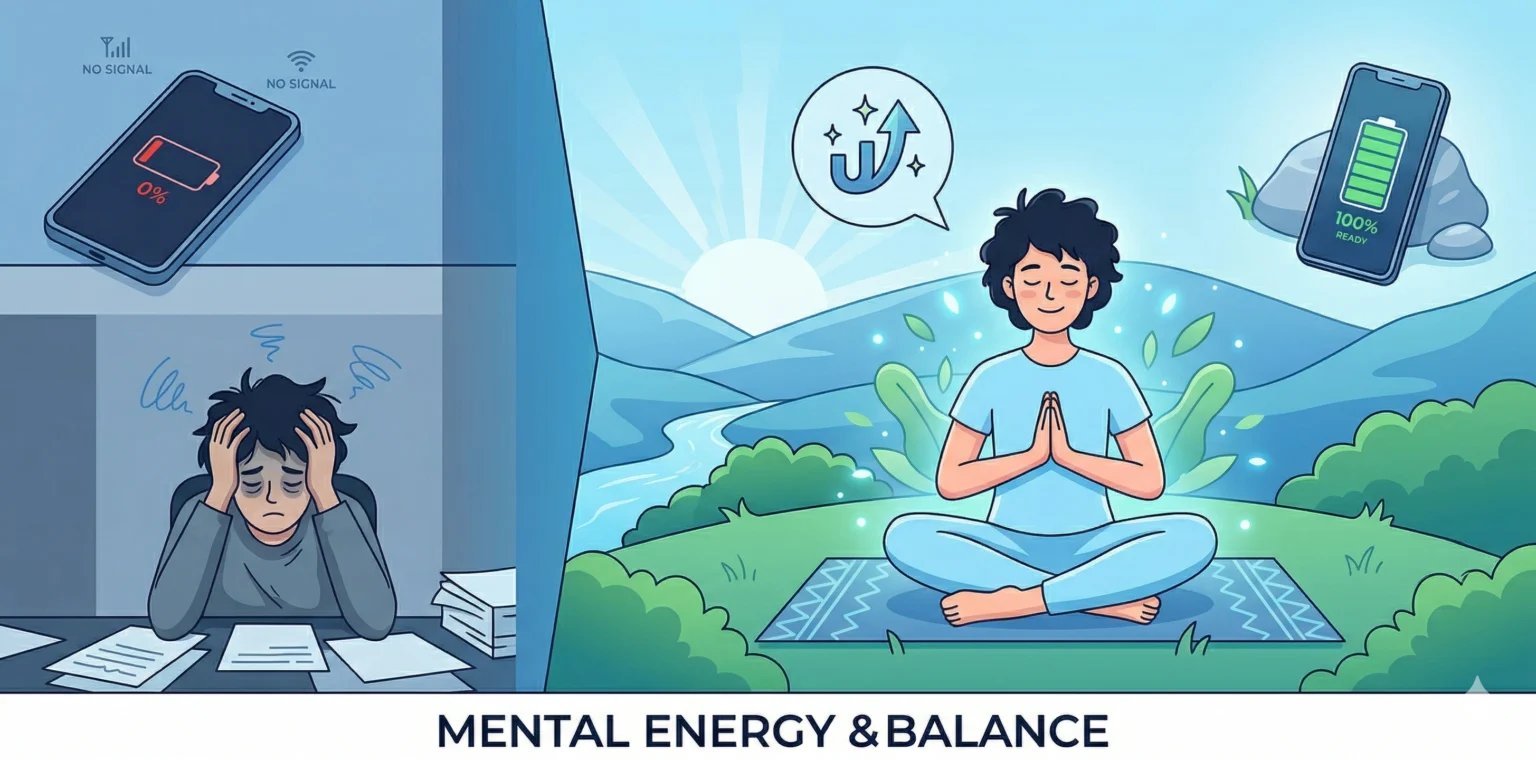
Mental wellness is an important part of a healthy and balanced life. It can influence how we think, feel, handle everyday responsibilities and connect with other people. Work pressure, family responsibilities, financial concerns and constant digital distractions can sometimes affect our emotional wellbeing. Building simple daily habits can help you take better care of your mind and create a healthier lifestyle.
Mental health is not simply about feeling happy all the time. It also involves learning how to manage everyday challenges, maintain relationships, take care of yourself and recognise when you may need additional support.
At GoHealthyPro, we share simple and practical health and wellness information to help readers make informed choices about their everyday lifestyle.
Mental Wellness: What Does It Mean?
Mental wellness refers to your overall emotional, psychological and social wellbeing. It can affect how you respond to everyday situations, manage responsibilities, communicate with others and make decisions.
Mental wellbeing can change throughout life. You may feel positive and energetic during some periods and stressed or overwhelmed during others. Changes in work, studies, relationships, finances, sleep and lifestyle can influence how you feel.
Mental wellness does not mean avoiding every negative emotion. Feeling worried, sad, frustrated or tired can be a normal part of life. The important thing is learning healthy ways to manage everyday challenges and knowing when to seek support.
The World Health Organization explains that mental health is an important part of overall wellbeing and is connected with how people cope with the stresses of life, work, learn and contribute to their communities. WHO Mental Health
Why Is Mental Wellness Important?
Mental wellbeing can influence many areas of everyday life. When you take care of your mental health, you may find it easier to focus on daily tasks, maintain relationships and follow healthy lifestyle habits.
Mental wellbeing is also connected with physical health. Sleep, exercise, nutrition, hydration and social relationships can all form part of a balanced lifestyle.
Some important areas of mental wellness include:
- Managing everyday stress
- Getting enough quality sleep
- Staying physically active
- Eating a balanced diet
- Drinking enough water
- Maintaining healthy relationships
- Making time for relaxation
- Setting realistic goals
- Creating healthy boundaries
- Asking for support when needed
Mental wellness is not about creating a perfect lifestyle. Small and realistic changes can be easier to follow consistently.
10 Practical Ways to Improve Mental Wellness
Improving your mental wellbeing does not require changing your entire lifestyle overnight. Start with one or two simple habits and gradually build from there.
1. Create a Consistent Daily Routine
A regular routine can give your day structure and help you manage responsibilities more effectively.
Your routine may include:
- Waking up at a consistent time
- Eating meals regularly
- Planning important tasks
- Taking short breaks
- Making time for exercise
- Spending time with family or friends
- Following a relaxing bedtime routine
Your routine does not need to be strict. Leave some flexibility for unexpected situations and rest.
2. Stay Physically Active
Regular physical activity is an important part of a healthy lifestyle. You do not need to spend hours in a gym to stay active.
Simple activities can include:
- Walking
- Stretching
- Cycling
- Dancing
- Yoga
- Bodyweight exercises
- Playing outdoor sports
If you have a busy schedule, start with short periods of movement. A short walk during a break or a few stretches in the morning can be easier to maintain than an unrealistic workout plan.
You can also explore these Fitness Habits for practical ways to include more movement in your day.
Choose activities that suit your fitness level and that you enjoy. This can make it easier to stay consistent.
3. Prioritise Quality Sleep
Sleep is an important part of overall wellbeing. Poor sleep can make you feel tired and may make it more difficult to concentrate on everyday activities.
Creating a regular sleep routine can support better rest.
Try to:
- Go to bed and wake up around the same time
- Keep your bedroom comfortable
- Reduce unnecessary screen use before bedtime
- Avoid working in bed when possible
- Give yourself enough time to relax before sleeping
- Follow a calming evening routine
If you regularly experience significant sleep difficulties, speak with a qualified healthcare professional.
4. Eat a Balanced Diet
Your eating habits can also form an important part of a healthy lifestyle. A balanced diet provides nutrients that your body needs for normal daily functions.
Try to include a variety of foods such as:
- Vegetables
- Fruits
- Whole grains
- Pulses and legumes
- Nuts and seeds
- Dairy or suitable alternatives
- Protein-rich foods
Rather than focusing on strict food rules, aim for balance and variety.
Regular meals can also help create structure in your day. Along with nutritious foods, remember to drink enough water to support normal hydration.
For more practical food-related information, explore these Diet and Nutrition Tips.
5. Manage Everyday Stress
Stress is a normal part of life. Work deadlines, academic pressure, family responsibilities and financial concerns can all contribute to stress.
Learning healthy ways to manage everyday pressure is an important part of mental wellness.
You can try:
- Taking slow breaths
- Going for a short walk
- Listening to calming music
- Writing down your thoughts
- Taking a short break
- Talking to someone you trust
- Spending time outdoors
- Practising relaxation exercises
You do not need to use every technique. Try different approaches and identify which activities fit naturally into your routine.
6. Maintain Healthy Social Connections
Healthy relationships can support emotional wellbeing. Spending time with people you trust can provide connection, companionship and support.
Your social circle does not need to be large. A few meaningful relationships can be valuable.
Try simple activities such as:
- Calling a friend
- Having a meal with family
- Going for a walk together
- Checking in with someone
- Joining a hobby group
- Spending quality time with people you care about
If you are going through a difficult period, speaking with someone you trust can help you feel less isolated.
7. Take Regular Breaks From Screens
Phones, computers and social media are part of everyday life. Technology can be useful, but constant notifications and scrolling can make it difficult to disconnect.
Consider creating small screen-free periods during the day.
For example:
- Keep your phone away during meals
- Turn off unnecessary notifications
- Avoid unnecessary scrolling before bedtime
- Take a short walk without checking your phone
- Spend time on an offline hobby
- Have conversations without checking notifications
The aim is not to avoid technology completely. Instead, create a healthier balance between digital activities and offline time.
8. Practise Mindfulness and Relaxation
Mindfulness means paying attention to the present moment rather than constantly focusing on past events or future worries.
Simple mindfulness activities include:
- Sitting quietly for a few minutes
- Focusing on your breathing
- Taking a slow walk
- Paying attention to your surroundings
- Writing in a journal
- Practising gentle yoga
- Spending time in nature
You can start with just five minutes a day.
If you are interested in relaxation practices, explore Yoga and Meditation for more ideas that can complement a healthy daily routine.
9. Set Realistic Goals and Healthy Boundaries
Trying to complete too many tasks at once can create unnecessary pressure. Setting realistic goals can make responsibilities feel more manageable.
Instead of trying to change your entire lifestyle at once, break larger goals into smaller steps.
For example:
Large goal:
“I need to completely improve my lifestyle.”
Smaller goal:
“I will walk for 15 minutes today.”
Small goals can be easier to follow and track.
Healthy boundaries are also important. You do not need to say yes to every request. If your schedule is already full, it is reasonable to communicate your limits respectfully.
10. Make Time for Things You Enjoy
Mental wellbeing is not only about managing stress and responsibilities. Enjoyable activities can also bring balance to your routine.
Make time for activities such as:
- Reading
- Cooking
- Gardening
- Drawing
- Listening to music
- Watching a favourite film
- Spending time with family
- Playing a sport
- Learning a new skill
- Exploring nature
You do not need to spend hours on a hobby. Even a short break for something you enjoy can add variety to your day.
Simple Mental Health Tips for a Busy Lifestyle
A busy schedule does not mean you have to ignore your mental wellbeing. Small habits can be added to your existing routine.
Here are some practical mental health tips:
- Take short breaks during work
- Stretch after sitting for a long time
- Drink water regularly
- Eat meals without rushing
- Step outside for fresh air
- Talk to someone you trust
- Keep your daily priorities realistic
- Reduce unnecessary notifications
- Make time for hobbies
- Maintain a regular sleep schedule
You do not need to follow all these habits immediately. Start with one or two and gradually build a routine that works for you.
How Sleep and Exercise Support Mental Wellbeing?
Sleep and physical activity are two important parts of a healthy lifestyle.
A regular sleep routine gives you time to rest, while physical activity can help you stay active during the day. Combining both with balanced nutrition and relaxation can support an overall healthy routine.
If you enjoy exercising in the morning, try this Morning Exercise Routine for simple exercises that can help you start your day with movement.
However, lifestyle habits are not a replacement for professional mental health support. Mental health can be affected by many personal, social and environmental factors.
The Role of Nutrition and Hydration
Food and hydration are also part of overall wellness. Eating a variety of nutritious foods can support your body’s normal functions.
Try to include different food groups in your meals and avoid relying heavily on highly processed foods.
Hydration is another simple habit. Keep water available throughout the day and drink regularly according to your individual needs.
You can make healthy eating easier by planning meals ahead, keeping nutritious foods available and maintaining regular meal times.
How to Build a Simple Mental Wellness Routine?
You do not need a complicated schedule to support your mental wellbeing. A simple morning, afternoon and evening routine can help create structure.
Morning
Start your day with a few simple habits:
- Drink water
- Stretch for a few minutes
- Eat a balanced breakfast
- Review your priorities
- Avoid immediately checking every notification
Afternoon
During the day:
- Take short breaks
- Move around regularly
- Eat a balanced meal
- Spend some time outdoors if possible
- Connect with someone you trust
Evening
As your day comes to an end:
- Reduce unnecessary screen use
- Spend time on a relaxing activity
- Prepare for the next day
- Practise a few minutes of relaxation
- Follow a regular bedtime routine
You can adjust this routine according to your work, studies, family responsibilities and personal preferences.
When Should You Seek Professional Support?
Healthy lifestyle habits can support general wellbeing, but they are not a replacement for professional mental health care.
Consider speaking with a qualified healthcare or mental health professional if emotional or psychological difficulties:
- Continue for a long time
- Become difficult to manage
- Affect your work or studies
- Affect your relationships
- Interfere with everyday activities
- Cause significant distress
- Make it difficult to care for yourself
You do not need to wait until a concern becomes severe before asking for help.
If you or someone else is in immediate danger or at risk of self-harm, seek urgent help through local emergency services or an appropriate crisis support service.
Asking for professional support is a responsible part of caring for your wellbeing.
Building Better Mental Wellness Through Small Habits
Improving your mental wellness does not mean creating a perfect lifestyle. It means developing realistic habits that support your overall wellbeing and fit into your everyday life.
Start with one manageable change. You might improve your sleep routine, take a daily walk, reduce unnecessary screen time or make more time for people you care about.
Once one habit becomes comfortable, you can gradually introduce another.
GoHealthyPro provides general health and wellness information to help readers understand practical ways to support a healthier lifestyle.
Remember that everyone’s circumstances are different. A habit that works for one person may not work in exactly the same way for another. Give yourself time to build healthy routines and avoid comparing your progress with others.
Final Thoughts
Mental wellness is an important part of overall health. It deserves attention alongside physical fitness, nutrition, sleep and other healthy lifestyle habits.
A balanced routine can include regular physical activity, nutritious food, adequate sleep, hydration, healthy relationships, relaxation, enjoyable activities and realistic daily goals.
The most useful mental health tips are often the ones you can follow consistently. You do not need to make major changes overnight. Start small, stay patient and adjust your routine when needed.
If you experience ongoing or serious mental health concerns, speak with a qualified healthcare or mental health professional for appropriate guidance.
GoHealthyPro shares general health and wellness information for educational purposes and does not replace professional medical or mental health advice.
Disclaimer: This article is for general health awareness and educational purposes only. It is not a substitute for professional medical or mental health advice. If you have ongoing or serious concerns about your mental health, consult a qualified healthcare professional for personalised guidance.
Frequently Asked Questions
What are the best daily mental wellness habits?
The most effective daily mental health habits include getting 7-9 hours of sleep, moving your body for at least 20 minutes, practicing mindfulness or deep breathing, journaling, eating real food, and limiting screen time. Consistency with even two or three of these makes a significant difference.
How can I improve my mental health quickly?
For fast relief, try the 4-7-8 breathing technique, take a 15-minute walk outside, write down three things you’re grateful for, or call a supportive friend. These activate your calm response quickly. For sustained improvement, focus on consistent sleep, movement, and nutrition over weeks.
How can I stop overthinking?
To stop overthinking, try writing your thoughts down to externalize them, setting a ‘worry window’ (10 minutes where you allow yourself to think about concerns, then move on), practicing grounding techniques like the 5-4-3-2-1 sensory method, and engaging in physical activity to shift your mental state.
What are simple ways to reduce stress at home?
Practical mental wellness tips at home include deep breathing, journaling, stretching or yoga, limiting news and social media, cooking a nourishing meal, listening to calming music, and taking a warm shower or bath. Even decluttering your space can reduce mental noise.
How does sleep affect mental health?
Sleep is when your brain processes emotions, clears metabolic waste, and consolidates learning. Poor sleep is directly linked to increased anxiety, low mood, impaired concentration, and heightened stress reactivity. Prioritizing consistent, quality sleep is one of the most impactful things you can do for your mental health.
Is meditation necessary for mental wellness?
Not strictly necessary, but it’s one of the most powerful tools available. Even 5-10 minutes of mindful breathing daily builds emotional regulation over time. If formal meditation isn’t your thing, mindful walking, journaling, or deep breathing can offer similar benefits.
What foods help improve mental health?
Foods that support brain health include fatty fish (salmon, sardines), leafy greens, berries, nuts and seeds, dark chocolate, fermented foods (yogurt, kefir, kimchi), whole grains, and legumes. These support serotonin production, reduce inflammation, and fuel stable mood and energy.