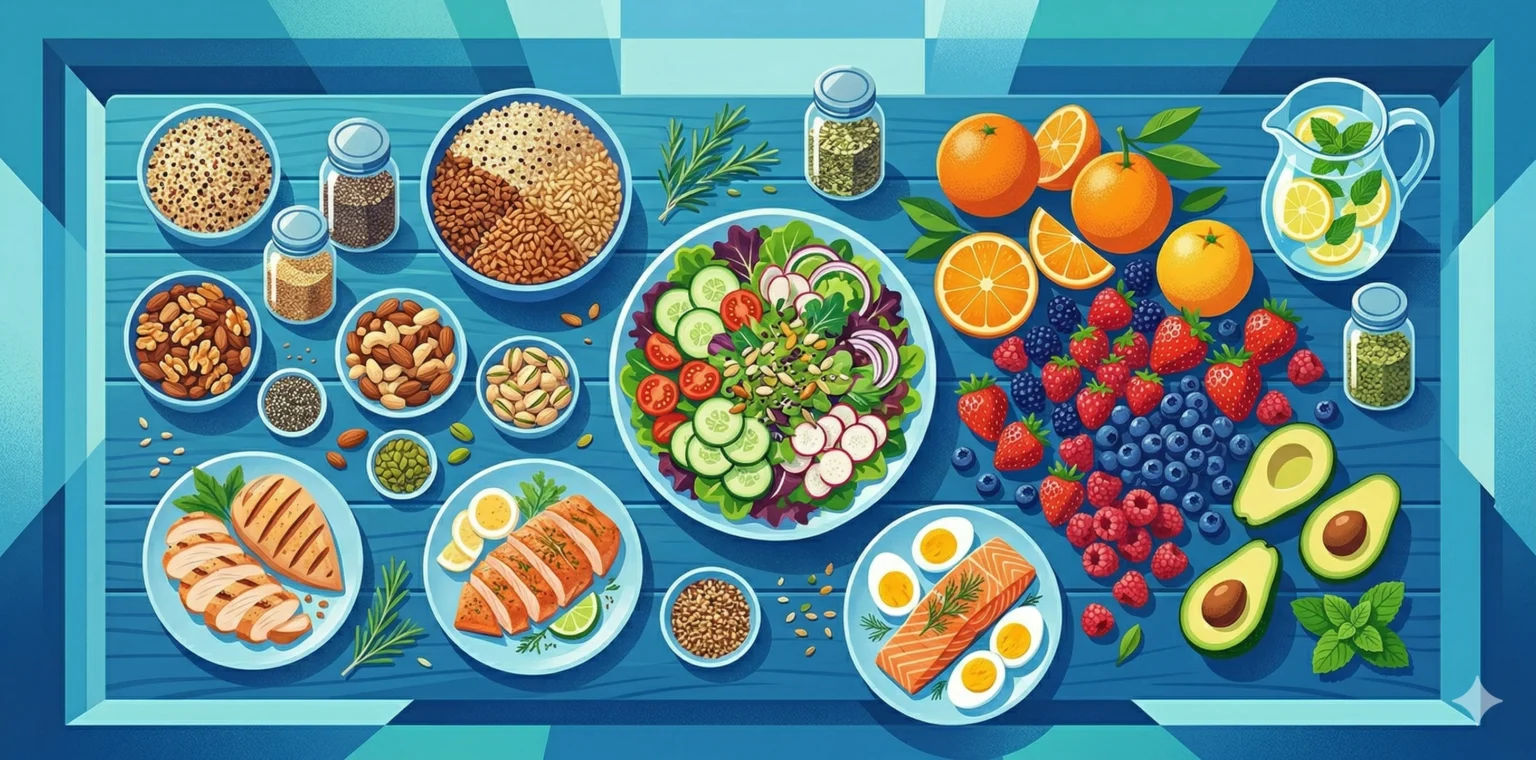
Healthy eating habits play an important role in maintaining energy, supporting digestion and improving overall well-being. A balanced diet provides essential nutrients that help the body function properly. Making small changes to your daily food choices can support long-term health without following complicated diets or strict food restrictions.
Whether you have a busy work schedule, exercise regularly or want to improve your daily routine, developing healthy eating habits can make a difference. Including fresh fruits, vegetables, whole grains, protein-rich foods and healthy fats in your meals helps create a balanced diet.
In this guide, you will learn practical healthy eating habits, simple nutrition tips and easy ways to make better food choices for everyday wellness.
10 Healthy Eating Habits for Better Health and Nutrition
Building a healthy diet does not require expensive ingredients or complicated meal plans. Consistent and practical food choices can help you maintain a nutritious routine.
1. Eat a Balanced Diet Every Day
A balanced diet includes different food groups that provide essential nutrients. Add vegetables, fruits, whole grains, protein sources and healthy fats to your daily meals.
For example, you can combine dal, brown rice, seasonal vegetables, curd and a small serving of nuts to create a balanced Indian meal. Eating a variety of foods helps you obtain different vitamins and minerals.
2. Include More Fruits and Vegetables
Fruits and vegetables provide fibre, vitamins, minerals and antioxidants that support overall health. Eating a variety of colourful produce can improve the nutritional value of your meals.
Try including seasonal fruits such as apples, oranges, bananas and papaya. Add spinach, carrots, broccoli, tomatoes and other vegetables to your lunch and dinner.
For more ideas, explore our guide to 20 Best Healthy Foods for Fitness and Wellness.
3. Choose Whole Grains Instead of Refined Grains
Whole grains contain more fibre and nutrients than many refined grain products. They can support digestion and help you feel full for longer.
Include foods such as oats, brown rice, whole wheat roti, millets and quinoa in your diet. You can gradually replace refined grains with whole-grain alternatives according to your preferences.
4. Eat Protein-Rich Foods Regularly
Protein supports muscle maintenance, tissue repair and several important body functions. Including protein sources in your meals helps maintain a balanced diet.
Some nutritious protein options include:
- Eggs.
- Lentils and beans.
- Paneer and curd.
- Fish and lean meat.
- Nuts and seeds.
- Soybeans and tofu.
Choose a mix of plant-based and animal-based protein sources according to your dietary preferences.
5. Stay Hydrated Throughout the Day
Water supports digestion, circulation, temperature regulation and many other body functions. Drinking enough water is an important part of a healthy daily routine.
Keep a water bottle nearby, drink water regularly and increase your fluid intake when you exercise or spend time in hot weather. Water-rich foods such as cucumbers, watermelon and oranges can also contribute to your daily fluid intake.
6. Reduce Added Sugar
Consuming too much added sugar can increase the risk of dental problems and contribute to excess calorie intake. Reducing sugary foods and drinks is a useful step towards healthier eating.
Limit soft drinks, packaged juices, sweets and desserts. Instead, choose whole fruits when you want something sweet. Check food labels to identify added sugars in packaged products.
7. Limit Processed Foods
Packaged snacks, instant noodles, processed meats and sugary drinks may contain high amounts of salt, added sugar or unhealthy fats. Eating these foods frequently can make it harder to maintain a balanced diet.
Choose homemade snacks such as roasted chana, fresh fruit, makhana or a handful of nuts. Read nutrition labels when buying packaged foods to make informed choices.
8. Practise Mindful Eating
Mindful eating means paying attention to your food, hunger and fullness signals while eating. It can help you develop a better relationship with food and avoid eating out of habit or distraction.
Try these simple practices:
- Eat meals without watching television or scrolling on your phone.
- Chew your food slowly and enjoy its taste.
- Recognise when you feel comfortably full.
- Avoid skipping meals if it leads to excessive hunger later.
9. Maintain Regular Meal Timings
Following a consistent meal routine can help you organise your day and manage your food choices. Try to eat breakfast, lunch and dinner at times that suit your daily schedule.
If you feel hungry between meals, choose nutritious snacks such as fruit, yoghurt, nuts or sprouts. Your meal frequency and timing can vary depending on your work routine, activity level and individual needs.
10. Prepare Meals at Home
Preparing meals at home gives you more control over ingredients, cooking methods and portion sizes. It also makes it easier to include fresh and nutritious foods in your daily diet.
Plan your meals for the week, prepare vegetables in advance and keep basic ingredients such as lentils, whole grains, seasonal produce and healthy cooking oils ready.
How to Build a Balanced Meal
Creating balanced meals becomes easier when you understand what to include on your plate. A simple approach is to fill around half your plate with vegetables and fruits, one-quarter with whole grains and one-quarter with healthy protein sources.
For example, a balanced Indian lunch may include:
- Two whole-wheat rotis or a serving of brown rice.
- Dal, chickpeas, paneer or another protein source.
- A generous serving of seasonal vegetables.
- A small bowl of curd, if preferred.
- Water as your main drink.
For additional guidance, refer to the Harvard Healthy Eating Plate. This resource from Harvard T.H. Chan School of Public Health explains how to combine different food groups when planning balanced meals.
Common Mistakes to Avoid When Following Healthy Eating Habits
Even when you want to eat healthily, certain daily habits can affect your food choices. Avoid these common mistakes:
- Skipping meals frequently: Irregular eating patterns may make it harder to manage hunger and energy.
- Following restrictive diets: Avoid unnecessarily eliminating entire food groups without a suitable reason or professional guidance.
- Ignoring portion sizes: Even nutritious foods need to fit your individual energy requirements.
- Relying on supplements: Supplements cannot replace a varied and balanced diet. Use them when appropriate based on professional advice.
- Expecting instant results: Healthy eating is a long-term habit. Focus on consistency instead of quick changes.
Conclusion
Developing healthy eating habits is a practical way to support better health and nutrition. Choosing whole grains, fresh produce, protein-rich foods and healthy fats can help create balanced meals that fit your lifestyle. Start with small changes, such as eating more vegetables, drinking enough water and preparing meals at home. Over time, these simple habits can become a natural part of your daily routine. GoHealthyPro shares practical nutrition tips and helpful guidance to support your journey towards a healthier lifestyle.
Explore more nutrition resources in the Diet & Nutrition Tips category to discover practical food ideas, balanced diet guidance and everyday wellness tips.
What is the easiest way to start healthy eating?
Start with one small change at a time. Try swapping a sugary drink for water, adding a vegetable to one meal a day, or cooking at home three nights a week. Simple, consistent changes are far more sustainable than dramatic overhauls.
How can I eat healthy on a budget?
Healthy eating doesn’t have to be expensive. Focus on affordable staples like oats, eggs, canned beans, frozen vegetables, bananas, and brown rice. Buy in bulk when possible, shop seasonal produce, and reduce your reliance on takeout — which is usually both costly and unhealthy.
How much water should I drink daily?
A general guideline is eight 8-ounce glasses of water per day, commonly known as the ‘8×8 rule.’ However, individual needs vary based on body size, activity level, and climate. A good rule of thumb: if your urine is pale yellow, you’re well-hydrated.
Can I eat healthy without giving up my favorite foods?
Absolutely. Healthy eating is not about deprivation — it’s about balance. You can still enjoy your favorite foods; just eat them in moderation and pair them with nutritious choices. Craving pizza? Have one or two slices with a big salad, not the whole box.
What are the best snacks for healthy eating?
The best healthy snacks combine protein, fiber, and healthy fat to keep you full and energized. Great options include mixed nuts, Greek yogurt, hummus with veggies, boiled eggs, or a piece of fruit with nut butter. These snacks stabilize blood sugar and curb cravings effectively.
How do I avoid junk food cravings?
Cravings often signal a nutritional gap or emotional trigger. To reduce junk food cravings: eat regular, balanced meals so you’re never starving, keep healthy snacks within easy reach, stay hydrated (thirst is often mistaken for hunger), and address stress with non-food coping strategies like walking or journaling.
How long does it take to build healthy eating habits?
Research suggests it takes an average of 66 days to form a new habit, though this varies widely from person to person. The key is repetition and commitment in the early stages. Once a habit becomes automatic — like reaching for a glass of water first thing in the morning — it takes very little effort to maintain.