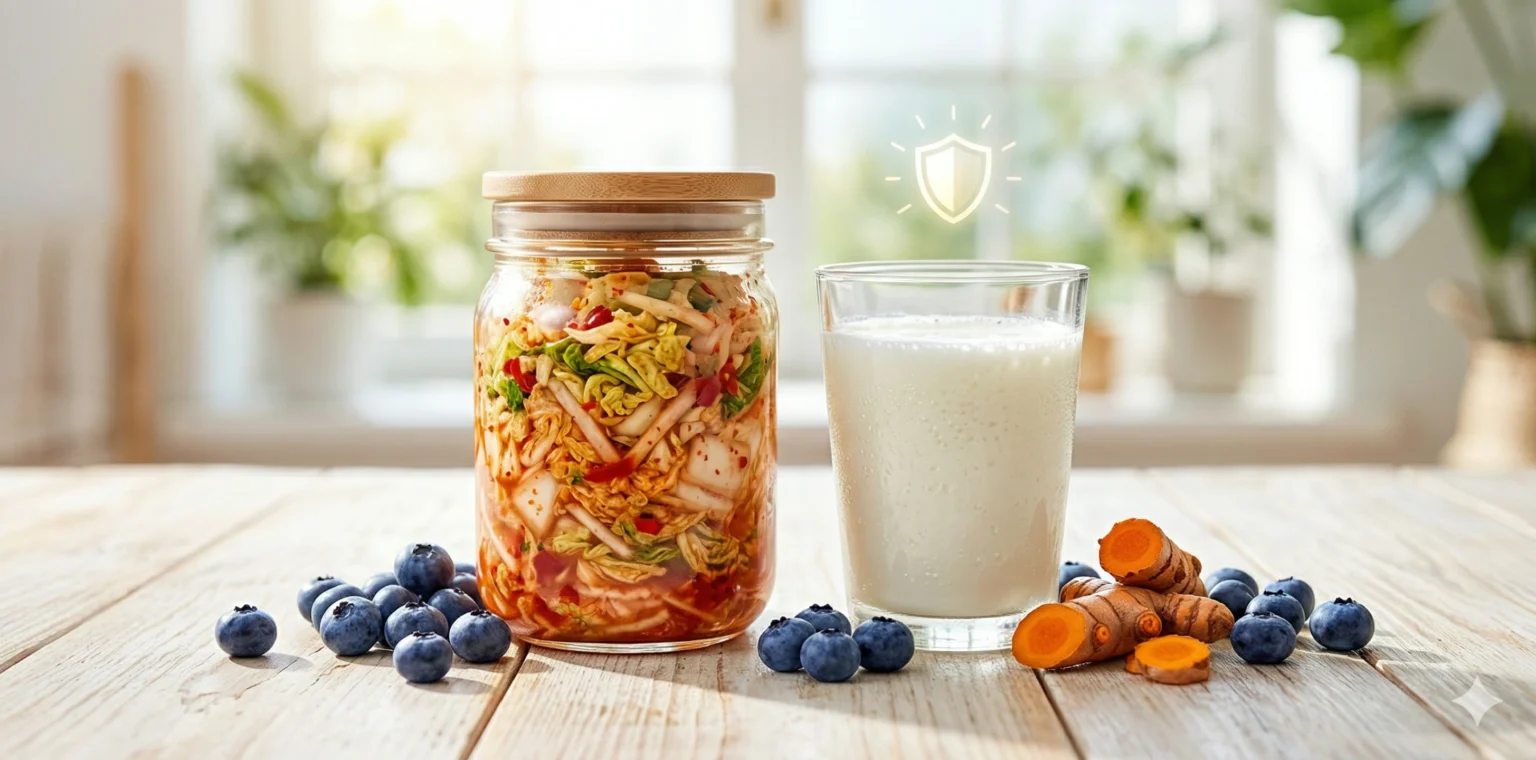
Eating healthy food is essential for staying active, maintaining energy and supporting overall wellness. Including a variety of healthy foods in your daily diet provides essential vitamins, minerals, protein, fibre and healthy fats that help the body function properly. Whether you exercise regularly, follow a busy schedule or want to improve your eating habits, choosing nutritious foods can make a difference. A balanced diet with fruits, vegetables, whole grains, nuts and protein-rich options can support muscle health, digestion and general wellbeing.
Including a variety of healthy options in your daily meals can support muscle health, digestion, energy levels and general wellbeing. From fresh fruits and vegetables to whole grains, nuts and protein-rich foods, making smart food choices can help you build a balanced eating routine and maintain a healthier lifestyle.
20 Best Healthy Foods Options for Fitness and Wellness
Here are 20 nutritious foods you can include in your daily diet to support fitness, energy and overall health.
1. Eggs
Eggs are a convenient source of high-quality protein and contain essential nutrients such as vitamin B12, vitamin D and choline. Protein supports muscle maintenance and repair, making eggs a useful addition to meals for people who exercise regularly.
Enjoy boiled eggs for breakfast, add them to salads or prepare a vegetable omelette for a balanced meal.
2. Oats
Oats provide complex carbohydrates, fibre and important minerals. They release energy gradually and can help you feel full for longer. Oats also contain beta-glucan, a type of soluble fibre associated with maintaining healthy cholesterol levels.
Prepare oatmeal with milk, fruits, nuts or seeds for a filling breakfast.
3. Bananas
Bananas are rich in carbohydrates and potassium. They provide a convenient energy source before physical activity and can help replenish energy after exercise.
Eat a banana as a quick snack or combine it with yoghurt, oats or peanut butter.
4. Spinach
Spinach contains iron, folate, vitamin K, vitamin A and antioxidants. It supports normal body functions and contributes to a balanced diet.
Add fresh spinach to salads, smoothies, dals, soups or vegetable dishes.
5. Almonds
Almonds provide healthy fats, plant-based protein, fibre, vitamin E and magnesium. They make a convenient snack and can add nutritional value to everyday meals.
Eat a small handful of almonds or sprinkle chopped almonds over porridge, yoghurt or salads.
6. Greek Yoghurt
Greek yoghurt is a protein-rich dairy food that also provides calcium and other essential nutrients. Depending on the product, it may contain live cultures that support gut health.
Enjoy plain Greek yoghurt with fresh fruits, seeds or a little honey.
7. Sweet Potatoes
Sweet potatoes contain complex carbohydrates, fibre, potassium and beta-carotene. They provide energy and contribute to a varied diet.
Roast, steam or bake sweet potatoes and serve them with vegetables or a protein-rich food.
8. Lentils
Lentils are an affordable source of plant-based protein, iron, fibre and folate. They are especially useful for people following vegetarian diets.
Include moong dal, masoor dal or other lentil varieties in everyday meals with whole grains and vegetables.
9. Salmon
Salmon provides high-quality protein, vitamin B12 and omega-3 fatty acids. These nutrients support normal body functions and make salmon a nutritious option for people who include fish in their diet.
Grill or bake salmon and serve it with vegetables and brown rice.
10. Blueberries
Blueberries contain fibre, vitamin C and plant compounds called anthocyanins. These antioxidants contribute to a varied diet rich in fruits and vegetables.
Add blueberries to smoothies, breakfast bowls or yoghurt. Other locally available berries and seasonal fruits can also provide valuable nutrients.
11. Brown Rice
Brown rice is a whole grain that provides complex carbohydrates, fibre, magnesium and B vitamins. It offers sustained energy and works well as part of balanced meals.
Pair brown rice with dal, vegetables, paneer or lean protein for a nutritious lunch or dinner.
12. Broccoli
Broccoli contains vitamin C, vitamin K, fibre and several antioxidants. It adds variety to meals and supports normal immune function and digestive health.
Steam or sauté broccoli and combine it with other vegetables, whole grains or protein sources.
13. Walnuts
Walnuts are a good source of plant-based omega-3 fatty acids, healthy fats, fibre and antioxidants. They are a nutritious option for people looking to include more plant foods in their diet.
Add walnuts to breakfast bowls, salads or homemade snack mixes.
14. Paneer
Paneer provides protein, calcium and phosphorus, which support muscle maintenance and bone health. It is a versatile vegetarian food that fits easily into Indian meals.
Prepare grilled paneer, paneer bhurji or vegetable paneer curry using moderate amounts of oil.
15. Apples
Apples contain fibre, vitamin C and plant compounds that contribute to overall health. Their fibre content can help support digestion and make them a satisfying snack.
Eat whole apples between meals or add sliced apples to oats and salads.
16. Chickpeas
Chickpeas are rich in plant-based protein, fibre, folate and minerals. They provide energy and help create filling meals, particularly for people following vegetarian diets.
Use chickpeas in chana masala, salads, hummus or roasted snacks.
17. Avocados
Avocados contain monounsaturated fats, fibre, potassium and folate. Their healthy fat content makes them a useful addition to balanced meals.
Spread mashed avocado on whole-grain toast or add it to salads and sandwiches.
18. Pumpkin Seeds
Pumpkin seeds provide protein, magnesium, zinc, iron and healthy fats. They are easy to include in snacks and meals without much preparation.
Sprinkle pumpkin seeds over salads, smoothies, porridge or homemade trail mixes.
19. Oranges
Oranges are an excellent source of vitamin C and also provide water, fibre and folate. Vitamin C helps the body absorb iron from plant-based foods.
Eat whole oranges as a snack or include orange segments in fruit salads. For more ideas about iron-rich eating, explore our guide to 20 Best Foods to Increase Hemoglobin Naturally.
20. Quinoa
Quinoa provides carbohydrates, fibre, protein and minerals such as magnesium. It is a versatile grain alternative that can add variety to meals.
Prepare quinoa bowls with vegetables, beans, paneer or other protein sources for a balanced meal.
How to Include Healthy Food Tips in Your Daily Routine?
Choosing nutritious foods is only one part of a healthy lifestyle. Consistent eating habits and balanced meals also play an important role in supporting overall wellness. Following practical healthy food tips can help you make better food choices and maintain a nutritious diet.
Here are some simple habits to include in your daily routine:
- Eat balanced meals: Include vegetables, fruits, whole grains, protein sources and healthy fats throughout the day.
- Choose seasonal produce: Add locally available fruits and vegetables to your meals for variety and essential nutrients.
- Stay hydrated: Drink enough water throughout the day, especially during physical activity and hot weather.
- Plan your meals: Prepare simple meals and snacks in advance to reduce dependence on highly processed foods.
How to Include Healthy Food Tips in Your Daily Routine?
Choosing nutritious foods is only one part of a healthy lifestyle. Consistent eating habits and balanced meals also play an important role in supporting overall wellness. Following practical healthy food tips can help you make better food choices and maintain a nutritious diet.
Here are some simple habits to include in your daily routine:
- Eat balanced meals: Include vegetables, fruits, whole grains, protein sources and healthy fats throughout the day.
- Choose seasonal produce: Add locally available fruits and vegetables to your meals for variety and essential nutrients.
- Stay hydrated: Drink enough water throughout the day, especially during physical activity and hot weather.
- Plan your meals: Prepare simple meals and snacks in advance to reduce dependence on highly processed foods.
For more guidance on creating balanced meals, explore the Harvard Healthy Eating Plate from Harvard T.H. Chan School of Public Health. It offers a practical visual guide to including vegetables, fruits, whole grains and healthy protein in everyday meals.
You can also explore 7 Foods for Healthy Hair and Skin: A Complete Guide for more nutrition ideas and Best Foods for Bone Health: What to Eat for Stronger Bones to learn about nutrients that support bone health.
For more guidance on building a balanced diet, the
Harvard Healthy Eating Plate
offers a useful visual guide to planning meals with vegetables, whole grains and healthy protein sources.
Conclusion
Eating a variety of nutritious foods can help support fitness, energy and overall wellness. From protein-rich eggs and lentils to fibre-rich fruits, vegetables and whole grains, every food group offers different benefits. Focus on balanced meals, regular physical activity, proper hydration and consistent eating habits instead of relying on a single food for results.
At GoHealthyPro, we share practical nutrition advice and healthy meal tips to help readers make informed food choices. Explore more nutrition guides from GoHealthyPro and take small, sustainable steps towards a healthier lifestyle.
Frequently Asked Questions
What is the best food to eat immediately after a workout?
The ideal post-workout snack combines fast-digesting protein with some carbohydrates. Greek yogurt with berries, a banana with almond butter, or a protein smoothie with oats are all excellent options. Aim to eat within 30–60 minutes after training to maximize muscle protein synthesis and glycogen replenishment.
Is fiber-maxxing safe for beginners?
Gradually increasing your intake of fiber-maxxing foods is safe and beneficial — just do it slowly. Going from a low-fiber diet to very high fiber overnight can cause bloating and digestive discomfort. Add one high-fiber food at a time (like chia seeds or lentils) and drink plenty of water to ease the transition.
Do I need to avoid all ultra-processed foods to be healthy?
No. An 80/20 approach is more sustainable than all-or-nothing thinking. If 80% of your diet consists of whole, nutrient-dense foods, occasional ultra-processed items will not derail your health. Chronic daily consumption of ultra-processed foods is the real concern — not an occasional treat.
How much protein do I actually need to build muscle?
Research supports a range of 0.7 to 1.0 grams of protein per pound of bodyweight per day for active individuals looking to build or maintain muscle mass. For a 150-pound person, that’s roughly 105–150 g of protein daily. Spread this across four or more meals for optimal absorption and muscle protein synthesis.
Can I improve my mental health through my diet?
Absolutely. The gut-brain connection is one of the most exciting areas of nutritional science. Probiotic-rich fermented foods like kefir and kimchi, omega-3s from salmon and walnuts, and antioxidant-rich blueberries all support neurotransmitter production and reduce neuroinflammation. Diet is one of the most powerful — and underutilized — tools for managing mood and mental well-being.
Are frozen fruits and vegetables as healthy as fresh ones?
Yes — and sometimes more so. Frozen produce is typically flash-frozen at peak ripeness, locking in nutrients. In contrast, fresh produce can lose significant nutritional value during transport and storage. Frozen berries, spinach, and edamame are convenient, cost-effective, and genuinely nutritious alternatives to their fresh counterparts.