

Introduction
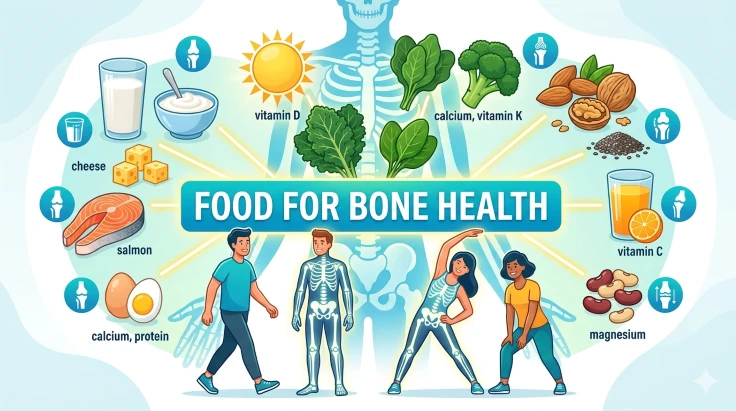
Foods for bone health play an important role in maintaining strong bones, supporting mobility, and providing essential nutrients throughout life. While exercise helps maintain physical strength, nutrition is equally important for supporting bone density and normal bone function.
Bones are living tissues that continuously break down and rebuild. This process requires essential nutrients such as calcium, vitamin D, magnesium, phosphorus, vitamin K, and protein. A balanced diet that includes these nutrients can help support bone health at every stage of life.
Whether you are a growing teenager, an active adult, or an older person, choosing nutritious foods can contribute to stronger bones. In this guide, explore the best foods for bone health, their key nutrients, and simple ways to include them in your daily meals.
Why Do Foods for Bone Health Matter?
Bone development and maintenance continue throughout life. Building bone mass during childhood and adolescence and maintaining it during adulthood are important parts of long-term skeletal health.
A balanced diet that includes essential nutrients can help:
- Support normal bone growth and maintenance.
- Provide calcium for bone structure.
- Improve calcium absorption through adequate vitamin D.
- Support muscle function and mobility.
- Help maintain overall skeletal health.
According to the National Institute of Arthritis and Musculoskeletal and Skin Diseases (NIAMS), calcium and vitamin D are particularly important for maintaining strong bones.
For more practical advice, read this guide on how to improve bone health naturally.
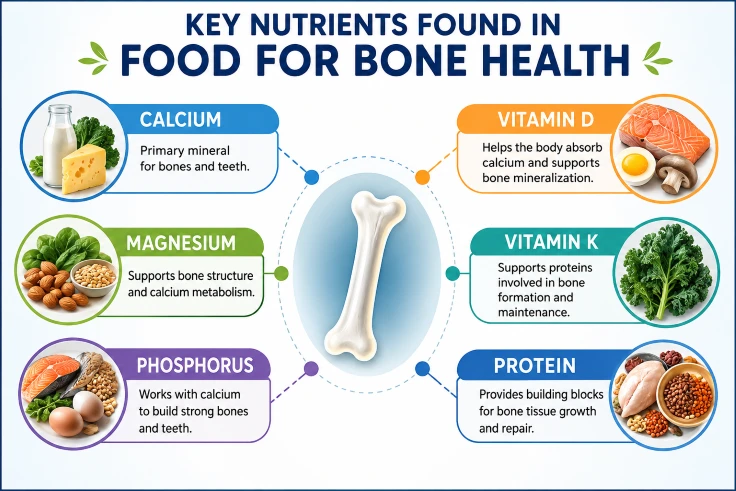
Key Nutrients Found in Foods for Bone Health
Before exploring individual foods, it helps to understand the nutrients that contribute to healthy bones.
Calcium
Calcium is the main mineral in bones and teeth. The body needs a regular supply of calcium from food because it cannot produce this mineral on its own.
Sources include milk, yoghurt, cheese, calcium-set tofu, sesame seeds, and certain leafy vegetables.
Vitamin D
Vitamin D helps the body absorb calcium and supports bone mineralisation. Fatty fish, egg yolks, and fortified foods can provide vitamin D.
Magnesium
Magnesium contributes to bone structure and supports several processes involved in normal muscle and nerve function. Nuts, seeds, legumes, and whole grains are useful sources.
Vitamin K
Vitamin K helps produce proteins involved in bone metabolism. Green vegetables such as broccoli, kale, and cabbage contain vitamin K.
Phosphorus
Phosphorus works with calcium to form and maintain bone structure. Dairy products, beans, fish, nuts, and whole grains provide phosphorus.
Protein
Protein forms part of the structure of bone tissue and also supports muscle health. Eggs, dairy products, pulses, fish, poultry, tofu, and nuts can contribute to daily protein intake.
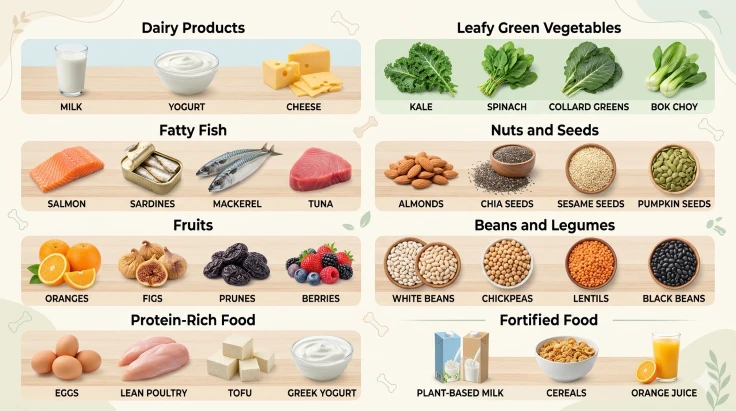
Dairy Products: Classic Foods for Bone Health
Dairy products are widely recognised sources of calcium and protein. Some dairy products are also fortified with vitamin D.
Milk
Milk provides calcium, protein, and phosphorus. Fortified varieties may also contain vitamin D. It can be included in breakfast, smoothies, or other meals.
Yoghurt
Yoghurt provides calcium and protein. Plain yoghurt can be enjoyed with fruit, oats, or nuts as part of a balanced meal.
Cheese
Cheese contains calcium and protein. Since some varieties are high in sodium and saturated fat, consider portion size and choose varieties that fit your dietary needs.
Dairy products can be useful options for people who include them in their diet. If you avoid dairy, several plant-based foods can provide calcium as well.
Leafy Green Vegetables as Foods for Bone Health
Leafy vegetables offer vitamins, minerals, and other nutrients that support overall health.
Kale
Kale provides vitamin K and calcium. It can be added to salads, soups, or cooked vegetable dishes.
Broccoli
Broccoli contains vitamin K, vitamin C, and some calcium. It is a versatile vegetable that can be steamed, roasted, or added to curries.
Bok Choy
Bok choy provides calcium and vitamin K. It can be included in stir-fries and vegetable soups.
Spinach
Spinach contains magnesium and vitamin K. However, it also contains oxalates, which reduce the absorption of its calcium. It is nutritious, but it should not be considered the main calcium source.
Adding a variety of vegetables to meals helps provide a wider range of nutrients.
Fatty Fish: Nutrient-Rich Foods for Bone Health
Certain fish provide vitamin D and protein, which contribute to normal bone function.
Salmon
Salmon provides vitamin D, protein, and omega-3 fatty acids. It can be grilled, baked, or served with vegetables and whole grains.
Sardines
Canned sardines with edible bones are a source of calcium, vitamin D, and protein.
Mackerel
Mackerel provides vitamin D and protein. It can be included in a balanced meal, depending on individual dietary preferences.
Tuna
Tuna contains protein and some vitamin D. Choose suitable varieties and follow food-safety advice when consuming fish regularly.
Fish can be a useful part of a varied diet, especially for people who eat seafood.
Nuts and Seeds for Stronger Bones
Nuts and seeds contain minerals, healthy fats, and protein that contribute to a balanced diet.
Almonds
Almonds provide magnesium, protein, and some calcium. A small handful can make a convenient snack.
Chia Seeds
Chia seeds contain calcium, magnesium, and phosphorus. They can be added to yoghurt, porridge, or smoothies.
Sesame Seeds
Sesame seeds provide calcium and other minerals. They can be sprinkled over vegetables or used in chutneys and tahini.
Pumpkin Seeds
Pumpkin seeds contain magnesium, zinc, and protein. Add them to salads, breakfast bowls, or homemade snack mixes.
Nuts and seeds are energy-dense, so moderate portions are generally suitable for everyday meals.
Fruits That Support Bone Health
Fruits provide vitamins, minerals, and plant compounds that complement a balanced diet.
Oranges
Oranges provide vitamin C, which helps the body produce collagen, an important component of bone tissue.
Figs
Dried figs contain calcium and other minerals. They can be eaten as a snack or added to breakfast dishes.
Prunes
Prunes provide fibre, potassium, and vitamin K. Some research has examined their potential relationship with bone health, but they should be considered part of an overall balanced diet rather than a treatment.
Berries
Berries provide vitamin C and antioxidants. Add strawberries, blueberries, or other seasonal berries to yoghurt, oats, or fruit bowls.
Eating different types of fruit helps increase the variety of nutrients in your diet.
Beans and Legumes: Affordable Foods for Bone Health
Beans and legumes are useful sources of plant protein, magnesium, phosphorus, and other nutrients.
Chickpeas
Chickpeas provide protein and minerals. Use them in chana masala, salads, or homemade hummus.
Lentils
Lentils contain protein, magnesium, and phosphorus. Dal is a practical way to include lentils in everyday Indian meals.
White Beans
White beans provide plant protein and some calcium. They can be added to soups and vegetable dishes.
Soybeans
Soybeans contain protein and minerals. Tofu and other soy-based foods can also contribute to a balanced diet.
For people following vegetarian diets, pulses and legumes are convenient options for adding protein and minerals to meals.
Protein-Rich Foods for Bone Health
Protein is an important part of bone tissue and helps maintain the muscles that support movement and balance.
Eggs
Eggs provide high-quality protein and small amounts of vitamin D. They can be included in breakfast or other meals.
Chicken
Chicken provides protein and phosphorus. Pair it with vegetables and whole grains for a balanced meal.
Tofu
Calcium-set tofu can provide both protein and calcium. Check the product label because calcium content varies by preparation.
Greek Yoghurt
Greek yoghurt offers protein and calcium. It can be combined with fruit, seeds, or oats for a nutritious snack.
Including suitable protein sources throughout the day can support overall musculoskeletal health.
Fortified Foods for Bone Health
Fortified foods have certain vitamins or minerals added during production. They can help people meet nutrient needs, particularly when their diets exclude specific food groups.
Fortified Plant-Based Milk
Some soy, almond, and oat milk products contain added calcium and vitamin D. Check the nutrition label because fortification differs between brands.
Fortified Breakfast Cereals
Some breakfast cereals contain added calcium or vitamin D. Compare labels and choose options that fit your nutritional needs.
Fortified Orange Juice
Certain orange juice products contain added calcium and vitamin D. Check the label to confirm the nutrients and serving size.
Fortified foods can be useful alternatives for people who do not consume dairy products.
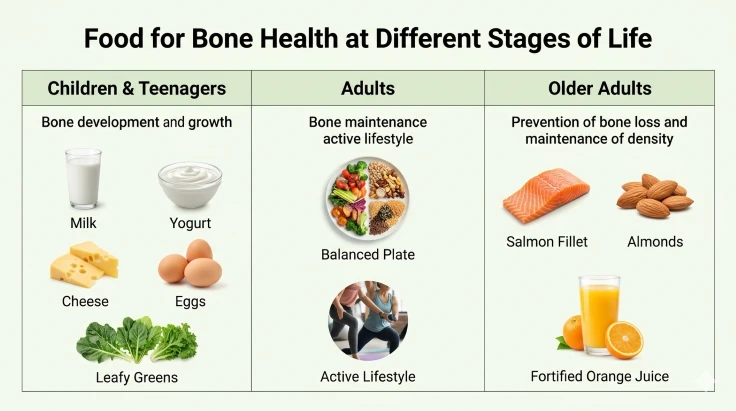
Foods for Bone Health at Different Stages of Life
Children and Teenagers
Young people require sufficient calcium and vitamin D to build peak bone mass.
Recommended foods include:
- Milk
- Yogurt
- Cheese
- Eggs
- Leafy greens
Adults
Adults should focus on maintaining bone density through balanced nutrition and physical activity.
Older Adults
Seniors may experience age-related bone loss and should prioritize:
- Calcium-rich foods
- Vitamin D sources
- Protein-rich meals
- Magnesium-containing foods
Tailoring food for bone health according to age can help maintain skeletal strength throughout life.
Foods for Bone Health at Different Stages of Life
Nutritional needs change with age and life stage.
Children and Teenagers
Growing children and teenagers need adequate calcium, vitamin D, protein, and other nutrients to support bone development.
Suitable foods may include:
- Milk and yoghurt.
- Calcium-set tofu.
- Eggs.
- Beans and lentils.
- Green vegetables.
- Fortified foods.
Adults
Adults can focus on maintaining bone health through a varied diet, adequate nutrient intake, and regular physical activity.
Older Adults
Older adults may experience changes in bone density and nutrient absorption. Calcium-rich foods, vitamin D sources, protein, and regular physical activity can be important parts of healthy ageing.
People with osteoporosis or other medical conditions may need individual guidance from a qualified healthcare professional.
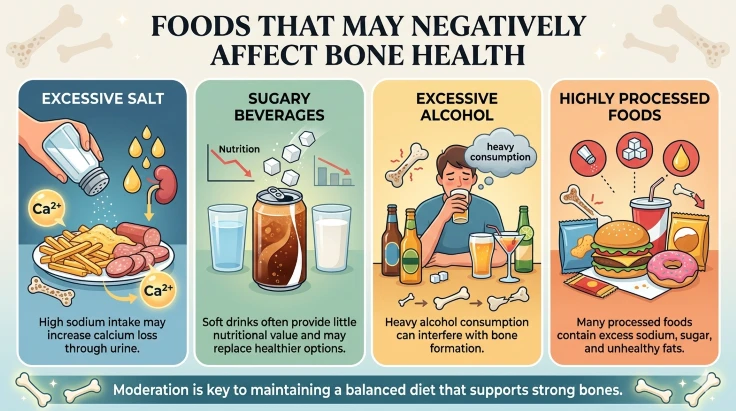
Foods and Dietary Habits That May Affect Bone Health
A balanced diet is about more than adding nutrient-rich foods. Some dietary habits may also affect overall bone health.
Excessive Salt
A high-sodium diet may increase calcium loss through urine. Limiting very salty packaged foods and adding less salt during cooking can support healthier eating habits.
Sugary Drinks
Sugary beverages often provide few essential nutrients. Choosing water or other suitable drinks more often can help improve overall dietary quality.
Excessive Alcohol
Heavy alcohol consumption can negatively affect bone health. Limiting alcohol is one part of maintaining a healthy lifestyle.
Highly Processed Foods
Some highly processed foods contain large amounts of sodium, added sugar, or saturated fat. Eating them less often can make room for more nutrient-dense choices.
The overall quality of the diet matters more than focusing on a single food.
Lifestyle Habits That Support Bone Health
Nutrition works alongside other daily habits to support healthy bones.
Include Weight-Bearing Activities
Walking, dancing, stair climbing, and suitable strength-training exercises place healthy demands on bones and muscles. Choose activities according to your fitness level and health needs.
Get Appropriate Vitamin D
The body can produce vitamin D through sunlight exposure, and some foods provide it as well. Sun exposure needs vary with skin type, location, season, and other factors. Avoid prolonged unprotected exposure and seek professional advice if vitamin D deficiency is a concern.
Maintain a Balanced Diet
Eat a variety of vegetables, fruits, whole grains, protein sources, and calcium-rich foods. A varied diet helps provide nutrients needed for general health.
Avoid Smoking
Smoking is associated with poorer bone health. Avoiding tobacco can support overall wellbeing.
Combining healthy eating with regular movement can help support bone and muscle function. For more ideas, explore these natural ways to build healthy bones.
Sample One-Day Meal Plan for Bone Health
Here is a simple example of how to include a variety of bone-supporting foods in everyday meals.
Breakfast
- Oats prepared with fortified milk.
- Plain yoghurt.
- Orange slices.
- Chia seeds.
Mid-Morning Snack
- A small handful of almonds.
- A few dried figs.
Lunch
- Dal or chickpea curry.
- Whole-wheat roti.
- Broccoli or another seasonal vegetable.
- Plain yoghurt.
Afternoon Snack
- Fruit with pumpkin seeds.
Dinner
- Calcium-set tofu or fish, depending on dietary preference.
- Vegetable stir-fry.
- Brown rice or whole-wheat roti.
Evening Option
- A glass of milk or fortified plant-based milk, if suitable.
This is a general meal example, not an individual nutrition plan. Adjust food choices and portions according to personal needs, preferences, and any dietary restrictions.
Conclusion
Choosing the right foods for bone health can help provide the nutrients needed to maintain strong bones throughout life. Dairy products, leafy vegetables, fatty fish, nuts, seeds, beans, fruits, and fortified foods all offer useful nutrients that contribute to a balanced diet.
Along with nutritious meals, regular physical activity and healthy daily habits play an important role in supporting bone health. Focus on variety and consistency instead of relying on one food or a quick fix.
Explore more diet and nutrition tips on GoHealthyPro to learn about healthy food choices and everyday wellness habits.
Disclaimer: This article is intended for general health awareness and educational purposes only. It does not provide medical advice, diagnosis, or treatment. Consult a qualified healthcare professional for personalised medical guidance, especially if you have osteoporosis, a diagnosed nutrient deficiency, or another health condition.
FAQs
1. How much calcium do adults need daily for healthy bones?
Most adults require approximately 1,000 to 1,200 milligrams of calcium daily. The exact amount varies depending on age and gender. Consuming calcium-rich foods regularly helps maintain bone density and supports the continuous process of bone remodeling and repair.
2. Can vitamin D improve bone health?
Yes, vitamin D plays a critical role in helping the body absorb calcium efficiently. Without adequate vitamin D, calcium absorption decreases significantly, potentially leading to weaker bones and a higher risk of fractures, osteoporosis, and other skeletal health concerns.
3. Are plant-based foods good for bone health?
Absolutely. Many plant-based foods support bone health, including kale, broccoli, tofu, almonds, chia seeds, sesame seeds, lentils, and fortified plant milks. These foods provide calcium, magnesium, phosphorus, and other nutrients that contribute to maintaining strong bones.
4. Which fruits are beneficial for stronger bones?
Fruits such as oranges, prunes, berries, and figs can support bone health. They contain vitamins, antioxidants, potassium, and minerals that contribute to bone maintenance, collagen formation, and protection against age-related declines in bone density and strength.
5. What foods should be limited for better bone health?
Limiting excessive salt, sugary drinks, highly processed foods, and heavy alcohol consumption can help protect bone health. These dietary habits may interfere with calcium balance, reduce nutrient intake, or contribute to long-term bone weakening when consumed excessively.