

Introduction
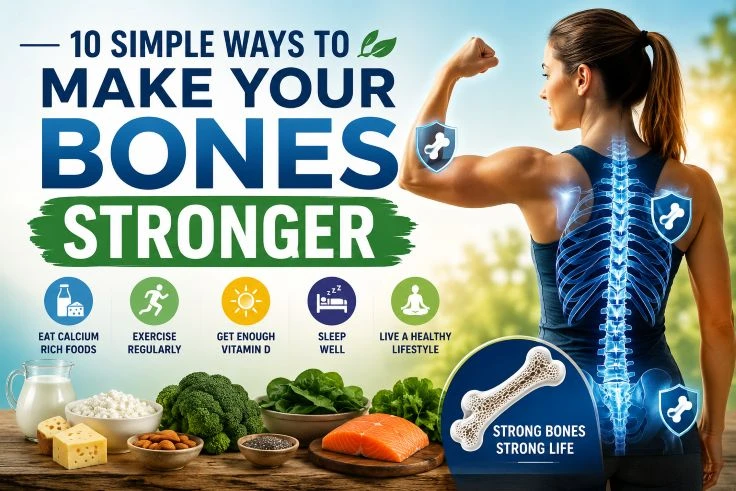
Make your bones stronger naturally by following healthy daily habits that support bone density, flexibility, and long-term mobility. Strong bones are essential for maintaining balance, posture, and overall body strength as you age. Many people only start caring about bone health after facing pain, weakness, or joint problems, but taking preventive steps early can make a huge difference.
Your bones constantly rebuild themselves throughout life. However, factors like poor diet, lack of exercise, stress, aging, and unhealthy lifestyle choices can weaken them over time. The good news is that simple changes in your routine can improve bone strength naturally without complicated treatments.
In this guide, you will discover practical and easy ways to improve bone health, increase calcium absorption, and maintain stronger bones for years to come. These methods are suitable for people of all age groups and can easily become part of your daily lifestyle.
Why Bone Health Matters
Bones provide structure to the body, protect internal organs, and help muscles function properly. Healthy bones allow you to move freely and maintain physical independence. Weak bones increase the risk of fractures, joint pain, posture problems, and conditions such as osteoporosis.
Bone health becomes especially important with age because bone density naturally decreases over time. However, children, teenagers, adults, and seniors all need proper nutrition and physical activity to maintain strong bones.
Maintaining healthy bones also supports:
- Better balance and stability
- Improved athletic performance
- Reduced injury risk
- Healthy teeth and joints
- Long-term mobility
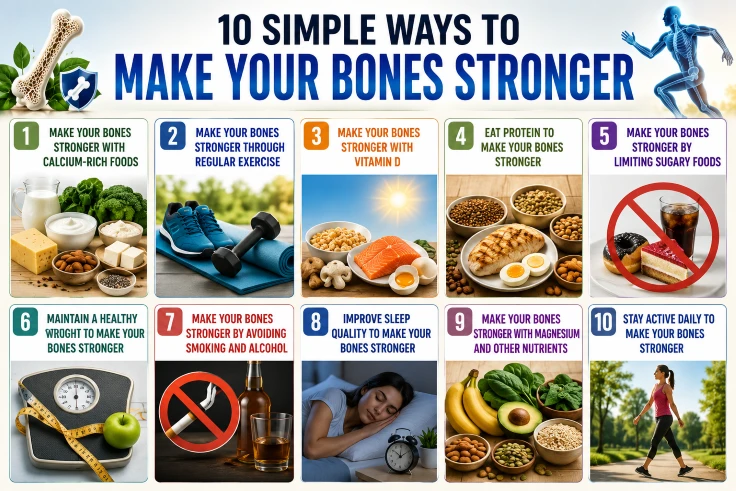
10 Simple Ways to Make Your Bones Stronger
1. Make Your Bones Stronger With Calcium-Rich Foods
Calcium is one of the most important nutrients for bone development and maintenance. Your body stores most of its calcium in the bones and teeth. If your diet lacks calcium, the body starts taking it from your bones, making them weaker.
Foods rich in calcium include:
- Milk
- Yogurt
- Cheese
- Almonds
- Tofu
- Leafy green vegetables
- Sesame seeds
Adding calcium-rich foods to your daily meals can significantly improve bone strength over time. Adults should aim for balanced calcium intake through natural food sources whenever possible.
Best Daily Habits for Calcium Absorption
Calcium works best when paired with a healthy lifestyle. Drinking enough water, staying physically active, and reducing processed foods help the body absorb calcium efficiently.
Avoid excessive salt and sugary drinks because they may reduce calcium retention in the body.
2. Make Your Bones Stronger Through Regular Exercise
Exercise plays a major role in building stronger bones. Physical activity stimulates bone tissue and helps improve bone density naturally.
Weight-bearing exercises are especially effective because they force the body to work against gravity.
Examples include:
- Walking
- Jogging
- Dancing
- Climbing stairs
- Hiking
- Skipping rope
Strength training exercises also help by improving muscle support around the bones.
How Exercise Improves Bone Density
When muscles pull against bones during movement, the bones respond by becoming stronger. Regular exercise also improves balance and coordination, reducing the risk of falls and fractures.
Consistency matters more than intensity. Even 30 minutes of moderate activity most days of the week can improve bone health.
3. Make Your Bones Stronger With Vitamin D
Vitamin D helps the body absorb calcium effectively. Without enough vitamin D, calcium cannot be properly utilized, even if your diet contains enough of it.
Sunlight is one of the best natural sources of vitamin D. Spending some time outdoors during the morning can help maintain healthy vitamin D levels.
Other sources include:
- Egg yolks
- Fatty fish
- Fortified cereals
- Mushrooms
People who spend most of their time indoors may need extra attention to vitamin D intake.
Signs of Low Vitamin D Levels
Common signs may include:
- Bone pain
- Fatigue
- Muscle weakness
- Frequent illness
- Joint discomfort
Maintaining proper vitamin D levels supports both bone and immune health.
4. Eat Protein to Make Your Bones Stronger
Protein supports the structure and repair of bones. Many people focus only on calcium, but protein is equally important for maintaining bone mass.
Healthy protein sources include:
- Lentils
- Beans
- Eggs
- Fish
- Chicken
- Nuts
- Seeds
A balanced diet containing enough protein helps bones stay resilient and strong.
Can Too Little Protein Affect Bones?
Yes. Low protein intake may reduce bone density and increase the risk of fractures, especially in older adults. Protein also helps maintain muscle strength, which protects bones during movement.
5. Make Your Bones Stronger by Limiting Sugary Foods
Excess sugar may negatively affect bone health by reducing nutrient absorption and increasing inflammation in the body.
Highly processed foods often contain:
- Excess sodium
- Refined sugar
- Artificial additives
These ingredients can weaken bones over time when consumed regularly.
Instead, focus on:
- Fresh fruits
- Vegetables
- Whole grains
- Natural snacks
Healthy eating habits support stronger bones and better overall wellness.
6. Maintain a Healthy Weight to Make Your Bones Stronger
Both underweight and overweight conditions can affect bone health. Being underweight may reduce bone density, while excess weight can place additional stress on joints and bones.
Maintaining a balanced weight through healthy eating and regular exercise helps protect the skeletal system.
How Weight Affects Bone Strength
Bones need proper nutrition and physical activity to remain healthy. Extreme dieting or unhealthy eating habits may lead to nutrient deficiencies that weaken bones over time.
A healthy lifestyle supports strong bones naturally.
7. Make Your Bones Stronger by Avoiding Smoking and Excess Alcohol
Smoking and heavy alcohol consumption are harmful to bone health. These habits reduce the body’s ability to absorb calcium and interfere with bone rebuilding processes.
Smoking may also:
- Lower bone density
- Increase fracture risk
- Slow healing after injuries
Excess alcohol can weaken muscles and balance, increasing the likelihood of falls.
Reducing these habits can greatly improve bone strength and overall health.
8. Improve Sleep Quality to Make Your Bones Stronger
Sleep is important for recovery and repair throughout the body, including bones. During deep sleep, the body works to rebuild tissues and maintain hormonal balance.
Poor sleep may increase inflammation and affect bone regeneration.
Tips for Better Sleep
- Maintain a consistent bedtime
- Avoid screens before sleeping
- Reduce caffeine intake at night
- Keep the bedroom calm and comfortable
Adults should aim for around 7–8 hours of quality sleep daily for better bone and overall health.
9. Make Your Bones Stronger With Magnesium and Other Nutrients
Calcium and vitamin D are important, but bones also need magnesium, phosphorus, potassium, and vitamin K for proper function.
Foods rich in these nutrients include:
- Bananas
- Spinach
- Avocados
- Nuts
- Seeds
- Whole grains
Eating a variety of nutrient-rich foods supports overall skeletal health.
Why Balanced Nutrition Matters
No single nutrient works alone. A balanced diet helps the body absorb and utilize vitamins and minerals effectively. This creates stronger bones and better energy levels.
10. Stay Active Daily to Make Your Bones Stronger
Long periods of sitting can weaken muscles and bones over time. Staying active throughout the day improves circulation, flexibility, and bone stimulation.
Simple activities can make a difference:
- Walking after meals
- Stretching regularly
- Using stairs instead of elevators
- Gardening
- Household activities
Small lifestyle changes performed consistently can improve bone health naturally.
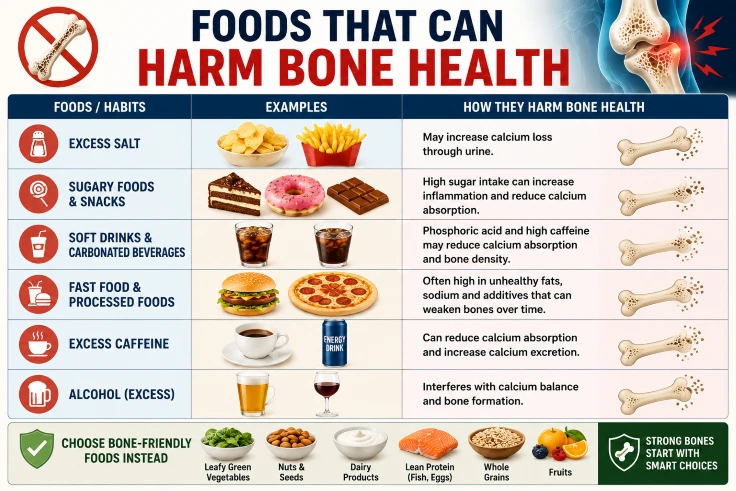
Foods That Can Harm Bone Health
Certain foods and unhealthy eating habits can slowly weaken bones and affect overall skeletal health. Highly processed foods, sugary snacks, soft drinks, excessive salt, and fast food may reduce calcium absorption and contribute to bone loss over time. Consuming too much caffeine or carbonated beverages can also impact the body’s ability to maintain healthy bone density. In addition, diets low in essential nutrients like calcium, vitamin D, magnesium, and protein may increase the risk of weak bones and joint discomfort. While occasional treats are fine, regularly relying on unhealthy foods can negatively affect long-term bone strength. Choosing balanced meals rich in fruits, vegetables, whole grains, and nutrient-dense foods can help protect bones naturally and support better mobility, flexibility, and overall health.
Signs Your Bones May Need Extra Care
Many people ignore early symptoms of weak bones until serious problems begin to appear. Understanding the warning signs can help you take preventive steps before bone health declines further. Frequent joint pain, muscle weakness, poor posture, back discomfort, and repeated fractures may indicate that your bones need extra care. Brittle nails, weak teeth, and difficulty performing daily physical activities can also be linked to reduced bone strength. Poor nutrition, lack of exercise, aging, and vitamin deficiencies often contribute to these issues over time. Maintaining a healthy lifestyle with calcium-rich foods, regular exercise, proper sleep, and sunlight exposure can support stronger bones naturally. Paying attention to these signs early may help improve bone density, mobility, flexibility, and overall long-term skeletal health.
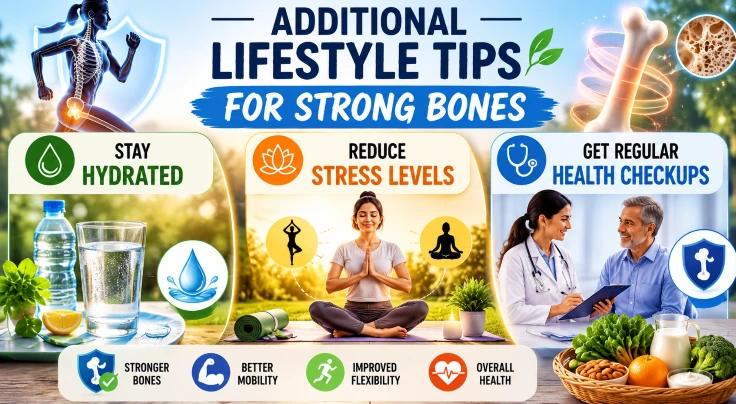
Additional Lifestyle Tips for Strong Bones
Besides nutrition and exercise, certain habits can further support healthy bones.
Stay Hydrated
Water helps transport nutrients throughout the body and supports joint lubrication. Proper hydration contributes to overall body function and mobility.
Reduce Stress Levels
Chronic stress may affect hormones that influence bone health. Activities like yoga, meditation, and deep breathing can help manage stress naturally.
Get Regular Health Checkups
Routine health screenings help identify vitamin deficiencies or bone-related concerns early. Early prevention is often more effective than treatment later.
Common Mistakes That May Weaken Bones
Many daily habits unknowingly affect bone health negatively.
Common mistakes include:
- Skipping meals
- Consuming excessive soft drinks
- Lack of physical activity
- Poor posture
- Ignoring sunlight exposure
- Smoking and alcohol overuse
Correcting these habits gradually can improve long-term bone strength.
Conclusion
Strong bones are essential for a healthy and active life. The good news is that you can make your bones stronger naturally through simple daily habits such as eating nutritious foods, exercising regularly, sleeping well, and maintaining a balanced lifestyle.
Bone health is not just important for older adults. People of all ages should focus on building healthy bones early to reduce future health problems. Small changes made consistently can produce lasting benefits for strength, mobility, and overall wellness.
Start with one or two healthy habits today and continue building a lifestyle that supports stronger bones for years to come.
FAQs
1. What foods help make your bones stronger naturally?
Foods rich in calcium, vitamin D, magnesium, and protein help strengthen bones naturally. Dairy products, leafy greens, almonds, tofu, eggs, fish, and nuts are excellent choices. A balanced diet containing these nutrients supports bone density and long-term skeletal health while reducing the risk of weakness and fractures.
2. Can exercise really improve bone strength?
Yes, regular exercise helps improve bone density and muscle support. Weight-bearing activities like walking, jogging, dancing, and strength training stimulate bone growth and reduce bone loss. Consistent physical activity also improves balance and flexibility, lowering the chances of falls and injuries as you age.
3. How much sunlight is needed for healthy bones?
Around 15–30 minutes of morning sunlight exposure several times a week can help the body produce vitamin D naturally. Vitamin D is essential for calcium absorption and bone strength. The exact amount may vary depending on skin type, weather, and lifestyle habits.
4. Does age affect bone strength?
Yes, bone density naturally decreases with age, especially after middle age. However, healthy eating, regular exercise, good sleep, and proper nutrient intake can help slow bone loss significantly. Building strong bones early in life also helps maintain better bone health later in adulthood.
5. Can poor sleep weaken bones?
Poor sleep may affect hormone balance and tissue repair processes that support healthy bones. Consistently inadequate sleep can increase inflammation and negatively impact bone regeneration over time. Getting quality sleep daily supports both bone recovery and overall physical health naturally.
6. Are supplements necessary for stronger bones?
Supplements may help people who cannot meet their nutritional needs through diet alone. However, natural food sources are generally the best option for obtaining calcium, vitamin D, and other nutrients. It is always better to consult a healthcare professional before starting any supplement routine.
Disclaimer
“This article is only for general health awareness and tips. It is not medically suggested advice. Please consult a qualified healthcare professional for medical guidance.”