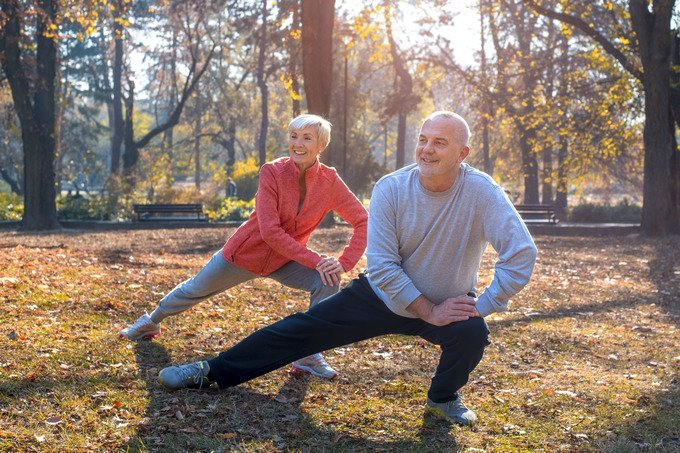
Strong bones support movement, posture and everyday activities throughout life. Following practical healthy lifestyle tips can help support bone health through balanced nutrition, regular physical activity, adequate sleep and other everyday habits. Bone health deserves attention at every age because bone tissue constantly changes as the body builds and replaces old bone.
A healthy approach does not depend on one food or exercise. Instead, a combination of nutritious meals, an active lifestyle and sensible daily routines can support normal bone strength. This guide covers 10 natural ways to care for your bones and explains how simple lifestyle choices can fit into everyday life.
Healthy Lifestyle Tips for Better Bone Health
Building and maintaining healthy bones involves several areas of daily life. Your diet provides important nutrients, while physical activity places healthy demands on the bones and muscles. Sleep, hydration and other lifestyle habits also contribute to overall wellbeing.
Here are 10 practical ways to support your bones naturally.
1. Include Calcium Rich Foods in Your Diet
Calcium is an important mineral for normal bone structure and function. The body stores most of its calcium in the bones and teeth, so getting enough through food is an important part of a balanced diet.
Many everyday foods can contribute calcium to your meals. Depending on your dietary preferences, you can include:
- Milk and curd
- Paneer
- Ragi
- Sesame seeds
- Soy products
- Green leafy vegetables
- Certain calcium-fortified foods
- Small fish eaten with bones, where appropriate
Instead of focusing on one food, include different nutrient-rich foods throughout the week. A varied diet can provide calcium along with protein, vitamins and other nutrients.
People with specific dietary restrictions may need to discuss suitable food choices with a qualified healthcare professional or dietitian.
2. Get Enough Vitamin D
Vitamin D helps the body absorb calcium and plays an important role in bone health. The body can produce vitamin D when skin is exposed to sunlight, while some foods also provide it.
Sources can include:
- Egg yolks
- Fatty fish
- Fortified foods
- Foods containing added vitamin D
Sun exposure should be sensible and suited to your skin type, location and local sun safety guidance. The amount of vitamin D a person needs can vary, so avoid taking supplements without appropriate professional advice.
If you are concerned about your vitamin D levels, a qualified healthcare professional can advise you about suitable options.
3. Eat Enough Protein and Follow a Balanced Diet
Protein supports muscles, and strong muscles help you stay active and maintain movement. A balanced diet should include adequate protein along with vegetables, fruits, whole grains and other nutrient-rich foods.
Useful protein sources include:
- Dal and beans
- Chickpeas
- Paneer and curd
- Eggs
- Fish
- Chicken
- Soy and other soy products
- Nuts and seeds
Your meals do not need to be complicated. A simple combination such as dal, roti, vegetables and curd can provide several important nutrients.
Healthy eating habits work best when you follow them consistently rather than relying on restrictive diets or individual foods.
4. Include Weight Bearing Exercises
Weight-bearing exercise encourages the muscles and bones to work against gravity. Regular physical activity can support bone strength while also improving fitness, balance and muscle function.
Examples include:
- Brisk walking
- Climbing stairs
- Dancing
- Hiking
- Jogging, where suitable
- Certain types of sports
Start at a comfortable level and increase activity gradually. If you are new to exercise, choose activities that match your current fitness level.
People with existing health concerns, previous injuries or other limitations should discuss suitable exercise with a qualified healthcare professional.
5. Add Strength Training to Your Routine
Strength training can support muscles and overall physical function. Exercises such as squats, resistance band exercises and controlled lifting can form part of a balanced fitness routine.
You do not always need a gym to begin. Bodyweight exercises and resistance bands can provide options for home workouts.
A basic strength routine may include exercises for the legs, arms, back and core. Focus on proper technique rather than lifting heavy weights.
As with any physical activity, increase intensity gradually and take adequate rest between demanding sessions.
6. Maintain a Healthy Body Weight
Maintaining a healthy body weight forms part of overall wellbeing. Both very low body weight and unhealthy weight gain can be associated with health concerns, so focusing on balanced nutrition and regular physical activity is more useful than following extreme diets.
Instead of concentrating only on the number on the weighing scale, focus on sustainable habits such as:
- Eating balanced meals
- Staying physically active
- Limiting highly processed foods
- Getting adequate sleep
- Drinking enough fluids
- Maintaining regular meal patterns
If you have concerns about your weight or nutrition, seek personalised guidance from a qualified healthcare professional.
7. Stay Hydrated Throughout the Day
Water is essential for many normal body functions. Although hydration is not usually discussed as much as calcium or vitamin D when talking about bone health, maintaining adequate fluid intake supports overall health and helps the body function properly.
Make water your main everyday drink and adjust your fluid intake according to factors such as weather, activity and individual needs.
During hot Indian summers, you may need more fluids because you can lose water through sweating. Carrying a reusable water bottle can make regular hydration easier.
Remember that individual fluid requirements vary. Certain health conditions may also require specific fluid guidance from a healthcare professional.
8. Make Sleep a Daily Priority
Good sleep supports overall physical and mental wellbeing. Your body uses periods of rest for many normal processes, making adequate sleep an important part of a healthy lifestyle.
Adults generally benefit from a consistent sleep routine. Children and teenagers need more sleep because their bodies are still developing.
Simple sleep habits can include:
- Going to bed and waking up at similar times
- Keeping the bedroom comfortable and quiet
- Reducing unnecessary screen use before bedtime
- Avoiding heavy meals close to bedtime
- Getting regular physical activity during the day
Good sleep works alongside nutrition and exercise as part of broader health wellness tips.
9. Avoid Smoking and Excessive Alcohol
Lifestyle choices can influence overall health, including bone health. Smoking is associated with several health risks, while excessive alcohol consumption can negatively affect overall wellbeing and may contribute to factors associated with weaker bones.
Avoiding tobacco products is an important healthy lifestyle choice. If you drink alcohol, follow current health guidance and avoid excessive consumption.
Rather than trying to change every habit at once, focus on realistic improvements that you can maintain over time.
10. Build Consistent Healthy Lifestyle Habits
The final step is to bring all these habits together. Bone health does not depend on a single meal, one workout or a short-term lifestyle change.
A simple weekly routine could include:
- Eating a variety of calcium-rich and nutrient-rich foods
- Including protein with regular meals
- Spending appropriate time outdoors
- Walking or performing other weight-bearing activities
- Doing strength exercises several times a week, where suitable
- Drinking enough water
- Maintaining a regular sleep schedule
- Avoiding smoking
- Limiting excessive alcohol
- Taking breaks from prolonged sitting
Consistency is more useful than perfection. Small changes can become easier to maintain when you make them part of your normal routine.
Bone Health at Different Stages of Life
Bone health needs can change as people grow and age. During childhood and adolescence, nutrition and physical activity support normal growth and development. Young adults can continue building healthy habits through regular exercise and balanced meals. For more information about maintaining bone health throughout life, refer to the NIH Osteoporosis and Related Bone Diseases National Resource Center.
As people get older, maintaining muscle strength, physical activity, balance and adequate nutrition becomes increasingly important. Older adults may also need to pay closer attention to fall prevention and activities that suit their physical abilities.
Women also experience changes in bone health around menopause due to hormonal changes. Older adults, people with certain medical conditions and those taking specific medicines may have additional bone health considerations.
These differences show why general health wellness tips should be adapted to individual circumstances rather than treated as one plan for everyone.
Simple Indian Meal Ideas for Bone Friendly Nutrition
You can support a balanced diet without making meals complicated. Traditional Indian foods can provide many useful nutrients when combined thoughtfully.
Breakfast
Consider options such as:
- Vegetable poha with curd
- Ragi dosa with sambar
- Vegetable upma with a side of curd
- Eggs with whole grain toast and fruit
Lunch
A balanced lunch could include:
- Dal
- Roti or brown rice
- Seasonal vegetables
- Curd
- Salad
Evening Snack
Choose nutrient-rich options such as:
- Fruit with a handful of nuts
- Roasted chickpeas
- Unsweetened yoghurt
- Sprouts
Dinner
A simple dinner could include:
- Dal or another protein source
- Mixed vegetables
- Roti
- Curd or another suitable calcium-rich food
These are general food ideas rather than personalised dietary plans. Individual nutritional requirements can vary.
Why Does a Balanced Approach Matters?
There is no single food, supplement or exercise that can guarantee strong bones. Bone health depends on multiple factors, including age, genetics, nutrition, physical activity, hormones, lifestyle and general health.
This is why sustainable Healthy Lifestyle Tips are more useful than quick fixes. A varied diet combined with regular movement, adequate rest and sensible lifestyle choices creates a broader foundation for wellbeing.
People often focus heavily on calcium while overlooking other aspects such as physical activity, protein, sleep and healthy body weight. A balanced approach helps bring these areas together.
When Should You Seek Professional Advice?
General lifestyle information can help you understand the basics, but some people need individual guidance. Consider speaking with a qualified healthcare professional if you have concerns about bone health or have been advised to take specific precautions.
Professional advice may be particularly relevant if you:
- Have an existing health condition
- Take medicines that may affect bone health
- Have experienced repeated falls or fractures
- Have significant dietary restrictions
- Are pregnant or breastfeeding
- Have concerns about vitamin or mineral deficiencies
- Are starting a new exercise routine after a long period of inactivity
A healthcare professional can consider your individual circumstances and recommend appropriate next steps.
Frequently Asked Questions
What foods are best for supporting healthy bones?
Calcium-rich foods such as dairy products, ragi, sesame seeds, leafy vegetables and suitable fortified foods can contribute to bone health. Protein-rich foods and a varied diet also provide nutrients needed for overall health.
Is walking good for bone health?
Walking is a weight-bearing activity that can form part of a healthy exercise routine. Regular walking can also support mobility and general fitness. The right activity depends on your age, fitness level and individual health needs.
Does vitamin D help the body absorb calcium?
Vitamin D helps the body absorb calcium and plays an important role in normal bone health. Sunlight and certain foods can provide vitamin D, while supplements should be used based on appropriate professional advice.
Can lifestyle habits support bone health as we age?
Yes. Regular physical activity, balanced nutrition, adequate protein, suitable weight-bearing exercise, good sleep and avoiding smoking can form part of healthy ageing. Individual needs may change with age, so professional guidance can be useful.
How can I include bone-friendly habits in my daily routine?
Start with simple changes such as adding calcium-rich foods to meals, walking regularly, including suitable strength exercises, drinking enough water and maintaining a consistent sleep routine. Gradually building these habits can make them easier to maintain.
Conclusion
Supporting healthy bones involves more than focusing on calcium alone. A combination of nutritious foods, vitamin D, adequate protein, weight-bearing activity, strength training, hydration, good sleep and sensible lifestyle choices can support overall bone health. The most practical approach is to build sustainable habits that fit into your everyday routine.
For more general information about healthy living, GoHealthyPro offers educational wellness content designed to help readers understand everyday health topics. Use these health wellness tips as general information and focus on consistent habits rather than quick solutions.
Healthcare Disclaimer
This article provides general health and wellness information for educational purposes only. It does not provide medical diagnosis, treatment or personalised healthcare advice. If you are pregnant, have an existing health condition, take medication, have concerns about bone health or need an individual nutrition or exercise plan, consult a qualified healthcare professional before making significant changes to your lifestyle. GoHealthyPro is a general health and wellness information website and is not a medical provider.