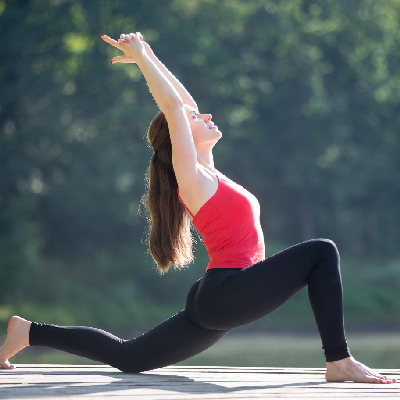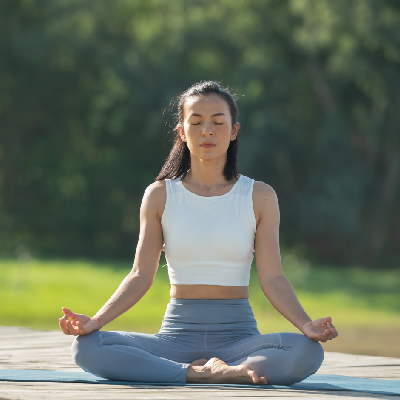


Mental wellbeing is an important part of a healthy and balanced life. Daily responsibilities, work pressure, family commitments, and lack of rest can sometimes leave us feeling stressed or mentally exhausted. Developing simple habits that encourage relaxation and mindfulness can help us take better care of ourselves. Yoga for better mental health combines physical movements, breathing exercises, and mindfulness to support overall wellbeing. Regular yoga practice may help some people manage stress, improve relaxation, and become more aware of their thoughts and emotions.
You do not need to be flexible or have previous experience to begin. A few gentle poses and comfortable breathing exercises can be a good starting point. The key is to practise consistently, listen to your body, and avoid comparing your progress with others.
In this guide, we will explore the benefits of yoga for mental wellness, beginner-friendly poses, breathing techniques, and practical ways to include yoga in your daily routine.
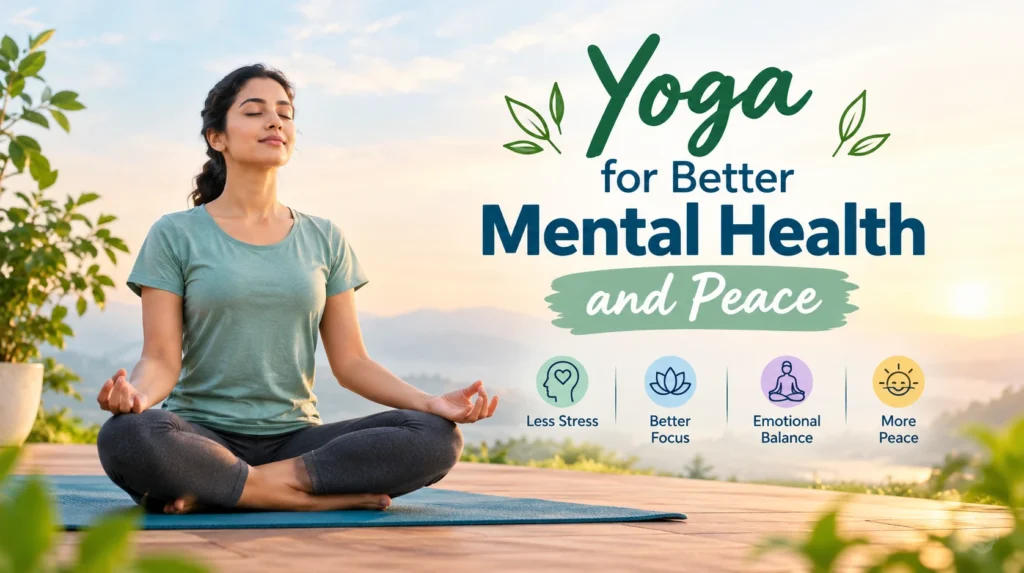
How Yoga for Better Mental Health Supports Emotional Wellbeing?
Yoga combines physical postures, controlled breathing, and focused attention. These practices encourage you to slow down, notice your body’s sensations, and focus on the present moment.
Research suggests that yoga may support stress management and mental wellbeing for some people. However, the results vary, and yoga should not replace professional mental health care.
1. Helps Manage Everyday Stress
Work deadlines, family responsibilities, and daily challenges can make you feel overwhelmed. Stress may also cause physical tension, restlessness, and difficulty relaxing.
Gentle yoga movements and slow breathing provide an opportunity to pause and release some physical tension. Taking a few minutes for yourself may help you approach daily challenges with greater awareness.
You can support stress management by:
- Spending 5 to 10 minutes on gentle stretches.
- Practising comfortable breathing exercises.
- Choosing a quiet place for your session.
- Taking short breaks during a busy day.
- Avoiding the pressure to perform every pose perfectly.
Yoga cannot remove every source of stress, but it may help you develop healthier ways to respond to everyday challenges.
2. Encourages Emotional Awareness
Sometimes, we become so busy with work and family responsibilities that we ignore our emotions. Yoga encourages you to notice your thoughts, feelings, and physical sensations without immediately judging them.
For example, you may notice that your shoulders become tense when you feel worried. Recognising this response gives you an opportunity to pause, relax, and consider what you need.
Emotional awareness does not mean ignoring difficult feelings. It means understanding your experiences and responding to them with patience.
3. Promotes Mindfulness
Mindfulness means paying attention to the present moment without judging every thought or feeling.
During yoga, you can focus on your breathing, the movement of your body, or the way your feet touch the floor. When your mind wanders, gently bring your attention back to the activity.
This practice may help you become more aware of your thoughts and reduce automatic reactions to daily distractions.
4. Supports Relaxation
A demanding day can leave your body feeling tense even after you finish your work. Gentle yoga provides an opportunity to slow down and create a relaxing transition between daily activities and rest.
Try comfortable stretches, shoulder rolls, or a supported resting pose. Keep your movements slow and avoid forcing your body into uncomfortable positions.
Best Yoga Poses for Mental Wellness and Stress Relief
You do not need advanced yoga skills to support your mental wellbeing. Beginner-friendly poses can help you focus on your body, practise mindfulness, and develop a relaxing routine.
1. Balasana (Child’s Pose)
Child’s Pose is a gentle resting position often used between yoga movements.
How to practise:
- Kneel on a comfortable yoga mat.
- Bring your big toes together and keep your knees comfortably apart.
- Slowly lean forward and rest your forehead on a cushion or mat.
- Extend your arms forward or keep them beside your body.
- Breathe naturally for a few comfortable breaths.
This pose provides an opportunity to pause and focus on your breathing. If kneeling or bending forward feels uncomfortable, choose another resting position.
2. Sukhasana (Easy Sitting Pose)
Easy Sitting Pose is useful for breathing exercises and mindfulness practice.
How to practise:
- Sit cross-legged on a mat or folded blanket.
- Keep your back comfortably upright.
- Rest your hands on your thighs.
- Relax your shoulders and jaw.
- Notice your natural breathing.
You can practise for two to five minutes. If sitting on the floor is uncomfortable, use a stable chair with your feet resting on the ground.
3. Tadasana (Mountain Pose)
Mountain Pose is a simple standing posture that encourages body awareness.
How to practise:
- Stand with your feet comfortably apart.
- Distribute your weight evenly between both feet.
- Keep your knees relaxed.
- Let your arms rest naturally beside your body.
- Breathe comfortably and notice the contact between your feet and the floor.
Paying attention to your posture and physical sensations may encourage present-moment awareness.
4. Marjaryasana-Bitilasana (Cat-Cow Pose)
Cat-Cow Pose combines two gentle spinal movements.
How to practise:
- Begin on your hands and knees.
- Place your hands under your shoulders and knees under your hips.
- Breathe in and gently lift your chest.
- Breathe out and round your back comfortably.
- Continue slowly for five to eight rounds.
Coordinating movement with breathing can help you focus on the present activity. Stop if you experience pain or discomfort.
Breathing Exercises for Calmness
Breathing exercises are an important part of yoga. They give you an opportunity to pause, observe your breathing, and bring your attention away from daily distractions.
1. Slow, Comfortable Breathing
Sit comfortably or lie down with suitable support. Relax your shoulders and breathe gently through your nose if comfortable. Allow your breath to leave naturally without forcing it.
Continue for one or two minutes. Avoid holding your breath or taking excessively deep breaths. If you feel light-headed, return to normal breathing and stop the exercise.
2. Mindful Breathing
Mindful breathing involves noticing each breath as it comes and goes.
- Sit in a comfortable position.
- Notice your natural breathing rhythm.
- Observe your thoughts without judging them.
- Gently return your attention to your breath when distracted.
Start with a few minutes and increase the duration only if comfortable. If focusing on your breathing increases anxiety, stop and try another grounding activity.
For more relaxation ideas, explore Yoga Meditation for Better Sleep and Relaxation. This guide complements a mindful yoga routine by discussing practices that may support relaxation and a calmer bedtime routine.
How to Build a Daily Yoga Routine
Consistency is often more practical than trying to complete a long session every day. Choose a routine that fits your work, study, and family responsibilities.
A Simple 15-Minute Beginner Routine
Activity | Duration |
Sit comfortably and settle into the practice | 2 minutes |
Practise gentle breathing | 2 minutes |
Perform Cat-Cow movements | 3 minutes |
Practise Mountain Pose and gentle stretches | 3 minutes |
Rest in a comfortable position | 3 minutes |
Finish with mindful breathing | 2 minutes |
These timings are suggestions, not a requirement. Adjust the routine to suit your comfort and physical ability.
Morning Yoga for a Fresh Start
A gentle morning routine may help you begin the day with greater awareness.
Try these simple habits:
- Wake up at a consistent time when possible.
- Drink water according to your thirst and daily needs.
- Spend a few minutes stretching gently.
- Practise comfortable breathing before checking your phone.
- Set one realistic priority for the day.
Morning yoga does not need to be intense. A few gentle movements can help you establish a regular habit.
Evening Yoga for Relaxation
Evening yoga can help you create a transition between daily responsibilities and bedtime.
Consider gentle stretches, comfortable seated breathing, or a supported resting pose. Reduce stimulating activities before bed and choose movements that help you feel relaxed.
Healthy Lifestyle Habits That Complement Yoga
Yoga can be one part of a healthy lifestyle. Other daily habits also contribute to overall wellbeing.
1. Eat a Balanced Diet
Include a variety of vegetables, fruits, whole grains, protein sources, and healthy fats in your meals. Pulses, beans, dairy products, eggs, nuts, and seeds can be part of a balanced diet, depending on your preferences.
You do not need a strict diet to practise yoga. Focus on balanced meals and avoid following unrealistic health claims.
2. Stay Hydrated
Drinking enough water supports normal body functions. Keep water available during your daily routine and drink according to your thirst, activity level, and environmental conditions.
In hot weather, pay particular attention to fluid intake and avoid demanding yoga sessions in extreme heat.
3. Prioritise Sleep
Sleep plays an important role in mental wellbeing. Poor sleep can make it harder to concentrate, manage stress, and regulate emotions.
Try to maintain regular sleep and waking times, create a comfortable sleeping environment, and reduce stimulating activities before bedtime.
Yoga may support relaxation for some people, but persistent sleep difficulties may require professional advice.
4. Stay Physically Active
Walking, cycling, swimming, and other suitable activities can complement yoga. Choose activities you enjoy and gradually develop a routine that fits your lifestyle.
If you are also interested in physical fitness and weight management, explore Yoga for Weight Loss: Benefits, Poses and Healthy Practice Tips.
What Does Research Say About Yoga and Mental Health?
Research suggests that yoga may help some people manage stress and support aspects of mental wellbeing. However, evidence varies depending on the condition, type of yoga, and study.
The National Center for Complementary and Integrative Health (NCCIH) provides information about the potential benefits, available research, and safety considerations associated with yoga.
Keep these points in mind:
- Yoga may complement a healthy lifestyle.
- People experience different results.
- Yoga should not replace professional mental health care or prescribed treatment.
If you experience persistent sadness, anxiety that interferes with daily life, or difficulty coping with everyday activities, consider speaking with a qualified healthcare professional.
Safety Tips for Beginners
Yoga is generally considered safe for many people when practised appropriately. However, unsuitable poses, excessive stretching, or incorrect technique can cause injuries.
Follow these precautions:
- Start with gentle movements and increase intensity gradually.
- Use a non-slip mat in a safe practice area.
- Never force a stretch or continue through sharp pain.
- Avoid advanced poses and forceful breathing techniques without suitable guidance.
- Consider learning from a qualified yoga instructor.
- Seek professional advice if you have an existing medical condition, injury, or concerns about whether yoga is suitable for you.
Pregnant people should seek advice from a healthcare professional and choose pregnancy-appropriate modifications. People with physical limitations may benefit from adapted poses and additional support.
Frequently Asked Questions
1. Can yoga help improve mental health?
Yoga may support mental wellbeing by encouraging relaxation, mindfulness, and stress management. Some research also suggests benefits for anxiety symptoms, but results vary.
2. Which yoga pose is best for stress relief?
Child’s Pose, Easy Sitting Pose, and gentle Cat-Cow movements are options for beginners. Choose a pose that feels comfortable and adapt it to your physical needs.
3. How long should beginners practise yoga?
Beginners can start with 5 to 10 minutes and gradually increase the duration if comfortable. A short, consistent routine can help establish a healthy habit.
4. Is morning or evening yoga better for mental peace?
Both can be suitable. Morning yoga may help you begin the day mindfully, while gentle evening yoga may help you unwind. Choose a time that fits your schedule.
5. Can yoga replace mental health treatment?
No. Yoga may complement professional care, but it should not replace counselling, prescribed medication, or recommended treatment. Consult a qualified healthcare professional if you have ongoing mental health concerns.
Conclusion
Building a calmer lifestyle does not require major changes overnight. Gentle yoga, mindful breathing, balanced nutrition, regular physical activity, and sufficient sleep can all contribute to overall wellbeing.
Yoga for Better Mental Health offers a practical way to make time for yourself, develop mindfulness, and practise relaxation in your daily routine. Start with a few comfortable movements, listen to your body, and gradually build a routine that works for you.
At GoHealthyPro, our aim is to share accessible health and wellness information that helps readers make informed lifestyle choices.
Disclaimer: This article is for general educational purposes only and does not replace professional medical advice, diagnosis, or treatment. Consult a qualified healthcare professional for personalised guidance, particularly if you have ongoing mental health concerns or an existing medical condition.