
When people think about weight management, they often focus on diet, cardio, or strength training. However, yoga can also be a useful part of an active and balanced lifestyle. Yoga for Weight Loss combines physical movement, controlled breathing, balance, and mindfulness, which can support overall fitness when practised consistently.
Yoga is not simply about holding different postures. Depending on the style and intensity, some yoga sessions can challenge your muscles, improve mobility, and increase physical activity. It can also encourage greater awareness of your body and daily habits.
How Yoga for Weight Loss Can Support a Healthy Lifestyle?
Yoga may contribute to weight management in several ways. More active forms of yoga can increase movement and engage different muscle groups, while slower practices can support relaxation and mindfulness.
It is important to understand that weight loss through yoga is not about finding a single pose that quickly removes body fat. Sustainable weight management generally involves regular physical activity, balanced nutrition, sufficient sleep, and consistent healthy habits.
A regular yoga routine can complement these habits by helping you stay active and develop better body awareness.
Yoga and Fat Loss: What You Should Know
The connection between yoga and fat loss depends on the type of yoga you practise and your overall lifestyle. Faster-paced styles can provide a more physically demanding workout than gentle stretching-based sessions. You can also learn more about the role of physical activity in maintaining overall health through the World Health Organization (WHO).
Yoga may also help you develop a consistent exercise routine. When combined with other forms of physical activity and healthy eating, regular movement can support your overall weight-management goals.
Instead of focusing only on rapid results, consider yoga as a long-term practice that can support strength, flexibility, balance, and mindful living.
Best Yoga Asanas to Include in a Weight-Loss Routine
Different yoga asanas can engage the legs, core, arms, back, and other areas of the body. Beginners should start with basic postures and learn proper form before moving towards more challenging variations.
1. Chair Pose
Chair Pose, also known as Utkatasana, resembles sitting on an imaginary chair. It engages the legs and core while challenging your balance and endurance.
Hold the position for a comfortable duration and gradually increase the time as your strength improves.
2. Boat Pose
Boat Pose, or Paripurna Navasana, focuses strongly on the abdominal muscles. It requires balance and core control and can be included in a broader fitness routine.
Beginners can start with a modified version if holding the full posture feels difficult.
3. Half Moon Pose
Half Moon Pose, or Ardha Chandrasana, challenges balance while engaging the legs and core. It can also encourage better body coordination.
Practise this pose near a wall if you need additional support.
4. Camel Pose
Camel Pose, known as Ustrasana, involves a gentle backbend and stretches the front of the body. Proper alignment is important because the posture can place stress on the back and knees.
Beginners should avoid forcing the backbend and can learn the pose under qualified guidance.
5. Locust Pose
Locust Pose, or Salabhasana, is performed while lying on the stomach and lifting parts of the body from the floor. It can engage the back and leg muscles while developing body control.
Start with a comfortable range of movement instead of trying to lift the body as high as possible.
6. Downward-Facing Dog
Downward-Facing Dog, or Adho Mukha Svanasana, is a commonly practised yoga posture. It involves the arms, shoulders, legs, and core while providing a full-body stretch.
It can be included as part of a flowing yoga sequence.
7. Plank Pose
Plank is a simple but challenging posture that engages multiple muscle groups. It can help develop core stability and upper-body strength.
Hold the position for a comfortable period and maintain proper alignment rather than focusing only on duration.
Can Yoga Help With Weight Management?
Weight loss through yoga works best when yoga forms part of a broader healthy lifestyle. Regular movement can help increase daily physical activity, while mindful practices may encourage greater awareness of eating, stress, and other lifestyle habits.
The goal should not be to depend on yoga alone for weight management. Combining yoga with activities such as walking, strength training, or other suitable exercises can provide a more varied approach to staying active.
For more information about maintaining a consistent yoga routine, read Benefits of Daily Yoga Practice to Enhance Your Health.
How to Add Yoga to Your Weekly Routine?
You do not need to begin with an advanced routine. A simple and consistent approach can make yoga easier to maintain.
Start With Beginner-Friendly Poses
Learn basic postures before attempting advanced movements. Understanding proper alignment can help you practise more safely.
Practise Consistently
Choose a realistic schedule that fits your lifestyle. Consistency is generally more sustainable than doing an intense session occasionally.
Combine Yoga With Other Activities
Yoga can complement walking, cycling, swimming, resistance training, or other forms of physical activity. Combining different activities can help create a balanced fitness routine.
Focus on Your Body
Avoid comparing your flexibility, strength, or progress with another person. Pay attention to how your body responds to each movement.
Include Relaxation and Breathing
Yoga is not only about physical postures. Yoga meditation and controlled breathing can add a mindful element to your routine and may help you relax after physical activity.
Yoga for Weight Loss and Long-Term Wellness
The benefits of yoga extend beyond weight management. Regular practice may help support flexibility, balance, strength, body awareness, and relaxation.
If your goal is yoga and fat loss, focus on building sustainable habits rather than expecting immediate changes. A consistent routine, balanced diet, adequate sleep, and regular physical activity all play important roles in healthy weight management.
For readers looking for more yoga-based wellness information, GoHealthyPro covers topics related to fitness, healthy living, nutrition, and everyday wellness.
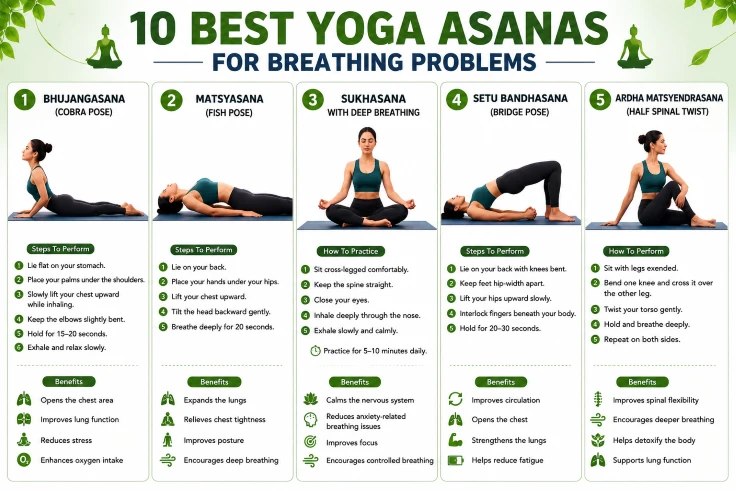
Yoga Poses for Breathing and Overall Fitness
Breathing is an important part of many yoga practices. Learning to coordinate breathing with movement can make your routine more mindful and controlled.
If you want to explore postures that focus on breathing, read 10 Best Yoga Asanas for Breathing Problems. This can help you learn more about incorporating breathing-focused yoga into your wellness routine.
Frequently Asked Questions
Is Yoga for Weight Loss effective?
Yoga can be part of a healthy weight-management routine, particularly when combined with regular physical activity and balanced nutrition. Results vary from person to person.
Which yoga asanas are useful for beginners?
Chair Pose, Downward-Facing Dog, Plank, and other basic postures can be included in a beginner-friendly routine. Start with movements that match your current ability.
How often should I practise yoga for weight management?
Choose a schedule you can maintain consistently. Short, regular sessions may be easier to sustain than occasional long workouts.
Can yoga alone reduce body fat?
Yoga can contribute to physical activity, but healthy weight management involves several factors, including diet, activity levels, sleep, and individual health circumstances.
Can yoga meditation support a weight-loss routine?
Yoga meditation can encourage mindfulness and relaxation. It can complement physical yoga practice as part of a broader healthy lifestyle.
Conclusion
Yoga for Weight Loss can be a useful addition to a balanced fitness routine. Active yoga styles can challenge the body, while traditional postures and mindful practices can support flexibility, strength, balance, and body awareness.
Rather than focusing on quick results, make weight loss through yoga part of a sustainable approach that includes regular movement, nutritious food, sufficient rest, and healthy daily habits. With patience and consistency, yoga can become a practical part of your long-term wellness routine.
Disclaimer: This article is intended for general health awareness and educational purposes only. It does not provide medical advice, diagnosis, or treatment. Please consult a qualified healthcare professional for personalised medical guidance.