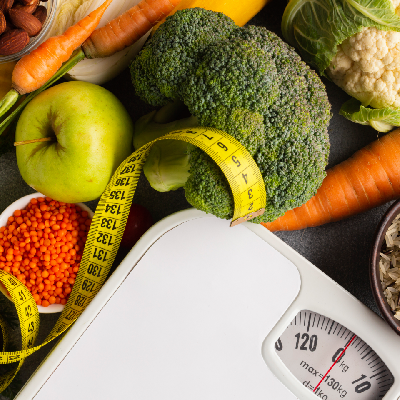


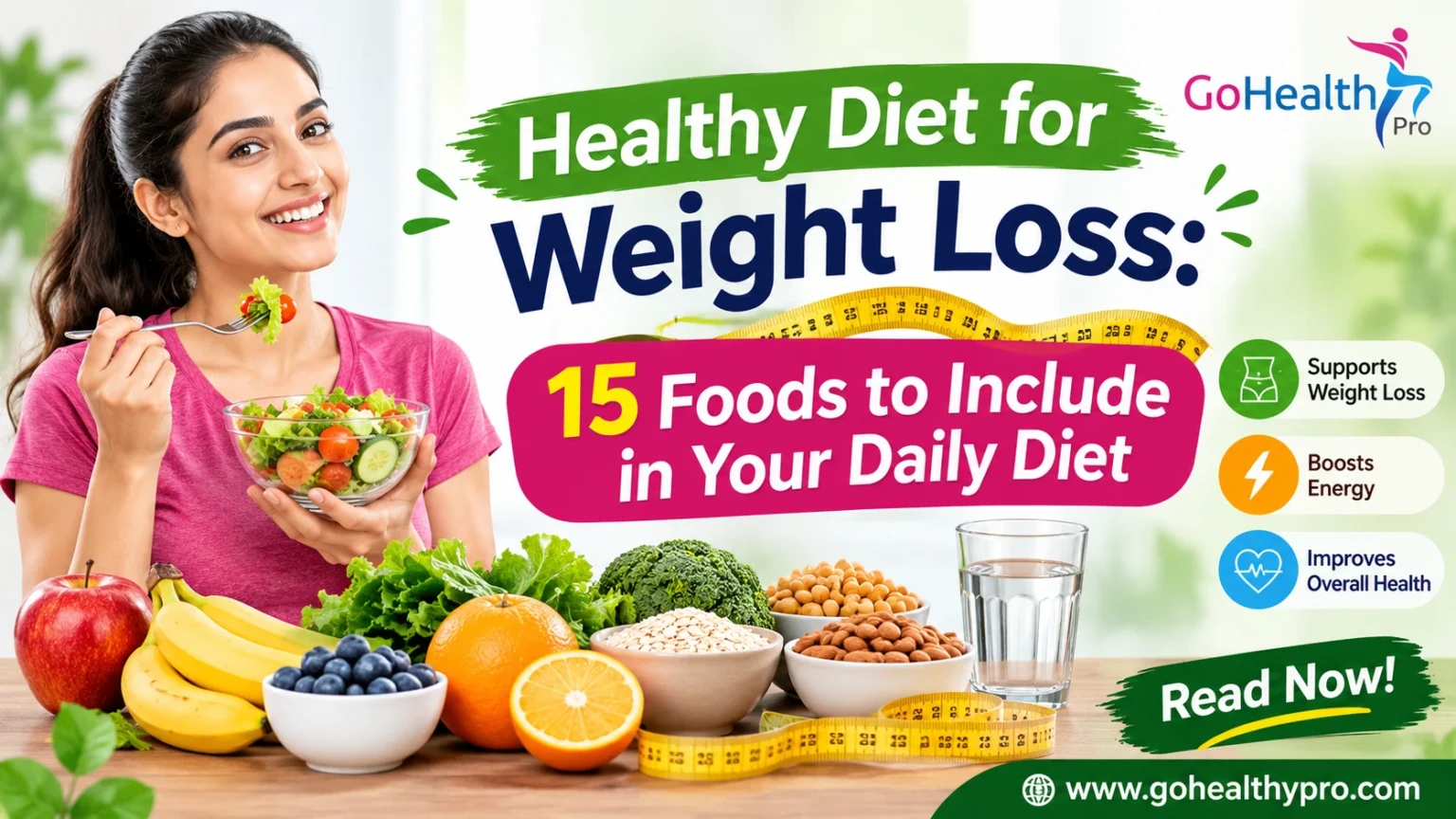
Eating nutritious food is an important part of maintaining good health and managing body weight. Choosing the right foods, following balanced meals and maintaining healthy eating habits can make a positive difference to your lifestyle. A healthy diet for weight loss does not mean skipping meals or avoiding your favourite foods completely. Instead, it focuses on eating a variety of nutritious foods that provide energy, fibre, protein, vitamins and minerals.
For Indian readers, following a balanced diet can be simple because many healthy food options are already available in everyday kitchens. Fruits, vegetables, whole grains, pulses, nuts and dairy products can all become part of a healthy eating routine. The key is to understand portion sizes, choose nutritious ingredients and maintain consistency.
In this guide, we will explore 15 foods that you can include in your daily diet, along with practical meal ideas and useful tips for building healthier eating habits.
Healthy Diet for Weight Loss: Why Is It Important?
A balanced diet provides your body with the nutrients it needs to function properly. When you choose whole foods and control portion sizes, you can build eating habits that support healthy weight management.
A healthy eating routine should include different food groups rather than depending on only one type of food. For example, a balanced Indian meal may include dal, roti, vegetables, curd and salad.
Following a nutritious diet can help you:
- Get essential vitamins and minerals.
- Include more fibre in your meals.
- Support normal digestion.
- Maintain energy throughout the day.
- Support muscle health through adequate protein.
- Develop a healthier relationship with food.
- Maintain consistent eating habits.
Remember that weight management depends on several factors, including food choices, physical activity, sleep, stress and individual health needs.
15 Best Foods to Include in Your Daily Diet for Weight Loss
You do not need expensive ingredients or complicated recipes to eat healthily. Many affordable Indian foods provide important nutrients and can be included in everyday meals.
Here are 15 nutritious foods to consider.
1. Apples
Apples are a convenient fruit that provides dietary fibre, water and natural sweetness. Their fibre content can help you feel satisfied when included as part of a balanced meal or snack.
You can enjoy apples in different ways:
- Eat one whole apple as a morning or evening snack.
- Add chopped apple to plain yoghurt.
- Combine apple slices with a small portion of nuts.
- Add apple pieces to a homemade fruit bowl.
Choose whole apples instead of relying on packaged apple juice, which may contain less fibre.
2. Bananas
Bananas are easily available in India and provide carbohydrates, potassium and vitamin B6. They can be a useful source of energy, especially before physical activity.
You can include bananas in your daily routine by:
- Eating one banana as a snack.
- Adding banana slices to oats.
- Mixing banana with plain curd.
- Using mashed banana in homemade breakfast recipes.
Pay attention to portion sizes and combine bananas with other nutritious foods for a balanced meal.
3. Papaya
Papaya is a water-rich fruit that provides fibre and vitamin C. It is easy to prepare and works well as a breakfast addition or light snack.
Some simple ways to enjoy papaya include:
- Eating fresh papaya pieces in the morning.
- Adding papaya to a mixed fruit bowl.
- Combining it with plain yoghurt.
- Enjoying it as an afternoon snack.
Choose fresh papaya rather than sweetened packaged fruit products.
4. Spinach
Spinach is a nutritious green leafy vegetable that provides fibre, folate, iron and vitamins. It can add variety and important nutrients to everyday meals.
Try including spinach through:
- Palak dal.
- Homemade spinach sabzi.
- Spinach added to vegetable soup.
- Spinach and paneer curry.
- Spinach mixed into whole-wheat parathas.
Use moderate amounts of oil while preparing spinach dishes to maintain a balanced meal.
5. Broccoli
Broccoli contains fibre, vitamin C and other useful nutrients. Its crunchy texture makes it a good addition to different meals.
You can prepare broccoli by:
- Steaming it as a side dish.
- Adding it to vegetable stir-fries.
- Mixing it into homemade soup.
- Combining it with other vegetables.
If broccoli is not easily available in your area, you can use seasonal vegetables such as cauliflower, cabbage or beans.
6. Cucumber
Cucumber contains a high amount of water and provides a refreshing addition to meals. It is also easy to include without complicated preparation.
Some simple ideas include:
- Eating cucumber slices with lunch.
- Preparing cucumber and tomato salad.
- Adding cucumber to homemade raita.
- Including it in vegetable sandwiches.
Cucumber can help add variety and water-rich foods to your meals.
7. Oats
Oats are a whole grain that provides fibre and carbohydrates. They are a convenient breakfast option and can be prepared in both sweet and savoury forms.
Try these healthy options:
- Vegetable oats with carrots and peas.
- Oats porridge with milk.
- Oats mixed with plain yoghurt.
- Homemade oats chilla.
Choose plain oats instead of flavoured varieties that may contain added sugar.
8. Brown Rice
Brown rice is a whole grain that contains fibre and several nutrients. It can be an alternative to white rice for people who enjoy rice-based meals.
You can include brown rice in your meals by:
- Serving it with dal and vegetables.
- Preparing homemade vegetable rice.
- Combining it with rajma or chole.
- Adding a portion to a balanced lunch bowl.
Both white and brown rice can fit into a healthy diet. Your portion size and overall meal balance matter.
9. Whole Wheat Roti
Whole wheat roti is a common part of Indian meals. It provides carbohydrates and some dietary fibre, making it a practical option for everyday eating.
You can make your meals more balanced by pairing roti with:
- Dal or beans.
- Seasonal vegetables.
- Plain curd.
- Fresh salad.
- Protein-rich foods such as paneer.
Choose whole wheat flour and avoid adding excessive oil or ghee during preparation.
10. Dal and Lentils
Dal and lentils are important sources of plant-based protein, fibre and other nutrients. They are affordable, versatile and widely used in Indian cooking.
Some options include:
- Moong dal.
- Masoor dal.
- Toor dal.
- Chana dal.
- Mixed lentils.
Include dal with roti, rice or vegetables to create a satisfying meal. Use moderate amounts of oil and salt while cooking.
11. Chickpeas (Chana)
Chickpeas are rich in plant-based protein and fibre. They can be included in breakfast, lunch, dinner or snacks.
Here are some easy ideas:
- Homemade chana salad.
- Boiled chickpeas with vegetables.
- Chana masala with whole wheat roti.
- Homemade hummus with vegetable sticks.
Avoid depending on deep-fried chickpea snacks regularly. Boiled or lightly cooked chickpeas are practical everyday options.
12. Eggs
Eggs provide high-quality protein and several important nutrients. They are also easy to prepare and can be included in different meals.
You can enjoy eggs as:
- Boiled eggs.
- Vegetable omelettes.
- Egg bhurji.
- Eggs served with whole wheat toast.
- Eggs added to a balanced breakfast.
People who do not eat eggs can choose alternatives such as paneer, tofu, dal or chickpeas.
13. Paneer
Paneer is a popular Indian food that provides protein and calcium. It can be a useful part of a balanced vegetarian diet.
Try these preparation methods:
- Homemade paneer bhurji.
- Paneer and vegetable stir-fry.
- Grilled paneer with salad.
- Lightly cooked paneer curry.
Choose suitable portions and avoid using excessive cream, butter or oil in paneer dishes.
14. Almonds and Walnuts
Almonds and walnuts contain healthy fats, fibre and other nutrients. They are energy-dense foods, so portion control is important.
You can include them by:
- Eating a small handful as a snack.
- Adding chopped nuts to oats.
- Mixing them into plain yoghurt.
- Including them in homemade salads.
Choose unsalted nuts where possible and avoid varieties covered with excess sugar or salt.
15. Plain Curd
Plain curd is a familiar Indian food that provides protein, calcium and other nutrients. Depending on the type, it may also contain live cultures that support gut health.
You can include curd in your meals through:
- Plain curd with lunch.
- Homemade vegetable raita.
- Curd mixed with oats.
- A bowl of plain curd with fruit.
Choose unsweetened curd rather than flavoured products with added sugar.
Benefits of Following a Balanced Weight Loss Diet
A healthy eating routine is not only about body weight. It also helps you provide your body with a variety of nutrients needed for everyday activities.
Some important benefits include:
1. Supports Better Nutritional Balance
Eating fruits, vegetables, whole grains and protein-rich foods helps provide a wider range of essential nutrients.
2. Helps Maintain Energy
Balanced meals containing carbohydrates, protein and healthy fats can provide energy throughout the day.
3. Supports Digestive Health
Fibre-rich foods such as vegetables, fruits, oats and pulses support normal digestion and help maintain regular bowel movements.
4. Supports Muscle Health
Protein sources such as eggs, paneer, dal and chickpeas help the body maintain and repair muscle tissue.
5. Encourages Healthy Eating Habits
Planning meals and choosing nutritious snacks can help you develop a more consistent eating routine.
For more information about healthy eating recommendations, read the World Health Organization’s guide to a healthy diet.
How to Create a Healthy Indian Meal Plan
You do not need a complicated meal plan to start eating better. Focus on combining different food groups and selecting suitable portions according to your needs.
Here are some practical meal ideas.
Healthy Breakfast Ideas
Breakfast can provide energy and help you start your day with nutritious food.
Consider these options:
- Vegetable oats with curd.
- Moong dal chilla with plain curd.
- Boiled eggs with whole wheat toast.
- Vegetable poha with peanuts.
- Fruit with plain yoghurt and a few nuts.
Healthy Lunch Ideas
Lunch should include a combination of carbohydrates, protein and vegetables.
Some options are:
- Two whole wheat rotis with dal and seasonal sabzi.
- Brown rice with rajma and cucumber salad.
- Roti with paneer bhurji and curd.
- Vegetable khichdi with plain yoghurt.
- Chana with roti and fresh salad.
Healthy Dinner Ideas
Choose a balanced dinner that suits your appetite and daily routine.
You can try:
- Moong dal khichdi with vegetables.
- Roti with mixed vegetable sabzi and dal.
- Paneer and vegetable stir-fry.
- Vegetable soup with a protein-rich side.
- Dal with a suitable portion of rice and salad.
These are general meal ideas, not a personalised diet plan. Individual nutritional requirements vary.
Importance of Portion Control and Mindful Eating
Even nutritious foods should be eaten in suitable quantities. Portion control helps you understand how much food your body needs.
Follow these simple habits:
- Use a regular-sized plate for meals.
- Include vegetables in your lunch and dinner.
- Eat slowly and pay attention to hunger signals.
- Avoid eating directly from large snack packets.
- Take smaller servings first and eat more if you are still hungry.
- Avoid distractions while eating whenever possible.
Mindful eating can help you become more aware of your food choices and eating habits.
Foods and Eating Habits to Limit
You do not need to completely avoid your favourite foods. However, eating certain foods too frequently may make it harder to maintain a balanced diet.
Consider limiting:
- Sugary soft drinks and packaged juices.
- Deep-fried snacks.
- Excessively sweet desserts.
- Packaged foods high in salt.
- Bakery products with high amounts of added sugar.
- Frequent fast-food meals.
- Large portions of highly processed snacks.
Instead, choose homemade meals more often and include fresh ingredients whenever possible.
Common Weight Loss Diet Mistakes to Avoid
Many people make unnecessary changes when starting a new eating routine. Some habits may be difficult to maintain and can affect nutritional balance.
Avoid these common mistakes:
1. Skipping Meals
Skipping meals is not necessary for healthy weight management. It may also leave you feeling very hungry later in the day.
2. Following Extreme Diets
Very restrictive diets can make it difficult to get enough nutrients. Choose balanced meals instead of following extreme food restrictions.
3. Avoiding All Carbohydrates
Carbohydrates are an important source of energy. Whole grains, fruits and vegetables can all be part of a healthy eating routine.
4. Ignoring Protein
Include suitable protein sources such as dal, eggs, paneer, beans, chickpeas or tofu in your meals.
5. Depending on Packaged Diet Foods
You do not need expensive diet products to eat healthily. Regular homemade meals can provide a variety of nutrients.
6. Expecting Immediate Results
Healthy habits take time to develop. Focus on consistency and overall wellbeing rather than expecting quick changes.
Tips for Maintaining Healthy Eating Habits
Building a healthy diet becomes easier when you make small changes that fit your everyday routine.
Follow these practical tips:
- Plan your meals before the start of the week.
- Keep seasonal fruits and vegetables at home.
- Include protein in your main meals.
- Choose whole grains more often.
- Drink water regularly throughout the day.
- Prepare homemade snacks when possible.
- Eat meals at regular times that suit your routine.
- Practise portion awareness.
- Enjoy your favourite foods in moderation.
- Combine balanced eating with regular physical activity.
You can also explore our guide on [10 Powerful Weight Loss Diet That Actually Work Fast] and learn more through [7 Days Diet Plan for Weight Loss: A Healthy Meal Guide].
These related guides can provide additional ideas for planning meals and developing healthier food habits.
How to Stay Consistent With Your Daily Diet
Consistency is more useful than following a strict eating routine for only a few days. Start with small changes and gradually build habits that you can maintain.
For example:
- Replace sugary drinks with water more often.
- Add one serving of vegetables to your lunch.
- Choose fruit instead of packaged sweets for some snacks.
- Include dal, eggs or paneer as protein sources.
- Prepare meals at home more frequently.
- Keep healthy snacks available when you feel hungry.
You do not need to make every change at once. Start with habits that are realistic for your lifestyle and adjust them gradually.
Frequently Asked Questions (FAQs)
What Is the Best Healthy Diet for Weight Loss?
The best diet is a balanced eating routine that includes vegetables, fruits, whole grains, pulses, protein-rich foods and healthy fats. It should also provide enough energy and nutrients to meet your individual needs.
Which 15 Foods Are Good to Include in a Weight Loss Diet?
Apples, bananas, papaya, spinach, broccoli, cucumber, oats, brown rice, whole wheat roti, dal, chickpeas, eggs, paneer, almonds and walnuts are nutritious options to consider as part of a balanced diet.
Can I Lose Weight by Eating Healthy Indian Food?
Indian meals can support healthy weight management when they include suitable portions of vegetables, whole grains, pulses and protein-rich foods. You can enjoy familiar foods such as dal, roti, sabzi, curd and rice while paying attention to overall meal balance.
What Should I Eat for Breakfast, Lunch and Dinner to Support Weight Management?
For breakfast, you can choose vegetable oats, moong dal chilla or eggs. For lunch, try roti with dal and sabzi or rice with rajma. For dinner, consider vegetable khichdi, paneer with vegetables or dal with roti. Adjust portions according to your nutritional needs.
How Can I Maintain a Balanced Diet Every Day?
Plan your meals, include different food groups, drink enough water and choose nutritious snacks. Focus on regular eating habits and avoid extreme dietary restrictions.
Conclusion
Following a balanced eating routine is an important part of maintaining overall health and supporting healthy weight management. Including nutritious foods such as fruits, vegetables, whole grains, pulses, eggs, paneer and nuts can help you create satisfying everyday meals. Portion control, mindful eating and regular physical activity can also support a healthier lifestyle.
Remember that there is no single food or diet that works the same way for everyone. Choose meals that suit your preferences, nutritional needs and daily routine. Make gradual changes and focus on habits that you can maintain over time.
At GoHealthyPro, we share simple and practical health and wellness information to help readers make informed lifestyle choices. Explore more of our nutrition and healthy living guides to take positive steps towards a balanced and healthier lifestyle.
Disclaimer: This article is for general educational purposes only and does not replace personalised nutrition advice. Individual dietary needs can vary based on age, activity level and health conditions. Consult a qualified healthcare professional or registered dietitian before making major dietary changes, especially if you have an existing health condition or specific nutritional requirements.