Losing weight is not just about eating less. It also involves making balanced food choices, maintaining healthy daily habits, and following a sustainable eating routine. Choosing the right weight loss diet plan can help you manage your food intake while getting essential nutrients.
Many eating patterns focus on whole foods, vegetables, fruits, whole grains, and protein-rich foods. However, no single diet works the same way for everyone. Factors such as lifestyle, food preferences, activity levels, and individual nutritional needs can influence your results.
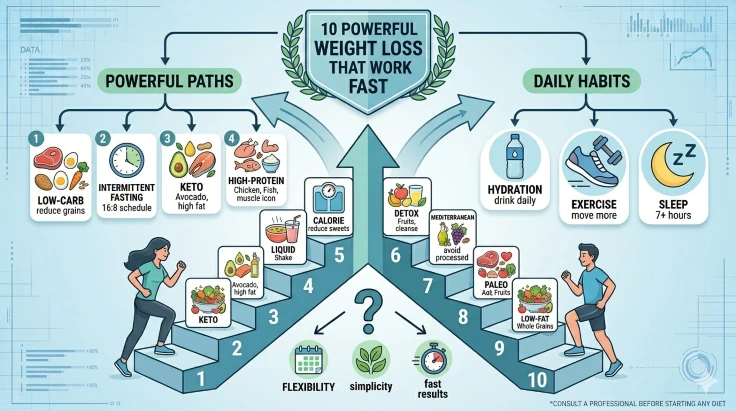
In this guide, GoHealthyPro explores 10 popular diet plans, along with daily habits and practical tips that can support healthy weight management. These approaches focus on general nutrition information rather than promising rapid weight loss.
10 Powerful Weight Loss Diet Plans to Explore
Different eating patterns offer different ways to organise meals and make food choices. Here are 10 commonly discussed approaches.
1. Mediterranean Diet
The Mediterranean diet focuses on vegetables, fruits, whole grains, legumes, nuts, olive oil, and moderate amounts of fish and other protein sources.
Key features:
- Includes plenty of plant-based foods.
- Uses olive oil as a primary fat source.
- Limits highly processed foods.
- Encourages balanced and varied meals.
This eating pattern may support weight management when combined with suitable portions and regular physical activity.
2. High-Protein Diet
A high-protein diet includes protein-rich foods such as eggs, lentils, beans, dairy products, tofu, fish, and lean meats.
Key features:
- Includes protein in meals.
- May help increase feelings of fullness.
- Supports muscle maintenance alongside physical activity.
- Can reduce the tendency to rely on low-nutrient snacks.
The amount of protein needed varies from person to person. A balanced approach is more useful than consuming excessive protein.
3. Low-Carbohydrate Diet
Low-carbohydrate diets reduce the intake of foods such as bread, rice, sugary drinks, and certain starchy foods while including protein, healthy fats, and non-starchy vegetables.
Key features:
- Reduces carbohydrate intake.
- Emphasises protein and healthy fat sources.
- Encourages lower-sugar food choices.
- May help some people manage their overall food intake.
Not all carbohydrates are unhealthy. Whole grains, fruits, and legumes provide important nutrients and can be part of a balanced diet.
4. DASH Diet
The DASH diet, or Dietary Approaches to Stop Hypertension, is designed to encourage healthy eating habits, particularly for blood pressure management. It can also support weight management when meals and portions suit individual needs.
Key features:
- Emphasises vegetables and fruits.
- Includes whole grains and low-fat dairy.
- Encourages beans, nuts, and lean protein.
- Limits sodium and foods high in saturated fat.
The DASH approach is a structured way to improve overall food quality rather than a rapid weight-loss programme.
5. Plant-Based Diet
A plant-based diet focuses on foods such as vegetables, fruits, whole grains, beans, lentils, nuts, and seeds. Some versions include dairy products and eggs, while others exclude all animal products.
Key features:
- Provides fibre from plant foods.
- Includes a variety of vitamins and minerals.
- Encourages whole and minimally processed foods.
- Offers several options for vegetarian meals.
Balanced plant-based eating can support overall health. People following fully vegan diets should pay attention to nutrients such as vitamin B12.
6. Intermittent Fasting
Intermittent fasting involves alternating periods of eating and fasting. Common approaches include eating within a set daily time window or following specific fasting days.
Key features:
- Organises eating around specific time windows.
- May help some people reduce overall food intake.
- Does not prescribe one specific food list.
- Requires attention to meal quality and hydration.
Intermittent fasting is not suitable for everyone. People who are pregnant, have a history of eating disorders, or have certain medical conditions should seek professional advice before considering fasting.
7. Flexitarian Diet
The flexitarian diet is a flexible eating pattern that prioritises plant-based foods while allowing occasional meat, fish, eggs, and dairy.
Key features:
- Focuses on vegetables, fruits, and legumes.
- Encourages reducing frequent meat consumption.
- Allows flexibility in food choices.
- Includes a variety of protein sources.
Its flexible nature can make it easier for some people to maintain balanced eating habits over time.
8. Whole-Food Diet
A whole-food diet focuses on foods that are minimally processed, such as fresh produce, whole grains, legumes, nuts, seeds, and basic protein sources.
Key features:
- Encourages less reliance on ultra-processed foods.
- Includes naturally fibre-rich ingredients.
- Promotes variety in everyday meals.
- Makes food quality a central priority.
This approach can be adapted to different cuisines and food preferences, including traditional Indian meals.
9. Portion-Controlled Diet
A portion-controlled diet focuses on the amount of food eaten at each meal rather than eliminating entire food groups.
Key features:
- Encourages awareness of serving sizes.
- Includes different food groups in balanced proportions.
- Helps people recognise eating patterns.
- Allows flexibility with familiar foods.
Using a balanced plate as a visual guide can make portion awareness easier without requiring constant calorie counting.
10. Traditional Indian Balanced Diet
A traditional Indian balanced diet can include a variety of familiar foods, such as dal, roti, vegetables, curd, rice, fruits, and seasonal ingredients.
Key features:
- Includes locally available foods.
- Combines carbohydrates, protein, and fibre.
- Can be adapted for vegetarian and non-vegetarian preferences.
- Supports variety and cultural food preferences.
A balanced Indian diet does not require avoiding rice or roti completely. Food quality, portions, preparation methods, and overall eating patterns matter.
For additional meal ideas, explore our Diet Plans category.
Best Daily Habits to Boost Your Diet Results
Following a particular diet is only one part of maintaining healthy eating habits. Everyday routines, physical activity, sleep, and hydration also contribute to overall well-being.
1. Start Your Day with a Balanced Breakfast
Include a combination of protein, fibre, and carbohydrates in your breakfast. Options such as vegetable poha with curd, oats with fruit, or eggs with whole-grain toast can provide a variety of nutrients.
2. Drink Enough Water
Water supports several important body functions. Keep water accessible throughout the day and drink regularly according to your needs, activity, and weather conditions.
3. Include More Fruits and Vegetables
Add seasonal fruits and vegetables to your daily meals. They provide fibre, vitamins, minerals, and other essential nutrients. The
World Health Organization’s healthy diet guide
explains the importance of dietary variety and balanced food choices.
4. Stay Physically Active
Regular movement can support overall fitness and weight management. Walking, cycling, dancing, swimming, and other activities can be included according to personal preferences and physical ability.
5. Maintain a Consistent Sleep Routine
Adequate sleep is an important part of general wellness. Try to maintain regular sleeping and waking times and develop a relaxing bedtime routine.
6. Practise Mindful Eating
Eat slowly, pay attention to hunger and fullness cues, and avoid distractions during meals when possible. This can help you become more aware of your eating habits.
Tips to Make Any Weight Loss Diet More Effective
Different eating patterns can be adapted to support healthy food choices. These practical tips can help make a diet easier to maintain.
- Set realistic goals: Focus on gradual lifestyle changes rather than expecting immediate results.
- Plan your meals: Prepare a simple weekly meal plan that includes different food groups.
- Choose nutritious snacks: Include options such as fruit, roasted chana, nuts, or plain yogurt.
- Reduce added sugar: Limit frequent consumption of sugary drinks, sweets, and highly sweetened packaged foods.
- Avoid extreme restrictions: Cutting out entire food groups without a nutritional reason can make it harder to meet your needs.
- Monitor your habits: Keep track of meal patterns, activity, sleep, and other routines if it helps you understand your progress.
- Stay consistent: Build habits that fit your lifestyle instead of following short-term restrictive plans.
You can also explore our Diet Plan for Weight Loss and Weight Management Tips for more general information about balanced eating and healthy routines.
Common Mistakes to Avoid When Following a Weight Loss Diet
Some eating habits may make it difficult to maintain a balanced routine.
- Skipping meals unnecessarily: This may lead to increased hunger or make it harder to meet nutritional needs.
- Following restrictive fad diets: Very limited eating patterns may lack essential nutrients and can be difficult to sustain.
- Expecting fast results: Body weight can change for many reasons, and progress varies between individuals.
- Ignoring portion sizes: Even nutrient-rich foods can contribute to excessive energy intake when consumed in large quantities.
- Relying on detox products: Detox teas, drinks, and supplements are not necessary for maintaining a healthy diet.
- Comparing progress with others: Eating needs, activity levels, and individual circumstances differ.
Conclusion
There are several eating patterns that can support healthy food choices, including the Mediterranean diet, DASH diet, plant-based diet, and traditional Indian balanced diet. Each has different features, and no single approach is suitable for everyone.
A balanced eating routine, regular physical activity, adequate sleep, and consistent habits can contribute to long-term well-being. Rather than focusing on rapid weight loss, choose sustainable food habits that meet your nutritional needs.
GoHealthyPro provides general nutrition and wellness information to help readers understand different eating patterns and make informed food choices.
Frequently Asked Questions
1. Which diet is commonly used for weight management?
Mediterranean, DASH, plant-based, and portion-controlled eating patterns are among the approaches commonly discussed for weight management. Their suitability depends on individual needs and preferences.
2. Can an Indian diet support weight management?
Yes. A balanced Indian diet can include dal, vegetables, roti, rice, curd, fruits, and other nutritious foods. Portion sizes and meal variety are important considerations.
3. Is a low-carb diet necessary for weight loss?
No. Low-carbohydrate eating is one possible approach, but it is not necessary for everyone. Whole grains, fruits, and legumes can all be part of a balanced diet.
4. What daily habits can support a healthy diet?
Eating balanced meals, drinking enough water, staying active, getting adequate sleep, and practising mindful eating are useful everyday habits.
5. Do weight loss diets work quickly?
Results vary depending on individual circumstances, eating habits, activity levels, and other factors. Diets that promise very rapid results may involve restrictive practices and should be approached cautiously.
Disclaimer: This article is intended for general health awareness and educational purposes only. It does not provide personalised dietary advice, diagnose medical conditions, or replace guidance from a qualified healthcare professional. People with medical conditions or specific nutritional needs should consult an appropriate professional before making major dietary changes.
Which diet is commonly used for weight management?
Mediterranean, DASH, plant-based, and portion-controlled eating patterns are among the approaches commonly discussed for weight management. Their suitability depends on individual needs and preferences.
Can an Indian diet support weight management?
Yes. A balanced Indian diet can include dal, vegetables, roti, rice, curd, fruits, and other nutritious foods. Portion sizes and meal variety are important considerations.
Is a low-carb diet necessary for weight loss?
No. Low-carbohydrate eating is one possible approach, but it is not necessary for everyone. Whole grains, fruits, and legumes can all be part of a balanced diet.
What daily habits can support a healthy diet?
Eating balanced meals, drinking enough water, staying active, getting adequate sleep, and practising mindful eating are useful everyday habits.
Do weight loss diets work quickly?
Results vary depending on individual circumstances, eating habits, activity levels, and other factors. Diets that promise very rapid results may involve restrictive practices and should be approached cautiously.
Disclaimer: This article is intended for general health awareness and educational purposes only. It does not provide personalised dietary advice, diagnose medical conditions, or replace guidance from a qualified healthcare professional. People with medical conditions or specific nutritional needs should consult an appropriate professional before making major dietary changes.