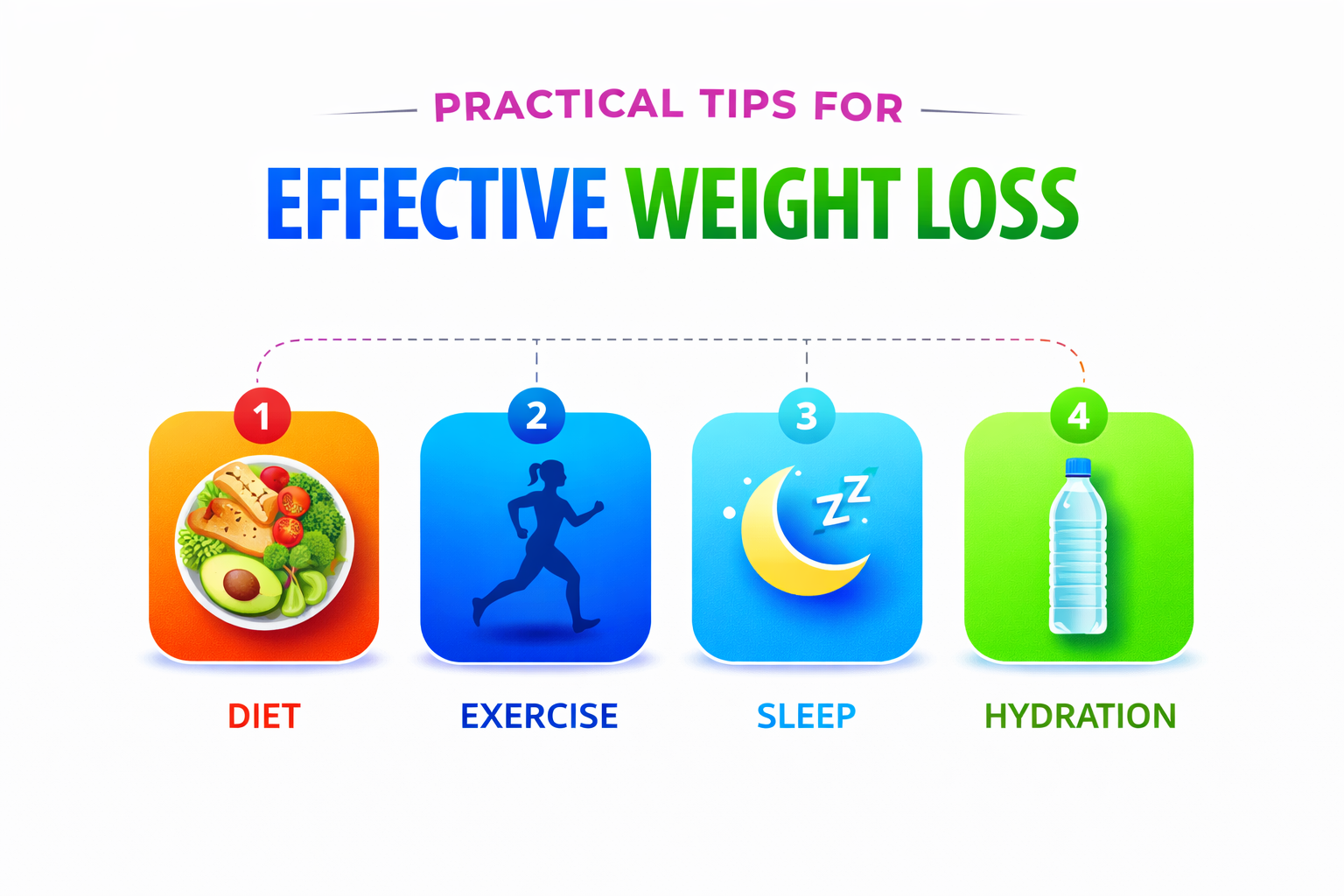
Healthy weight management can look different for different people. Factors such as age, activity level, sleep, stress, medications, health conditions, food preferences, and daily routine can influence weight. For many people, weight loss involves developing healthier eating patterns, staying physically active, getting adequate sleep, and making realistic lifestyle changes that can be maintained over time.
This complete guide explains practical weight management tips, healthy eating habits, physical activity, hydration, sleep, and other lifestyle choices that can support a balanced approach to weight loss.
Weight loss is not simply about eating less or following a strict diet for a few weeks. A sustainable approach focuses on nourishing the body, understanding portion sizes, choosing balanced foods, and building healthy habits rather than depending on quick-fix diets or unrealistic promises.
Understanding Weight Loss and Healthy Weight Management
Weight loss generally refers to a reduction in body weight. For some people, it may be a health goal, while others may focus on maintaining their current weight and improving their overall lifestyle.
Weight can change because of many factors. Food intake and physical activity are important, but they are not the only influences. Sleep, stress, age, medications, hormones, genetics, environment, and certain health conditions can also affect weight management.
This is why comparing your progress with another person may not provide a useful picture. A routine that works well for one person may not suit another person’s lifestyle or nutritional needs.
A healthy approach to weight loss should focus on habits that are realistic and sustainable. Instead of looking for one food or exercise that promises fast results, consider how several small habits can work together.
How to Approach Weight Loss in a Healthy Way?
A balanced approach to weight loss can include:
- Eating a variety of nutritious foods
- Paying attention to portions
- Including protein and fibre in meals
- Drinking enough fluids
- Staying physically active
- Getting adequate sleep
- Managing everyday stress
- Planning meals and snacks
- Limiting highly processed foods and excess added sugars
- Setting realistic and achievable goals
The purpose is not to create a perfect routine. It is to develop habits that you can continue even when your schedule becomes busy.
The Centers for Disease Control and Prevention notes that healthy weight management involves healthy eating, physical activity, adequate sleep, and stress management
Balanced Nutrition for Weight Loss
Food plays an important role in weight management. A balanced eating pattern can provide the nutrients your body needs while helping you make practical choices about portions and food quality.
Rather than completely removing carbohydrates, fats, or other food groups, aim for variety. A healthy eating pattern can include vegetables, fruits, whole grains, protein foods, dairy or suitable alternatives, and healthy fats.
For more ideas on nutritious foods that can fit into a balanced approach, read 14 Fat Burning Foods for Weight Loss and Management on GoHealthyPro.
The CDC healthy eating guidance also highlights the importance of making healthy food choices as part of an overall healthy lifestyle.
Build Balanced Meals
A simple meal can include several food groups.
For example:
- Protein: Dal, beans, chickpeas, eggs, fish, chicken, paneer, yoghurt, nuts or seeds
- Vegetables: Spinach, carrots, beans, cauliflower, cucumber, tomatoes or other seasonal vegetables
- Whole grains: Oats, brown rice, whole-wheat roti or other whole-grain options
- Healthy fats: Nuts, seeds or small amounts of suitable cooking oils
- Fruit: Apple, orange, guava, berries, papaya or other seasonal choices
You do not need to make every meal complicated. Simple home-cooked meals can fit into a healthy eating routine.
Portion Awareness and Meal Planning
Portion awareness is another useful part of weight management. Even nutritious foods can contribute a large amount of energy when eaten in very large portions.
This does not mean that you need to measure every food forever. Instead, learn to recognise comfortable portions and pay attention to hunger and fullness.
Practical Portion Tips
Try these simple habits:
- Serve meals on a regular-sized plate.
- Add vegetables to lunch and dinner.
- Avoid eating directly from large packets.
- Serve snacks into a small bowl instead of eating from the packet.
- Eat slowly and give yourself time to notice fullness.
- Plan meals before becoming extremely hungry.
- Keep nutritious snacks available at home and work.
Meal planning can also reduce last-minute choices. Preparing ingredients such as chopped vegetables, boiled eggs, cooked dal, or whole grains in advance can make balanced meals easier during busy days.
Planning meals at home can help people make healthier choices and reduce dependence on less nutritious convenience foods.
How Protein and Fibre Can Support Fullness?
Protein and fibre are important parts of a balanced eating pattern.
Protein is found in foods such as eggs, dairy products, fish, chicken, lentils, beans, chickpeas, soy foods, nuts, and seeds. Including a protein source in meals can make meals more satisfying.
Fibre is found in foods such as vegetables, fruits, whole grains, beans, lentils, peas, nuts, and seeds. Fibre-rich foods can add volume and support fullness as part of a balanced diet.
Protein and Fibre Meal Ideas
You could combine:
- Oats with yoghurt and fruit
- Dal with vegetables and roti
- Chickpea salad with vegetables
- Eggs with whole-grain toast and vegetables
- Grilled fish with vegetables and brown rice
- Paneer with mixed vegetables
- Yoghurt with fruit and seeds
These combinations can make everyday meals more balanced without requiring complicated recipes.
Weight Management Tips for Everyday Meals
Small changes can make healthy eating easier.
Some practical weight management tips include:
- Start meals with nutritious foods rather than highly processed snacks.
- Keep fruit visible and easy to reach.
- Include vegetables in lunch and dinner.
- Choose whole grains more often.
- Add protein to breakfast.
- Keep sugary drinks for occasional use rather than making them an everyday habit.
- Plan snacks before leaving home.
- Pay attention to portion sizes when eating outside.
- Eat meals without rushing whenever possible.
- Keep a regular eating routine that suits your daily schedule.
These habits are not strict rules. They are simple ways to create a more supportive food environment.
Hydration and Weight Management
Water is essential for normal body functions, and staying hydrated is an important part of a healthy lifestyle.
People may sometimes confuse thirst with hunger. Drinking water regularly can help maintain hydration, while choosing water instead of sugary drinks can also reduce the amount of added sugar and calories consumed from beverages.
The CDC notes that replacing sugary drinks with plain water can help reduce calorie intake.
Simple Hydration Habits
Try:
- Carrying a reusable water bottle.
- Drinking water with meals.
- Keeping water available at your desk.
- Choosing water after physical activity.
- Adding lemon, mint or fruit pieces for flavour if preferred.
- Limiting frequent consumption of sugary beverages.
Your hydration needs can vary based on factors such as activity, weather, age, and individual circumstances.
Safe and Practical Physical Activity
Physical activity can support overall health and healthy weight management. You do not necessarily need an intense gym routine to become more active.
Walking, cycling, swimming, dancing, yoga, recreational sports, household activities, and strength exercises can all contribute to an active lifestyle.
For adults, current CDC guidance recommends at least 150 minutes of moderate-intensity aerobic activity each week, along with muscle-strengthening activities on at least two days each week. Individual needs can vary.
Easy Ways to Move More
You can:
- Take a brisk walk in the morning or evening.
- Use short walking breaks during work.
- Take stairs when practical.
- Dance at home.
- Cycle for recreation.
- Try beginner-friendly strength exercises.
- Stretch after long periods of sitting.
- Walk while speaking on the phone.
If you are currently inactive, start gradually rather than trying to do too much at once.
Sleep and Weight Management
Sleep is another important part of a healthy lifestyle. A busy routine may make sleep seem less important, but regular rest can support overall wellbeing and help maintain a consistent daily routine.
Poor sleep can also make healthy habits harder to maintain. You may feel tired, have less motivation to exercise, or find it more difficult to follow your usual meal routine.
Better Sleep Habits
Consider:
- Going to bed and waking up at consistent times.
- Reducing unnecessary screen use before bed.
- Keeping the bedroom comfortable and quiet.
- Avoiding very heavy meals close to bedtime.
- Creating a relaxing evening routine.
- Making enough time for sleep.
Healthy weight management should therefore look beyond food and exercise. Sleep and daily routines also matter.
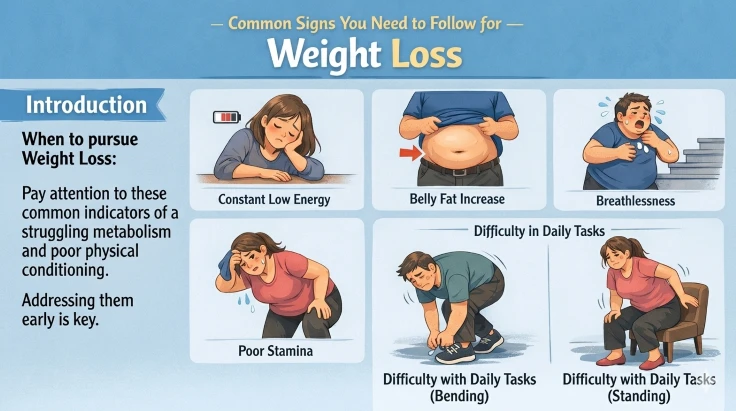
Weight Loss Diet for Women: Focus on Balance
A weight loss diet for women should not mean following a highly restrictive eating plan. Women have different nutritional needs depending on age, activity level, life stage, and individual circumstances.
A balanced eating pattern can include adequate protein, fibre, whole grains, fruits, vegetables, healthy fats, and suitable dairy or alternatives.
Instead of removing entire food groups without a clear reason, focus on food quality, variety, portions, and regular meals.
For women with specific nutritional needs, pregnancy, breastfeeding, medical conditions, or medication use, personalised advice from a qualified healthcare professional or registered dietitian may be appropriate.
Choose Healthy Alternatives to Highly Processed Foods
Highly processed foods can be convenient, but eating them frequently may make it harder to maintain a balanced eating pattern, particularly when they are high in added sugars, sodium, or saturated fats.
You do not need to avoid every packaged food. Instead, consider simple swaps.
Try These Alternatives
Instead of:
- Sugary drinks → Water or unsweetened beverages
- Sugary breakfast cereals → Oats with fruit and nuts
- Fried snacks → Roasted chickpeas or nuts
- Highly sweetened desserts → Plain yoghurt with fruit
- Refined snacks → Fruit, vegetables or whole-grain options
- Deep-fried foods → Baked, grilled or steamed alternatives
The aim is not perfection. Occasional treats can fit into an overall balanced lifestyle.
Sustainable Weight Management vs Quick-Fix Diets
Many quick-fix diets promise dramatic changes in a short period. However, restrictive approaches may be difficult to maintain and can make healthy eating feel unnecessarily complicated.
A sustainable approach focuses on habits you can continue.
For example, instead of deciding to completely avoid your favourite foods, you might:
- Reduce how often you eat them.
- Choose smaller portions.
- Pair them with nutritious foods.
- Prepare healthier versions at home.
- Focus on your overall eating pattern.
The CDC also notes that fad diets can limit nutritional intake and may not be effective over the long term.
Setting Realistic Weight Loss Goals
A realistic goal can make a lifestyle change easier to manage.
Instead of setting a very large goal immediately, focus on behaviours you can control.
For example:
- Walk for 20 to 30 minutes on several days each week.
- Add vegetables to one more meal each day.
- Drink water instead of sugary drinks.
- Prepare lunch at home several times a week.
- Include a protein source at breakfast.
- Maintain a consistent sleep schedule.
The CDC recommends setting specific and realistic short-term goals rather than unrealistic targets.
Progress may not always happen in a straight line. Changes in routine, travel, celebrations, stress, sleep, and other factors can affect eating and activity patterns.
Practical Weight Management Tips for a Busy Lifestyle
Busy schedules can make healthy habits challenging. The solution does not have to be a complete lifestyle makeover.
Try creating simple systems.
Keep Easy Foods Available
Keep foods such as fruit, yoghurt, eggs, roasted chickpeas, nuts, vegetables, oats, and whole-grain options available for quick meals and snacks.
Plan Before Busy Days
If you know you will have a busy day, prepare lunch or snacks in advance. This can reduce the need for last-minute food choices.
Break Activity Into Smaller Sessions
You do not always need one long workout. Short periods of walking or other physical activity can be added throughout the day.
Focus on Consistency
Missing one workout or having one high-calorie meal does not mean you have failed. Return to your usual routine at the next opportunity.
Common Weight Loss Mistakes to Avoid
Some approaches can make healthy lifestyle changes unnecessarily difficult.
Relying on One Food
No single food is a guaranteed solution for weight loss. A balanced eating pattern matters more than one ingredient.
Skipping Meals to Compensate
Skipping meals may not be helpful for everyone and can make some people excessively hungry later. A regular eating routine that suits your needs may be easier to maintain.
Following Extreme Restrictions
Very restrictive diets can be difficult to follow and may reduce food variety.
Expecting Instant Results
Healthy lifestyle changes can take time. Comparing your progress with social media posts or unrealistic transformation stories can create unnecessary pressure.
Focusing Only on the Scale
Body weight is only one measure. You can also pay attention to energy, fitness, sleep, food quality, activity levels, and consistency of healthy habits.
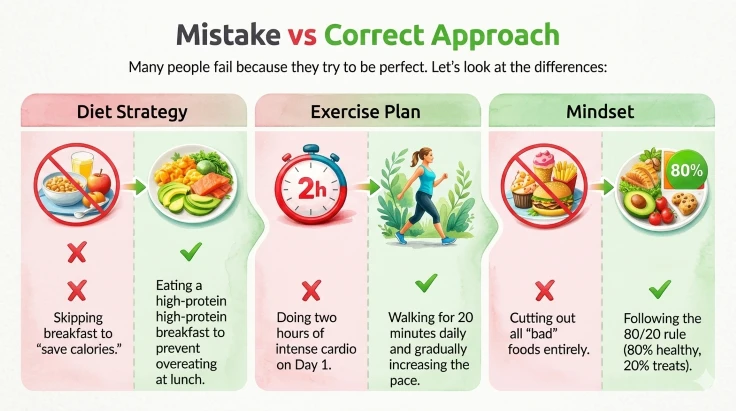
Mistake vs Correct Approach
Many people fail because they try to be perfect. Let’s look at the difference between a failing strategy and a winning one:
- Mistake: Skipping breakfast to “save calories.”
- Correct: Eating a high-protein breakfast to prevent overeating at lunch.
- Mistake: Doing two hours of intense cardio on Day 1.
- Correct: Walking for 20 minutes daily and gradually increasing the pace.
- Mistake: Cutting out all “bad” foods entirely.
- Correct: Following the 80/20 rule (80% healthy, 20% treats).
A Simple Daily Routine for Healthy Weight Management
A practical day could look like this:
Morning
- Drink water.
- Have a balanced breakfast with protein and fibre.
- Include some physical activity if your schedule allows.
Afternoon
- Choose a balanced lunch with vegetables, protein and whole grains.
- Drink water regularly.
- Take a short walking break if possible.
Evening
- Have a balanced dinner.
- Take a gentle walk or complete another suitable activity.
- Limit unnecessary snacking while watching television.
Night
- Follow a calming bedtime routine.
- Reduce screen exposure before sleep.
- Aim for consistent sleep.
This is only an example. Your routine can be adapted to your work, family responsibilities, food preferences, activity level, and daily schedule.
Frequently Asked Questions About Weight Loss
What is weight loss?
Weight loss means reducing extra body weight through healthy eating and lifestyle changes.
How can I start weight loss at home?
Start with simple habits like drinking more water, eating healthy meals, and walking daily.
What foods help in weight loss?
Fruits, vegetables, whole grains, and protein-rich foods support weight loss.
How long does weight loss take?
If you struggle with basic physical activities, your body needs attention.
Does drinking water help in weight loss?
Yes! Water helps boost your metabolism, flushes out toxins, and often prevents overeating by making you feel fuller before meals.
Final Thoughts on Weight Loss and Healthy Living
Successful weight loss is not about finding one perfect diet, food, or exercise. It is about creating a balanced lifestyle that you can realistically maintain.
Focus on nutritious meals, sensible portions, regular movement, adequate hydration, quality sleep, and practical weight management tips that fit your routine. Avoid quick-fix promises and extreme restrictions, and give yourself time to build consistent habits.
The most useful approach is one that supports your overall wellbeing rather than focusing only on a number on the scale. Small, sustainable changes can become part of everyday life and help create a healthier relationship with food, movement, and daily routines.
Disclaimer: This article is for general health and wellness information only and does not provide medical advice, diagnosis, or treatment. Individual nutritional and lifestyle needs can vary. Consult a qualified healthcare professional or registered dietitian for personalised advice, especially if you have a health condition, take medication, or have specific dietary or health needs.