
When it comes to healthy weight management, choosing nutritious foods can make everyday meals more satisfying and easier to maintain. These weight management tips focus on building balanced eating habits rather than relying on quick-fix diets or foods that promise to burn fat on their own. A practical approach combines nutrient-rich foods, regular physical activity, adequate hydration, good sleep and sustainable lifestyle habits.
The phrase “fat-burning foods” is commonly used for foods that may support fullness, provide protein or fibre, or fit well into a balanced eating pattern. However, no single food directly melts body fat or guarantees weight loss. Instead, foods such as vegetables, fruits, legumes, eggs, yoghurt, fish, whole grains and nuts can contribute to an overall healthy eating pattern.
A balanced weight management diet should provide enough nutrients while helping you develop eating habits that can be followed over time. The following 14 foods can be useful choices when planning balanced meals and snacks.
What Does Healthy Weight Management Mean?
Healthy weight management is not simply about reaching a particular number on the weighing scale. It involves developing eating and lifestyle habits that support overall wellbeing. A sustainable approach focuses on nutritious foods, regular physical activity, adequate sleep, hydration and healthy daily routines rather than extreme or restrictive diets.
According to the Centers for Disease Control and Prevention (CDC), healthy weight management can involve healthy eating, physical activity, adequate sleep and stress management.
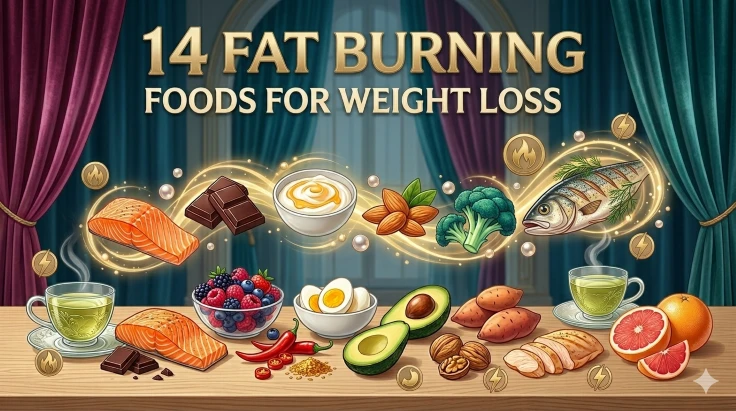
14 Foods That Can Support Weight Management
The following foods are not magic fat burners. They are nutritious options that can fit into balanced meals and may help support healthy eating habits.
1. Eggs
Eggs are a convenient source of protein and can be included in breakfast, lunch or dinner. Protein can help make meals more satisfying, which may make it easier to manage hunger between meals.
Try boiled eggs with whole-grain toast and vegetables, or add an egg to a vegetable-based breakfast.
If you are preparing an omelette, add vegetables such as spinach, tomatoes, onions and capsicum for extra fibre and variety.
2. Oats
Oats are a useful whole-grain option and contain dietary fibre. A bowl of oats can be made more filling by combining it with fruit, seeds, nuts or plain yoghurt.
For a simple breakfast, prepare oats with milk or an unsweetened dairy alternative and add chopped apple, banana or berries.
Avoid turning a healthy bowl of oats into a high-sugar meal by limiting large amounts of added sugar, flavoured syrups or sweet toppings.
3. Lentils and Dal
Dal is a familiar food in many Indian households and can be a nutritious part of a balanced eating pattern.
Lentils provide plant-based protein and fibre. They can be combined with vegetables and whole grains to create a satisfying meal.
Good options include:
- Moong dal
- Masoor dal
- Toor dal
- Chana dal
- Mixed lentils
Instead of relying on highly processed foods for quick meals, a bowl of dal with vegetables and a suitable portion of roti or rice can provide a more balanced option.
4. Chickpeas
Chickpeas provide plant-based protein and fibre and can be used in many everyday dishes.
You can add boiled chickpeas to:
- Salads
- Chaat
- Vegetable bowls
- Soups
- Homemade wraps
For a healthier snack, use boiled or roasted chickpeas with spices rather than heavily fried versions.
5. Greek Yoghurt or Plain Curd
Unsweetened yoghurt can provide protein and important nutrients while working well as a breakfast or snack.
Greek yoghurt generally contains more protein than many regular yoghurt varieties, although nutritional values differ between products.
For an easy snack, combine plain yoghurt with fruit and a small amount of nuts or seeds.
Choose unsweetened varieties more often and check the label for added sugar.
6. Green Leafy Vegetables
Spinach, methi, mustard greens and other leafy vegetables can add fibre, vitamins, minerals and volume to meals without relying heavily on calorie-dense ingredients.
Try adding leafy vegetables to:
- Dal
- Roti fillings
- Vegetable curries
- Soups
- Omelettes
- Salads
Increasing vegetables can make meals more varied and satisfying while supporting a nutrient-rich eating pattern. Vegetables and fruits provide fibre and water, which can contribute to fullness.
7. Apples
Apples are an easy fruit option for breakfast or snacks. They provide fibre and water and can be eaten whole without complicated preparation.
Pair an apple with a small portion of nuts or plain yoghurt for a more balanced snack.
Whole fruit is generally a more filling option than fruit-flavoured drinks or sugary beverages.
8. Berries
Berries such as strawberries, blueberries and raspberries can add natural sweetness, fibre and variety to meals.
Fresh or frozen berries can be added to:
- Oats
- Plain yoghurt
- Smoothies
- Homemade breakfast bowls
When using packaged or canned fruit, check the label and choose options without unnecessary added sugar where possible.
9. Fish
Fish can provide protein and, depending on the type, beneficial fats. Including fish as part of a balanced eating pattern can provide variety compared with relying on processed or fried foods.
Choose preparation methods such as:
- Grilling
- Baking
- Steaming
- Air frying with limited added oil
Pair fish with vegetables and a suitable serving of whole grains or other nutrient-rich carbohydrates.
10. Chicken
Lean chicken can be a convenient protein source for people who eat meat.
Instead of deep-frying chicken or covering it with heavily processed sauces, try grilled, roasted, baked or lightly cooked versions.
A balanced meal might include chicken, mixed vegetables and a portion of roti, brown rice or another whole-grain option.
11. Nuts
Almonds, walnuts, pistachios and other nuts contain protein, fibre and fats. They can be useful as a snack, but portion awareness matters because nuts are energy-dense.
A small handful can work well as part of a balanced snack.
Avoid relying heavily on sugar-coated, heavily salted or deep-fried nut products.
12. Chia Seeds
Chia seeds are small but provide fibre and can be easily added to everyday foods.
Try adding them to:
- Oats
- Plain yoghurt
- Homemade smoothies
- Porridge
- Fruit bowls
Because chia seeds contain fibre, increasing intake gradually while maintaining adequate fluid intake can be a practical approach.
13. Avocado
Avocado provides fibre and unsaturated fats and can add texture and flavour to meals.
It can be used in:
- Whole-grain toast
- Salads
- Homemade wraps
- Vegetable bowls
Because it is energy-dense, portion awareness remains important when including avocado in a weight-conscious eating pattern.
14. Vegetables and Whole Grains
Although vegetables and whole grains are technically food groups rather than a single food, combining them can make meals more balanced.
Examples include:
- Brown rice with dal and vegetables
- Whole-wheat roti with mixed vegetable sabzi
- Vegetable oats
- Quinoa with vegetables and chickpeas
- Whole-grain bread with eggs and salad
The goal is not to remove carbohydrates completely. A healthy eating pattern can include different food groups while paying attention to overall portions and food quality.
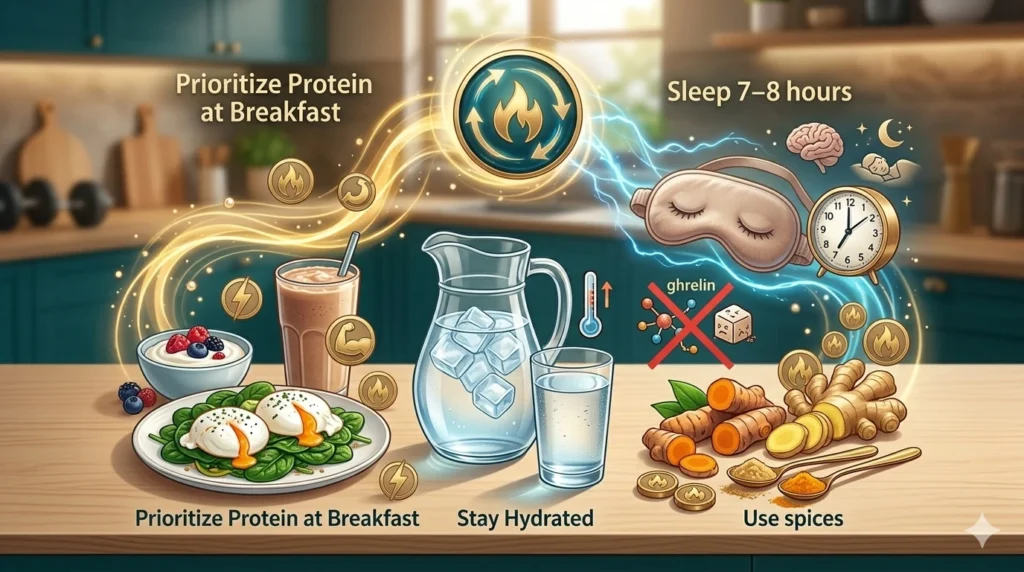
How Protein and Fibre Can Help With Fullness?
Protein and fibre are important parts of a balanced eating pattern.
Protein is found in foods such as eggs, dairy, fish, chicken, lentils, beans, chickpeas, nuts and seeds. Fibre is found in vegetables, fruits, legumes and whole grains.
Combining these nutrients can make meals more satisfying.
For example:
Breakfast: Oats + plain yoghurt + fruit + seeds
Lunch: Dal + vegetables + whole-wheat roti
Snack: Apple + a small portion of nuts
Dinner: Grilled fish or chicken + vegetables + whole grains
The exact amount of food needed varies between people, so there is no single meal plan that suits everyone.
Weight Management Tips for Everyday Meals
Small changes can be easier to maintain than strict food rules. Some practical weight management tips include:
Plan Meals Before You Get Very Hungry
Planning meals can reduce the chance of relying on highly processed convenience foods.
Keep simple ingredients available, such as:
- Seasonal vegetables
- Fruits
- Eggs
- Dal
- Beans
- Plain curd
- Whole grains
- Nuts and seeds
Meal planning is also useful when work or family schedules become busy. The CDC recommends planning meals and keeping healthier options available to make nutritious choices easier.
Pay Attention to Portion Sizes
Healthy foods can still contribute significant energy when eaten in very large portions.
Instead of completely avoiding foods, consider:
- Using smaller serving dishes
- Eating slowly
- Adding vegetables to meals
- Checking packaged-food serving sizes
- Avoiding eating directly from large packets
Portion awareness does not mean following an extremely restrictive diet.
Build Balanced Plates
A simple meal can include a combination of:
- Vegetables
- Protein-rich foods
- Whole grains or other nutrient-rich carbohydrates
- A moderate amount of healthy fats
This approach can be more sustainable than removing entire food groups.
What Is a Healthy Weight Management Diet?
A healthy weight management diet is not necessarily a strict diet plan with a fixed list of foods.
Instead, it can be an overall eating pattern that includes a variety of nutrient-dense foods while limiting excessive amounts of added sugars, highly processed foods and other less nutritious choices.
The CDC recommends a varied eating pattern that includes vegetables, fruits, protein foods, whole grains and other nutrient-rich choices rather than eliminating an entire food group such as carbohydrates.
For Indian meals, this could mean making small adjustments rather than completely changing traditional foods.
For example:
- Choose whole-wheat roti more often.
- Add more vegetables to sabzi.
- Include dal or another protein source.
- Choose fruit instead of sugary desserts more often.
- Prefer plain curd over highly sweetened yoghurt.
- Limit deep-fried foods.
- Drink water instead of sugary drinks more often.
Weight Loss Diet for Women: What to Consider
A weight loss diet for women should not mean eating as little as possible or removing essential food groups.
Women have different nutritional needs depending on factors such as age, activity level, life stage and overall health. Pregnancy, breastfeeding, menopause and certain health conditions can also affect nutritional requirements.
A general healthy eating pattern can include:
- Protein-rich foods
- Fibre-rich vegetables
- Fruits
- Whole grains
- Dairy or suitable alternatives
- Nuts and seeds
- Adequate fluids
Women who are pregnant, breastfeeding, managing a health condition or taking medicines should seek individual advice from a qualified healthcare professional rather than following a generic weight-loss plan.
Hydration and Healthy Weight Management
Water is essential for everyday health and can be a useful part of healthy eating habits.
Sometimes people may choose sugary drinks frequently without considering how they fit into their overall diet. Replacing some sugar-sweetened beverages with plain water can be a simple lifestyle change.
Useful hydration habits include:
- Keep a water bottle nearby.
- Drink water regularly throughout the day.
- Choose water with meals.
- Add lemon, mint or cucumber for flavour if preferred.
- Limit frequent sugary beverages.
Your fluid needs can vary based on weather, physical activity, age and other factors.
Physical Activity and Weight Management
Food is only one part of healthy weight management. Regular physical activity can support overall health and help with weight management.
Walking is a simple option for many people. Other activities may include cycling, swimming, dancing, yoga or strength exercises.
The CDC recommends that adults generally aim for at least 150 minutes of moderate-intensity aerobic activity each week, along with muscle-strengthening activities on at least two days, although individual needs can vary.
You do not have to start with an intense workout routine.
Try practical activities such as:
- Taking a brisk walk
- Using stairs when suitable
- Stretching during work breaks
- Doing household activities
- Cycling
- Practising beginner-friendly yoga
- Adding simple strength exercises
For women looking for practical movement ideas, consider reading “Weight Loss Yoga Exercises and Weight Management Tips for Women” on GoHealthyPro.
Sleep and Weight Management
Sleep is another important part of a healthy lifestyle.
Poor sleep can make daily routines harder to manage and may affect eating habits, energy levels and physical activity.
Helpful sleep habits include:
- Maintain a regular sleep and wake time.
- Create a relaxing bedtime routine.
- Reduce screen use before bed.
- Avoid very heavy meals close to bedtime.
- Keep the sleeping environment comfortable.
- Make enough time for rest.
Healthy weight management is therefore not only about food. Eating patterns, movement, sleep and stress management all form part of a sustainable lifestyle.
Avoid Quick-Fix Fat Burning Claims
Many products and diets use phrases such as “rapid fat burning” or “instant weight loss”.
It is important to look at such claims carefully.
No single food can guarantee weight loss. Green tea, chilli, lemon water, certain fruits or other popular foods may be included in a healthy eating pattern, but they should not be treated as shortcuts to losing body fat.
A sustainable approach focuses on:
- Nutritious food choices
- Reasonable portions
- Regular activity
- Adequate sleep
- Hydration
- Consistent routines
Fad diets can also make it difficult to maintain adequate nutrition and may be difficult to follow over time.
Practical Weight Management Tips for a Busy Lifestyle
Healthy habits do not need to be complicated.
Try these simple weight management tips:
- Plan two or three meals ahead.
- Keep fruit available for quick snacks.
- Add vegetables to lunch and dinner.
- Include a protein source with meals.
- Drink water regularly.
- Limit frequent sugary drinks.
- Keep highly processed snacks as occasional choices.
- Eat slowly and notice when you feel satisfied.
- Take short walking breaks during the day.
- Maintain a consistent sleep routine.
- Avoid extreme diets.
- Focus on habits you can continue long term.
Consistency is more useful than trying to follow a perfect routine every day.
How to Create a Balanced Meal Using These Foods?
You do not need to eat all 14 foods in one day.
Instead, choose different foods throughout the week.
For example:
Breakfast: Oats with plain yoghurt, apple and chia seeds.
Lunch: Dal with mixed vegetables and whole-wheat roti.
Evening snack: A small portion of nuts with fruit.
Dinner: Grilled chicken or fish with vegetables and brown rice.
The meal pattern can be adjusted according to personal food preferences, cultural eating habits, budget and nutritional requirements.
Frequently Asked Questions
What are the best foods for weight management?
There is no single best food for weight management. Foods such as vegetables, fruits, lentils, eggs, yoghurt, fish, chicken, nuts, seeds and whole grains can all fit into a balanced eating pattern.
Do these foods burn fat without exercise?
While these foods that burn belly fat increase your metabolism, they work most effectively when paired with regular physical activity and a consistent calorie deficit.
Which food burns belly fat fastest?
There is no single “magic” food, but high-protein options and soluble fiber (like oats and legumes) are the best foods for weight loss to target abdominal fat.
Do fat-burning foods actually burn body fat?
No single food directly burns body fat or guarantees weight loss. The term “fat-burning foods” is often used to describe nutritious foods that may support a balanced diet and healthy eating habits.
Is a weight management diet the same for everyone?
No. Food and energy needs differ between people. Age, activity level, life stage, health conditions, medicines and personal preferences can all affect dietary needs.
Final Thoughts
The 14 foods discussed in this article can be useful additions to a balanced eating pattern, but none should be viewed as a magic solution for weight loss. Healthy weight management is built around consistent habits rather than a single food or short-term diet.
Use these weight management tips to create balanced meals, include protein and fibre, stay hydrated, remain physically active and prioritise good sleep. A sustainable weight management diet can include a wide variety of foods while limiting excessive amounts of highly processed foods and added sugars.
For women, a weight loss diet for women should also consider individual nutritional needs and life stages rather than following a one-size-fits-all plan.
The goal is to develop practical habits that support overall wellbeing and can be maintained over time.
Disclaimer
This article is for general health and wellness information only. It is not intended to diagnose, treat or prevent any medical condition and does not replace professional medical or dietary advice. Consult a qualified healthcare professional or registered dietitian for personalised weight-management or nutrition advice, particularly if you have a health condition, take medication, are pregnant or breastfeeding, or have specific nutritional needs.
About GoHealthyPro: GoHealthyPro provides general health and wellness information intended to help readers learn about healthy lifestyle habits and make informed everyday choices.