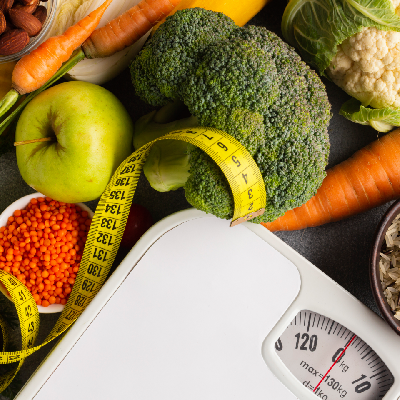



Following a healthy diet for weight loss is not about skipping meals, avoiding all carbohydrates or following strict food rules. It is about choosing nutritious foods, eating balanced meals and building habits that support your health over time. A healthy eating routine can include everyday Indian foods such as dal, roti, vegetables, fruits, curd, oats and whole grains. By making small and consistent changes to your eating habits, you can support healthy weight management without relying on extreme diets. This guide explains how to follow a balanced diet, plan meals and make healthier food choices in your daily routine.
Healthy Diet for Weight Loss: Why Balanced Eating Matters?
A balanced diet provides your body with the nutrients it needs while helping you manage your overall food intake. Eating a variety of foods can support energy levels, digestion, muscle health and general wellbeing.
Rather than focusing on quick results, aim to build an eating routine that you can follow comfortably. Include vegetables, fruits, protein-rich foods, whole grains and healthy fats in appropriate portions.
Healthy eating also helps you avoid the cycle of restrictive dieting and overeating. When you eat satisfying meals regularly, you may find it easier to manage hunger and maintain consistent food choices.
Foods to Include in a Healthy Diet for Weight Loss
Choosing nutrient-rich foods can help you create balanced and satisfying meals. You do not need expensive ingredients or special diet products to eat well.
1. Vegetables and Fruits
Vegetables and fruits provide fibre, vitamins, minerals and other beneficial nutrients. Include seasonal options such as spinach, carrots, cucumber, tomatoes, apples, oranges, guava and papaya.
You can add vegetables to dal, sabzi, salads, soups and other home-cooked meals. Whole fruits are generally a better everyday choice than fruit juices because they retain their fibre.
2. Protein-Rich Foods
Protein supports muscle maintenance and helps you feel satisfied after meals. Include foods such as dal, chickpeas, rajma, paneer, curd, eggs, tofu, fish and chicken, depending on your preferences.
Adding protein to breakfast, lunch and dinner can help you build more balanced meals.
3. Whole Grains and Fibre-Rich Foods
Choose whole grains such as oats, whole wheat roti, brown rice, millets and other grains you enjoy. Fibre supports digestion and can help meals feel more filling.
You can also include beans, lentils, nuts, seeds and vegetables to increase your daily fibre intake.
4. Healthy Fats
Healthy fats are also part of a balanced diet. Nuts, seeds, peanuts, almonds, walnuts and oils such as olive oil or mustard oil can provide essential fats.
Use oils in moderation and include small portions of nuts or seeds in your meals. You do not need to eliminate fats completely to eat healthily.
For more food ideas, explore our guide to Healthy Diet for Weight Loss: 15 Foods to Include in Your Daily Diet.
How to Build a Balanced Meal?
Creating balanced meals does not have to be complicated. A simple approach is to include vegetables, a protein source, whole grains and a small amount of healthy fat in your meals.
Follow a Simple Plate Method
- Half your plate: Vegetables and salad
- One-quarter: Protein foods such as dal, paneer, eggs, beans or chicken
- One-quarter: Whole grains such as roti, rice or millets
- Additional portion: Curd or a small amount of healthy fat, depending on your meal
This approach can help you manage portions while still enjoying familiar foods. Adjust the portions according to your hunger, activity level and individual nutritional needs.
Healthy Eating Habits That Support Weight Management
Food choices are important, but your everyday eating habits also matter. Small changes can help you develop a healthier routine without making your diet difficult to follow.
Eat Regular, Balanced Meals
Avoid skipping meals simply to reduce your food intake. Skipping meals may leave you feeling very hungry later and can make it harder to manage portions. Choose regular meals that provide enough nutrients and energy for your daily activities.
Practise Mindful Eating
Eat slowly and pay attention to your hunger and fullness signals. Avoid eating in a hurry or while distracted by your mobile phone or television. Mindful eating can help you enjoy your food and recognise when you feel satisfied.
Drink Enough Water
Drink water regularly throughout the day. Your hydration needs may change depending on your weather, activity level and health. Water is a good everyday choice instead of sugary drinks.
Plan Your Meals in Advance
Planning your meals can help you make better food choices when you have a busy schedule. Keep simple ingredients such as dal, curd, vegetables, eggs, oats and fruits available at home.
You can also explore our guide on 14 Fat Burning Foods for Weight Loss and Management for more ideas about including nutritious foods in your daily routine.
Foods and Habits to Limit
You do not need to completely avoid your favourite foods to maintain a healthy diet. However, limiting foods and drinks that contain excessive added sugar, salt and unhealthy fats can support better eating habits.
Try to reduce:
- Sugary soft drinks and packaged sweetened beverages
- Frequent deep-fried foods such as samosas, pakoras and chips
- Packaged snacks high in salt
- Cakes, pastries, biscuits and sweets in large portions
- Frequent fast food and heavily processed meals
Instead of eliminating everything, focus on enjoying these foods occasionally and choosing nutritious options more often. This approach can make healthy eating easier to maintain in the long run.
For more guidance, refer to the Australian Government’s healthy eating information, which explains the five food groups and the importance of choosing a variety of nutritious foods.
Simple Indian Meal Planning Tips
Healthy meal planning can help you make nutritious choices without spending too much time in the kitchen. You can use everyday Indian ingredients to prepare simple, balanced meals.
Meal | Healthy food options |
Breakfast | Vegetable poha, oats, besan chilla or eggs with whole wheat toast |
Mid-morning snack | Guava, apple, papaya or orange |
Lunch | Roti, dal, seasonal sabzi, salad and curd |
Evening snack | Roasted chana, makhana, fruit or a handful of nuts |
Dinner | Vegetable khichdi, dal with roti, paneer with vegetables or grilled chicken with salad |
Choose portions that suit your hunger, activity level and nutritional needs. If you feel hungry between meals, a nutritious snack can be a useful addition to your routine.
Frequently Asked Questions
What is the best healthy diet for weight loss?
A balanced diet that includes vegetables, fruits, whole grains, protein-rich foods and healthy fats can support weight management. Choose meals that meet your nutritional needs and suit your lifestyle.
Can I eat roti and rice while trying to lose weight?
Yes. You can include roti and rice in a balanced diet. Focus on suitable portions and combine them with vegetables, protein-rich foods and other nutritious ingredients.
Which Indian foods are good for weight management?
Dal, rajma, chana, vegetables, curd, oats, eggs, paneer, fruits and whole grains are nutritious choices. Include a variety of foods rather than relying on a single food for weight management.
Should I skip dinner to lose weight?
Skipping dinner is not necessary. Eating a balanced dinner with vegetables, protein and suitable portions of grains can help you meet your nutritional needs and maintain a regular eating routine.
How can I follow a healthy diet with a busy schedule?
Plan meals in advance, prepare ingredients in batches and keep simple foods such as curd, fruits, roasted chana, dal and vegetables available. These steps can make healthy eating easier on busy days.
Conclusion
Following a healthy diet does not require complicated recipes, expensive ingredients or strict food restrictions. Focus on balanced meals, nutritious Indian foods, sensible portions, regular eating habits and adequate hydration. Small changes that you can maintain consistently are more useful than short-term dieting approaches.
At GoHealthyPro, we encourage readers to make informed food choices and develop sustainable habits that support overall health and wellbeing. Choose a balanced approach, stay consistent and remember that healthy weight management looks different for everyone.
Medical Disclaimer: This blog is for general informational purposes only and does not replace professional medical or nutritional advice. Consult a qualified healthcare professional or registered dietitian for personalised guidance, especially if you have an existing medical condition or specific dietary needs.