
A diet plan for weight loss can help you develop healthy eating habits, manage daily calorie intake, and make balanced food choices. A well-planned diet should include nutritious meals, suitable portion sizes, and a variety of foods rather than restrictive eating or skipping meals.
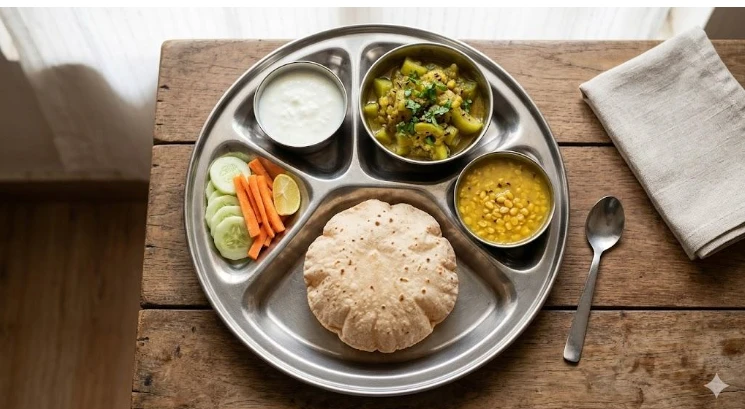
A 7-day meal plan can help organise breakfast, lunch, dinner, and snacks while making everyday food choices simpler. Indian meals such as dal, roti, vegetables, curd, fruits, and whole grains can all be part of a balanced diet.
This guide shares a simple 7-day Indian meal plan, practical food choices, and healthy habits that can support long-term weight management.
7 Days Diet Plan for Weight Loss
A balanced meal plan should provide adequate energy, protein, fibre, vitamins, and minerals. The following sample plan uses familiar Indian foods and can be adjusted according to personal preferences, activity levels, hunger, and nutritional needs.
Day | Breakfast | Lunch | Dinner |
Day 1 | Vegetable poha and curd | Dal, roti, and cucumber salad | Vegetable khichdi and curd |
Day 2 | Vegetable oats and fruit | Roti, mixed vegetable sabzi, and dal | Paneer bhurji, roti, and salad |
Day 3 | Moong dal chilla and mint chutney | Rajma, brown rice, and salad | Vegetable soup, roti, and dal |
Day 4 | Vegetable upma and curd | Chole, roti, and salad | Mixed vegetable pulao and raita |
Day 5 | Besan chilla and fruit | Dal, roti, and bhindi sabzi | Paneer curry, roti, and vegetables |
Day 6 | Idli and sambar | Vegetable khichdi and curd | Roti, dal, and mixed vegetables |
Day 7 | Stuffed vegetable paratha and curd | Rajma, roti, and salad | Vegetable dalia and curd |
Healthy snack options:
- Fresh seasonal fruits.
- A small handful of nuts.
- Roasted chana.
- Plain yoghurt or curd.
- Vegetable sticks with homemade hummus.
Adjust portions based on individual nutritional requirements. People with higher activity levels or specific health needs may require additional food.
Healthy Breakfast Ideas for Weight Management
Choose a balanced breakfast with whole grains, fruits, and protein-rich foods to support your nutritional needs. The Harvard Healthy Eating Plate offers practical guidance on building balanced meals and making healthier food choices.
- Vegetable poha: Add peas, carrots, and peanuts for extra nutrients.
- Moong dal chilla: A protein-containing breakfast option that pairs well with curd.
- Oats with fruit: Combine oats with milk or yoghurt and fresh fruit.
- Idli with sambar: A familiar meal that provides carbohydrates, vegetables, and some protein.
There is no single ideal breakfast for everyone. Select options that suit your appetite, food preferences, and daily schedule.
7-Day Meal Plan: Daily Eating Tips
Along with the meal schedule, a few simple eating habits can make the plan easier to follow.
Day 1: Focus on Balanced Meals
Start with vegetable poha and curd. Include dal, roti, and salad at lunch. Choose vegetable khichdi for dinner. Eat seasonal fruit if you feel hungry between meals.
Day 2: Include Protein-Rich Foods
Enjoy vegetable oats for breakfast, mixed vegetables with dal and roti for lunch, and paneer bhurji for dinner. Include protein sources throughout the day to support fullness and muscle health.
Day 3: Add Fibre to Your Meals
Choose moong dal chilla for breakfast, rajma with brown rice for lunch, and vegetable soup with roti for dinner. Include vegetables, legumes, and fruits to increase fibre intake.
Day 4: Choose Nutritious Homemade Food
Have vegetable upma for breakfast, chole with roti for lunch, and vegetable pulao with raita for dinner. Prefer homemade meals where possible to manage ingredients and portion sizes.
Day 5: Include Different Food Groups
Start with besan chilla and fruit. Eat dal, roti, and bhindi for lunch. For dinner, choose paneer curry, roti, and vegetables. Vary your food choices to obtain a range of nutrients.
Day 6: Keep Meals Simple
Have idli with sambar for breakfast, vegetable khichdi for lunch, and dal with roti and mixed vegetables for dinner. Simple meals can make meal planning more convenient.
Day 7: Maintain Consistency
Choose stuffed vegetable paratha with curd for breakfast, rajma with roti and salad for lunch, and vegetable dalia with curd for dinner. Enjoy a balanced eating routine without unnecessary food restrictions.
Healthy Eating Habits to Follow During the Plan
A meal plan works best when it fits into everyday life. These practical Weight Management Tips can help build a more sustainable routine.
- Control portions comfortably: Serve suitable portions and pay attention to hunger and fullness.
- Eat a variety of foods: Include vegetables, fruits, whole grains, protein sources, and healthy fats.
- Drink enough water: Choose water regularly instead of relying on sugary beverages.
- Limit highly processed snacks: Reduce frequent consumption of foods high in added sugar, salt, and unhealthy fats.
- Avoid skipping meals to compensate: Focus on consistent, satisfying meals rather than extreme calorie restriction.
For more food-related guidance, explore Diet and Nutrition Tips.
Physical Activity to Complement Your Diet Plan
Food choices are only one part of a healthy routine. Regular physical activity supports cardiovascular health, strength, mobility, and overall well-being.
Consider including the following activities according to your fitness level:
- Walking for a comfortable duration.
- Light stretching in the morning.
- Yoga for flexibility and balance.
- Strength exercises using body weight or suitable equipment.
- Cycling, dancing, or other enjoyable activities.
Yoga can be one option for adding movement to your routine. Read Weight Loss Yoga Exercises and Weight Management Tips for Women on GoHealthyPro for related guidance.
Foods to Include and Limit for Healthy Weight Management
Choosing nutritious foods regularly can help support overall health and make your meal plan easier to maintain.
Include more often | Limit or moderate |
Seasonal fruits | Sugary drinks |
Green leafy vegetables | Deep-fried snacks |
Whole grains | Refined snacks |
Dal, beans, and lentils | Excessively processed foods |
Nuts and seeds | Foods high in added sugar |
Curd and other suitable protein sources | Frequent high-calorie desserts |
No food needs to be completely forbidden. The focus should be on balance, variety, and sustainable eating habits.
Frequently Asked Questions
Can I lose weight in 7 days with this diet plan?
A 7-day plan can help establish healthier eating habits, but weight changes vary from person to person. Significant or rapid weight loss is not guaranteed and should not be the main goal.
What is the best breakfast for weight loss?
Breakfasts containing protein, fibre, and nutritious carbohydrates, such as moong dal chilla, vegetable oats, or idli with sambar, can be suitable options.
Can I eat rice during a weight-loss diet?
Yes. Rice can be part of a balanced diet. Choose suitable portions and combine it with vegetables, dal, or other protein-rich foods.
Should I skip dinner to lose weight?
Skipping dinner is not necessary for weight management. A balanced dinner that meets your nutritional needs can be part of a healthy routine.
Can I follow this diet plan every week?
You can use the plan as a starting point and vary the meals to maintain dietary variety. Adjust it to your nutritional requirements, food preferences, and activity level.
Conclusion
A 7-day meal plan can make healthy eating more organised and help build consistent food habits. Include a variety of Indian meals, nutritious snacks, and suitable portions rather than following restrictive diets or expecting quick results.
Combine balanced eating with regular physical activity, adequate sleep, and realistic lifestyle changes. Explore more educational nutrition and wellness articles on GoHealthyPro to support your long-term health goals.
Disclaimer: This article is intended for general health awareness and educational purposes only. It does not provide medical advice, diagnosis, or treatment. This sample meal plan is not personalised and may not meet everyone’s nutritional needs. Consult a qualified healthcare professional or registered dietitian for personalised dietary guidance.