

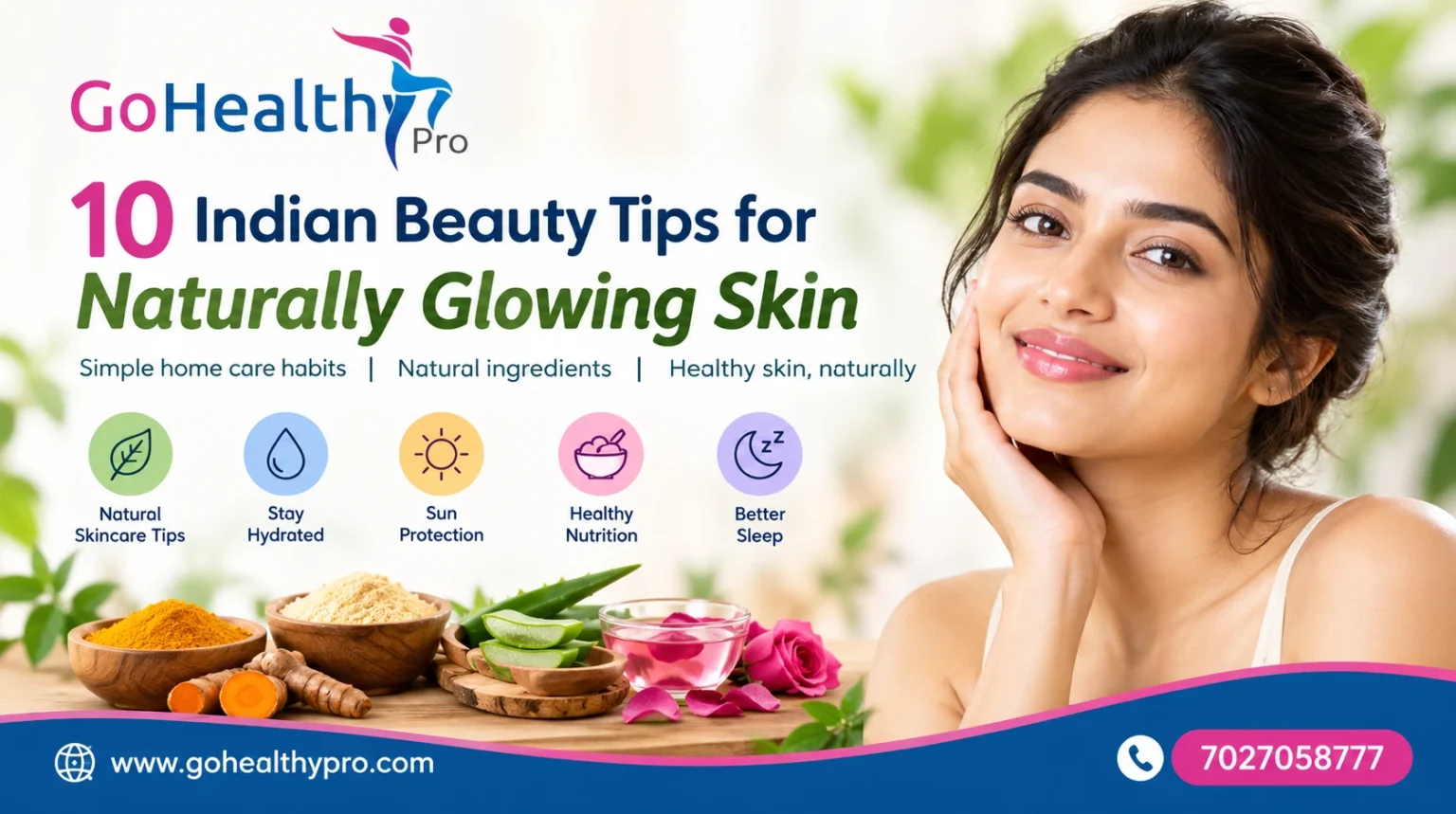
Healthy, naturally glowing skin starts with simple daily habits rather than expensive products or complicated treatments. These Indian beauty tips for glowing skin focus on gentle skincare, balanced nutrition, hydration, sun protection, and safe traditional ingredients. At GoHealthyPro, the aim is to help readers understand practical skincare habits that fit Indian weather, everyday routines, and different skin types.
Skin can look dull for many reasons, including dry weather, excess oil, sun exposure, lack of sleep, and environmental pollution. Everyone’s skin is different, so a routine that works well for one person may not suit another. You do not need to follow every beauty trend to care for your skin. A few consistent habits can help maintain its comfort, texture, and overall appearance.
In this guide, you will learn 10 practical ways to care for your skin, how to use common Indian beauty ingredients safely, and which habits are worth including in your daily routine.
Indian Beauty Tips for Glowing Skin: 10 Simple Ways to Care for Your Skin
The best skincare routine is one you can follow consistently. Start with the basics, choose products that suit your skin, and introduce new ingredients slowly.
1. Follow a Simple Daily Skincare Routine
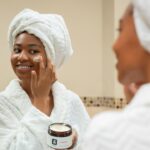
A consistent skincare routine helps remove dirt, manage excess oil, and keep your skin comfortable. You do not need a long list of products to get started.
Morning skincare routine
Follow these basic steps:
- Cleanse: Wash your face with a gentle cleanser that suits your skin.
- Moisturise: Apply a moisturiser to help maintain the skin’s moisture barrier.
- Apply sunscreen: Use broad-spectrum sunscreen with SPF 30 or higher on exposed skin.
Night skincare routine
At night, remove sunscreen, makeup, sweat, and daily dirt with a gentle cleanser. Follow with a moisturiser suitable for your skin type.
If you use active skincare ingredients, introduce them carefully rather than starting several new products at once.
For more basic skincare guidance, read the dermatologist-recommended skincare basics from the American Academy of Dermatology.
Practical tip: Keep your morning and night routines simple enough to follow even on busy days. Consistency is more useful than frequently switching between products.
2. Cleanse Your Face Gently
Cleansing removes sweat, excess oil, sunscreen, makeup, and everyday impurities. However, harsh cleansing can leave the skin dry, tight, or irritated.
Choose a gentle cleanser according to your skin’s needs. If your skin feels uncomfortable immediately after washing, your cleanser may be too harsh.
How to cleanse correctly
- Wash your face with lukewarm water.
- Apply the cleanser using your fingertips.
- Massage gently without scrubbing hard.
- Rinse thoroughly and pat your face dry with a clean towel.
- Cleanse after heavy sweating and before bed when needed.
Most people can begin with cleansing in the morning and evening, adjusting the routine if their skin becomes dry or irritated.
What about Indian weather?
In hot and humid conditions, sweat and excess oil may make your face feel greasy. A gentle cleanser can help remove this buildup. In winter, dry air and frequent hot-water washing may worsen dryness, so use lukewarm water and avoid over-cleansing.
Avoid rough scrubs, abrasive brushes, and frequent exfoliation. They can irritate the skin instead of making it look healthier.
3. Moisturise According to Your Skin Type
Moisturising is important even if your skin feels oily. A suitable moisturiser helps reduce water loss and supports the skin barrier.
The right product depends on your skin type, the climate, and how your skin responds to different ingredients.
Choosing a moisturiser
- Oily skin: Consider a lightweight, non-comedogenic gel or lotion.
- Dry skin: A richer cream may help reduce dryness.
- Combination skin: Use a lightweight moisturiser across the face, adding more to dry areas if needed.
- Sensitive skin: Look for a simple, fragrance-free formula and introduce it gradually.
The label non-comedogenic generally indicates that a product is formulated to be less likely to clog pores. Individual reactions can still vary.
Adjust your routine by season
During India’s hot and humid months, a lighter moisturiser may feel more comfortable. In colder or drier weather, you may prefer a richer formula.
Do not skip moisturiser simply because your skin looks shiny. Instead, find a texture that feels comfortable without leaving your skin excessively greasy.
4. Apply Sunscreen Every Day
Sun protection is one of the most important natural skin care tips because it helps protect the skin from harmful ultraviolet (UV) radiation. Regular sun exposure can contribute to sunburn, premature skin ageing, and uneven pigmentation.
Sunscreen is useful throughout the year, not only during summer. UV exposure can occur on cloudy days as well.
How to use sunscreen
- Choose a broad-spectrum sunscreen with SPF 30 or higher.
- Apply it generously to exposed skin before going outdoors, following the product label.
- Cover commonly missed areas, including the ears, neck, and backs of the hands.
- Reapply approximately every two hours when outdoors, and after swimming or heavy sweating.
- Use a hat, sunglasses, shade, and protective clothing for additional protection.
Sunscreen during Indian summers
Strong sunlight, outdoor travel, and long commutes can increase UV exposure. If you travel by bike, walk to work, or spend time outdoors, keep sunscreen as part of your regular routine.
Choose a formula that feels comfortable on your skin so you are more likely to use it consistently. If one sunscreen causes irritation, stop using it and consider a different formulation.
Remember that sunscreen does not block all UV radiation. Combining it with shade and protective clothing provides more complete sun protection.
5. Drink Enough Water Throughout the Day
Hydration supports normal body functions and helps maintain overall wellbeing. When your body does not get enough fluid, you may experience thirst, headaches, or other signs of dehydration. However, drinking extra water beyond your body’s needs does not automatically make your skin glow.
Simple hydration habits
- Drink water regularly throughout the day.
- Carry a reusable water bottle when travelling.
- Drink more fluids when the weather is hot or you are physically active.
- Include water-rich foods such as cucumber, watermelon, oranges, and tomatoes.
- Pay attention to thirst and other signs that you need fluids.
In India’s summer months, heat and sweating can increase fluid needs. Keep water accessible when commuting, exercising, or spending time outdoors.
Your fluid needs depend on your activity, climate, diet, and health. Follow any fluid restrictions advised by your healthcare professional.
Remember: Hydration is one part of healthy skin care, but it cannot replace moisturiser, sunscreen, or a balanced diet.
6. Eat a Balanced Diet for Healthy-Looking Skin
A balanced diet provides nutrients that support normal skin function and overall health. Instead of depending on one special food or beauty drink, include a variety of foods in your regular meals.
Foods to include in your diet
Fruits and vegetables
Include guava, oranges, papaya, carrots, tomatoes, spinach, and other colourful produce. These foods provide vitamins, minerals, and other nutrients.
Protein-rich foods
Eat dal, chickpeas, rajma, beans, paneer, curd, eggs, fish, or other suitable protein sources. Protein supports the body’s normal repair and maintenance processes.
Nuts, seeds, and healthy fats
Almonds, walnuts, seeds, and suitable cooking oils can contribute healthy fats and other nutrients to a balanced diet.
Whole grains
Include oats, whole-wheat roti, brown rice, or other whole grains for fibre and a variety of nutrients.
Do you need special foods for glowing skin?
No single food guarantees clear or glowing skin. A balanced eating pattern is more useful than following restrictive diets or buying expensive products marketed for beauty.
If you want to explore how food choices relate to skin health, look for the related GoHealthyPro article “Acne Diet Checklist” if it is available on the website.
Avoid taking high-dose vitamin supplements solely for skin appearance unless a qualified healthcare professional recommends them. Supplements are not always necessary and can sometimes cause harm.
7. Use Traditional Indian Beauty Ingredients Carefully
Traditional Indian skincare often includes ingredients such as aloe vera, turmeric, besan, and rose water. These ingredients are commonly used in home beauty routines, but traditional use does not automatically prove that an ingredient is effective or safe for every person.
Treat homemade skincare as optional, not essential.
Aloe vera
Aloe vera is commonly found in gels and skincare products. Some people use it to soothe the feeling of dry or uncomfortable skin, but reactions are possible.
- Choose a product intended for topical skin use.
- Check the ingredient list for added fragrance or other ingredients that may irritate your skin.
- Avoid applying it to broken or severely irritated skin without professional advice.
Turmeric
Turmeric is used in some traditional face packs. However, applying turmeric directly to the skin may cause irritation, staining, or an allergic reaction.
If you try a turmeric-containing product, choose one intended for skin use and follow its directions. Do not assume that a homemade turmeric paste will treat acne, pigmentation, or other skin conditions.
Besan
Besan, or gram flour, is a common ingredient in homemade face packs. Some people use it as a cleanser or wash-off mask.
Avoid rubbing besan harshly over your face. Its texture may irritate sensitive skin, particularly if you scrub or use it too often.
Rose water
Rose water is often used as a refreshing facial mist or as an ingredient in skincare products. Fragrance components may irritate some people, so check the label and discontinue use if you notice redness, itching, or burning.
Follow these precautions
- Test an unfamiliar product on a small area of skin according to the product’s directions before wider use.
- Do not use an ingredient if you already know you are allergic to it.
- Avoid mixing several household ingredients into strong or abrasive face packs.
- Never apply lemon juice, undiluted essential oils, or harsh household substances to your face as beauty treatments.
- Stop using any product that causes a reaction.
A patch test can reduce the chance of an unexpected reaction, but it cannot guarantee that irritation or allergy will not occur.
For more ideas, explore the existing GoHealthyPro skincare category for related skincare content.
8. Get Enough Quality Sleep
Sleep is important for general wellbeing and the body’s normal maintenance processes. Poor sleep can leave you looking tired, and some people notice that their skin appears less fresh when they regularly miss sleep.
Adults generally need at least seven hours of sleep per night, although individual needs vary.
Build a healthy sleep routine
- Try to sleep and wake at consistent times.
- Keep your bedroom quiet, dark, and comfortable.
- Reduce screen use before bedtime if it affects your ability to fall asleep.
- Avoid heavy meals and excessive caffeine close to bedtime.
- Follow a relaxing activity, such as reading or listening to calm music.
Late nights are sometimes unavoidable because of work, study, or family responsibilities. When possible, return to a regular sleep schedule instead of relying on skincare products to compensate for insufficient rest.
Good sleep will not remove every skin concern, but it is an important part of an overall healthy lifestyle.
9. Manage Stress and Support Emotional Wellbeing
Stress is a normal part of life, but ongoing stress can affect sleep, daily routines, and general wellbeing. Some people also notice changes in their skin when they are under pressure.
You do not need an elaborate wellness routine to begin managing everyday stress.
Simple ways to relax
- Take short breaks during work or study.
- Try gentle stretching, walking, or another activity you enjoy.
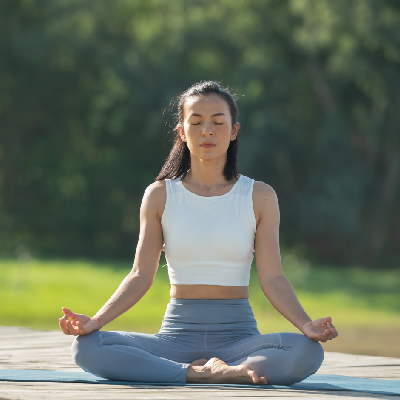
- Practise slow breathing if it helps you feel calmer.
- Spend time with supportive friends or family.
- Make space for hobbies and activities that help you unwind.
If stress is affecting your sleep, daily functioning, or emotional wellbeing, consider speaking with a qualified healthcare professional or mental health professional.
Avoid blaming yourself when your skin has breakouts or looks dull. Skin appearance is affected by many factors, including genetics, hormones, the environment, and individual health. Stress management can support wellbeing, but it is not a guaranteed solution for skin problems.
10. Maintain Healthy Lifestyle Habits
Your everyday habits can influence how comfortable and healthy your skin feels. Along with a suitable skincare routine, focus on habits that support your overall wellbeing.
Exercise regularly
Walking, cycling, dancing, yoga, and other activities you enjoy can support general health. After sweating, wash your face gently and change out of damp clothing when possible.
Avoid wiping sweat away with dirty towels or repeatedly touching your face during exercise.
Keep your skin and personal items clean
- Change pillowcases regularly.
- Clean makeup brushes and reusable facial tools.
- Avoid sharing makeup, towels, or skincare applicators.
- Remove makeup before sleeping.
- Avoid picking at spots or squeezing pimples.
Adjust your routine to the environment
Indian weather varies considerably between regions and seasons. Hot weather, humidity, dust, pollution, and hard water may affect how your skin feels.
Try these practical habits:
- In summer, choose comfortable skincare textures and prioritise sun protection.
- During monsoon, cleanse gently after heavy sweating and avoid leaving damp clothing against your skin.
- In winter, use lukewarm water and a richer moisturiser if your skin becomes dry.
- After exposure to dust or pollution, cleanse gently rather than scrubbing your face repeatedly.
- If your tap water seems to leave your skin feeling dry, consider whether your cleanser or bathing habits may also be contributing.
Do not change your entire routine whenever the weather changes. Make small adjustments based on your skin’s needs.
For additional ideas, explore the GoHealthyPro blog for related health and wellness articles.
Frequently Asked Questions
1. What are the best Indian beauty tips for glowing skin?
Start with a gentle cleanser, a suitable moisturiser, daily sunscreen, a balanced diet, adequate sleep, and regular hydration. Consistent habits are generally more useful than relying on a single home remedy.
2. Can home remedies make skin glow naturally?
Home remedies such as aloe vera, turmeric, besan, and rose water are commonly used in Indian beauty routines. However, their effects vary, and some ingredients can cause irritation or allergies. They should not replace suitable skincare or professional advice when needed.
3. How can I make my skin look fresh in summer?
Use a gentle cleanser, a lightweight moisturiser if suitable, and broad-spectrum sunscreen with SPF 30 or higher. Wear protective clothing, seek shade, drink enough fluids, and cleanse gently after heavy sweating.
4. Which skincare routine is suitable for beginners?
A beginner can start with three basic steps: cleansing, moisturising, and sunscreen in the morning. At night, cleanse the skin and apply moisturiser. Introduce other products gradually according to your needs.
5. How long does it take to see changes from a skincare routine?
The time varies according to the product, your skin, and the concern you want to address. Basic routines can improve skin comfort, but changes in texture or pigmentation may take longer. No routine can guarantee a particular appearance. Seek advice from a qualified dermatologist if a skin concern persists.
Conclusion
Healthy-looking skin does not require expensive products or complicated beauty treatments. These Indian beauty tips for glowing skin focus on simple habits, including gentle cleansing, moisturising, sun protection, balanced nutrition, hydration, and adequate sleep.
Traditional ingredients such as aloe vera, turmeric, besan, and rose water may be part of a personal skincare routine, but use them cautiously and pay attention to your skin’s response. What works for one person may not work for another.
Start with a few manageable changes, stay consistent, and adjust your routine to suit your skin type and the Indian climate. GoHealthyPro encourages readers to make informed choices and seek advice from a qualified dermatologist or healthcare professional when they have persistent skin concerns.
Disclaimer: This article is for general educational purposes only. It does not replace personalised advice from a qualified healthcare professional.