


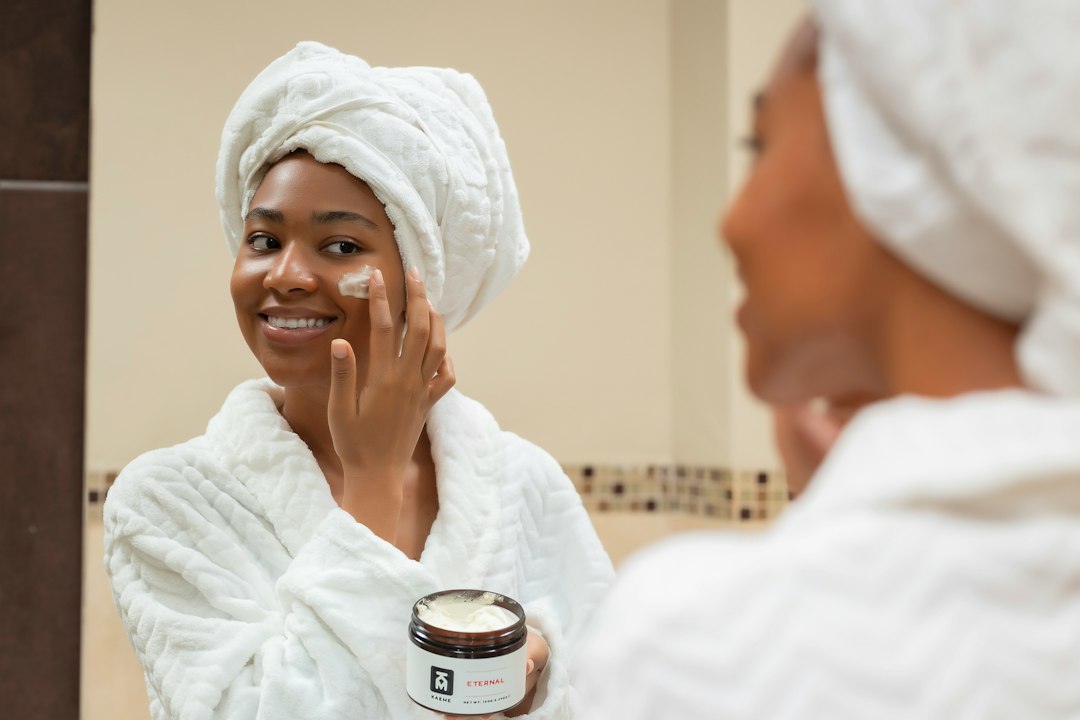
Walk into any pharmacy or scroll through your phone for five minutes, and skincare can start to feel confusing. With so many serums, toners, creams and face washes available, knowing where to begin is not always easy. A skincare routine for beginners can be simple, affordable and easy to follow without using too many products.
Most basic skincare routines focus on three important steps: cleansing, moisturising and protecting your skin from the sun. GoHealthyPro shares general wellness information to help readers understand these everyday skincare habits. This guide explains how to build a simple morning and night routine, choose suitable products and avoid common beginner mistakes.
Core Steps of a Skincare Routine for Beginners
You do not need ten different products to care for your skin. Start with three basic steps and choose products according to your skin type.
| Skincare Step | Purpose | When to Use |
|---|---|---|
| Cleanser | Removes dirt, sweat, oil and sunscreen | Morning and night as needed |
| Moisturiser | Helps maintain skin hydration | Morning and night |
| Sunscreen | Helps protect against harmful UV rays | Every morning |
Step 1: Cleanse Your Skin Gently
Cleansing removes sweat, excess oil, dust and leftover sunscreen. The goal is to clean your skin without making it feel dry or tight.
Follow these simple tips:
Choose a gentle cleanser suitable for your skin type.
Use lukewarm water instead of hot water.
Massage your face gently with your fingertips.
Avoid harsh scrubs and excessive washing.
Pat your face dry with a clean towel.
People with oily skin may prefer a gentle gel cleanser, while those with dry skin may find a creamy cleanser more comfortable. If you have sensitive skin, consider a fragrance-free product.
In hot and humid Indian weather, sweat and dust can make cleansing particularly useful. However, washing your face too frequently may cause irritation.
Step 2: Apply a Suitable Moisturiser
Moisturising helps your skin retain moisture and feel comfortable. Even people with oily skin may benefit from using a lightweight moisturiser.
Consider these options when choosing a product:
Oily skin: A lightweight, oil-free gel or lotion.
Dry skin: A richer cream that helps reduce moisture loss.
Combination skin: A lightweight moisturiser that feels comfortable on different areas of the face.
Sensitive skin: A fragrance-free formula with ingredients your skin tolerates.
Choose products based on how your skin feels rather than following every skincare trend. If you want to understand sun protection for easily irritated skin, read our guide to mineral sunscreens for sensitive skin.
Step 3: Use Sunscreen Every Morning
Sunscreen is an important part of a daily skincare routine, especially in India, where sunlight can be strong throughout the year.
When choosing sunscreen, look for these features:
Broad-spectrum protection against UVA and UVB rays.
SPF 30 or higher.
Water resistance when appropriate for your activities.
Apply sunscreen to exposed skin, including your face, neck and ears. Follow the product instructions and reapply approximately every two hours when outdoors, as well as after swimming or heavy sweating.
Cloudy weather does not eliminate UV exposure. Wearing protective clothing, using shade and limiting prolonged direct sunlight can also help protect your skin.
For additional guidance, consult the American Academy of Dermatology’s sunscreen recommendations.
A Simple Morning and Night Skincare Routine
You can organise your daily skincare routine into a few manageable steps.
Morning Routine
Wash your face with water or a gentle cleanser.
Apply a suitable moisturiser.
Finish with broad-spectrum sunscreen.
Night Routine
Cleanse your face to remove sunscreen, sweat and dirt.
Apply moisturiser to help keep your skin comfortable overnight.
You do not need to add several serums or exfoliating products immediately. Start with the basics and introduce additional products only when you understand their purpose.
How to Understand Your Skin Type
Understanding your skin type can help you make more suitable product choices. Common skin types include:
Normal skin: Generally feels comfortable without excessive oiliness or dryness.
Oily skin: Often looks shiny and may experience clogged pores.
Dry skin: May feel tight, rough or flaky.
Combination skin: Has oily areas and other areas that feel normal or dry.
Sensitive skin: May react to certain products with redness, itching or discomfort.
Your skin can change with the weather, age and other factors. A product that feels comfortable during winter may feel too heavy during a humid summer.
How to Introduce New Skincare Products Safely
Once your basic routine is established, you may want to try other skincare products. Introduce them gradually instead of changing everything at once.
Patch Test New Products
Test a small amount of a new product on an inconspicuous area of skin according to the product instructions. Monitor the area for irritation before using it more widely. A patch test cannot guarantee that a product will never cause a reaction.
Add One Product at a Time
Using several new products together makes it difficult to identify which one might cause irritation. Introduce one product at a time and observe how your skin responds.
Avoid Overusing Active Ingredients
Some ingredients, including retinoids and exfoliating acids, can cause irritation when used incorrectly. Beginners do not necessarily need these products. Consider professional advice if you are unsure whether an ingredient is suitable for you.
Stop using a product if it causes significant irritation. Seek medical advice if the reaction is severe or continues.
Common Skincare Mistakes Beginners Should Avoid
A simple routine can become less effective or irritating when basic skincare habits are overlooked.
Using Too Many Products
Following complicated routines from social media can lead to unnecessary spending and irritation. Focus on the products your skin needs.
Skipping Sunscreen
Moisturiser alone does not provide adequate sun protection unless it contains appropriately labelled sunscreen. Use sunscreen as directed.
Scrubbing Too Hard
Harsh scrubbing can irritate your skin. Gentle cleansing is generally preferable to aggressive exfoliation.
Expecting Immediate Results
Skin does not change overnight. Give a consistent routine time to settle, but stop using products that cause irritation rather than continuing to wait for results.
Copying Someone Else’s Routine
Different people have different skin types and preferences. Choose products according to your own needs instead of buying every product recommended online.
Can Everyday Habits Support Healthy Skin?
Skincare products are only one part of general skin wellness. Other everyday habits can support overall health.
Eat a balanced variety of foods, including vegetables, fruits, whole grains and suitable protein sources.
Drink enough water to maintain normal hydration.
Get adequate sleep according to your needs.
Clean makeup brushes and other items that regularly touch your face.
Avoid frequently touching or picking at your skin.
These habits support general wellbeing, but they cannot guarantee clear skin or replace professional care for a skin condition.
For more everyday self-care ideas, explore our guide to natural beauty tips for healthy skin.
When Should You Consult a Dermatologist?
A basic skincare routine is intended for everyday care, not for diagnosing or treating medical conditions.
Consider speaking with a qualified dermatologist if you experience:
Painful or persistent acne.
A recurring rash, redness or itching.
Dark patches that change or continue to spread.
A mole or skin spot that changes in size, shape or colour.
Severe irritation, swelling or blistering after using a product.
If you have an existing skin condition, ask a healthcare professional before making significant changes to your skincare routine.
Frequently Asked Questions
1. How many steps should a beginner’s skincare routine have?
Three basic steps are a useful starting point: cleansing, moisturising and applying sunscreen in the morning. At night, cleansing and moisturising are generally sufficient for a simple routine.
2. Is a serum necessary for beginners?
No. Serums are optional, and many beginners can start with a cleanser, moisturiser and sunscreen. Additional products should have a clear purpose and suit your skin.
3. Should people with oily skin use moisturiser?
Many people with oily skin can benefit from moisturising. A lightweight, oil-free product may feel more comfortable than a rich cream.
4. Can I follow the same skincare routine throughout the year?
You can keep the same basic steps, but your product choices may need adjustment as the weather and your skin change.
5. How long does it take to notice changes in my skin?
The time varies depending on the person, product and concern. A basic routine supports cleansing, hydration and sun protection, but it cannot guarantee specific cosmetic results.
Final Thoughts
A skincare routine for beginners does not have to be expensive or complicated. Start with gentle cleansing, regular moisturising and daily sun protection. Introduce new products slowly, pay attention to your skin’s response and seek professional guidance when needed.
GoHealthyPro encourages readers to build simple, consistent self-care habits and make informed choices about everyday skincare.
Disclaimer: This content provides general information only and is not a substitute for professional medical advice, diagnosis or treatment.