

Introduction
Bone health plays a vital role in overall well-being, mobility, and quality of life. Strong bones provide structural support, protect internal organs, and enable movement throughout every stage of life. While many people focus on bone health only as they age, maintaining healthy bones should begin early and continue throughout adulthood.
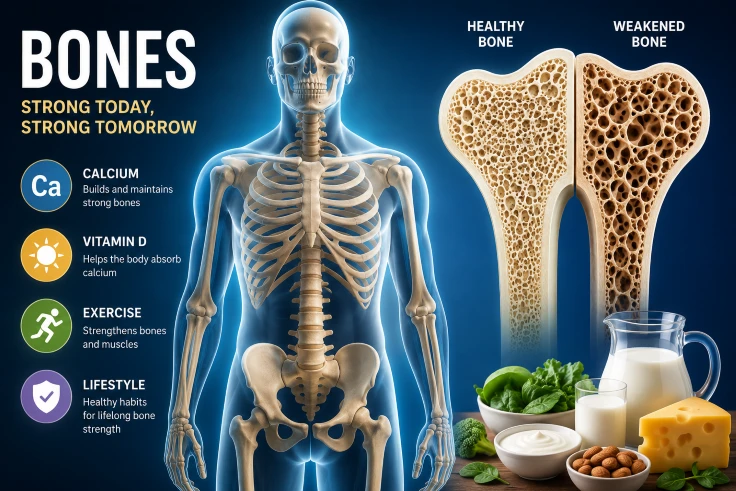
Bones are living tissues that constantly break down and rebuild. Factors such as nutrition, physical activity, hormones, and lifestyle habits all influence bone strength and density. When bone health is neglected, the risk of fractures, osteoporosis, and mobility issues increases significantly.
The good news is that there are many natural ways to support strong bones. By making smart choices regarding diet, exercise, and daily habits, people of all ages can improve bone strength and reduce the risk of future bone-related problems.
This comprehensive guide explores the most effective strategies to improve bone health naturally and maintain strong bones for life.
Understanding Bone Health and Why It Matters
Bone health refers to the strength, density, and overall condition of your skeletal system. Healthy bones contain adequate minerals, especially calcium and phosphorus, which help maintain their structure and resilience.
Bones perform several essential functions:
- Support the body’s structure
- Protect vital organs
- Store important minerals
- Produce blood cells
- Enable movement with muscles and joints
As people age, bone mass naturally decreases. Without proper care, bones may become weaker and more susceptible to fractures. Prioritizing bone health throughout life helps maintain independence, mobility, and overall wellness.
Bone Health Across Different Life Stages
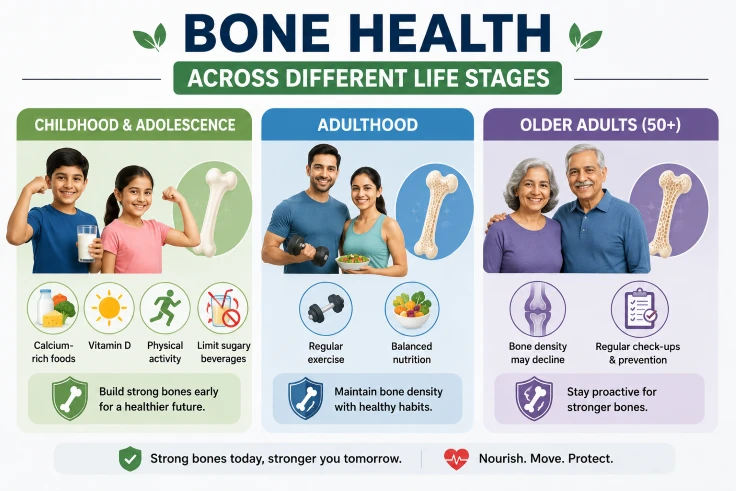
Childhood and Adolescence
Childhood and teenage years are crucial for building peak bone mass. During this period, the body rapidly develops bone tissue.
Healthy habits during this stage include:
- Consuming calcium-rich foods
- Getting adequate vitamin D
- Participating in physical activity
- Limiting sugary beverages
Building strong bones early provides a foundation for lifelong bone health.
Adulthood
During adulthood, maintaining existing bone density becomes the primary goal. Consistent exercise and proper nutrition help slow age-related bone loss.
Older Adults
After age 50, bone density typically declines more rapidly. Women, particularly after menopause, may experience accelerated bone loss due to hormonal changes.
Regular health screenings and preventive measures become increasingly important during this stage.
Bone Health and the Role of Calcium
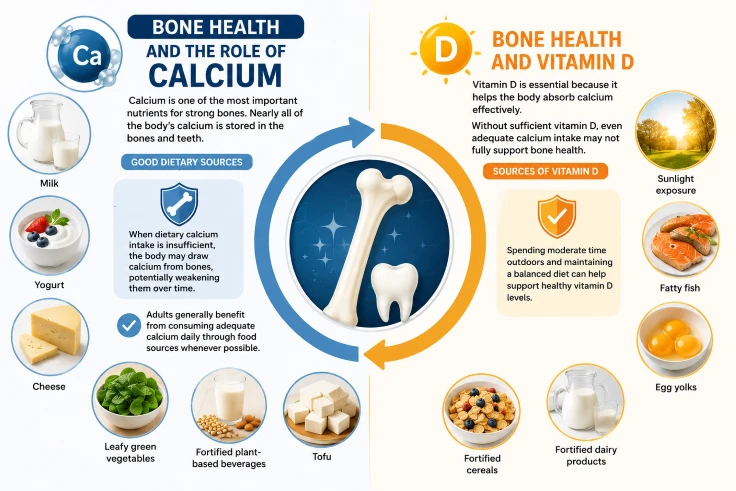
Calcium is one of the most important nutrients for strong bones. Nearly all of the body’s calcium is stored in the bones and teeth.
Good dietary sources include:
- Milk
- Yogurt
- Cheese
- Leafy green vegetables
- Fortified plant-based beverages
- Tofu
- Almonds
When dietary calcium intake is insufficient, the body may draw calcium from bones, potentially weakening them over time.
Adults generally benefit from consuming adequate calcium daily through food sources whenever possible.
Bone Health and Vitamin D
Vitamin D is essential because it helps the body absorb calcium effectively.
Without sufficient vitamin D, even adequate calcium intake may not fully support bone health.
Sources of vitamin D include:
- Sunlight exposure
- Fatty fish
- Egg yolks
- Fortified dairy products
- Fortified cereals
Spending moderate time outdoors and maintaining a balanced diet can help support healthy vitamin D levels.
Bone Health and Other Essential Nutrients
While calcium and vitamin D receive the most attention, several additional nutrients contribute to strong bones.
Protein
Protein supports bone structure and muscle strength, helping reduce fall risk.
Magnesium
Magnesium contributes to bone formation and mineral balance.
Vitamin K
Vitamin K assists in bone metabolism and calcium regulation.
Phosphorus
This mineral works with calcium to maintain bone structure.
Zinc
Zinc supports bone tissue growth and repair.
A varied, nutrient-rich diet helps provide these essential nutrients naturally.
Bone Health and Physical Activity
Exercise is one of the most effective natural ways to improve bone health.
Physical activity stimulates bone-building cells and encourages stronger bone formation.
Weight-Bearing Exercises
These activities force the body to work against gravity.
Examples include:
- Walking
- Hiking
- Dancing
- Stair climbing
- Jogging
Strength Training
Resistance exercises strengthen both muscles and bones.
Examples include:
- Bodyweight exercises
- Resistance bands
- Free weights
- Weight machines
Balance and Flexibility Training
Activities that improve balance may reduce the risk of falls and fractures.
Examples include:
- Yoga
- Tai chi
- Stretching routines
Combining multiple forms of exercise provides the greatest benefits for bone health.
Bone Health of Women: Special Considerations
Women face unique bone health challenges due to hormonal fluctuations.
Estrogen helps protect bone density. As estrogen levels decline during menopause, bone loss may accelerate.
Women can support bone health by:
- Consuming adequate calcium
- Maintaining vitamin D levels
- Performing resistance training
- Staying physically active
- Avoiding smoking
Regular bone density screenings may also help identify concerns early.
Bone Health of Men: Why It Matters Too
Although osteoporosis is often associated with women, men can also experience significant bone loss.
Risk factors for men include:
- Aging
- Low testosterone levels
- Sedentary lifestyle
- Poor nutrition
- Smoking
Maintaining healthy lifestyle habits supports bone strength and overall wellness throughout life.
Bone Health and Healthy Body Weight
Body weight can influence bone health in several ways.
Being underweight may increase fracture risk because bones receive less mechanical stimulation.
On the other hand, obesity may contribute to inflammation and mobility limitations that affect bone quality.
Maintaining a healthy body weight through balanced nutrition and regular exercise supports stronger bones and overall health.
Lifestyle Habits That Improve Bone Health
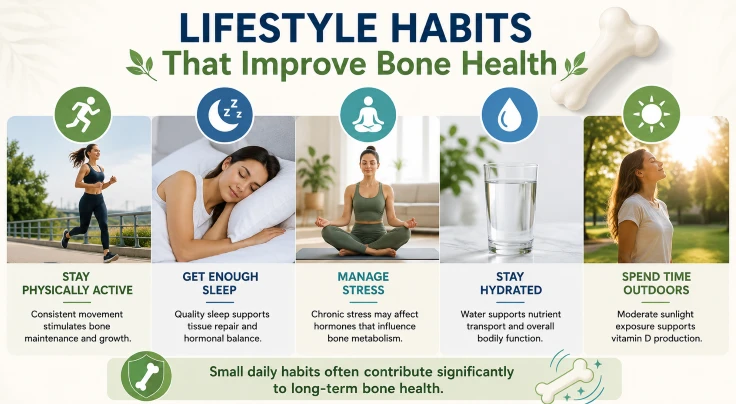
Several daily habits can help protect and strengthen bones naturally.
Stay Physically Active
Consistent movement stimulates bone maintenance and growth.
Get Enough Sleep
Quality sleep supports tissue repair and hormonal balance.
Manage Stress
Chronic stress may affect hormones that influence bone metabolism.
Stay Hydrated
Water supports nutrient transport and overall bodily function.
Spend Time Outdoors
Moderate sunlight exposure supports vitamin D production.
Small daily habits often contribute significantly to long-term bone health.
Lifestyle Habits That May Harm Bone Health
Certain habits can negatively affect bone density over time.
Smoking
Smoking has been associated with reduced bone density and slower healing.
Excessive Alcohol Consumption
Heavy alcohol use may interfere with calcium absorption and bone formation.
Sedentary Behavior
Prolonged inactivity can contribute to bone loss and muscle weakness.
Poor Dietary Choices
Diets lacking essential nutrients may impair bone development and maintenance.
Limiting these risk factors can help preserve bone strength.
Bone Health and Osteoporosis Prevention
Osteoporosis is a condition characterized by weakened bones and increased fracture risk.
While aging contributes to osteoporosis risk, several preventive strategies can help.
Prevention strategies include:
- Adequate calcium intake
- Maintaining vitamin D levels
- Regular weight-bearing exercise
- Avoiding smoking
- Limiting excessive alcohol consumption
- Regular health screenings
Taking preventive action early often leads to better long-term outcomes.
Signs That Your Bone Health May Need Attention
Bone loss often occurs gradually and without symptoms.
However, warning signs may include:
- Frequent fractures
- Loss of height
- Back pain
- Poor posture
- Reduced grip strength
Consulting a healthcare professional can help determine whether additional evaluation is necessary.
Creating a Daily Routine for Better Bone Health
A simple daily routine can support stronger bones.
Morning
- Eat a calcium-rich breakfast
- Spend time outdoors
Afternoon
- Include a balanced lunch
- Stay hydrated
- Take a short walk
Evening
- Perform strength-training exercises
- Eat nutrient-rich foods
- Prioritize quality sleep
Consistency is often more important than perfection when building healthy habits.
Conclusion
Maintaining excellent bone health is a lifelong commitment that benefits people of every age. Strong bones support mobility, independence, and overall quality of life while reducing the risk of fractures and osteoporosis.
Natural strategies such as consuming nutrient-rich foods, engaging in regular exercise, maintaining healthy lifestyle habits, and addressing risk factors can significantly improve bone strength over time. Whether you are building peak bone mass during youth, maintaining density during adulthood, or protecting against age-related bone loss, the choices you make today can positively influence your future health.
By adopting a proactive approach and staying consistent with healthy habits, you can support stronger bones and a healthier, more active life for years to come.
FAQs
1. Why is bone health important at every age?
Bone health is important because bones provide structure, protect organs, and support movement. Strong bones developed during childhood and maintained through adulthood can reduce the risk of fractures, osteoporosis, and mobility issues later in life.
2. What foods are best for bone health?
Foods rich in calcium, vitamin D, protein, magnesium, and vitamin K are excellent for bone health. Dairy products, leafy green vegetables, fish, eggs, nuts, seeds, and fortified foods provide nutrients that support bone density, strength, and proper bone remodeling throughout life.
3. Can exercise improve bone health naturally?
Yes. Weight-bearing exercises, strength training, and resistance workouts stimulate bone-building processes and help maintain bone density. Activities such as walking, hiking, dancing, and lifting weights can strengthen bones while improving balance, coordination, and overall physical fitness.
4. How much calcium do adults need for healthy bones?
Calcium requirements vary by age and gender, but most adults need approximately 1,000 to 1,200 milligrams daily. Meeting calcium needs through food sources is generally recommended. Dairy products, fortified foods, leafy greens, and certain nuts can help support adequate calcium intake.
5. What are the early signs of poor bone health?
Poor bone health may not show obvious symptoms initially. However, frequent fractures, loss of height, poor posture, back pain, and decreased strength can indicate declining bone density. Regular health checkups and bone density assessments may help identify concerns before serious complications develop.
6. Can bone density be improved after age 50?
Yes. While bone loss naturally increases with age, healthy habits can help slow the process and even improve bone density in some cases. Regular exercise, proper nutrition, adequate calcium and vitamin D intake, and medical guidance can support stronger bones after age 50.
Disclaimer
“This article is only for general health awareness and tips. It is not medically suggested advice. Please consult a qualified healthcare professional for medical guidance.”