

Introduction
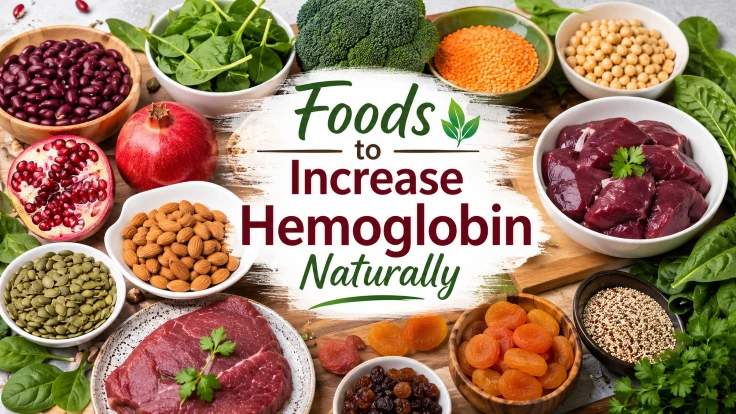
Here are 15 best foods to increase hemoglobin naturally. If you are feeling tired for an unexplained reason, noticing that your skin looks paler than normal, or getting short of breath while climbing stairs, it may be worth looking at your diet. When low hemoglobin is linked to diet rather than an underlying medical condition, eating the right combination of foods rich in iron can help support healthy hemoglobin levels. Including Nutrition & Healthy Food choices in your daily meals can also provide essential nutrients your body needs. This guide explains why these foods are beneficial and how you can add them to your everyday diet without following complicated diet plans.
Hemoglobin is what carries oxygen through your body, so even a mild dip can leave you feeling tired, foggy, or short of breath during everyday activities. Whether you’ve just been told your hemoglobin is on the lower side, you belong to a higher-risk group like pregnant women, vegetarians, or teens, or you simply want to eat in a way that supports healthy blood levels, this guide is written for you.
We’ll also look at what hemoglobin is, the warning signs of iron deficiency as outlined by the NIH, what’s preventing your body from absorbing iron correctly, and when it’s time to seek a doctor’s advice — touching along the way on the nutrients that matter most here, namely iron, vitamin B12, and folate.
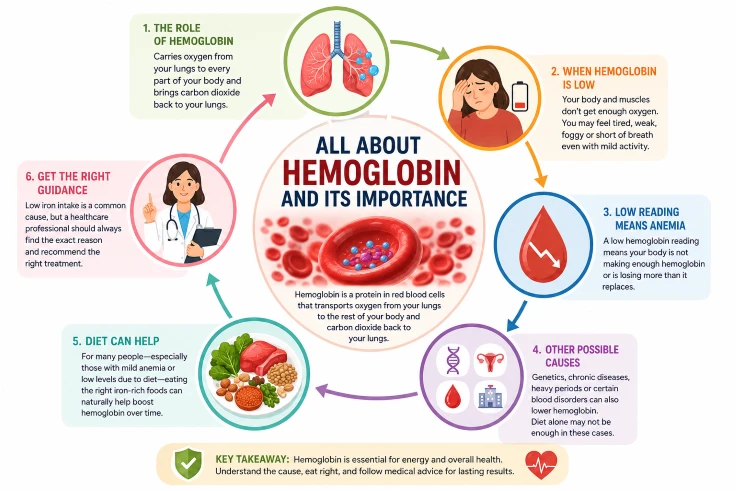
All About Hemoglobin And Its Importance.
Hemoglobin is a protein that is present in your red blood cells. It only has one simple but crucial function: It transports oxygen from your lungs to all the rest of your body and carbon dioxide back to your lungs. Consider it to be your body’s delivery service. If the hemoglobin decreases, the organs and muscles don’t receive enough oxygen, and that’s when you feel drained, foggy or short of breath during mild exertion.
A “low” hemoglobin reading is indicative that your body is not generating enough hemoglobin, or that it is losing more hemoglobin than it is replacing. This condition may be known as anemia, as explained by the Mayo Clinic. It should be reiterated: Diet alone will not cure all cases. Sometimes, however, hemoglobin can be reduced by other factors, such as genetics, chronic diseases, heavy periods or certain blood disorders, and these are other instances when a change in meals is not sufficient. However, for many people – particularly those with low levels of hemoglobin due to mild anemia or diet – choosing the right foods to boost hemoglobin levels naturally over time can have a significant impact.
If you experience any of the following signs or symptoms of low hemoglobin, please make an appointment to see your doctor.
The Problem of Low Hemoglobin is not Always Obvious.
They live with it for a number of months and then they realize something is wrong. The more common symptoms are: tiredness, which does not go away even after resting; pallor or yellowing of the skin; shortness of breath with normal activities; dizziness or lightheadedness; cold hands or feet; and an unusual craving for ice or starchy foods.
Each of these symptoms alone doesn’t indicate low hemoglobin — many other conditions can have the same symptoms. However, if some of these aren’t unfamiliar and continue for a longer period of time, it’s a reason enough to have a basic blood test.
The Population At the Greatest Risk of Low Hemoglobin?
There are also people who are more prone to low hemoglobin than others, for reasons that are not necessarily reflected in the count of the foods that they eat on paper.
- Women that experience heavy periods — they are losing iron each month from those periods that they may not be aware of.
- Pregnant women – hemoglobin is monitored closely during pregnancy, as it is important to take in enough iron to keep the baby growing.
- Rapid growth of children and teenagers requires additional iron and B12.
- Vegetarians and vegans – plant-based iron is less well absorbed by the body, making its intake more likely to be insufficient in the long run.
- Elderly people — may not eat as much as they used to, or they may not eat as well, resulting in undetected nutritional deficiencies.
If you’re aware of which of these categories you fall into, you can make a little more effort to eat foods high in iron regularly rather than when symptoms appear first.
The Effect of Food on Increasing The Level of Hemoglobin Naturally
A few nutrients are required for the normal production of hemoglobin in your body, and each one has a different role. The main nutrient is Iron. There are two types: heme iron, which is found in animal foods such as meat and fish and is absorbed more easily by the body, and non-heme iron, which is found in plant foods such as lentils and spinach and is absorbed less efficiently. Vitamin B12 and folate are also important because a deficiency in either nutrient can contribute to anaemia, even when iron intake is adequate. Vitamin C can also help improve the absorption of non-heme iron, so pairing iron-rich foods with vitamin C-rich foods can be a useful dietary habit. Following a balanced diet and nutrition plan can help you include these important nutrients in your daily meals.
Drinking enough water and maintaining good digestive health are also important for overall nutrition. Staying hydrated supports normal body functions, while a healthy digestive system helps your body absorb essential nutrients from food. Even a well-planned diet may not provide the expected benefits if your body cannot absorb nutrients properly.
The following list includes some of the best foods that can support healthy hemoglobin levels. It includes both vegetarian and non-vegetarian options, so you can choose foods that suit your dietary preferences and everyday meals.
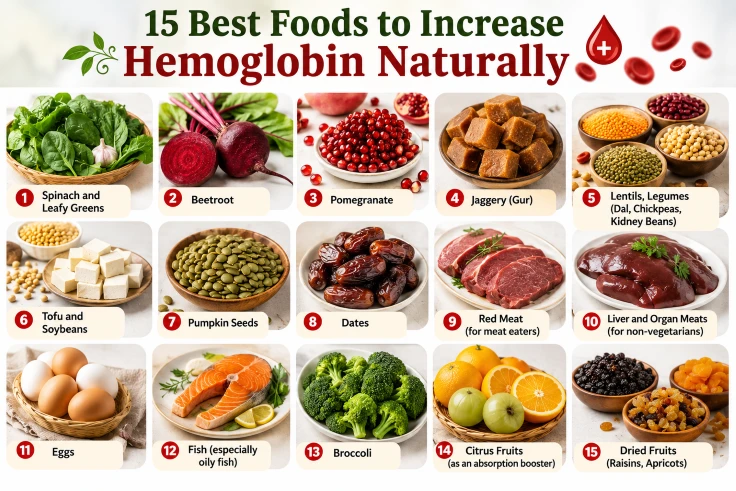
15 Foods That Increase Hemoglobin Naturally
1. Spinach and Leafy Greens
Dark green vegetables such as spinach, fenugreek leaves are good source of non-heme iron and folate. Make a few into small amounts for a quick side dish, sprinkled with garlic, or add to your dal.
2. Beetroot
Beets are rich in folate and iron, and are a popular addition to salads or juice. It is nice to have a grated beetroot and carrot salad for lunch every day.
3. Pomegranate
As well as iron, Pomegranate is also rich in vitamin C to provide a mild absorption boost in the same bite. Store the pomegranate seeds in the fridge and enjoy as snacks.
4. Jaggery (Gur)
Jaggery is a popular sweetener in most homes, and also provides iron. It’s a low effort, simple after-meal habit.
5. Lentils, Legumes (Dal, Chickpeas, Kidney Beans)
Lentils are a common source of non-heme iron and are also a good source of folate. This is one of the most convenient iron rich foods to include in your meals, as most people are regular users of dal.
6. Tofu and Soybeans
Soy foods are a good source of iron for vegetarians and vegans. A few times per week, tofu can also be easily substituted into a stir-fry or soybean curry to provide additional iron, as well.
7. Pumpkin Seeds
Small handfuls of roasted pumpkin seeds make a great snack that is particularly high in iron! Have a container on your desk to take a quick snack when you need it.
8. Dates
Dates have iron content and are sweet, so they can be a good alternative to sugar-based snacks. And the realistic and sustainable amount of dates is 2-3 dates per day.
9. Red Meat (for meat eaters)
Red meat is a good source of heme iron, the body absorbs more efficiently than plant-based iron sources. For hemoglobin, lean cuts can be consumed a couple of times a week and this still counts.
10. Liver and Organ Meats (for non-vegetarians)
Liver is one of the most concentrated food sources of iron and B12 that is found in nature. Not all people will like it, but even if it is used occasionally it can really have an effect.
11. Eggs
Eggs, of course, are a good source of iron, as well as B12; and while many people eat them for breakfast, others make them a part of their lunch and dinner.
12. Fish (especially oily fish)
Iron and B12 can be found in fish such as salmon, mackerel and sardines. Most people can aim to have 2 servings a week.
13. Broccoli
The iron in broccoli has a potent hit of vitamin C, making it easier for your body to absorb the iron in the broccoli. It is good steamed or sautéed lightly.
14. Citrus Fruits (as an absorption booster)
Oranges, lemons and amla (Indian gooseberry) do not have a lot of iron, but they can boost the iron absorbed from other foods. Add lemon on your dal or spinach to get a perfect combination.
15. Dried Fruits (Raisins, Apricots)
Dried fruits are compact, iron rich snack foods that are easy to take on the go. A small bunch of dried raisins and apricots is an easy snack to pack.
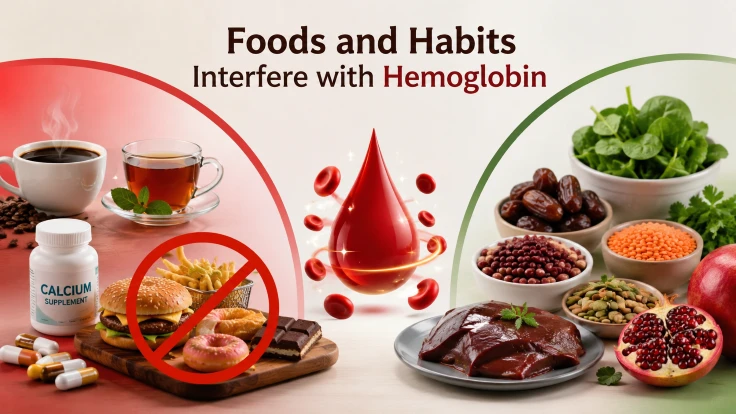
Foods And Habits That Interfere With Iron Absorption
While eating the right foods to boost hemoglobin naturally are a good start, there are some regular habits that can sabotage your efforts.
Coffee and/or Tea
Coffee and/or tea immediately after eating is a source of tannins which will reduce iron absorption. The easy fix is to try and wait for about an hour after eating before drinking your chai or coffee.
Calcium Supplements
Iron can be inhibited from absorption when given with calcium supplements, particularly in high doses with iron-rich foods. When taking a calcium supplement, consider taking it a few hours before or after the high iron meal.
Highly Processed Foods
Foods that are highly processed are often low in nutrients and loaded with additives, and tend to replace foods that are higher in nutrients. Even one processed snack a day can add up to weeks of replacing them with healthier options like dates or pumpkin seeds.
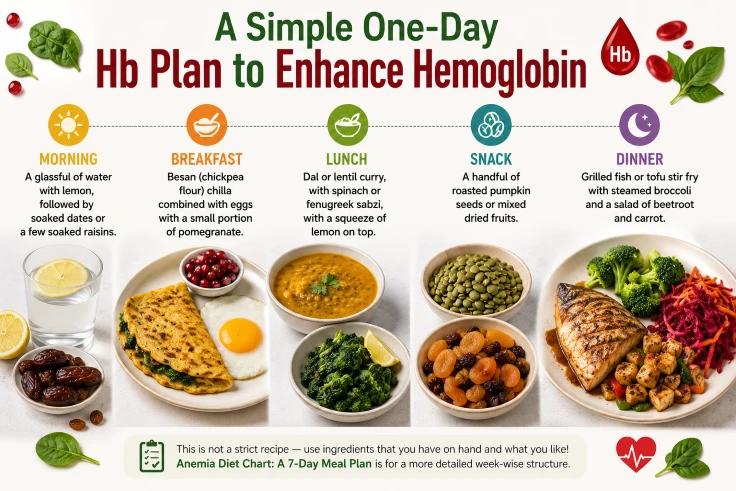
A Simple One-Day Hb Plan to Enhance Hemoglobin.
This is not a set list, but a typical day can be represented as follows:
- In the morning: A glassful of water with lemon, followed by soaked dates or a few soaked raisins.
- Breakfast: Besan (chickpea flour) chilla combined with eggs with a small portion of pomegranate.
- Lunch – Dal or lentil curry, with spinach or fenugreek sabzi, with a squeeze of lemon on top of the sabzi.
- Snack: A handful of roasted pumpkin seeds or mixed dried fruits.
- Dinner: Grilled fish or tofu stir fry with steamed broccoli and a salad of beetroot and carrot.
This is not a strict recipe — use ingredients that you have on hand and what you like! Anemia Diet Chart: A 7-Day Meal Plan is for a more detailed week-wise structure.
Here Are Some Helpful Tips For Making The Most of Your Food Choices.
Take iron containing foods together with a food high in vitamin C, if possible, at the same meal — this is one of the easiest ways to maximize absorption of iron. Another advantage of cooking in cast iron cookware is that it may also add a little more iron to the food you eat, especially when preparing an acidic dish such as a curry made with tomatoes. The most important thing to remember is that consistency is better than perfection: a few days of these foods each week over months will be far more beneficial to your hemoglobin than one day of the perfect iron rich diet, followed by a few weeks of your old diet.
Healthy Hemoglobin Levels: Life Style Habits
The majority of the work is done in the kitchen, but there are some daily habits that don’t get used to the cooktop that are important.
- Quality, consistent sleep enables your body to make good blood cells.
- Practice light exercise, such as walking or yoga, which increases blood flow and oxygen delivery to the body will make the symptoms of low hemoglobin less noticeable while your hemoglobin is getting back to normal.
- Chronic stress is also important because it can have an impact on digestion and thus nutrient absorption from food, too.
All of these healthy habits are not a replacement for a healthy diet, but when paired with the correct foods, they set up a more conducive environment for your body to restore healthy hemoglobin levels.
If you can’t get enough dietary fiber, consult a physician.
After a couple of weeks of proper nutrition, if you are still feeling tired all the time, or if the hemoglobin is very low in a blood test, it’s time to get a doctor’s help, not just food. If low hemoglobin is a result of an underlying cause such as an internal bleed, chronic disease, or genetic blood disease, the patient will need to be properly diagnosed and can require supplementation and/or medical management. Diet is a very effective and helpful tool, but is not a substitute for medical treatment in cases of severe deficiency.
Conclusion
The secret is not a single magic food, but a steady selection of foods that help to build up hemoglobin as well as a savvy mix of foods, day by day. The little changes, such as adding lemon to your dal, snacking on dates rather than chips, and eating fish twice a week, can make a big difference in the long term! However, if the symptoms are severe or you have extremely low levels, you should not only change your diet; a doctor can help you determine the cause of your condition. To get more information, check out Iron-Rich Foods for Vegetarians: A Complete List and Signs and Symptoms of Low Hemoglobin You Shouldn’t Ignore.
FAQs
Q1. What is the normal level of haemoglobin?
The normal range will be slightly different depending on the lab, but is approximately 13 to 17 g/dL for men and 12 to 15 g/dL for women. Your doctor can help you know what is normal for your age, sex and health history.
Q2. Are there fruits that can help raise hemoglobin and is milk a good absorber of iron?
Fruits such as pomegranate and citrus fruits are beneficial in providing iron, primarily because they aid in the absorption of iron, but they are not sufficient alone; these fruits are best combined with foods that are rich in iron, such as those from the legume family like lentils and leafy greens. Milk, however, has calcium which has the opposite effect on iron absorption from that of iron-rich foods – it hinders the absorption of iron when taken with a meal, so should be taken at least an hour or two after a meal high in iron.
Q3. Can one take iron without doctors' prescription?
It’s not recommended. Taking too much iron can be harmful, and taking supplements without knowing your actual iron levels can do more harm than good.
Q4. Will it be possible to have a too high hemoglobin due to too many iron-rich foods?
It’s highly improbable by consuming food — the body will naturally limit absorption of iron from food. This is more a problem with high dose iron supplements, so it’s best to only take them as directed by a healthcare provider.
Q5. Is low hemoglobin the same as anemia?
Not quite — low hemoglobin is one of the important signs and symptoms of diagnosing anemia, but anemia is the medical condition and can be attributed to a variety of factors beyond diet.
Conclusion
The secret is not a single magic food, but a steady selection of foods that help to build up hemoglobin as well as a savvy mix of foods, day by day. The little changes, such as adding lemon to your dal, snacking on dates rather than chips, and eating fish twice a week, can make a big difference in the long term! However, if the symptoms are severe or you have extremely low levels, you should not only change your diet; a doctor can help you determine the cause of your condition. To get more information, check out Iron-Rich Foods for Vegetarians: A Complete List and Signs and Symptoms of Low Hemoglobin You Shouldn’t Ignore.