

Introduction
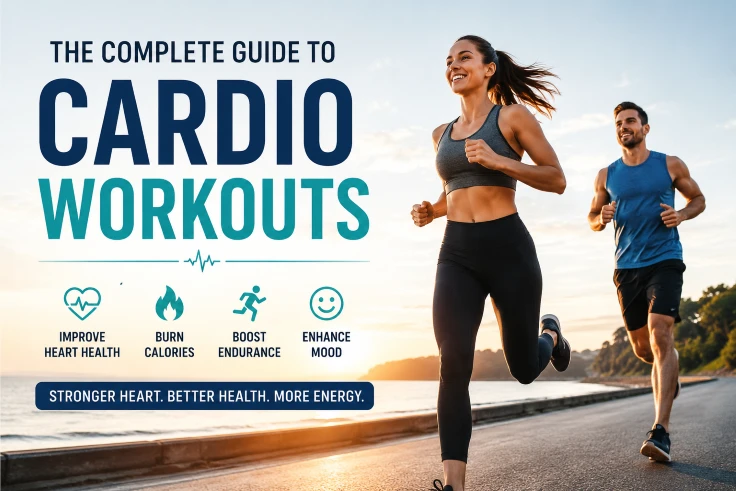
Cardio workouts are an important part of a balanced fitness routine. They can help improve cardiovascular fitness, build endurance, support healthy weight management and keep you physically active. Whether you are a beginner or already follow a regular exercise routine, there are many workout exercises that can be adjusted to your fitness level.
Walking, running, cycling, swimming, dancing and jumping rope are some popular forms of cardiovascular exercise. You do not always need a gym or expensive equipment to stay active. Simple activities at home or outdoors can also become part of an effective fitness routine.
This complete guide explains the benefits of cardio workouts, different types of cardio, beginner tips, workout ideas, common mistakes and ways to build a consistent routine.
What Are Cardio Workouts?
Cardio workouts, also called aerobic exercises, are physical activities that increase your heart rate and breathing for a period of time. They train your cardiovascular system and help improve your body’s ability to use oxygen during physical activity.
Common examples include:
- Walking
- Running
- Cycling
- Swimming
- Dancing
- Jumping rope
- Hiking
- Stair climbing
- Rowing
- HIIT workouts
The right activity depends on your fitness level, interests, available space and personal goals.
For more exercise ideas, explore our Workouts & Exercises category.
Why Are Cardio Workouts Important?
Regular physical activity can support several areas of health and fitness.
Supports Heart Health
Cardio exercises make the heart work harder and can improve cardiorespiratory fitness when performed regularly. Activities such as brisk walking, cycling and swimming are simple ways to include aerobic exercise in your routine.
Improves Endurance
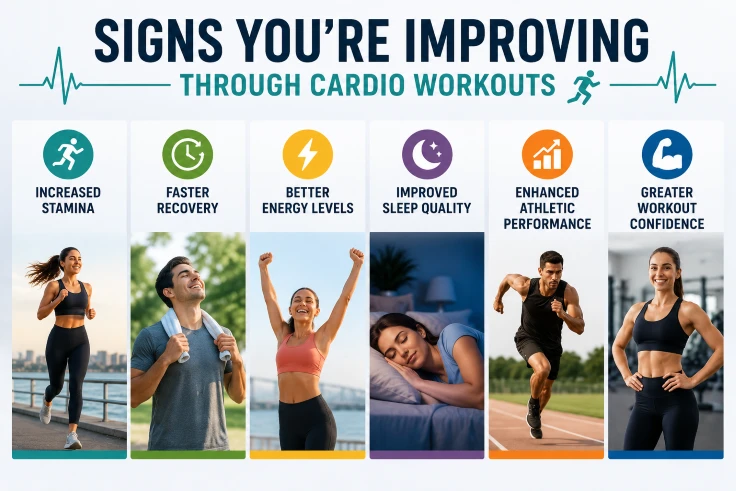
Consistent cardio training can help your body handle physical activity more efficiently. Over time, everyday activities such as walking, climbing stairs or completing household tasks may feel easier.
Supports Weight Management
Cardio increases energy expenditure and can support healthy weight management when combined with balanced nutrition and other forms of exercise. It should be viewed as one part of an overall healthy lifestyle rather than a quick weight-loss solution.
Helps Support Mental Well-Being
Physical activity can also support mood, stress management and general well-being. Choosing activities that you enjoy can make it easier to stay consistent.
Supports Better Fitness
A regular cardio routine can improve stamina and help you stay active. Combining cardio with strength training can create a more balanced approach to exercise and fitness.
Types of Cardio Workouts
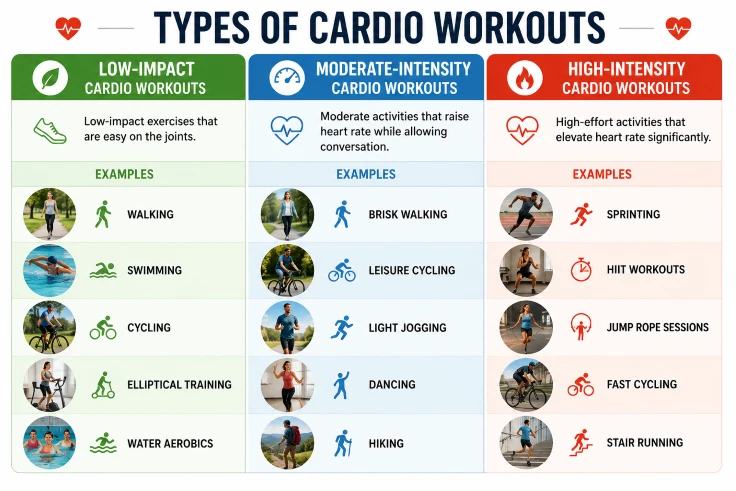
Cardio can be performed at different intensity levels. Choosing the right level can help you create a routine that suits your current ability.
Low-Impact Cardio
Low-impact activities place less stress on the joints while still keeping you active.
Examples include:
- Walking
- Swimming
- Cycling
- Water aerobics
- Elliptical training
These options can be useful for beginners who want to start gradually.
Moderate-Intensity Cardio
Moderate-intensity activities increase your heart rate and breathing while still allowing you to speak during the activity.
Examples include:
- Brisk walking
- Light cycling
- Dancing
- Hiking
- Light jogging
Vigorous Cardio
Vigorous activities require greater effort and usually make breathing harder.
Examples include:
- Running
- Fast cycling
- Jump rope
- Sprinting
- High-intensity interval training
If you are new to exercise, start with a comfortable level and gradually increase intensity.
Best Cardio Workouts for Beginners
Starting with simple activities can make it easier to develop a regular exercise habit.
Walking Workout
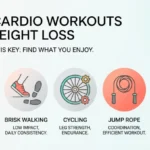
Walking is one of the easiest ways to begin. Start with a comfortable pace and gradually increase your walking time or speed.
Marching in Place
Marching in place is a convenient home workout. It requires little space and can be adjusted according to your fitness level.
Cycling
Cycling can provide a good cardiovascular workout while allowing you to control your pace. You can use a stationary cycle at home or cycle outdoors.
Dancing
Dancing can make exercise more enjoyable while keeping you moving. Choose music you enjoy and maintain a comfortable pace.
Swimming
Swimming works several muscle groups while providing cardiovascular exercise. It can also be a useful low-impact option.
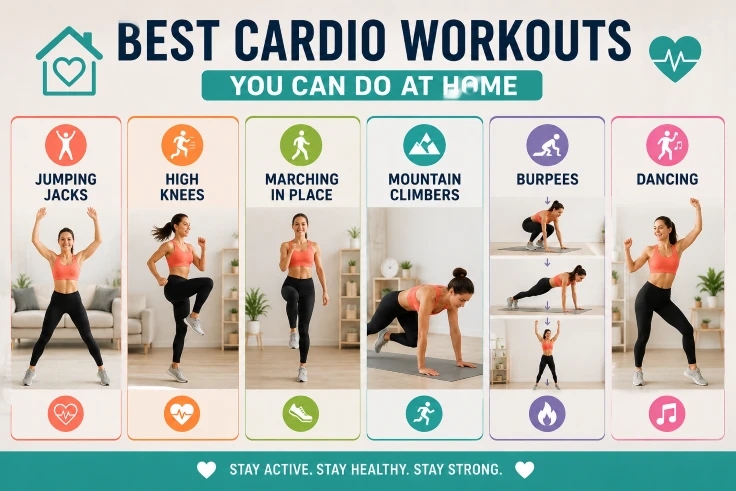
Cardio Workouts You Can Do at Home
You do not need a gym to perform effective cardio workouts. Try simple exercises such as:
- Jumping jacks
- High knees
- Marching in place
- Mountain climbers
- Burpees
- Step-ups
- Dancing
- Skipping
Beginners can start with shorter sessions and take breaks when needed. As fitness improves, gradually increase the duration or intensity.
Cardio Workouts for Weight Management
Cardio can be useful for people who want to support healthy weight management. Activities increase energy expenditure, while a balanced diet provides the nutrients needed to support an active lifestyle.
For better results, focus on consistency instead of trying to exercise at a very high intensity every day. Combining cardio with strength training, adequate sleep and balanced nutrition can support a sustainable fitness routine.
You can also explore our Diet and Nutrition Tips for practical information about healthy eating and nutrition.
How Often Should You Do Cardio?
The ideal amount of cardio depends on your age, fitness level, activity history and goals.
For general adult health, the World Health Organization recommends 150 to 300 minutes of moderate-intensity aerobic physical activity per week, or 75 to 150 minutes of vigorous-intensity activity, or an equivalent combination of both.
You do not need to complete all your activity in one session. Spread your workouts throughout the week and allow enough recovery between harder sessions.
If you are new to exercise, begin with smaller amounts and gradually increase your duration and intensity.
Sample Weekly Cardio Routine
A simple weekly routine could look like this:
Day | Activity |
Monday | 30-minute brisk walk |
Tuesday | Light strength training |
Wednesday | Cycling or dancing |
Thursday | Rest or light walking |
Friday | 30-minute cardio workout |
Saturday | Hiking, swimming or recreational activity |
Sunday | Rest or gentle movement |
You can change the activities according to your schedule and fitness level.
Cardio Workouts vs Strength Training
Cardio and strength training provide different benefits, so you do not necessarily need to choose between them.
Cardio can help:
- Improve endurance
- Support cardiovascular fitness
- Increase daily energy expenditure
- Improve stamina
Strength training can help:
- Build and maintain muscle
- Improve strength
- Support bone health
- Improve functional fitness
A balanced fitness routine can include both forms of exercise along with recovery.

Common Cardio Workout Mistakes
Avoiding common mistakes can make your routine more comfortable and sustainable.
Doing Too Much Too Soon
Increasing workout duration or intensity too quickly can make it harder to maintain your routine. Progress gradually.
Skipping Warm-Ups
A short warm-up can prepare your body for exercise. Begin with gentle movements before moving into more demanding activity.
Ignoring Recovery
Your body needs time to recover. Include rest or lighter activity between challenging sessions.
Poor Exercise Technique
Focus on controlled movements and proper form, especially when performing exercises such as burpees, mountain climbers or jumping exercises.
Forgetting Hydration
Drink enough fluids throughout the day, particularly when exercising in hot or humid conditions.
How to Make Cardio More Effective?
Small changes can make your routine easier to maintain.
Choose Activities You Enjoy
You are more likely to continue exercising when you enjoy the activity. Try different options until you find what works for you.
Increase Intensity Gradually
As your fitness improves, you can slowly increase your pace, duration or resistance.
Mix Different Activities
Combining walking, cycling, dancing, swimming and other activities can keep your routine interesting.
Track Your Progress
You can record workout duration, frequency, distance or how you feel during exercise. Tracking small improvements can help maintain motivation.
Stay Consistent
Regular moderate exercise is often more sustainable than occasional intense workouts. Focus on building a routine that fits your lifestyle.
When Should You Start a Cardio Routine?
There is no need to wait for the perfect time to become more active. Start with an activity that feels manageable and gradually build your routine.
If you have been inactive for a long time or have a health condition, speak with a qualified healthcare professional about suitable activity levels before starting a new exercise programme.
The American Heart Association recommends at least 150 minutes of moderate-intensity aerobic activity or 75 minutes of vigorous aerobic activity per week for adults, preferably spread throughout the week.
Tips for a Sustainable Cardio Routine
A sustainable routine should fit into your daily life rather than feel difficult to maintain.
Keep these points in mind:
- Set realistic fitness goals.
- Start with manageable workouts.
- Choose convenient activities.
- Increase intensity gradually.
- Include rest and recovery.
- Combine cardio with strength exercises.
- Support your routine with balanced nutrition.
- Make physical activity a regular part of your week.
Conclusion
Cardio workouts are a simple and flexible way to support cardiovascular fitness, endurance, weight management and overall wellness. From walking and cycling to running, swimming and home-based workout exercises, there are many options to suit different fitness levels.
The key is to start at a comfortable level, stay consistent and gradually increase your activity as your fitness improves. A balanced routine that includes cardio, strength training, healthy nutrition and recovery can support long-term fitness.
GoHealthyPro shares practical health, fitness and wellness information to help readers build healthier everyday habits. Explore the Fitness and Wellness Tips category for more useful exercise and fitness content.
What are cardio workouts?
Cardio workouts are exercises that increase your heart rate and breathing rate for an extended period. Activities such as walking, running, cycling, swimming, and dancing fall into this category. These exercises help improve cardiovascular fitness, endurance, and overall health while supporting an active lifestyle.
How many days a week should I do cardio workouts?
Most adults can benefit from cardio workouts three to five times per week. The exact frequency depends on individual goals, fitness levels, and exercise intensity. Combining moderate and vigorous activities while allowing adequate recovery can help maintain long-term consistency and support overall fitness improvements.
Are cardio workouts good for weight loss?
Cardio workouts can support weight management by increasing calorie expenditure and improving overall activity levels. When combined with a balanced diet, strength training, and healthy lifestyle habits, cardiovascular exercise can contribute to sustainable weight-loss efforts and improved physical fitness over time.
Which cardio workout is best for beginners?
Walking is often considered one of the best cardio workouts for beginners because it is simple, accessible, and low impact. Other beginner-friendly options include cycling, swimming, marching in place, and low-intensity dance workouts. Starting gradually helps build confidence and endurance safely.
Can I do cardio workouts every day?
Many people can perform light or moderate cardio workouts daily, provided they allow adequate recovery and avoid excessive intensity. Mixing workout types and including rest or active recovery days can help prevent fatigue while supporting long-term fitness progress and overall well-being.
Is cardio better than strength training?
Cardio and strength training serve different purposes and complement each other. Cardio improves endurance and cardiovascular health, while strength training builds muscle and supports bone health. A balanced fitness routine that includes both forms of exercise often provides the most comprehensive health and fitness benefits.
Disclaimer
“This article is only for general health awareness and tips. It is not medically suggested advice. Please consult a qualified healthcare professional for medical guidance.”