
Introduction
Starting the day with a healthy morning routine can support overall wellness. Choosing nutritious drinks in the morning is one simple way to stay hydrated and reduce the intake of sugary beverages. Some drinks, such as plain water, green tea, and lemon water, can fit easily into a balanced daily routine.
When it comes to Weight Loss, no morning drink can independently burn fat or guarantee results. Sustainable progress depends on balanced nutrition, regular physical activity, sufficient sleep, and consistent lifestyle habits.
In this article, discover seven morning drinks, how to prepare them, their potential benefits, and simple tips for including them in your daily routine.
7 Morning Drinks for Weight Loss
The following drinks are easy to prepare and can be part of a balanced morning routine. Choose options based on your taste, dietary preferences, and health needs.

1. Warm Lemon Water
Warm lemon water is a simple morning beverage that provides hydration and a refreshing citrus flavour. Lemon contains vitamin C, although the amount in a glass of lemon water depends on how much lemon juice is added.
How to prepare:
- Take one glass of warm water.
- Squeeze half a fresh lemon into it.
- Stir well and drink.
Potential benefits:
- Supports daily hydration.
- Offers a refreshing alternative to sugary drinks.
- Provides a small amount of vitamin C.
Lemon water does not directly burn body fat, but it can be a convenient low-calorie drink.
2. Green Tea
Green tea contains natural plant compounds called catechins and a small amount of caffeine. It is often included in wellness routines because it is a low-calorie alternative to sweetened beverages.
How to prepare:
- Heat one cup of water.
- Add a green tea bag or one teaspoon of green tea leaves.
- Steep for two to three minutes, according to the product instructions.
- Remove the tea leaves or bag and enjoy.
Potential benefits:
- Provides antioxidants called polyphenols.
- Offers a low-calorie beverage option.
- May have modest effects on energy expenditure, although evidence for meaningful weight reduction is limited.
Avoid adding excessive sugar, and consider its caffeine content if sensitive to caffeine.
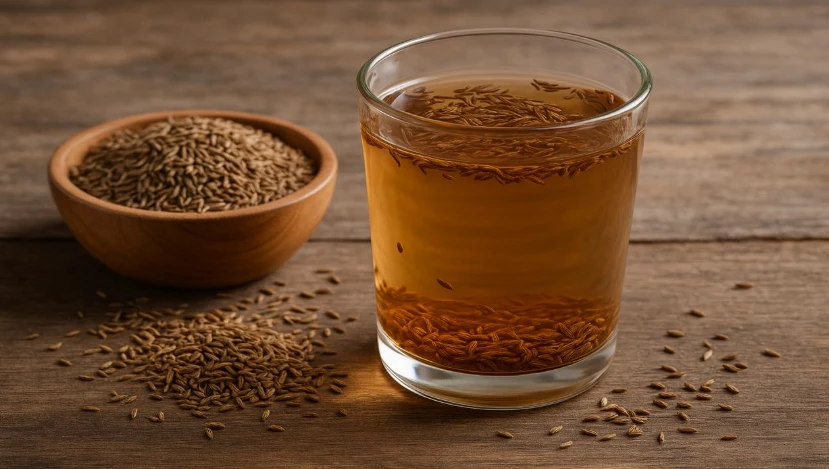
3. Jeera Water
Jeera water, also known as cumin water, is a traditional homemade beverage prepared using cumin seeds. It is commonly consumed in Indian households and can add variety to a morning hydration routine.
How to prepare:
- Add one teaspoon of cumin seeds to a glass of water.
- Boil for approximately five minutes.
- Allow the mixture to cool slightly.
- Strain and serve warm.
Potential benefits:
- Provides a flavourful alternative to plain water.
- Can help maintain hydration.
- Fits into a balanced eating routine when consumed without added sugar.
Scientific evidence that cumin water directly promotes fat loss remains limited. For more details, read our guide on Jeera Water for Weight Loss: Benefits, Preparation and Tips.
4. Ginger Water
Ginger water is a simple beverage made by steeping fresh ginger in hot water. Its naturally spicy flavour makes it a refreshing choice, especially during cooler mornings.
How to prepare:
- Slice a small piece of fresh ginger.
- Add it to one cup of hot water.
- Let it steep for five to ten minutes.
- Strain and drink.
Potential benefits:
- Provides a caffeine-free hydration option.
- Contains naturally occurring ginger compounds.
- May be soothing for some people experiencing mild digestive discomfort.
Ginger water should not be considered a fat-burning drink. Its effects on body weight are not well established.
5. Cucumber-Infused Water
Cucumber-infused water is a refreshing drink that can make hydration more enjoyable. Cucumber has a high water content and adds a mild flavour without significantly increasing calories.
How to prepare:
- Wash and slice half a cucumber.
- Add the slices to a jug of water.
- Refrigerate for 30 minutes.
- Pour into a glass and enjoy.
Potential benefits:
- Helps increase fluid intake.
- Offers a refreshing alternative to sweetened drinks.
- Adds flavour without requiring added sugar.
6. Cinnamon Water
Cinnamon water is another simple drink that can be prepared using common kitchen ingredients. Cinnamon contains plant compounds with antioxidant properties.
How to prepare:
- Add a small cinnamon stick to one cup of water.
- Simmer for five minutes.
- Allow it to steep briefly.
- Strain and drink when comfortably warm.
Potential benefits:
- Provides a naturally flavoured beverage.
- Offers an alternative to sugary morning drinks.
- Contains naturally occurring antioxidant compounds.
There is not enough reliable evidence to establish cinnamon water as an effective weight-loss drink. Avoid consuming large amounts of cinnamon regularly, particularly cassia cinnamon, which contains coumarin.
7. Plain Warm Water
Plain warm water is one of the simplest ways to begin the day. It does not require additional ingredients and can be enjoyed according to personal preference.
How to prepare:
- Heat a glass of drinking water.
- Allow it to cool to a comfortable temperature.
- Drink it slowly.
Potential benefits:
- Supports hydration after waking up.
- Contains no calories.
- Provides a simple alternative to sweetened beverages.
Warm water does not offer special fat-burning effects compared with regular water. Both can contribute to daily hydration.
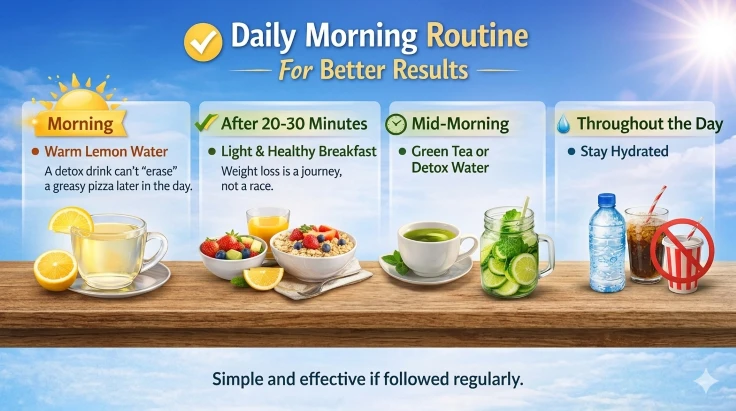
Daily Morning Routine For Better Results
Here’s a simple routine you can follow:
Morning:
Start your day with warm lemon water like Neha eventually did.
After 20–30 minutes:
Have a light and healthy breakfast such as fruits, oats, or poha.
Mid-Morning:
Drink green tea or detox water.
Throughout the Day:
Stay hydrated and avoid sugary drinks.
This routine is simple but effective if followed regularly.
Healthy Morning Habits That Support Weight Loss
Morning drinks can complement a healthy routine, but everyday habits play a more important role in long-term results. The CDC’s healthy weight guidance highlights balanced eating, physical activity, and sufficient sleep.
Start Your Day With Movement
Try walking, stretching, or yoga. The WHO physical activity recommendations explain the benefits of regular exercise.
Stay Hydrated
Drink enough water throughout the day to support hydration and overall health.
Limit Sugary Drinks
Choose plain water or unsweetened tea instead of sugary beverages. Read the CDC guide to added sugars to understand their impact on your diet.
Maintain a Consistent Sleep Schedule
Maintain regular sleep habits to support overall health, appetite regulation, and energy levels.
What are the best weight loss drinks in the morning?
Drinks like lemon water, jeera water, and green tea are excellent, easy-to-make weight loss drinks that suit most people.
Can I drink lemon water every morning?
Most people can enjoy lemon water regularly if it suits their digestive health. However, frequent exposure to acidic drinks may affect tooth enamel. Consider diluting lemon juice and rinsing your mouth with plain water afterward.
Does green tea burn belly fat?
Green tea contains compounds that may have modest effects on metabolism, but evidence does not establish that it specifically burns belly fat or produces substantial weight loss.
Should I drink morning beverages on an empty stomach?
There is no general requirement to drink these beverages on an empty stomach. Choose a time that feels comfortable and suits your daily routine.
Can morning drinks replace breakfast?
Most of these beverages do not provide sufficient calories, protein, fibre, and other nutrients to replace a balanced breakfast. They are intended to complement meals, not replace them.
Conclusion
Morning drinks such as lemon water, green tea, jeera water, ginger water, and cucumber-infused water can make a healthy morning routine more enjoyable. They provide hydration and can serve as alternatives to sugary beverages, but none is a guaranteed solution for losing body fat.
Focus on balanced meals, regular physical activity, sufficient sleep, and realistic lifestyle changes to support long-term Weight Loss goals. Explore more general nutrition and wellness information on GoHealthyPro to build sustainable daily habits.
Disclaimer: This article is intended for general health awareness and educational purposes only. It does not provide medical advice, diagnosis, or treatment. Please consult a qualified healthcare professional for personalised medical guidance.