

Introduction
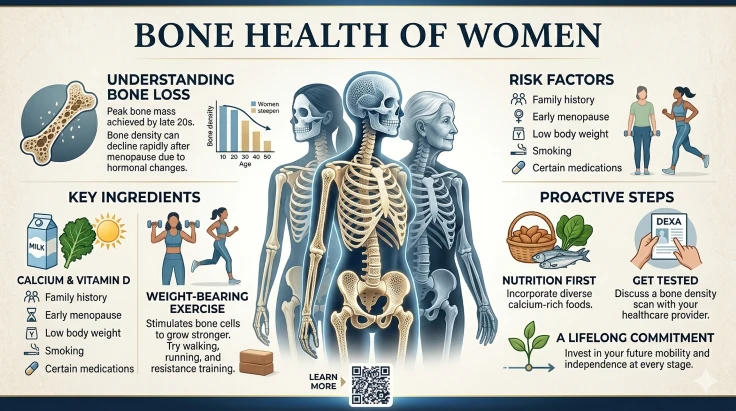
Bone health of women becomes increasingly important after the age of 40 as hormonal changes, aging, and lifestyle factors begin to affect bone strength. Many women experience a gradual decline in bone density during their forties, which can accelerate after menopause due to reduced estrogen levels. This natural process increases the risk of osteoporosis, fractures, and mobility issues later in life.
The good news is that there are several natural ways to maintain and improve bone strength. By making smart choices regarding nutrition, exercise, lifestyle habits, and preventive care, women can support healthier bones and reduce the risk of age-related bone loss. Understanding the factors that influence bone health and taking proactive steps early can help preserve strength, independence, and overall well-being for years to come.
This guide explores practical and effective strategies to improve the bone health of women naturally after 40.
Why Bone Health of Women Changes After 40
Bones constantly undergo a remodeling process where old bone tissue is replaced by new tissue. During younger years, bone formation occurs faster than bone breakdown. However, after age 40, this balance gradually shifts.
Several factors contribute to declining bone health:
- Reduced estrogen production
- Lower physical activity levels
- Nutritional deficiencies
- Age-related hormonal changes
- Decreased muscle mass
- Certain medications and medical conditions
Women generally have smaller bones than men, making them more vulnerable to age-related bone loss.
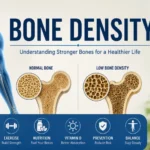
Understanding the Importance of Bone Health of Women
Healthy bones do more than prevent fractures. Strong bones support posture, protect internal organs, aid movement, and contribute to overall quality of life.
Benefits of maintaining healthy bones include:
- Improved mobility
- Better balance and stability
- Reduced fracture risk
- Enhanced physical independence
- Improved posture
- Greater confidence in daily activities
Prioritizing bone health today can help prevent serious complications in later years.
Best Nutrients for Bone Health of Women
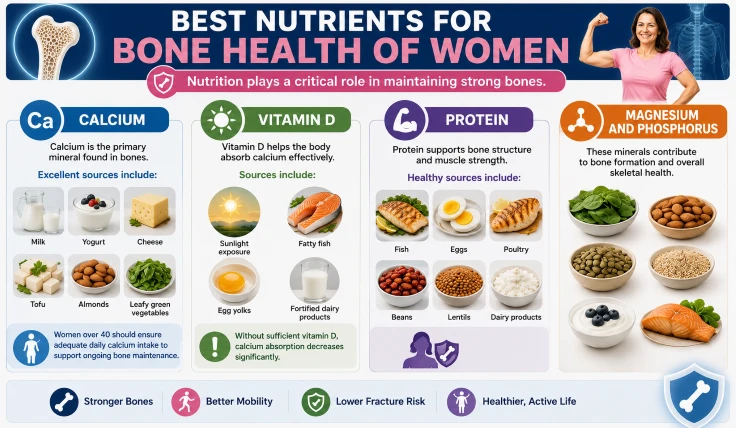
Nutrition plays a critical role in maintaining strong bones.
Calcium
Calcium is the primary mineral found in bones.
Excellent sources include:
- Milk
- Yogurt
- Cheese
- Tofu
- Almonds
- Leafy green vegetables
Women over 40 should ensure adequate daily calcium intake to support ongoing bone maintenance.
Vitamin D
Vitamin D helps the body absorb calcium effectively.
Sources include:
- Sunlight exposure
- Fatty fish
- Egg yolks
- Fortified dairy products
Without sufficient vitamin D, calcium absorption decreases significantly.
Protein
Protein supports bone structure and muscle strength.
Healthy sources include:
- Fish
- Eggs
- Poultry
- Beans
- Lentils
- Dairy products
Magnesium and Phosphorus
These minerals contribute to bone formation and overall skeletal health.
Weight-Bearing Exercises for Better Bone Health of Women
Exercise is one of the most effective natural tools for strengthening bones.
Weight-bearing exercises force the body to work against gravity, stimulating bone-building activity.
Walking
Walking is simple yet highly beneficial.
Benefits include:
- Strengthening leg bones
- Supporting joint health
- Improving circulation
- Enhancing endurance
Hiking
Hiking provides additional resistance through uneven terrain.
Benefits include:
- Greater muscle activation
- Improved balance
- Enhanced bone stimulation
Stair Climbing
Climbing stairs increases skeletal loading.
Benefits include:
- Improved lower-body strength
- Better cardiovascular fitness
- Increased bone-building stimulus
Dancing
Dancing combines movement, coordination, and weight-bearing activity. For a complete blueprint on building your fitness routine, check out our full breakdown of the Best Exercises to Improve Bone Density Naturally.
Benefits include:
- Improved flexibility
- Better balance
- Increased physical activity enjoyment
Strength Training and Bone Health of Women
Resistance training is especially important after age 40.
When muscles pull against bones during exercise, the body responds by strengthening bone tissue.
Effective exercises include:
Squats
Help strengthen the hips, thighs, and lower back.
Lunges
Improve balance while stimulating bone growth.
Deadlifts
Support spinal health and strengthen major muscle groups.
Resistance Bands
Provide effective training with minimal joint stress.
Aim for strength training at least two to three times per week.
The Connection Between Menopause and Bone Health of Women
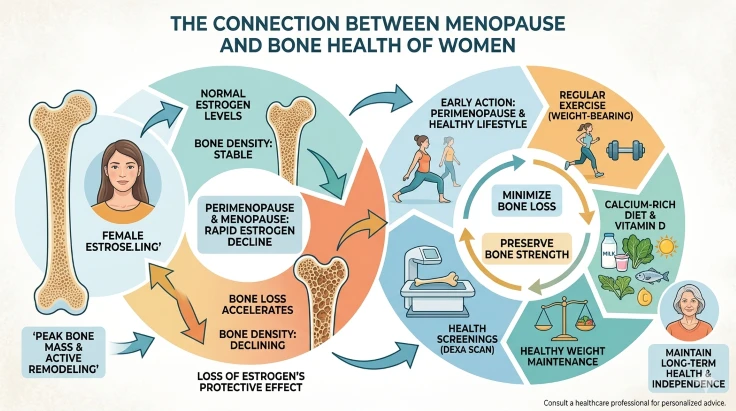
Menopause significantly impacts bone health because estrogen levels decline rapidly.
Estrogen helps regulate bone remodeling. When estrogen decreases:
- Bone loss accelerates
- Fracture risk increases
- Bone density declines faster
Women can help minimize these effects through:
- Regular exercise
- Calcium-rich diets
- Adequate vitamin D
- Healthy body weight maintenance
- Regular health screenings
Early action during perimenopause can help preserve bone strength.
Lifestyle Habits That Support Bone Health of Women
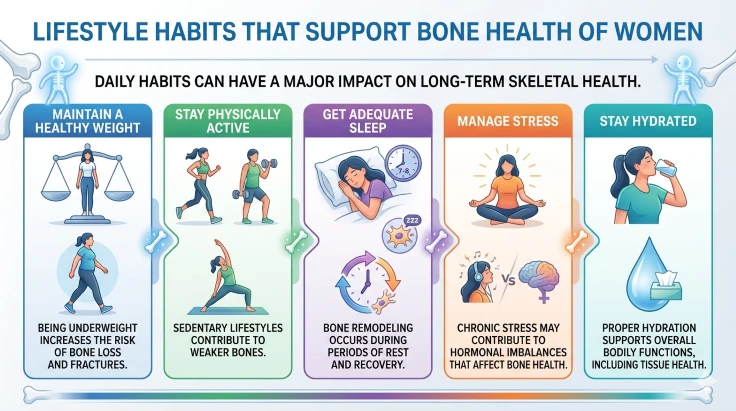
Daily habits can have a major impact on long-term skeletal health.
Maintain a Healthy Weight
Being underweight increases the risk of bone loss and fractures.
Stay Physically Active
Sedentary lifestyles contribute to weaker bones.
Get Adequate Sleep
Bone remodeling occurs during periods of rest and recovery.
Manage Stress
Chronic stress may contribute to hormonal imbalances that affect bone health.
Stay Hydrated
Proper hydration supports overall bodily functions, including tissue health.
Foods That Naturally Support Bone Health of Women
A nutrient-rich diet provides the foundation for healthy bones.
Dairy Products
Rich in calcium and protein.
Leafy Green Vegetables
Contain calcium, magnesium, and vitamin K.
Fatty Fish
Provide vitamin D and omega-3 fatty acids.
Nuts and Seeds
Offer magnesium, phosphorus, and healthy fats.
Legumes
Contain plant-based protein and important minerals.
Fruits
Many fruits provide antioxidants that support overall bone health.
A colorful, balanced diet helps provide the nutrients needed for stronger bones.
For a deeper dive into specific dietary choices, check out our guide on the Best Foods for Bone Health: What to Eat for Stronger Bones.
Common Habits That Harm Bone Health of Women
Certain lifestyle choices can accelerate bone loss.
Excessive Salt Intake
High sodium intake may increase calcium loss.
Smoking
Smoking is associated with lower bone density.
Excessive Alcohol Consumption
Alcohol can interfere with bone formation and calcium absorption.
Physical Inactivity
Lack of exercise weakens bones and muscles over time.
Poor Nutrition
Deficiencies in calcium, vitamin D, and protein can negatively affect bone strength.
Avoiding these habits can significantly improve long-term bone health.
The Role of Balance Training in Bone Health of Women
Falls are a major cause of fractures among older women.
Balance exercises help reduce this risk.
Examples include:
Single-Leg Stands
Improve stability and coordination.
Heel-to-Toe Walking
Enhances balance and body awareness.
Tai Chi
Improves flexibility, coordination, and fall prevention.
Adding balance training several times per week can help protect bone health.
Importance of Regular Bone Health Screenings
Routine medical evaluations help detect bone loss before fractures occur.
Screenings may include:
- Bone density tests
- Vitamin D assessments
- Calcium level evaluations
- Health history reviews
Women with a family history of osteoporosis should discuss screening schedules with their healthcare provider.
Early detection allows for timely intervention.
Creating a Daily Routine for Bone Health of Women
A simple daily routine can make a significant difference.
Morning
- Sunlight exposure
- Nutritious breakfast
- Light stretching
Afternoon
- Walking or physical activity
- Balanced meals rich in calcium
Evening
- Strength training or balance exercises
- Healthy dinner
- Quality sleep
Consistency is the key to long-term success.
Signs That Bone Health May Need Attention
Women should be aware of potential warning signs.
Possible indicators include:
- Frequent fractures
- Loss of height
- Back pain
- Stooped posture
- Reduced strength
- Difficulty with mobility
Seeking medical advice early can help identify potential bone-related concerns.
Conclusion
Improving the bone health of women naturally after 40 requires a combination of proper nutrition, regular exercise, healthy lifestyle habits, and preventive care. While aging and hormonal changes can contribute to bone loss, women have many effective tools available to maintain strong and resilient bones.
By focusing on calcium-rich foods, vitamin D, strength training, weight-bearing activities, balance exercises, and routine health screenings, women can significantly reduce their risk of osteoporosis and fractures. Small daily actions taken today can support stronger bones, greater mobility, and a healthier future.
FAQs
1. Why does bone health decline in women after 40?
Bone health often declines after 40 due to hormonal changes, particularly decreasing estrogen levels. Estrogen helps maintain bone density, and its reduction can accelerate bone loss. Combined with aging and reduced physical activity, this can increase the risk of osteoporosis and fractures over time.
2. What is the best exercise for improving bone health of women?
Weight-bearing and strength-training exercises are among the most effective options. Activities such as walking, stair climbing, squats, lunges, and resistance training stimulate bone-building processes while improving muscle strength, balance, and overall physical function, making them ideal for maintaining healthy bones.
3. How much calcium do women over 40 need daily?
Most women over 40 should aim to consume approximately 1,000 to 1,200 milligrams of calcium daily. This can be achieved through dairy products, leafy greens, fortified foods, and other calcium-rich sources. Adequate vitamin D intake is also important for effective calcium absorption.
4. Can menopause affect bone health significantly?
Yes, menopause can have a major impact on bone health. The decline in estrogen levels accelerates bone breakdown, often causing women to lose bone density more rapidly. Maintaining an active lifestyle and consuming bone-supporting nutrients can help minimize these effects and protect skeletal health.
5. Are balance exercises important for bone health?
Balance exercises are extremely important because they reduce the risk of falls, which are a leading cause of fractures in older women. Activities such as Tai Chi, heel-to-toe walking, and single-leg stands help improve stability, coordination, and confidence during daily movement.
Disclaimer
“This article is only for general health awareness and tips. It is not medically suggested advice. Please consult a qualified healthcare professional for medical guidance.”