
Introduction
A healthy lifestyle is built through small, consistent daily habits that support physical health, mental well-being and overall quality of life. From eating balanced meals and drinking enough water to staying active and getting quality sleep, simple choices can make a difference in everyday living. You do not need to change everything at once. Starting with manageable habits can make healthy living easier to maintain.
At GoHealthyPro, the goal is to share practical and trustworthy health information that helps readers understand everyday wellness. Whether you are improving your morning routine, managing stress or making better food choices, these 14 daily habits can help you create a balanced approach to health and well-being.
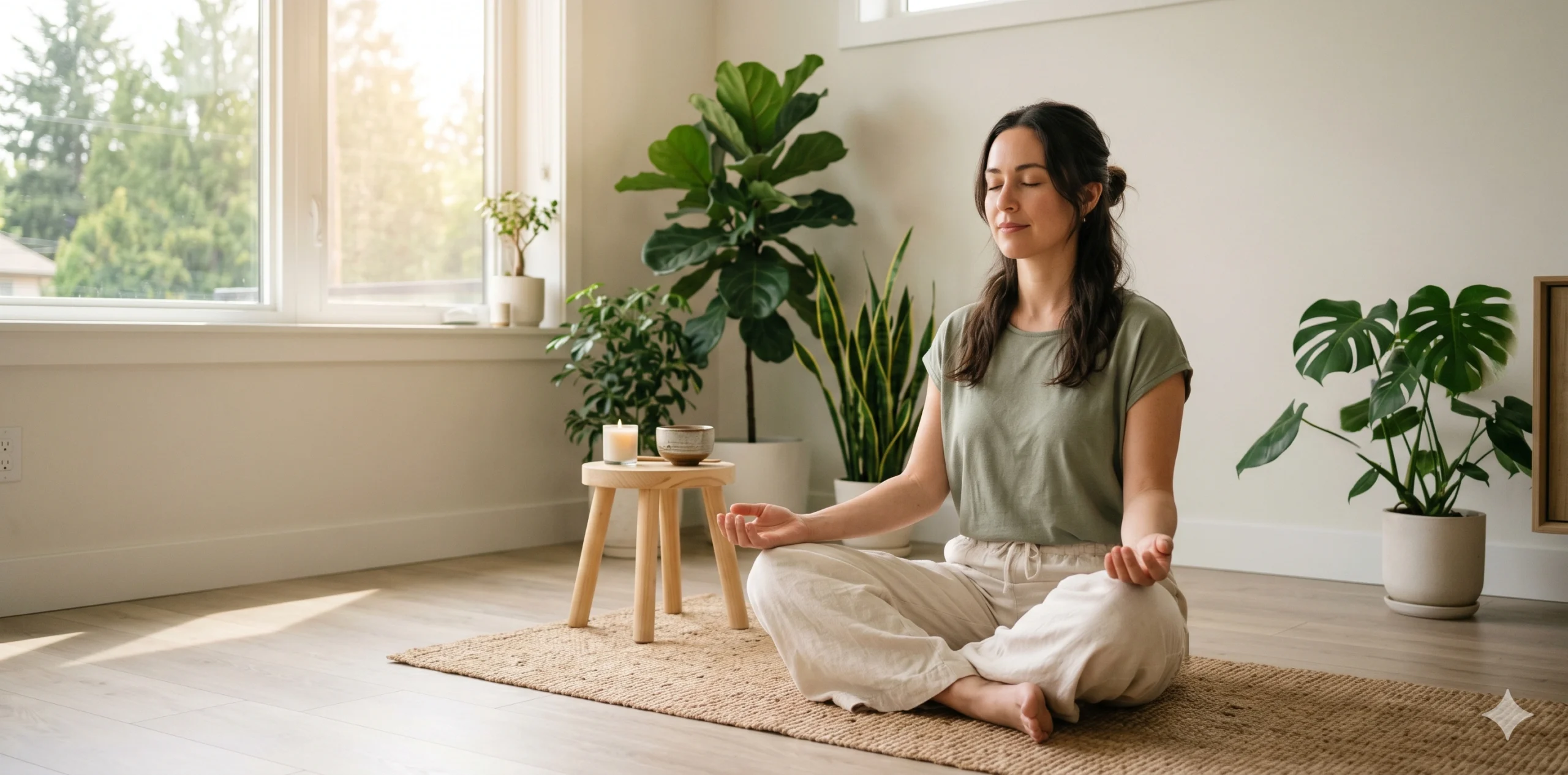
Healthy Lifestyle: 14 Daily Habits for Better Health and Well-Being
Developing healthy habits does not require an expensive diet plan or a complicated fitness routine. It starts with everyday decisions that fit your schedule, preferences and needs.
Here are 14 practical habits to include in your daily routine.
1. Start Your Day with a Consistent Morning Routine
A consistent morning routine can help you begin the day with a sense of structure. Instead of immediately checking your phone or rushing through your morning, give yourself time to wake up and prepare for the day.
Consider these simple morning habits:
- Wake up at a consistent time.
- Open your curtains and get some natural light.
- Drink water if you feel thirsty after waking up.
- Spend a few minutes stretching or walking.
- Plan your main tasks for the day.
You can also spend a few quiet minutes practising deep breathing or writing down your priorities. A realistic morning routine should suit your daily schedule rather than create unnecessary pressure.
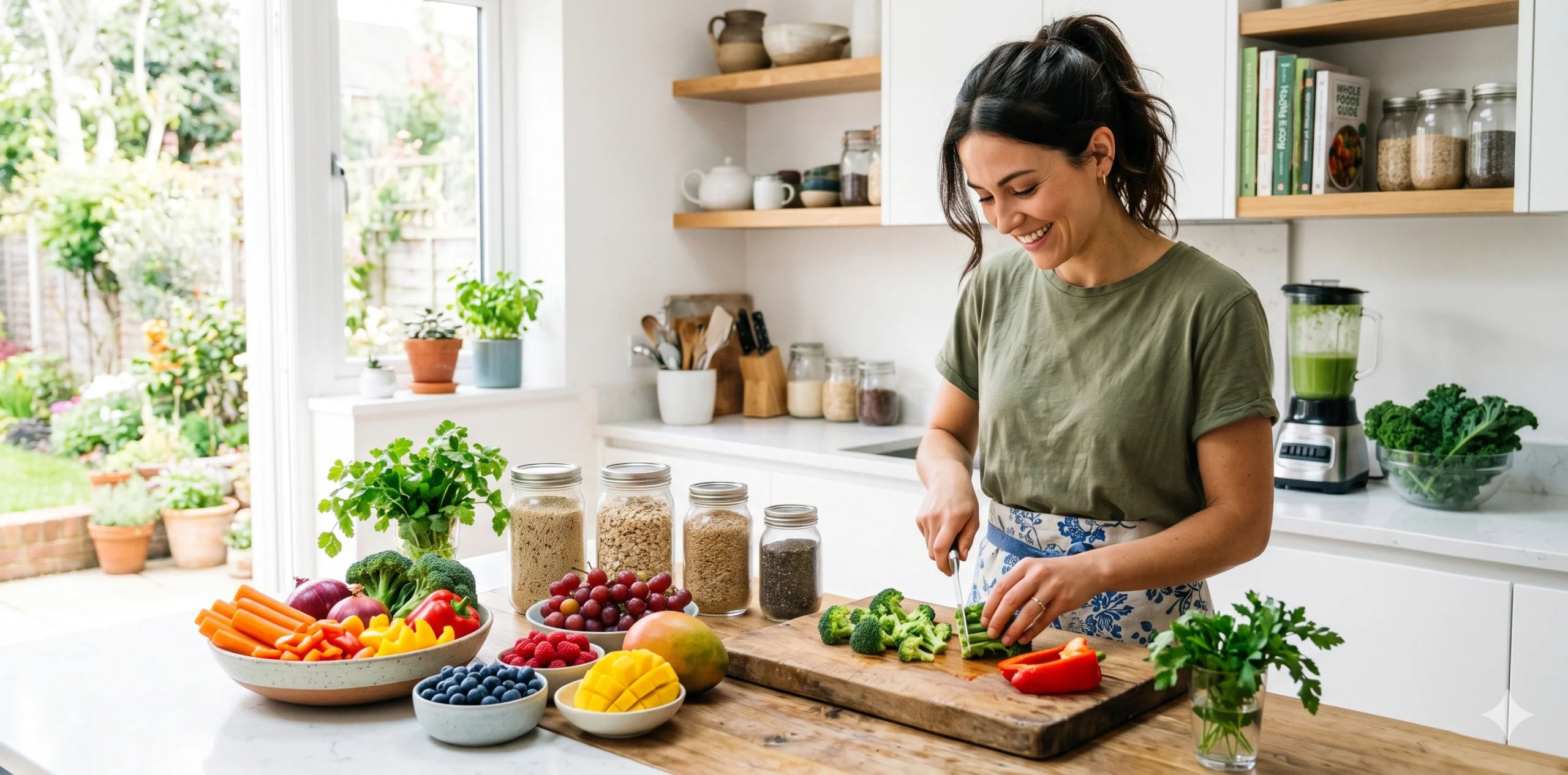
2. Eat a Balanced and Nutritious Diet
Food provides the energy and nutrients your body needs for everyday activities. A balanced diet includes different food groups in appropriate proportions rather than relying on one type of food.
Include a variety of nutritious foods in your meals, such as:
- Whole grains like roti, oats, brown rice and millets.
- Protein sources such as dal, beans, paneer, eggs and fish.
- Fruits and vegetables of different colours.
- Healthy fat sources such as nuts, seeds and suitable cooking oils.
- Milk, curd or fortified alternatives, depending on your dietary needs.
For Indian meals, a simple combination of dal, roti, seasonal vegetables, curd and salad can provide variety. Adjust your portions and food choices according to your needs and preferences.
For more meal ideas, read our related article on Healthy Food Tips for Better Digestion and Gut Health. Replace this link with the exact published article URL before uploading if it is not the intended destination.
3. Drink Enough Water Throughout the Day
Hydration is an important part of daily wellness. Water supports normal body functions, including temperature regulation, digestion and the transportation of nutrients.
Your hydration needs can vary depending on the weather, activity level, diet and individual health factors. Hot Indian summers and outdoor activities may increase fluid needs.
Try these practical habits:
- Keep a water bottle nearby.
- Drink water regularly throughout the day.
- Include water-rich foods such as cucumber, watermelon and oranges.
- Drink more fluids when you sweat during physical activity.
- Pay attention to thirst and other signs of dehydration.
Water is generally a suitable everyday drink. You do not need to force yourself to drink excessive amounts to maintain hydration.
4. Stay Physically Active Every Day
Regular physical activity supports heart health, muscle strength, flexibility and general fitness. It can also contribute to better sleep and emotional well-being.
You do not have to join a gym to stay active. Simple activities can fit into your daily routine.
Some options include:
- Walking in the morning or evening.
- Cycling to nearby places when practical.
- Doing yoga or gentle stretching.
- Dancing to your favourite music.
- Taking short movement breaks during long sitting periods.
- Playing an outdoor sport.
Adults are generally advised to aim for at least 150 minutes of moderate-intensity physical activity each week, along with muscle-strengthening activities on two or more days, as recommended by the
Start at a comfortable level and increase your activity gradually.
For additional ideas, explore our related article on Daily Fitness Routine: Simple Fitness Tips for Every Day.
5. Get Enough Quality Sleep
Sleep gives your body and mind time to rest and recover. Poor sleep habits can affect concentration, mood, energy and everyday functioning.
Most adults need at least seven hours of sleep each night, although individual needs vary.
To build better sleep habits:
- Follow a regular bedtime and wake-up schedule.
- Avoid heavy meals close to bedtime if they disturb your sleep.
- Keep your bedroom quiet, dark and comfortable.
- Reduce screen use before going to bed.
- Avoid caffeine late in the day if it affects your sleep.
- Develop a relaxing bedtime routine.
Reading a book, listening to calming music or doing gentle breathing exercises may help you unwind before sleeping.
If sleep difficulties continue or affect your daily life, consider seeking advice from a qualified healthcare professional.
6. Manage Stress in Healthy Ways
Stress is a normal part of life, but ongoing stress can affect emotional and physical well-being. Building healthy ways to manage everyday pressure can make daily life more manageable.
Try including some of these activities in your routine:
- Practise slow, comfortable breathing.
- Take short breaks between demanding tasks.
- Spend time on hobbies you enjoy.
- Go for a walk outdoors.
- Talk to a trusted friend or family member.
- Divide large tasks into smaller steps.
You can also practise mindfulness by paying attention to the present moment without judging your thoughts or feelings.
Stress-management techniques work differently for different people. If stress becomes overwhelming or persistent, professional support may be helpful.
7. Take Care of Your Mental Well-Being
Mental well-being is an essential part of a healthy lifestyle. It includes how you manage emotions, respond to challenges, maintain relationships and handle everyday responsibilities.
Taking care of your mental health does not mean feeling happy all the time. It means developing habits that support emotional balance and help you recognise when you need support.
Useful habits include:
- Setting realistic daily goals.
- Making time for enjoyable activities.
- Maintaining a regular sleep schedule.
- Practising self-compassion.
- Taking breaks when you feel mentally tired.
- Sharing your feelings with someone you trust.
Avoid comparing your progress with other people’s routines or achievements. Focus on habits that make sense for your own circumstances.
You can also read Daily Habits for Better Mental Health and Wellness and replace the homepage link with the exact published blog URL when adding the internal link.
8. Spend Time Outdoors
Spending time outdoors can add variety to your daily routine and encourage physical movement. Natural light, fresh air and outdoor activities can also support your general well-being.
You can make outdoor time part of your everyday life by:
- Taking a short walk in a nearby park.
- Gardening or caring for plants.
- Enjoying your morning tea on a balcony.
- Walking with family or friends.
- Spending time in a green space during breaks.
Even a short outdoor break can provide a refreshing change from indoor activities. During hot weather, choose cooler hours, wear suitable clothing and protect yourself from excessive sun exposure.
9. Maintain Good Personal Hygiene
Personal hygiene helps you maintain cleanliness and reduce the spread of many common infections. Simple hygiene practices are an important part of daily health.
Follow these habits regularly:
- Wash your hands with soap and water, especially before eating and after using the toilet.
- Brush your teeth twice a day with fluoride toothpaste.
- Bathe regularly according to your activity level and personal needs.
- Keep your nails clean and trimmed.
- Wear clean clothes and change sweaty clothing.
- Maintain a clean kitchen and living environment.
Handwashing is particularly important when preparing food, caring for someone who is unwell or returning home from crowded places.
Good hygiene is not about following complicated routines. Consistent, simple practices can help you care for yourself and those around you.
10. Limit Processed Foods and Excess Sugar
Convenience foods can be useful when you have a busy schedule. However, regularly consuming large amounts of foods high in added sugar, salt and unhealthy fats may make it harder to maintain balanced eating habits.
Instead of eliminating every packaged food, focus on improving your everyday choices.
Try these practical changes:
- Choose fresh fruit instead of sugary snacks more often.
- Reduce the frequency of sugary drinks.
- Compare food labels when buying packaged products.
- Include homemade meals in your weekly routine.
- Choose roasted nuts, fruit or homemade snacks when convenient.
- Use salt and added sugar in moderation.
Indian food offers many simple options, such as vegetable poha, dal, homemade roti, sprouts and seasonal fruit. The aim is to create a varied eating pattern rather than follow strict food rules.
11. Build Healthy Screen-Time Habits
Digital devices are part of work, education and entertainment. However, long periods of screen use can reduce movement, interrupt sleep and contribute to eye discomfort.
Healthy screen habits can help you create a better balance between online and offline activities.
Consider these steps:
- Take regular breaks during long periods of computer work.
- Avoid using your phone while eating whenever possible.
- Reduce unnecessary notifications.
- Keep screens away from your bedtime routine.
- Spend some free time reading, walking or pursuing offline hobbies.
- Adjust your screen brightness and viewing distance for comfort.
If you work at a desk, get up periodically and stretch. Short movement breaks can help interrupt long periods of sitting.
12. Maintain Meaningful Social Connections
Healthy relationships can contribute to emotional well-being and provide a sense of belonging. Making time for friends, family and supportive communities is an important part of a balanced lifestyle.
You can maintain social connections through simple activities:
- Have regular conversations with family members.
- Share meals with friends.
- Participate in community activities.
- Call someone you have not spoken to recently.
- Make time for shared hobbies.
- Offer support and listen when someone needs to talk.
Social connection does not require a large social circle. A few supportive and meaningful relationships can be valuable.
At the same time, respect your personal boundaries and make room for quiet time when you need it.
13. Follow Regular Preventive Health Practices
Preventive health practices help you stay informed about your general health and identify issues that may need attention.
Rather than waiting until you feel unwell, make appropriate preventive care part of your long-term routine.
Some useful practices include:
- Keeping vaccinations up to date according to professional guidance.
- Attending recommended health check-ups.
- Following appropriate dental care routines.
- Seeking professional advice about persistent or unusual symptoms.
- Discussing age- and risk-appropriate screening with a healthcare professional.
- Avoiding tobacco and limiting exposure to harmful substances.
Preventive care needs vary according to age, medical history, family history and other individual factors. Not everyone needs the same tests or screening schedule.
Regular health awareness should support informed decisions rather than create unnecessary worry.
14. Stay Consistent with Small, Healthy Changes
One of the most useful healthy lifestyle tips is to focus on consistency instead of perfection. Trying to change every habit at once can feel overwhelming and make a routine difficult to maintain.
Start with one or two manageable changes. For example, walk for 15 minutes after dinner, add a serving of vegetables to lunch or establish a regular bedtime.
You can build on your progress by:
- Setting realistic weekly goals.
- Tracking habits using a simple calendar.
- Celebrating small achievements.
- Adjusting routines when your schedule changes.
- Returning to your habits after occasional interruptions.
Remember that a healthy routine does not need to look the same every day. Flexibility helps you maintain habits through busy periods, travel and unexpected changes.
How to Build a Healthy Lifestyle That Lasts?
Knowing which habits support health is one thing. Making those habits part of everyday life is another. A sustainable routine should fit your schedule, budget, food preferences and activity level.
According to the World Health Organization’s healthy diet recommendations, a balanced diet that includes a variety of nutritious foods is an important part of maintaining overall health.
Here are some practical ways to make healthy living easier:
- Start small: Choose one habit you can realistically practise every day.
- Plan your meals: Keep simple ingredients available to make balanced meals easier.
- Schedule movement: Find a convenient time for walking, exercise or stretching.
- Create a sleep routine: Aim for consistent sleep and wake-up times.
- Make time for yourself: Include activities that support relaxation and mental well-being.
- Review your progress: Notice what works and adjust habits that feel difficult to maintain.
For example, a simple daily routine might include a balanced breakfast, regular water breaks, walking during the day, a nutritious lunch, some relaxing evening activity and a consistent bedtime.