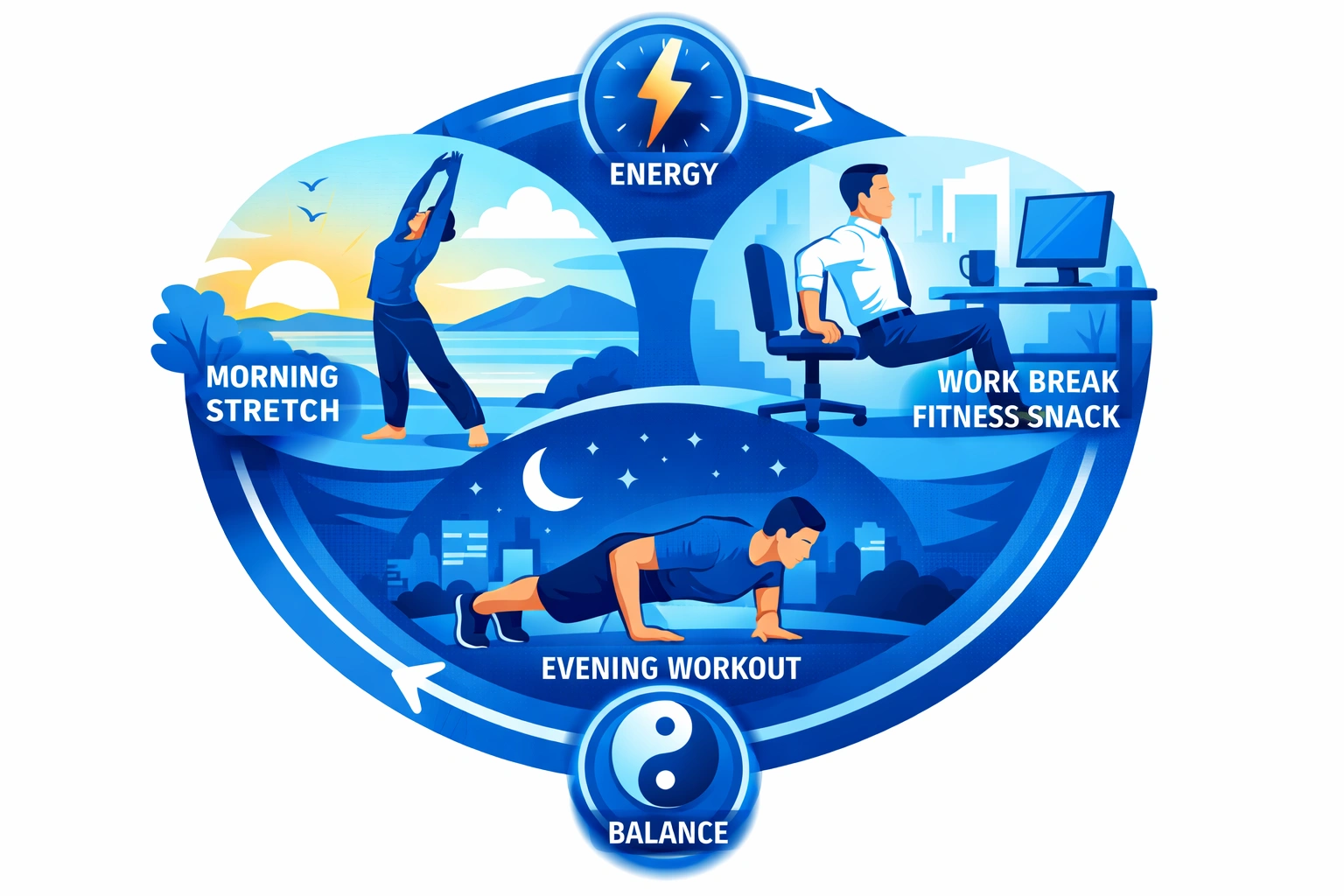
Starting your day with physical activity can be a simple way to build healthier daily habits. Weight management tips often include regular exercise, balanced eating, adequate sleep, hydration, and consistency. Morning exercise can support these habits by making physical activity a regular part of your daily routine.
Exercise does not need to be intense or complicated to be useful. A brisk walk, cycling session, yoga routine, strength workout, or simple home exercise can help you stay active. The key is choosing activities that fit your lifestyle and maintaining them consistently.
Morning exercise may also make it easier to organise the rest of your day around healthy choices. However, exercising in the morning is not a requirement for weight management. The best exercise time is the one you can follow regularly and comfortably.
According to the World Health Organization, adults should aim for at least 150 minutes of moderate-intensity physical activity each week, or 75 minutes of vigorous activity, along with muscle-strengthening activities on at least two days a week.
Weight Management Tips: How Morning Exercise Supports a Healthy Routine
Morning exercise can support weight management by increasing daily physical activity and helping establish a consistent routine. Physical activity uses energy and, when combined with healthy eating habits, can contribute to maintaining a healthy weight.
The Centers for Disease Control and Prevention notes that regular physical activity can help people maintain a healthy weight, while the amount of activity needed can vary between individuals.
A morning workout may also help you avoid leaving exercise until the end of a busy day. When exercise becomes part of your morning schedule, it can be easier to treat it as a regular habit.
Some useful benefits include:
- Adding more physical activity to your day
- Supporting muscle strength and fitness
- Helping you build a consistent routine
- Supporting healthy weight management
- Supporting better sleep
- Supporting mood and overall wellbeing
- Reducing long periods of inactivity
However, morning exercise should not be viewed as a quick solution for weight loss. Sustainable weight management usually depends on several lifestyle factors working together.
How Morning Exercise May Help With Weight Loss?
Weight loss involves several factors, including food intake, physical activity, sleep, genetics, age, medications, and other individual circumstances.
Exercise can increase the amount of energy your body uses, while healthy eating habits can provide the nutrients needed for everyday health.
Regular physical activity can be part of a healthy weight management approach. However, this does not mean that every morning workout will automatically lead to weight loss.
The intensity, duration, frequency, type of exercise, eating pattern, and individual circumstances can all influence results.
Instead of focusing only on the number on the weighing scale, focus on building habits that support overall health.
Consistency Matters More Than Timing
You do not need to force yourself to exercise early in the morning if another time works better for you.
For example, you may prefer:
- A 30-minute morning walk
- A lunchtime strength session
- An evening cycling session
- Short home workouts throughout the day
- Yoga in the evening
The most useful routine is one that you can follow regularly.
Benefits of Morning Exercise for Weight Management
Morning physical activity can offer benefits beyond weight management. Regular exercise can support overall physical fitness and wellbeing.
1. Helps Increase Daily Physical Activity
A morning workout gives you an opportunity to complete some physical activity before work, study, household responsibilities, or other commitments begin.
Even a short session can contribute to your overall physical activity for the day.
2. Supports Muscle Strength
Strength exercises can help maintain and develop muscle.
A balanced exercise routine can include bodyweight movements such as:
- Squats
- Lunges
- Push-ups
- Modified push-ups
- Glute bridges
- Resistance exercises
Choose exercises according to your fitness level and comfort.
3. May Support Better Sleep
Regular physical activity can support healthy sleep habits. A good sleep routine is also an important part of healthy weight management.
Instead of reducing your sleep to make time for exercise, try to create a routine that allows both adequate rest and regular physical activity.
4. Supports Mental Wellbeing
Exercise can be part of a healthy daily routine that supports general emotional wellbeing.
A morning walk outdoors, yoga session, or moderate workout can provide a structured start to the day.
5. Builds a Healthy Routine
Creating a regular morning workout routine can make exercise feel like a normal part of your day rather than an occasional activity.
Preparing your clothes, shoes, water bottle, or exercise equipment the night before can make it easier to get started.
Best Morning Exercises for Weight Management
There is no single exercise that works best for everyone.
Your choice should depend on your fitness level, interests, schedule, available space, and comfort.
Brisk Walking
Walking is one of the simplest ways to start a morning exercise routine.
You can:
- Walk around your neighbourhood
- Use a park or walking track
- Walk indoors when the weather is unsuitable
- Gradually increase your walking pace
- Increase the duration as your routine develops
Brisk walking can provide moderate-intensity physical activity and is an accessible option for many people.
Jogging
Jogging can provide more intensity than casual walking.
If you are comfortable with jogging, you can gradually introduce it into your morning routine.
Beginners can try a walk-jog approach rather than trying to jog continuously.
Cycling
Cycling can be an enjoyable way to include aerobic exercise in your morning routine.
You can cycle outdoors or use a stationary cycle at home.
Choose a pace and duration that suit your current fitness level.
Yoga
Yoga can combine movement, flexibility, balance, and breathing exercises.
A gentle morning yoga session can be a useful addition to a broader fitness routine.
If you are interested in yoga as part of a weight management routine, you can also read Weight Loss Yoga Exercises and Weight Management Tips for Women for more ideas on yoga exercises, healthy habits, and consistency.
Strength Training
Strength exercises can complement aerobic activities such as walking, cycling, or jogging.
Simple bodyweight exercises can be performed at home, while resistance bands or weights can be added depending on your experience and available equipment.
A balanced routine can include exercises for different major muscle groups.
Home Workouts
Morning exercise does not require a gym.
You can exercise at home with activities such as:
- Bodyweight squats
- Lunges
- Push-ups
- Step exercises
- Dancing
- Yoga
- Resistance-band exercises
- Walking in place
Home workouts can be useful when you have limited time or do not want to travel to a gym.
How to Create a Morning Workout Routine?
A simple morning workout routine can make it easier to stay consistent.
Step 1: Choose Your Activity
Start with an activity you enjoy.
If you enjoy walking, begin with walking. If you prefer yoga, create a short yoga routine.
Step 2: Start Gradually
You do not need to exercise for a long time when starting.
Begin with a manageable duration and gradually increase your activity as you become more comfortable.
Step 3: Warm Up
A short warm-up can prepare your body for movement.
Gentle walking, mobility movements, and light stretching can be included depending on the activity.
Step 4: Complete Your Main Workout
Perform your chosen activity at an appropriate intensity.
Avoid trying to match someone else’s workout level.
Step 5: Cool Down
Finish with slower movement and gentle stretching if suitable.
Step 6: Stay Consistent
Try to follow a realistic weekly schedule rather than exercising intensely for a few days and stopping completely.
Nutrition and Exercise for Healthy Weight Management
Exercise is only one part of weight management.
Balanced eating habits can complement regular physical activity.
A varied diet can include:
- Vegetables
- Fruits
- Whole grains
- Pulses and beans
- Nuts and seeds
- Protein-rich foods
- Dairy or suitable alternatives
- Adequate fluids
You do not need to follow extreme diets to build healthier habits.
Instead, focus on balanced meals and food choices that fit your lifestyle.
Exercise and Healthy Eating
Exercise can increase physical activity, while balanced nutrition provides the body with energy and nutrients.
Try to avoid thinking of exercise as a way to compensate for eating certain foods. A healthier approach is to treat movement and nutrition as connected parts of your overall lifestyle.
Hydration Before and After Morning Exercise
Hydration is another useful part of a morning workout routine. Drinking enough water helps prevent dehydration and supports normal body functions. Your fluid needs can vary depending on factors such as weather, physical activity, and individual circumstances.
During longer or more intense exercise, paying attention to hydration becomes particularly important, especially in hot weather when the risk of dehydration can increase.
You can make hydration easier by:
- Keeping a water bottle nearby
- Drinking water regularly
- Carrying water when exercising outdoors
- Drinking according to your individual needs
Sleep, Recovery and Weight Management
A healthy exercise routine should include adequate rest and recovery. Regular physical activity can support better sleep, while adequate rest can help you maintain a consistent exercise routine.
If you regularly sacrifice sleep to exercise early in the morning, your routine may become difficult to maintain. Try to create a schedule that allows enough time for both sleep and physical activity.
Recovery can also include:
- Rest days
- Gentle movement
- Stretching
- Adequate hydration
- Balanced meals
- Avoiding excessive exercise
The amount of recovery needed can vary depending on exercise intensity and individual circumstances.
Weight Management Tips for Staying Consistent
Building healthy habits takes time.
Here are some practical weight management tips that can help you stay consistent.
Set Realistic Goals
Choose goals that are practical for your schedule.
For example, instead of deciding to exercise every day immediately, you could begin with a few sessions each week.
Prepare the Night Before
Keep your exercise clothes, shoes, yoga mat, or other equipment ready before going to bed.
This can reduce the number of decisions you need to make in the morning.
Keep Your Routine Simple
A simple routine can be easier to maintain.
You do not need a complicated workout plan to stay active.
Choose Activities You Enjoy
Walking, cycling, yoga, dancing, strength training, and home workouts can all be options.
Choose activities that you are comfortable doing regularly.
Track Your Progress
You can record your workouts in a notebook, calendar, or phone.
Tracking can help you see how consistently you are following your routine.
Do Not Expect Immediate Results
Healthy weight management takes time.
Avoid unrealistic expectations and extreme approaches.
Focus on gradual lifestyle changes rather than rapid results.
Common Morning Exercise Mistakes to Avoid
Morning exercise can be useful, but some common mistakes may make your routine harder to maintain.
Exercising Too Hard Too Soon
Starting with an intense workout when your body is not prepared can make the routine difficult to sustain.
Begin at a suitable level and increase gradually.
Skipping the Warm-Up
A short warm-up can help prepare your body for movement.
Ignoring Recovery
Doing intense workouts every day without adequate recovery may leave you excessively tired.
Include rest and lighter activity when appropriate.
Depending Only on Exercise
Exercise is important, but a healthy lifestyle also includes nutrition, hydration, sleep, and other daily habits.
Expecting Immediate Results
Do not expect a few morning workouts to produce immediate changes.
Building healthy habits is a gradual process.
Ignoring Warning Signs
Stop exercising if you feel unwell, faint, unusually weak, or experience concerning symptoms. Seek appropriate medical advice when needed.
Weight Management Tips for Long-Term Healthy Habits
Long-term weight management is easier to approach as a lifestyle rather than a short-term challenge.
Some useful habits include:
- Stay physically active throughout the week.
- Include both aerobic and strength activities.
- Eat a varied and balanced diet.
- Drink enough water.
- Get adequate sleep.
- Manage stress in healthy ways.
- Limit long periods of sitting.
- Choose realistic goals.
- Make gradual changes.
- Focus on overall wellbeing rather than rapid results.
Weight can also be influenced by factors such as sleep, age, genetics, medications, health conditions, and other individual circumstances.
How to Make Morning Exercise a Long-Term Habit?
A successful morning workout routine should fit into your real life.
Before creating your routine, consider:
- What activity do you enjoy?
- How many days can you realistically exercise?
- How much time can you give to each session?
- Do you prefer exercising outdoors or at home?
- What can you prepare the night before?
For example, a simple weekly routine could include:
|
Day |
Morning Activity |
|
Monday |
Brisk walking |
|
Tuesday |
Strength exercises |
|
Wednesday |
Walking and gentle stretching |
|
Thursday |
Cycling or jogging |
|
Friday |
Strength exercises |
|
Saturday |
Longer walk or recreational activity |
|
Sunday |
Rest or gentle movement |
This is only an example. Your routine should be adjusted according to your fitness level, schedule, preferences, and individual circumstances.
Frequently Asked Questions
Do I need to work out every single day to see results?
No. Most fitness experts recommend 3–5 structured sessions per week for beginners. What matters more is consistency over weeks and months than daily intensity. Rest days are productive days — they are when your muscles actually repair and grow.
What is the best time of day to exercise for energy?
The best time is whenever you will actually do it. However, morning workouts tend to boost alertness and set a positive tone for the day. Evening workouts can relieve work stress. Experiment and stick with what you enjoy most.
Can I get fit with only 15 or 20-minute workouts?
Absolutely. Research consistently shows that short, focused sessions produce meaningful results, especially when you are starting out. A quality 15-minute daily workout beats a 60-minute session you never actually do.
What basic equipment do I need to start at home?
None, to start. Bodyweight exercises for beginners require zero equipment. As you progress, consider a resistance band set, a yoga mat, and a pair of adjustable dumbbells — all affordable, compact, and highly versatile.
How do I stay motivated on days when I am tired?
Give yourself permission to do a shorter, lighter version of your workout. Even 10 minutes of gentle movement counts. Motivation follows action — once you start moving, you will often find the energy picks up naturally.
What should I eat before and after a daily workout?
Before: a light snack with carbs and protein 30–60 minutes prior (e.g., banana + nut butter). After: a protein-rich meal within 45 minutes (e.g., eggs, Greek yoghurt, or a smoothie). Explore mood-boosting foods for nutrient-dense options that support both performance and recovery.
Conclusion
Morning exercise can be a practical way to include regular physical activity in your daily routine. Walking, cycling, jogging, yoga, strength exercises, and home workouts can all be used to create a morning exercise plan.
However, healthy weight management is not based on exercise alone. Balanced nutrition, hydration, adequate sleep, recovery, and consistent lifestyle habits are also important.
The most effective routine is not necessarily the most intense one. Choose activities that fit your lifestyle, start gradually, and focus on habits that you can maintain over time. GoHealthyPro shares general health and wellness information to help you learn about healthy lifestyle habits.
Health Disclaimer
This article is provided for general health and wellness information only. GoHealthyPro is not a medical provider and does not provide diagnosis, treatment, or personalised medical advice. Exercise and nutrition needs can vary based on age, fitness level, health status, pregnancy, medications, and individual circumstances. If you have an existing health condition, are pregnant, are taking medication, or are new to exercise, consult a qualified healthcare professional before making significant changes to your exercise or lifestyle routine.