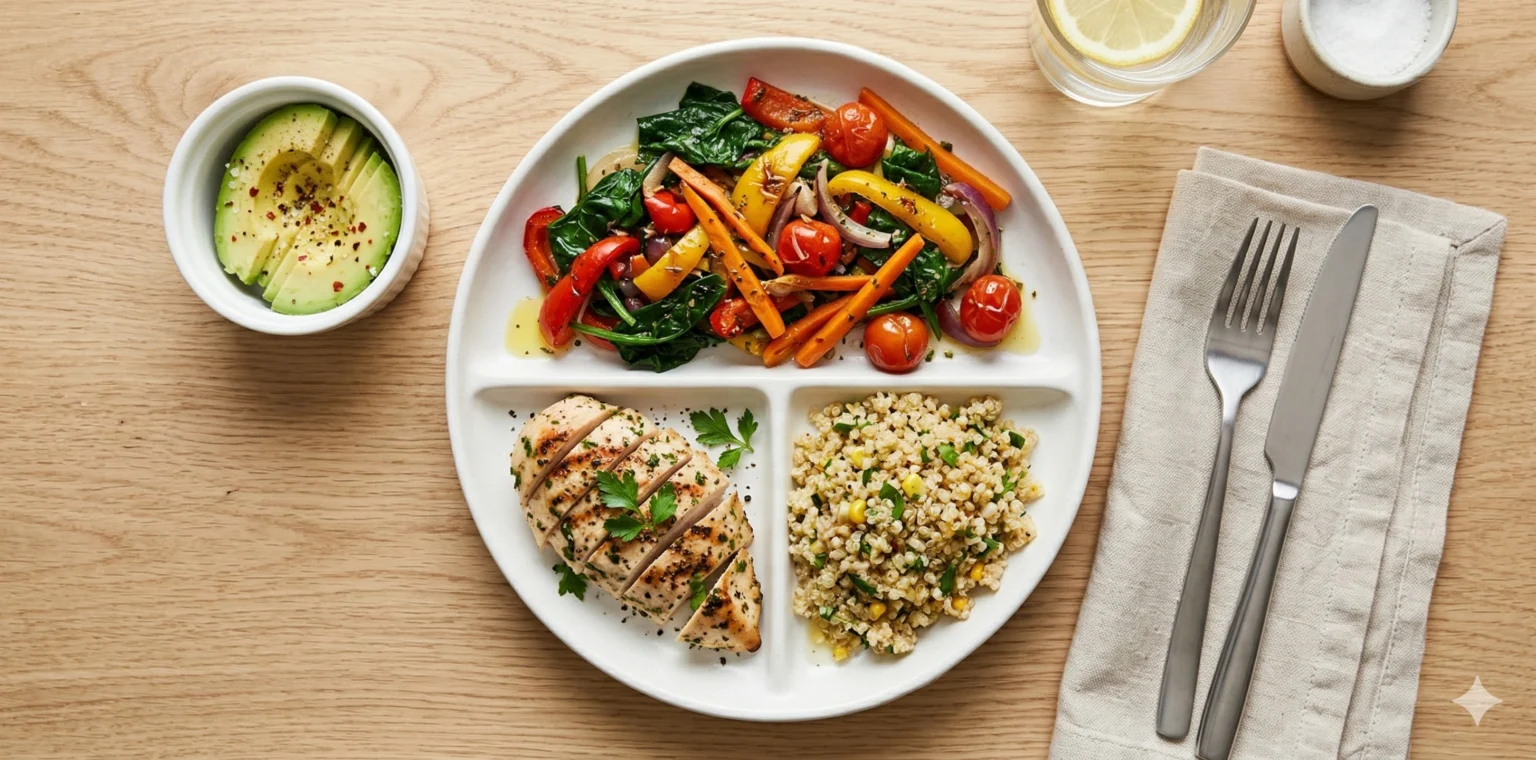
Eating a balanced diet is an important part of maintaining overall health and well-being. A healthy eating routine provides essential nutrients that support energy, digestion, immunity, and everyday activities. However, many people find it difficult to understand what to eat and how to include different food groups in their meals.
This Balanced Diet Guide explains the basics of balanced nutrition, important food groups, and simple ways to make healthier food choices. Whether you are planning your daily meals or improving your eating habits, these practical tips can help you build a nutritious routine.
For more everyday food ideas, explore our Diet and Nutrition Tips section.
What Is a Balanced Diet?
A balanced diet includes different types of foods in suitable proportions to provide the nutrients your body needs. It generally contains carbohydrates, proteins, healthy fats, vitamins, minerals, fibre, and water.
Eating a variety of foods is important because no single food provides every nutrient in the amounts your body needs. A balanced eating pattern can include vegetables, fruits, whole grains, pulses, dairy products or suitable alternatives, nuts, seeds, and protein-rich foods.
The World Health Organization explains the importance of dietary variety, balance, moderation, and adequacy in its healthy diet recommendations.
10 Essential Tips for Following a Balanced Diet
1. Include Different Food Groups
Try to include a variety of food groups in your daily meals. Vegetables, fruits, whole grains, pulses, dairy products, nuts, and protein-rich foods all contribute different nutrients.
For example, a meal with roti, dal, seasonal vegetables, and curd can provide a combination of carbohydrates, protein, fibre, and other nutrients.
You can also explore our healthy diet plans for practical meal-planning ideas.
2. Eat More Fruits and Vegetables
Fruits and vegetables provide vitamins, minerals, fibre, and naturally occurring plant compounds. Eating different colours and varieties can help you get a wider range of nutrients.
Include seasonal fruits such as apples, oranges, guava, papaya, and bananas. Add vegetables such as spinach, carrots, cauliflower, beans, and bottle gourd to your meals.
Fresh, frozen, and appropriately prepared vegetables can all be part of a healthy eating routine.
For more food ideas, read our guide to healthy recipes.
3. Choose Whole Grains
Whole grains contain more fibre and retain more of their natural nutrients than many refined grain products.
Some healthy options include:
- Whole wheat roti
- Oats
- Brown rice
- Millets
- Dalia
- Whole-grain bread
You do not need to avoid all refined grains, but choosing whole grains more often can improve the nutritional quality of your meals.
4. Include Protein-Rich Foods
Protein supports muscle maintenance, tissue repair, and several important functions in the body.
Good protein sources include:
- Dal and lentils
- Chickpeas and kidney beans
- Milk and curd
- Paneer
- Eggs
- Fish and lean meat
- Soybeans and tofu
- Nuts and seeds
Include a suitable protein source in your main meals according to your food preferences and nutritional needs.
5. Choose Healthy Fats
Fats are an essential part of a balanced diet. They help the body absorb certain vitamins and provide energy.
Include sources of unsaturated fats such as nuts, seeds, olive oil, groundnut oil, and other suitable vegetable oils. Limit frequent consumption of foods high in trans fats and excessive saturated fats.
Remember that even healthier fats are energy-dense, so portion sizes still matter.
6. Stay Hydrated
Water supports digestion, circulation, temperature regulation, and many other body functions.
Drink water regularly throughout the day. Your fluid requirements may vary depending on the weather, physical activity, and individual health needs.
Plain water, unsweetened drinks, and water-rich foods such as cucumbers and fruits can contribute to daily fluid intake.
Read our guide on hydration habits that impact energy, digestion, and immunity for more practical hydration tips.
7. Reduce Excess Sugar and Salt
Frequent consumption of foods and drinks high in added sugar or excess salt can affect overall diet quality.
Consider these simple changes:
- Choose whole fruits instead of sugary desserts more often.
- Reduce the amount of sugar added to tea and coffee.
- Check food labels for sodium and added sugar.
- Limit frequent consumption of highly salted packaged snacks.
- Use herbs, spices, lemon, and other ingredients to add flavour to meals.
Small, consistent changes can help improve your everyday eating habits.
8. Practise Portion Awareness
A balanced diet is not only about choosing nutritious foods. The amount and combination of foods also matter.
Try filling a plate with vegetables and fruits, a suitable portion of protein-rich foods, and whole grains or other carbohydrate sources. Your portion needs may vary depending on your age, activity level, appetite, and health requirements.
Eating slowly and paying attention to hunger and fullness can also help you develop a comfortable eating routine.
If weight management is one of your goals, explore our weight management tips for additional lifestyle guidance.
9. Plan Your Meals in Advance
Meal planning can make healthy eating more convenient, especially on busy days.
You can prepare a simple weekly plan that includes:
- Breakfast options such as vegetable poha, oats, or eggs
- Lunch with roti or rice, dal, vegetables, and curd
- Snacks such as fruit, roasted chana, or nuts
- Dinner with vegetables and a suitable protein source
Planning meals can also help reduce dependence on frequent takeaway meals and packaged snacks.
10. Maintain Consistent Eating Habits
Healthy eating is about your overall routine rather than one perfect meal. Focus on variety, balance, and consistency instead of following restrictive diets.
Eat meals that suit your schedule and preferences. Make gradual changes that are realistic for your lifestyle, and avoid unnecessary food restrictions unless advised by a qualified healthcare professional.
Our nutrition and healthy food resources offer more ideas for building sustainable food habits.
Simple Balanced Diet Chart for a Day
The following sample meal plan offers ideas for a general healthy eating routine. Adjust the foods and portions to suit your nutritional needs, preferences, and activity level.
|
Meal |
Food Options |
|
Early morning |
Water or an unsweetened drink |
|
Breakfast |
Vegetable poha with curd or eggs with whole-grain toast |
|
Mid-morning |
Seasonal fruit |
|
Lunch |
Roti, dal, seasonal vegetables, salad, and curd |
|
Evening snack |
Roasted chana, nuts, or fruit |
|
Dinner |
Vegetable khichdi with curd or roti with vegetables and paneer |
|
Optional snack |
Milk or another suitable option, if needed |
This is an example rather than a fixed diet prescription. Individual requirements differ, so a personalised meal plan may be useful for people with specific nutritional or medical needs.
You can explore our healthy diet plans for more meal-planning ideas.
Benefits of Following a Balanced Diet
A balanced diet supports several aspects of general health.
Supports Daily Energy
Carbohydrates, fats, and proteins provide energy and help the body perform everyday activities. Eating a variety of nutrient-rich foods can support a consistent supply of energy.
Supports Digestive Health
Fibre from fruits, vegetables, pulses, and whole grains supports normal bowel function. Adequate fluid intake also plays an important role in digestion.
For more information about food choices and digestive wellness, explore our healthy recipes and include a variety of fibre-rich ingredients in your meals.
Helps Maintain Overall Wellness
A varied diet supplies essential nutrients that support normal body functions, including immune system activity, muscle function, and tissue maintenance.
Supports Healthy Weight Management
Balanced meals that include fibre-rich foods and suitable protein sources can help with fullness and overall eating patterns. Weight changes depend on several factors, including food intake, activity, sleep, and individual health circumstances.
For more practical information, read our complete weight loss guide.
Promotes Long-Term Healthy Habits
Choosing a variety of nutritious foods regularly can help establish sustainable eating habits. A flexible approach is often easier to maintain than strict or highly restrictive diets.
Common Balanced Diet Mistakes to Avoid
Even when people try to eat healthily, a few common habits can make balanced nutrition more difficult.
- Skipping food groups: Avoid unnecessarily eliminating entire food groups without a suitable reason.
- Following restrictive diets: Very restrictive eating patterns may make it harder to meet nutritional needs.
- Eating too few vegetables: Include different vegetables regularly instead of relying on only one or two varieties.
- Ignoring hydration: Remember to drink enough fluids throughout the day.
- Depending on supplements: Supplements are not a substitute for a varied diet and should be used when appropriate.
- Expecting instant results: Healthy eating supports long-term well-being and is not a quick fix.
Frequently Asked Questions
How do I know if I’m getting enough protein?
A simple benchmark: aim for 0.7–1g of protein per pound of body weight if you’re active, or around 0.5g per pound for sedentary individuals. Signs of low protein intake include constant hunger, slow recovery from exercise, and loss of muscle tone. Include a protein source at every meal to stay on track.
Can I follow a balanced diet as a vegetarian or vegan?
Absolutely. A plant-forward eating pattern is one of the most well-researched approaches to long-term health. Focus on varied protein sources — lentils, chickpeas, tofu, tempeh, quinoa, edamame — and pay special attention to vitamin B12, iron, omega-3s, and calcium, which may require supplementation on a fully vegan diet.
How many meals should I eat per day for maximum energy?
There’s no universal answer. Research shows meal frequency matters less than overall food quality and total caloric intake. Most people do well with 3 balanced meals and 1–2 snacks. Listen to your hunger cues rather than eating by the clock — this is core mindful eating practice.
How does alcohol fit into a balanced lifestyle?
Moderate alcohol consumption — up to one drink per day for women, two for men — is generally considered compatible with a balanced lifestyle. However, alcohol is calorie-dense, disrupts sleep quality, and affects hydration. If your health goals are serious, reducing alcohol is one of the quickest wins available.
What is the easiest way to start if I’m a total beginner?
Start with one change at a time. This week: add one more vegetable to each meal. Next week: swap a refined carb for a whole grain version. The week after: reduce sugary drinks. Small, stacked habits are far more sustainable than overhauling everything overnight. Progress, not perfection, is the whole game.ar dapibus leo.
Conclusion
Following a balanced diet does not require complicated recipes or strict food rules. Including a variety of nutritious foods, staying hydrated, choosing suitable portions, and planning meals can help you develop healthier eating habits.
Use this Balanced Diet Guide as a starting point for making practical food choices. Focus on consistency, variety, and meals that suit your everyday routine rather than expecting immediate results.
Explore more nutrition information on GoHealthyPro and take small, realistic steps towards better overall wellness.
Disclaimer: This article is for general health awareness and educational purposes only. It does not provide medical advice, diagnosis, or treatment. Consult a qualified healthcare professional or registered dietitian for guidance based on your individual nutritional needs.