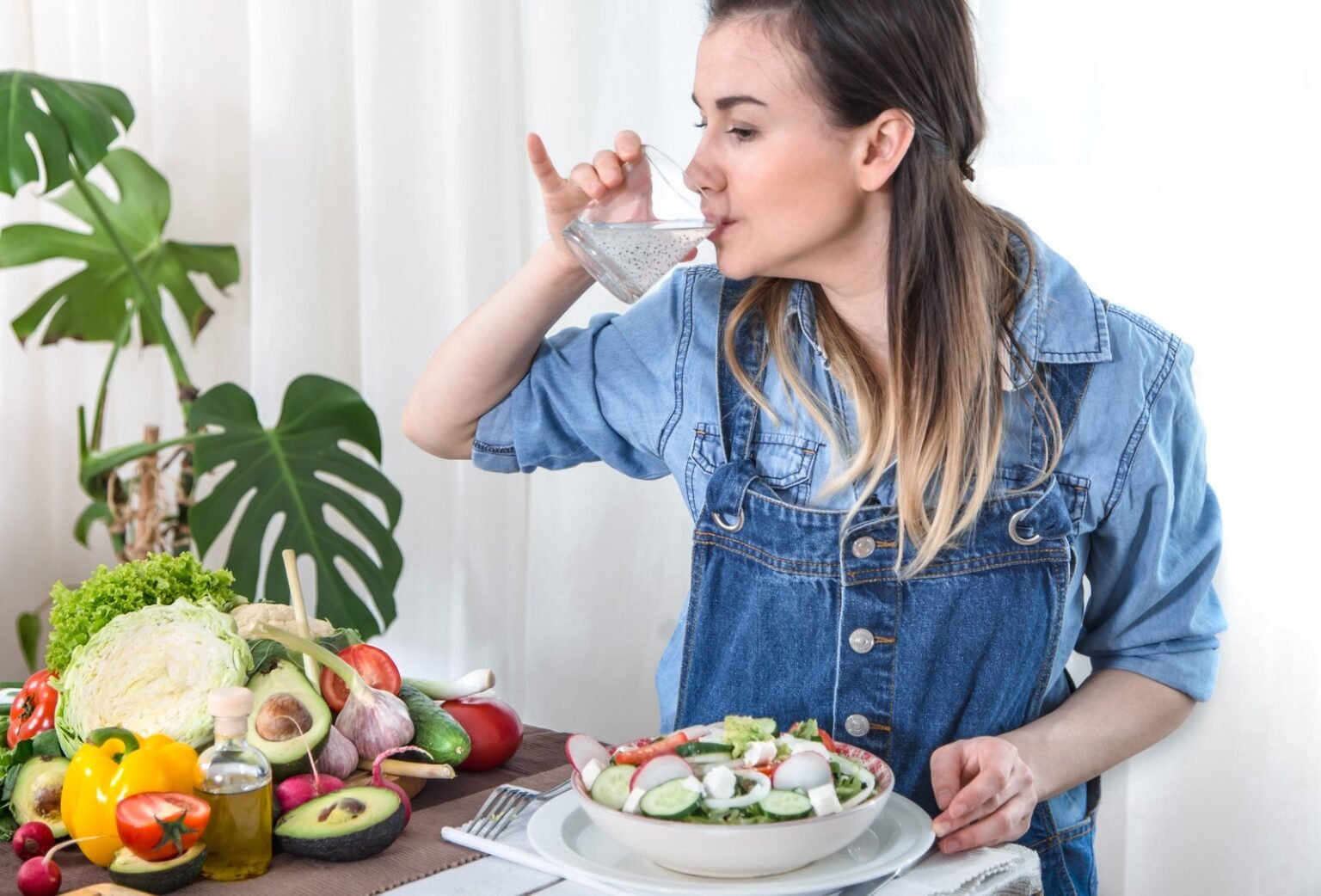
Water is one of the simplest parts of a healthy lifestyle, but it is also easy to overlook during a busy day. Good hydration habits can help your body maintain normal functions and support your everyday wellbeing. From staying refreshed during physical activity to supporting normal digestion, getting enough fluids is an important part of a balanced routine.
Many people only think about drinking water when they feel thirsty. However, building regular hydration habits can make drinking enough fluids easier. Your fluid needs can change depending on factors such as weather, physical activity, age, pregnancy, breastfeeding and other individual factors. The CDC notes that adequate water intake helps prevent dehydration and supports normal body functions.
This guide from GoHealthyPro explains simple hydration habits and how they can fit into your daily routine while supporting energy, digestion and overall wellness.
Hydration Habits and Why They Matter
Water plays several important roles in the body. It helps regulate body temperature, lubricate joints and remove waste through processes such as urination, sweating and bowel movements.
When you do not drink enough fluids, dehydration can occur. Depending on its severity, dehydration may be associated with symptoms such as unclear thinking, mood changes, overheating and constipation.
Instead of waiting until you feel thirsty every time, develop simple habits that remind you to drink throughout the day.
How Hydration Can Support Daily Energy?
Feeling tired during the day can have many possible causes, including inadequate sleep, stress, an irregular routine and insufficient food intake. Dehydration can also affect how you feel and function.
Drinking enough water is therefore one part of maintaining a healthy daily routine.
Good hydration does not mean drinking excessive amounts of water. The goal is to maintain an appropriate fluid intake based on your individual needs.
Start Your Day With Water
Many people find it helpful to drink water after waking up. Keep a glass or bottle near your bed or in the kitchen so it is easy to remember.
This simple habit can help you begin your day with a source of hydration.
Keep Water Within Reach
If water is easily available, you are more likely to drink it regularly.
Keep a reusable bottle at your desk, in your bag or near your workout space. This can be particularly useful when you spend long hours working or studying.
Hydration Habits for Better Digestion
Fluids are also connected with normal digestive function. Water helps the body maintain normal processes, including bowel movements.
Constipation can have several causes, but inadequate fluid intake can contribute to the problem in some people. The CDC lists constipation among possible effects associated with dehydration.
Drink Water Throughout the Day
Instead of drinking a large amount of water at one time, make hydration a regular part of your routine.
You can drink water with meals and between meals according to your thirst and individual needs.
Include Water-Rich Foods
Hydration does not only come from beverages. Foods such as fruits and vegetables can also contribute to your overall fluid intake.
Some examples include:
- Watermelon
- Cucumber
- Oranges
- Strawberries
- Tomatoes
- Lettuce
- Soups and broths
Including a variety of fruits and vegetables can support both hydration and a balanced diet.
For more healthy eating ideas, explore the Healthy Eating Habits guide.
Hydration and Immunity
The immune system is influenced by many factors, including nutrition, physical activity, sleep and overall lifestyle. Hydration is one part of maintaining normal body functions, but it should not be viewed as a standalone way to prevent illness.
A balanced lifestyle is more useful than focusing on one habit.
The CDC recommends healthy lifestyle habits such as eating well, staying physically active and getting enough sleep as part of supporting overall immune health.
You can learn more about water and healthy drinking habits from the CDC’s guidance on water and healthier drinks.
10 Simple Hydration Habits to Follow Daily
Building healthy hydration habits does not need to be complicated. Try these simple strategies.
1. Carry a Reusable Water Bottle
Having water with you makes it easier to drink throughout the day.
Choose a bottle that is convenient to carry and easy to clean.
2. Drink Water With Meals
Keeping water on the table during meals can create a simple reminder to drink.
You can also drink water between meals based on your thirst and routine.
3. Set Gentle Reminders
If you frequently forget to drink water, set reminders on your phone or computer.
You can also connect drinking water with existing habits, such as drinking after waking up, during breaks or before leaving work.
4. Choose Water Instead of Sugary Drinks
Replacing some sugary drinks with plain water can be a simple way to support healthier beverage choices.
Water contains no calories, while many sweetened beverages can add significant amounts of added sugar and calories.
5. Add Natural Flavour
If you do not enjoy plain water, try adding slices of lemon, lime, cucumber or other fruits for flavour.
This can make drinking water more enjoyable without relying on heavily sweetened beverages.
6. Drink More During Physical Activity
Physical activity and hot weather can increase fluid needs.
Keep water available when walking, exercising or spending extended periods outdoors.
Your needs will depend on factors such as activity level, temperature and individual circumstances.
7. Pay Attention to Thirst
Thirst can be a useful signal that your body needs fluids.
However, hydration needs differ between people, so there is no single amount that works perfectly for everyone.
8. Include Hydrating Foods
Add fruits, vegetables and other water-containing foods to balanced meals.
This can help increase your overall fluid intake while also adding important nutrients to your diet.
9. Make Hydration Part of Your Work Routine
Long periods at a desk can make it easy to forget about water.
Keep a bottle next to your computer and take short movement and water breaks throughout your workday.
10. Check Your Routine During Hot Weather
Hot weather can increase the amount of fluid your body needs. The CDC also notes that people may need more water when they are physically active, have a fever, or experience vomiting or diarrhoea.
During hot days, make water easily available and pay attention to your body’s signals.
Hydration Habits for an Active Lifestyle
Physical activity and hydration often go together. When you exercise, your body loses fluid through sweat, particularly in hot or humid conditions.
You can support your routine by drinking fluids throughout the day and keeping water available during physical activity.
You do not need to make hydration complicated. Simple habits such as carrying a bottle and drinking regularly can fit easily into an active lifestyle.
For more ideas, explore the Fitness & Wellness Tips section.
You can also read about Morning Exercise Routine for simple ways to add movement to your day.
Hydration and a Healthy Lifestyle
Hydration works best as part of a wider healthy lifestyle.
Along with drinking enough fluids, pay attention to:
- Balanced meals
- Regular physical activity
- Quality sleep
- Stress management
- Personal hygiene
- Healthy daily routines
For practical ideas on building these habits, read Healthy Lifestyle Habits.
The goal is not to follow a perfect routine every day. Instead, focus on habits that are realistic and easy to maintain.
Signs You May Need to Pay More Attention to Hydration
Your body can provide signals when you need more fluids. Depending on the situation, dehydration may be associated with thirst, unclear thinking, mood changes, overheating or constipation.
If you are experiencing significant symptoms, especially during illness, hot weather or intense physical activity, do not rely only on general hydration advice. Seek appropriate professional guidance when needed.
People with certain medical conditions may also have specific fluid requirements, so they should follow advice from their healthcare professional.
How Much Water Should You Drink?
There is no single daily water amount that applies to everyone.
Fluid needs can vary based on:
- Age
- Sex
- Activity level
- Climate
- Pregnancy
- Breastfeeding
- Diet
- Health conditions
The CDC also notes that total daily water intake comes from both beverages and food, including water-rich fruits and vegetables.
Rather than following an arbitrary number, consider your individual circumstances and follow professional advice if you have specific health needs.
Common Hydration Mistakes to Avoid
Waiting Until You Feel Extremely Thirsty
Making hydration a regular habit can be easier than trying to catch up after becoming very thirsty.
Drinking Only During Exercise
Your body needs fluids throughout the day, not just during workouts.
Relying Too Much on Sugary Drinks
Water is a simple option for everyday hydration. Sugary beverages can add calories and added sugar without providing the same benefits of choosing plain water.
Forgetting Hydration During Travel
Travel, outdoor activities and changes in weather can make it easier to forget about drinking water. Carry a bottle when practical.
Ignoring Water Quality
Safe drinking water matters. Water quality depends on its source and treatment. If you have concerns about your local water supply, check guidance from your local water authority or health department.
Frequently Asked Questions
What are the best hydration habits?
Carry a reusable water bottle, drink regularly throughout the day, include water-rich foods and choose water over sugary drinks when appropriate.
Can hydration affect digestion?
Adequate fluid intake supports normal body functions, and dehydration can be associated with constipation. A balanced diet, regular movement and appropriate fluid intake can all contribute to healthy digestion.
Does drinking water increase energy?
Adequate hydration supports normal body functions. If dehydration is contributing to tiredness or difficulty concentrating, maintaining appropriate fluid intake may help. However, tiredness can have many causes.
Do I need more water when exercising?
Fluid needs can increase with physical activity because the body loses fluid through sweating. Activity level, temperature and individual factors all affect hydration needs.
Can fruits and vegetables help with hydration?
Yes. Many fruits and vegetables contain a high amount of water and can contribute to your overall daily fluid intake.
Final Thoughts
Healthy hydration habits are simple but important parts of a balanced lifestyle. Drinking water regularly, choosing healthier beverages, including water-rich foods and paying attention to your body’s needs can make hydration easier to maintain.
Hydration can support normal body functions related to daily energy and digestion, while overall immune health depends on a combination of healthy lifestyle factors. Rather than searching for one perfect hydration routine, focus on small habits that fit naturally into your day.
GoHealthyPro provides practical health and wellness information to help readers build realistic everyday habits. Start with simple changes, keep water within reach and make hydration a regular part of your daily routine.
Disclaimer: This article is for general health awareness and educational purposes only. It does not diagnose, treat or prevent any medical condition and should not replace professional medical advice. Individual fluid needs can vary, particularly during pregnancy, breastfeeding, illness, intense physical activity or certain health conditions. Consult a qualified healthcare professional if you have specific concerns about your fluid intake.