


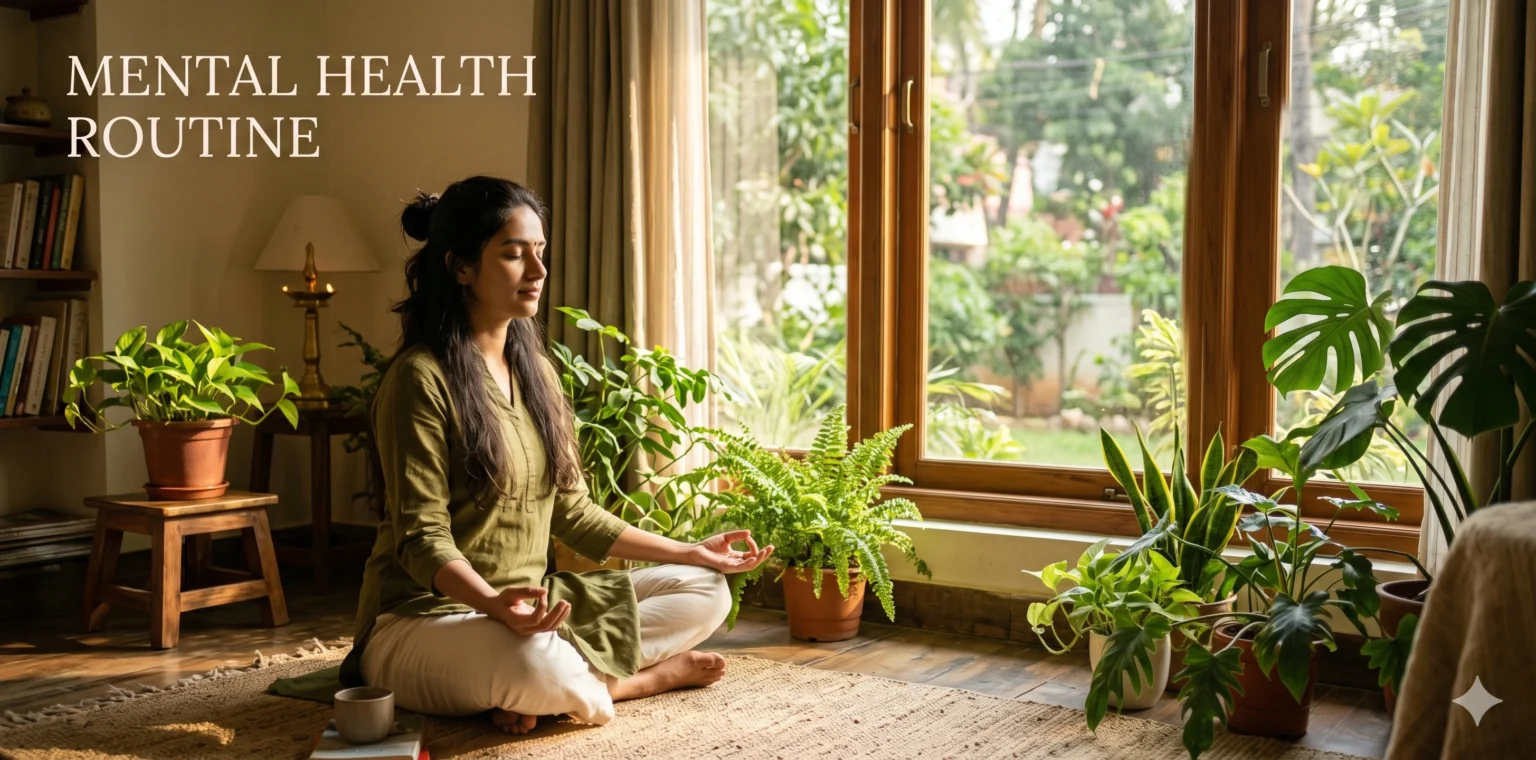
A simple mental health routine can help bring more structure, balance and calm to everyday life. Your routine does not need to be complicated or take hours each day. Small habits such as getting enough sleep, eating balanced meals, staying physically active, taking breaks, practising mindfulness and connecting with others can become useful parts of a healthy lifestyle. The goal is to create realistic daily habits that support overall emotional wellbeing and everyday wellness.
Mental wellbeing can change from day to day. Work, studies, family responsibilities, social situations and lifestyle habits can all affect how you feel. A consistent routine gives you regular opportunities to slow down, care for yourself and make time for activities that support a balanced lifestyle.
What is a Daily Mental Health Routine?

Think of a daily routine for mental health like brushing your teeth—but for your brain. It is a set of small, intentional actions you take every day to protect your peace and manage stress. You do not need to spend hours meditating on a mountaintop to see results. A proper routine is simply about sprinkling little moments of self-care throughout your day.
Mental Health Routine: Why Daily Habits Matter
A daily routine can provide structure to your day and make healthy habits easier to maintain. It can include simple activities such as waking and sleeping at consistent times, eating regular meals, moving your body, taking short breaks and making time for people you care about.
The World Health Organization describes self-care as including healthy lifestyle choices such as physical activity, healthy eating, adequate sleep and connecting with others. These habits can form a practical foundation for everyday wellbeing.
A routine should not feel like a strict schedule that you must follow perfectly. Instead, think of it as a flexible framework. Some days may be busy, while others may allow more time for relaxation and personal activities.
Here are eight simple steps you can include in your daily routine.
1. Start Your Day With a Calm Morning
The way you begin your morning can influence how organised your day feels. You do not need a long morning routine to create a positive start.
Try simple habits such as:
- Wake up at a reasonably consistent time.
- Drink some water after waking.
- Open a window or spend a few minutes outside.
- Do gentle stretching or take a short walk.
- Avoid immediately checking stressful notifications.
- Think about your main priorities for the day.
A calm morning can give you time to transition from sleep to your daily responsibilities. If your mornings are busy, choose one or two habits instead of trying to complete everything.
For example, you could spend five minutes stretching and then write down the three most important tasks for the day.
2. Eat Regular, Balanced Meals
Food is another important part of a healthy daily routine. Skipping meals regularly or relying heavily on highly processed foods may make it harder to maintain balanced eating habits.
Try to include a variety of foods throughout the day, such as:
- Vegetables and fruits
- Whole grains
- Pulses and legumes
- Nuts and seeds
- Protein-rich foods
- Dairy or suitable alternatives
- Healthy sources of fats
The exact foods you choose can vary according to your preferences, culture, budget and lifestyle.
Regular meals can also provide structure to your day. Instead of focusing on strict diets, aim for balanced and varied food choices that can be maintained over time.
If you are pregnant, planning a pregnancy, or have specific nutritional needs, general wellness information may not be enough for your individual situation. Discuss nutrition and supplement choices with a qualified healthcare professional.
3. Include Physical Activity
Regular movement can be an important part of a balanced lifestyle. Physical activity does not always mean intense workouts or spending time at a gym.
You can choose activities that fit comfortably into your routine, such as:
- Walking
- Gentle stretching
- Cycling
- Dancing
- Yoga
- Light strength exercises
- Recreational sports
- Household activities that involve movement
Even short periods of movement can help break up long periods of sitting. You can also add movement throughout your day by taking short walking breaks or choosing stairs when practical.
The NHS recommends finding physical activities that you enjoy and making them part of your lifestyle. This can make regular movement easier to maintain.
The aim of a daily routine is consistency rather than perfection. Choose activities that are appropriate for your current fitness level and circumstances.
4. Practise Mindfulness and Relaxation
Mindfulness means paying attention to the present moment. You might focus on your breathing, the sounds around you, sensations while walking or the experience of eating a meal.
You can practise mindfulness for a few minutes during your day. For example, sit comfortably, take slow breaths and notice what you can see, hear and feel without trying to judge the experience.
Other relaxing activities may include:
- Reading
- Listening to calming music
- Spending time outdoors
- Gentle stretching
- Journaling
- Quiet breathing exercises
- Enjoying a hobby
- Taking a short break from screens
These are general wellness practices and should not be presented as a treatment for a mental health condition.
For more information, read Daily Habits for Mental Health to explore additional everyday habits that can support emotional wellbeing and a balanced lifestyle.
5. Take Regular Breaks During the Day
Long periods of work, studying or screen use can make your day feel tiring and repetitive. Short breaks can help create a healthier rhythm between focused activities and rest.
Consider taking a few minutes to:
- Stand and stretch.
- Walk around the room.
- Drink water.
- Look away from your screen.
- Take a few slow breaths.
- Step outside if possible.
- Talk briefly with someone.
You do not need to wait until you feel completely exhausted before taking a break. Adding small pauses throughout the day can make your routine more manageable.
If you work at a desk, you could use natural points in your schedule as reminders to stand, move or change your activity.
6. Make Time for Social Connection
People often focus on food, exercise and sleep when thinking about wellness, but social connection is also an important part of everyday life.
The CDC notes that supportive social connections are important for both mental and physical health. Staying connected does not require large social gatherings. A short conversation, phone call or message can also help you maintain relationships.
You could:
- Call a family member.
- Meet a friend for a walk.
- Have a meal with someone.
- Talk with a colleague during a break.
- Join a community or hobby group.
- Spend quality time with people you trust.
If you prefer quieter activities, even a small amount of meaningful social contact can be part of your routine.
At the same time, it is important to respect your need for personal space. A balanced routine can include both social time and quiet time.
7. Create a Consistent Evening Routine
Your evening routine can help you transition from daily responsibilities to rest. Try to make your final part of the day calmer rather than filling every minute with work or screen-based activities.
An evening routine could include:
- Finishing work at a reasonable time.
- Eating dinner without rushing.
- Preparing things for the next day.
- Taking a gentle walk or stretching.
- Reading a book.
- Limiting unnecessary screen use.
- Spending quiet time with family.
- Going to bed at a consistent time.
Sleep is an important part of overall health and wellbeing. The CDC recommends consistent sleep and wake times and suggests creating a relaxing sleep environment.
Your ideal sleep schedule can vary depending on your age, lifestyle and responsibilities. The important point is to give sleep a regular place in your daily routine.
If sleep difficulties continue or significantly affect your daily life, consider discussing them with a qualified healthcare professional.
8. Review Your Day Without Judging Yourself
The final step is to take a few minutes to reflect on your day.
You can ask yourself:
- What went well today?
- Did I make time for movement?
- Did I eat regular and balanced meals?
- Did I get enough rest?
- Did I spend time with someone I care about?
- What made me feel relaxed?
- What could I make easier tomorrow?
This reflection is not about judging yourself or creating a perfect routine. It is simply an opportunity to notice patterns and make small adjustments.
For example, if you regularly miss your afternoon break, you could add a reminder to your schedule. If you spend too much time on your phone before bed, you could place it away from your sleeping area.
Small changes can be easier to maintain than trying to completely change your lifestyle overnight.
How to Build a Mental Health Routine That Lasts?
Creating a routine is one thing, but maintaining it is another. A routine becomes easier when it fits naturally into your existing lifestyle.
Start with two or three habits rather than trying to change everything at once. Once those habits feel manageable, gradually add another activity.
You can also connect new habits with activities you already do. For example:
- Stretch after brushing your teeth.
- Take a short walk after lunch.
- Drink water with each main meal.
- Practise breathing before starting work.
- Call a family member during an evening break.
- Prepare tomorrow’s priorities before going to bed.
It is also useful to allow flexibility. Missing one activity does not mean your entire routine has failed. Simply return to your usual habits when you can.
Mental Health Routine During Pregnancy and Other Life Changes
Pregnancy, postpartum changes, studies, work pressure, family responsibilities and other major life changes can affect daily routines. During pregnancy, following simple pregnancy care tips such as maintaining balanced nutrition, adequate hydration, appropriate physical activity, sufficient rest and emotional support can be part of a healthy routine. For more information, see the World Health Organization’s recommendations on antenatal care.
However, exercise, nutrition and other lifestyle choices may need to be adapted according to individual circumstances.
Pregnant people should discuss activity, nutrition, supplements and other health-related concerns with an appropriate healthcare professional, especially when there are existing health concerns or pregnancy-related complications.
The same principle applies during other major life changes. A routine should support your circumstances rather than create additional pressure.
Common Mistakes to Avoid in a Daily Routine
A routine can become less helpful when it becomes too strict or unrealistic.
Common mistakes include:
- Trying to change too many habits at once.
- Following an extremely demanding exercise schedule.
- Skipping meals because of a busy day.
- Sacrificing sleep to complete more tasks.
- Spending the entire day sitting.
- Comparing your routine with other people’s routines.
- Treating one missed habit as complete failure.
- Leaving no time for relaxation or enjoyable activities.
A healthy routine should leave room for normal changes in energy, responsibilities and circumstances.
Simple Example of an 8-Step Daily Routine
Here is a simple example you can adapt:
Morning
- Wake up at a consistent time.
- Drink water.
- Stretch or walk for a few minutes.
- Eat a balanced breakfast.
Afternoon
- Take short movement breaks.
- Eat a balanced lunch.
- Drink water regularly.
- Connect briefly with someone.
Evening
- Complete gentle movement or an enjoyable activity.
- Eat a balanced dinner.
- Reduce unnecessary screen use.
- Spend some time relaxing.
Before Bed
- Prepare for the next day.
- Reflect briefly on your day.
- Follow a consistent bedtime routine.
- Give yourself enough time for sleep.
You do not need to follow this example exactly. Adjust the timing and activities according to your lifestyle.
When to Seek Professional Support
A daily wellness routine can support general wellbeing, but it is not a replacement for professional care.
If emotional or psychological difficulties continue, become difficult to manage, interfere with everyday activities or cause significant distress, consider speaking with a qualified healthcare professional or mental health professional.
Seeking professional support is different from following general wellness habits. A professional can help assess individual concerns and discuss appropriate support based on the person’s circumstances.