Taking care of your mental health is an important part of overall wellbeing. Everyday habits such as getting enough sleep, eating balanced meals, staying physically active, spending time with people you trust, taking breaks, and making time for enjoyable activities can help create a healthier lifestyle routine. Mental wellbeing can change throughout life, so building simple and realistic habits may make it easier to look after yourself each day.
Mental health is not only about dealing with difficult emotions. It also includes emotional wellbeing, relationships, daily functioning, stress management, and the ability to take care of everyday responsibilities. Different people may need different forms of support, and there is no single routine that works for everyone.
The aim of this guide is to explore practical daily habits that can support general mental wellbeing. These habits are not a replacement for professional care, but they can form part of a balanced lifestyle alongside appropriate support when needed.
Mental Health: Why Daily Habits Matter
Daily habits can influence many areas of wellbeing. Sleep, physical activity, food choices, social connections, relaxation, and time spent using digital devices can all become part of your everyday routine.
The World Health Organization describes self-care as including healthy lifestyle choices such as eating a healthy diet, being physically active, getting enough sleep, and connecting with others.
This does not mean every day needs to be perfectly organised. A healthy routine can be flexible. Some days may involve more physical activity, while other days may require additional rest.
Simple habits can include:
- Following a regular daily schedule.
- Getting enough quality sleep.
- Eating varied and balanced meals.
- Drinking enough fluids.
- Staying physically active.
- Spending time outdoors.
- Connecting with family and friends.
- Taking regular breaks from screens.
- Practising relaxation or mindfulness.
- Making time for hobbies and enjoyable activities.
The important point is to choose habits that are realistic for your lifestyle.
How to Build a Daily Routine for Better Mental Health?
A routine can provide structure to your day. It does not need to be complicated or strictly planned from morning to night.
Start by identifying a few habits that are easy to maintain. For example, you might choose a consistent wake-up time, a short morning walk, regular meals, a screen-free period before bed, and a few minutes of relaxation.
Start With Small Changes
Trying to change many habits at once can feel overwhelming. Instead, introduce one or two changes at a time.
For example:
- Walk for 10 to 20 minutes.
- Drink water regularly during the day.
- Set a consistent bedtime.
- Spend a few minutes outdoors.
- Call or message a friend.
- Take short breaks during work.
- Write down a few things you are grateful for.
Once a habit becomes easier, you can consider adding another.
Create Flexible Routines
A routine should support your life rather than create unnecessary pressure. Work schedules, family responsibilities, studies, travel, pregnancy, health needs, and other circumstances can change your daily routine.
Allow room for flexibility. Missing a habit on one day does not mean you need to abandon the routine completely.
Mental Health Tips for a Healthier Daily Lifestyle
Useful mental health tips do not always involve complicated techniques. Small lifestyle choices can help create a more balanced day.
Make Time for Yourself
Set aside some time for activities that you enjoy. This could include reading, listening to music, gardening, cooking, drawing, walking, or spending time with family.
Enjoyable activities can provide a break from daily responsibilities and help create balance.
Spend Time Outdoors
Outdoor time can be a simple way to add movement and variety to your day. You might take a morning walk, sit in a garden, spend time in a park, or simply step outside during a break.
Stay Connected
Social connection is an important part of emotional wellbeing. Regularly talking with people you trust can help you feel connected and supported.
You can maintain connections through:
- Phone calls.
- Face-to-face conversations.
- Family meals.
- Group activities.
- Community events.
- Shared hobbies.
- Supportive online communication.
If you are going through a difficult period, talking to a trusted person can be one useful step towards seeking appropriate support.
Take Regular Breaks
Long periods of work or screen use can make your day feel tiring. Short breaks can provide an opportunity to move, stretch, drink water, or simply step away from your task.
Mental Health and Fitness: How Physical Activity Supports Wellbeing
Mental health and fitness are closely connected as part of overall wellbeing. Physical activity can support both physical and mental health.
WHO states that regular physical activity provides physical and mental health benefits and can improve overall wellbeing. It is also associated with improved sleep and reduced symptoms of depression and anxiety.
You do not necessarily need a gym membership to become more active. Everyday activities can contribute to physical activity.
Examples include:
- Walking.
- Cycling.
- Swimming.
- Dancing.
- Yoga.
- Gardening.
- Household activities.
- Strength exercises.
- Recreational sports.
For adults, WHO recommends at least 150 to 300 minutes of moderate-intensity aerobic activity each week, or an equivalent amount of vigorous activity, along with muscle-strengthening activities on two or more days each week.
These are general guidelines, not a requirement to follow a particular workout plan. Your suitable level of activity can depend on your age, fitness level, health circumstances, pregnancy status, and professional advice.
Mental Health Exercises for Everyday Wellness
Mental health exercises can refer to simple activities that encourage relaxation, awareness, movement, and emotional balance.
They do not need to be complicated.
Walking
Walking is an accessible form of physical activity for many people. You can walk outdoors, around your neighbourhood, in a park, or during a work break.
Gentle Stretching
A few minutes of gentle stretching can provide a movement break during the day. Stretch slowly and avoid forcing movements.
Yoga
Yoga can combine movement, stretching, breathing, and relaxation. Different styles have different levels of intensity, so beginners may prefer gentle or beginner-friendly sessions.
Breathing Exercises
Slow, controlled breathing can be included in a relaxation routine. Find a comfortable position and focus on steady breathing for a few minutes.
Mindfulness
Mindfulness involves paying attention to the present moment. You might focus on your breathing, sounds around you, sensations while walking, or the experience of eating a meal.
These activities are general wellness practices. They should not be presented as a treatment for a mental health condition. For more information, read Daily Mental Health Routine: 8 Steps for Balance to explore a practical daily routine for supporting emotional wellbeing.
Nutrition and Hydration for Mental Wellbeing
Food and hydration are important parts of a healthy lifestyle. A balanced diet provides nutrients needed for normal body functions and overall health.
WHO recommends a varied and balanced diet based on principles such as adequacy, balance, moderation, and diversity.
Everyday meals can include a variety of:
- Vegetables.
- Fruits.
- Whole grains.
- Pulses and beans.
- Nuts and seeds.
- Dairy products or suitable alternatives.
- Eggs, fish, or other protein-rich foods.
- Healthy sources of dietary fats.
There is no single food that can guarantee good mental wellbeing. Instead, focus on overall dietary patterns and regular, balanced meals.
Stay Hydrated
Water is an important part of everyday health. Keep water available and drink regularly according to your individual needs.
Fluid requirements can vary based on factors such as weather, physical activity, age, and individual circumstances. People who are physically active or spending time outdoors in hot weather may need to pay particular attention to hydration.
Sleep and Mental Health
Sleep is an important part of physical and emotional wellbeing. Poor sleep can make everyday activities feel more difficult, while a consistent sleep routine can support overall wellbeing.
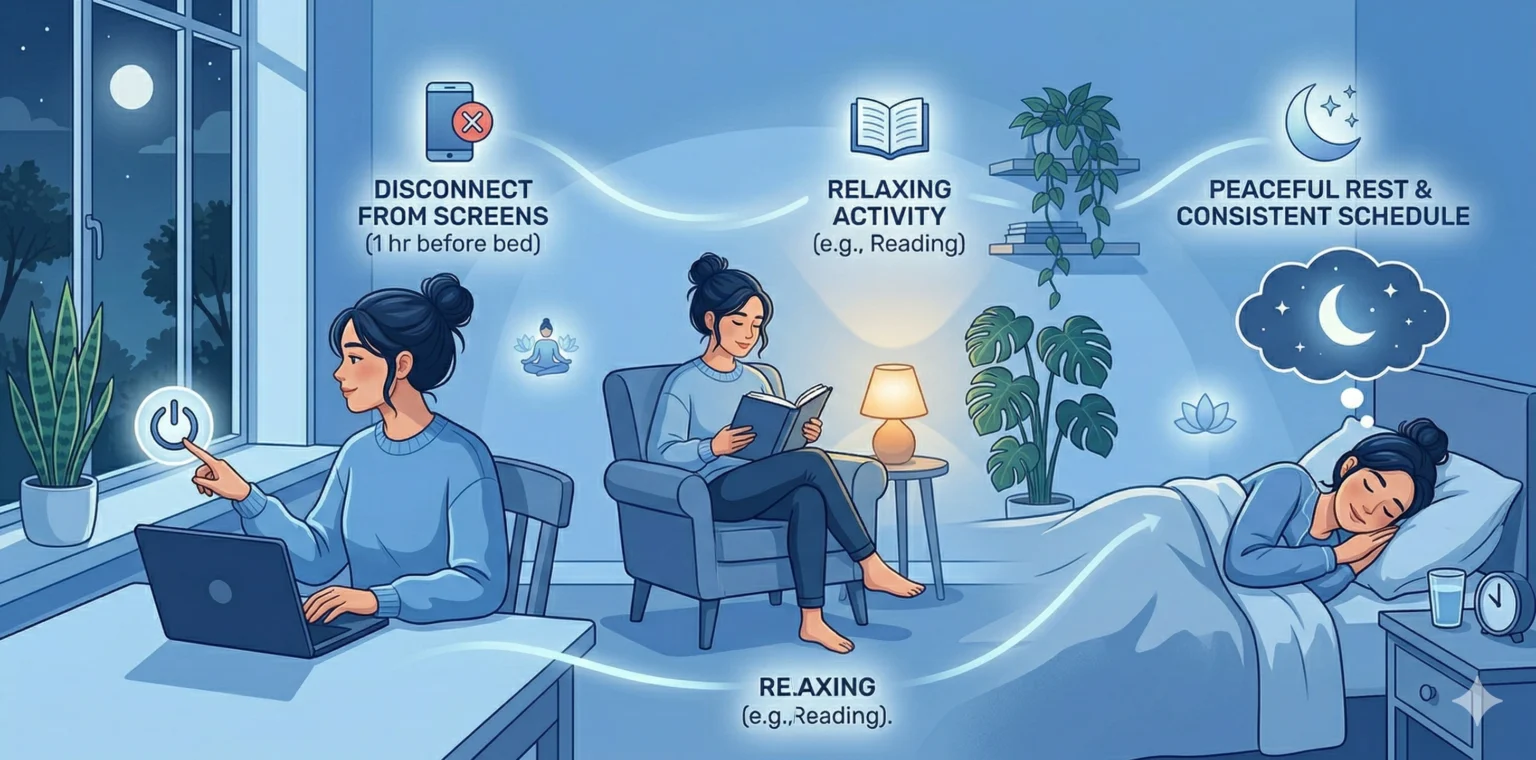
WHO recommends good sleep habits such as keeping consistent sleep and wake times, creating a comfortable sleeping environment, limiting electronic devices before bed, and staying physically active during the day.
You can support better sleep habits by:
- Going to bed and waking up at similar times.
- Keeping your bedroom comfortable and quiet.
- Reducing screen use before bedtime.
- Avoiding large meals close to bedtime.
- Creating a relaxing evening routine.
- Staying physically active during the day.
- Allowing enough time for sleep.
If sleep problems continue or significantly affect daily life, consider speaking with a qualified healthcare professional.
Social Connections and Emotional Wellbeing
People have different social needs, but supportive relationships can be an important part of emotional wellbeing.
Regular connection can be as simple as having tea with a family member, calling a friend, joining a hobby group, or participating in a community activity.
Try to create opportunities for meaningful interaction rather than focusing only on the number of people you know.
You can also practise active listening. Give someone your attention, allow them to express themselves, and avoid immediately trying to solve every problem they share.
Similarly, when you need support, communicating honestly with someone you trust can help you feel less isolated.
Mindfulness, Relaxation and Stress Management
Stress is a normal part of life, but ongoing stress can affect everyday wellbeing. Creating regular opportunities for relaxation can help you build a more balanced routine.
Some simple activities include:
- Deep breathing.
- Gentle yoga.
- Walking outdoors.
- Listening to calming music.
- Reading.
- Journalling.
- Mindfulness.
- Spending time with people you trust.
- Taking breaks from work and screens.
You do not need to practise every technique. Try different activities and notice which ones fit naturally into your routine.
WHO also recommends healthy lifestyle habits such as sleep, balanced eating, physical activity, social connection, and stress-management practices as part of wellbeing.
Mental Health During Pregnancy and Prenatal Care
Pregnancy can bring physical, emotional, and lifestyle changes. Mental wellbeing during pregnancy deserves attention alongside physical prenatal care.
Some people may experience increased worry, stress, low mood, or other emotional changes during pregnancy. The NHS notes that pregnancy can affect mental health and that support is available during and after pregnancy.
Healthy lifestyle habits during pregnancy can include:
- Following recommended prenatal care.
- Eating a varied and balanced diet.
- Staying hydrated.
- Getting adequate rest.
- Staying physically active when appropriate.
- Maintaining supportive relationships.
- Making time for relaxation.
- Discussing concerns with a qualified healthcare professional.
Pregnancy experiences differ from person to person. Anyone who is pregnant should speak with a qualified healthcare professional before starting or significantly changing an exercise routine, particularly when there are pregnancy-related concerns or complications.
Safe Physical Activity During Pregnancy
For generally healthy pregnant people, moderate physical activity can be beneficial. The CDC states that moderate-intensity physical activity is safe for healthy pregnant and postpartum women and recommends discussing activity adjustments with a doctor.
The NHS also recommends staying active during pregnancy according to comfort and avoiding exhaustion, overheating, and activities that carry a significant risk of falling or abdominal impact.
Possible activities may include:
- Walking.
- Swimming.
- Gentle prenatal yoga.
- Suitable low-impact exercise.
- Pelvic floor exercises.
- Other activities recommended by a qualified professional.
Do not assume that an exercise suitable for one pregnant person is automatically suitable for everyone.
Pregnancy Nutrition, Hydration and Healthy Lifestyle Habits
Nutrition and hydration are important parts of prenatal wellbeing. WHO states that nutritious and safe diets are important before and during pregnancy and while breastfeeding.
A balanced pregnancy lifestyle can include:
- Eating a variety of nutritious foods.
- Drinking adequate fluids.
- Following prenatal appointments.
- Getting enough sleep and rest.
- Staying active when appropriate.
- Maintaining emotional and social support.
- Following advice from a qualified healthcare professional.
Pregnancy nutrition can involve individual needs, including questions about supplements and specific dietary requirements. These should be discussed with a qualified healthcare professional rather than based solely on general online information.
How to Manage Screen Time and Create Healthy Boundaries?
Screens are part of modern life, but spending long periods on phones, computers, television, and social media can reduce time available for movement, sleep, hobbies, and face-to-face interaction.
Instead of trying to eliminate screen use, create practical boundaries.
For example:
- Take regular breaks from your computer.
- Avoid unnecessary phone use during meals.
- Keep your phone away during conversations.
- Reduce social media use before bed.
- Turn off unnecessary notifications.
- Set specific times to check messages.
- Spend some time each day away from screens.
If certain online content consistently increases stress or affects your mood, consider reducing your exposure to it.
How to Stay Consistent With Healthy Mental Health Habits?
Consistency does not mean following the same routine perfectly every day. Life changes, and healthy habits may need to change with it.
Keep Habits Simple
The easier a habit is to complete, the easier it may be to repeat.
Connect Habits Together
For example, you could drink water after waking up, take a short walk after lunch, or read for a few minutes before bed.
Track Progress Without Pressure
A simple checklist can help you notice patterns. However, avoid turning your routine into a source of stress.
Plan for Difficult Days
Have a simpler version of your routine for busy or tiring days.
For example, instead of a full workout, you might take a short walk or spend five minutes stretching.
Focus on Long-Term Wellbeing
Healthy habits are not a competition. The aim is to create a lifestyle that supports your overall wellbeing.
Common Daily Habits That May Affect Mental Wellbeing
Some everyday patterns may make it harder to maintain a balanced routine. The World Health Organization highlights healthy lifestyle habits such as regular physical activity, adequate sleep, healthy eating and social connection as important parts of overall health and wellbeing. For more information, see the World Health Organization’s guidance on mental health.
These can include:
- Frequently skipping meals.
- Regularly sleeping too little.
- Spending most of the day sitting.
- Having no breaks during long work sessions.
- Excessive screen use late at night.
- Avoiding social contact for long periods.
- Constantly comparing yourself with others online.
- Taking on too many responsibilities without rest.
- Following extreme exercise routines.
- Ignoring ongoing emotional concerns.
These habits do not automatically indicate a mental health problem. They are simply areas worth reviewing when thinking about overall lifestyle balance. For example, the WHO notes that regular physical activity can support mental and physical wellbeing, while reducing sedentary behaviour can also contribute to healthier daily routines. For more information, visit the WHO physical activity guidance.
If emotional or psychological difficulties persist, interfere with daily life, or feel difficult to manage, professional support can be appropriate.
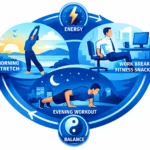
Simple Daily Routine for Mental Health and Wellness
Here is an example of a simple routine that can be adapted to different lifestyles. The WHO recommends healthy lifestyle practices such as regular physical activity, healthy eating, adequate sleep and maintaining connections with others.
Morning
- Wake up at a consistent time.
- Drink water.
- Spend a few minutes stretching or walking.
- Eat a balanced breakfast.
- Plan the main priorities for the day.
Afternoon
- Take short movement breaks.
- Eat a balanced lunch.
- Drink water regularly.
- Spend some time outdoors if possible.
- Connect with a family member, friend, or colleague.
Evening
- Complete gentle exercise or another enjoyable activity.
- Eat a balanced dinner.
- Reduce unnecessary screen use.
- Spend time relaxing.
- Prepare for sleep at a consistent time.
The WHO also recommends consistent sleep habits and limiting electronic device use before bedtime as part of healthy sleep practices.
This is only a general example. Your routine can be shorter, longer, or different depending on your responsibilities and circumstances.
Frequently Asked Questions
How long does it take to see results?
Most people notice mood improvements within 1–2 weeks of consistent practice. Deeper neurological changes take 4–8 weeks. Consistency matters far more than perfection.
What is the single most important habit?
Sleep. Without 7–9 hours of quality sleep, every other mental health habit becomes significantly less effective. Sleep is the non-negotiable foundation.
Can habits replace therapy or medication?
No. These habits are powerful complements to professional care, not replacements. If you are managing a diagnosed condition, always work with a qualified healthcare provider.
How do I stay consistent when unmotivated?
Motivation is unreliable — build systems instead. Use habit stacking, keep habits small (under five minutes), and track your streak. Systems work even when motivation doesn’t.
What if my schedule is too busy for a routine?
Start with just one habit: a two-minute gratitude journal or a single glass of water at wake-up. One anchored habit creates momentum for more. Busy schedules make routines more important, not less.
Are there foods that reduce anxiety?
Yes. Fatty fish, dark leafy greens, fermented foods, blueberries, and magnesium-rich foods like pumpkin seeds are among the best mood-boosting foods for anxiety. See our full guide to stress-relief foods for a complete list.
How does exercise improve mood?
Exercise releases endorphins, lowers cortisol, increases serotonin and dopamine, and stimulates BDNF — a brain growth factor. Even 10–20 minutes of moderate movement produces measurable mood-lifting effects within minutes.
Conclusion
Looking after your mental wellbeing can start with simple daily habits. Regular sleep, balanced nutrition, hydration, physical activity, social connection, relaxation, enjoyable activities, and healthy screen boundaries can all become part of a balanced lifestyle.
Useful mental health tips do not need to involve major changes. Small habits that fit your schedule can be easier to maintain over time. Physical activity can also complement other healthy lifestyle habits, while sleep and recovery give your body and mind time to rest.
During pregnancy, mental wellbeing should be considered alongside prenatal care, nutrition, hydration, safe physical activity, sleep, and emotional support. Because pregnancy experiences vary, personalised guidance should come from a qualified healthcare professional.
GoHealthyPro provides general health and wellness information to help readers learn about everyday lifestyle habits and wellbeing.
If you are experiencing ongoing, severe, or concerning emotional or psychological difficulties, consider speaking with a qualified mental health or healthcare professional rather than relying only on lifestyle changes.
GoHealthyPro content is intended for general educational purposes and does not replace personalised medical or mental health advice.
Health Disclaimer
This article provides general health and wellness information for educational purposes only. It is not a substitute for personalised medical or mental health advice, diagnosis, or treatment. Mental health experiences vary between individuals. If you have persistent, severe, or concerning symptoms, consult a qualified healthcare or mental health professional. Pregnant readers should consult a qualified healthcare professional for personalised pregnancy and prenatal advice before starting or changing exercise, nutrition, or other lifestyle routines.