

Introduction:
In a busy lifestyle, finding simple ways to relax the mind and stay active can make a meaningful difference to everyday wellness. Yoga poses and meditation are popular practices that combine mindful movement, breathing and focused attention. Understanding the Meditation Benefits of these practices can help people build a calmer and more balanced daily routine. When practised comfortably and consistently, yoga and meditation may support relaxation, mindfulness, physical activity and overall wellbeing.
Yoga and meditation have been practised for centuries, and modern interest in these practices continues to grow. Yoga can include physical postures, breathing techniques and mindfulness, while meditation generally involves training attention and awareness. The two practices can complement each other as part of a healthy lifestyle.
Yoga Poses and Meditation Benefits for Wellness
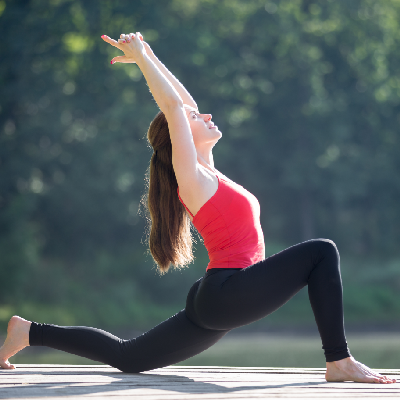
Yoga Poses are physical postures that can be combined with controlled breathing and mindful attention. They range from gentle movements suitable for beginners to more physically demanding positions. Choosing comfortable postures and focusing on proper movement can make a yoga routine more enjoyable.
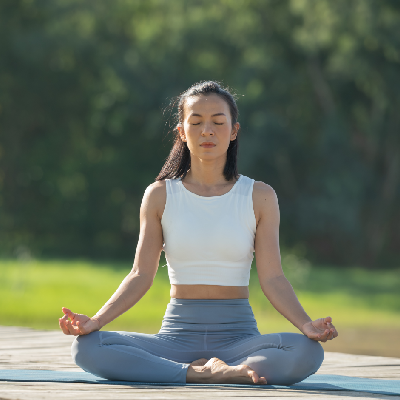
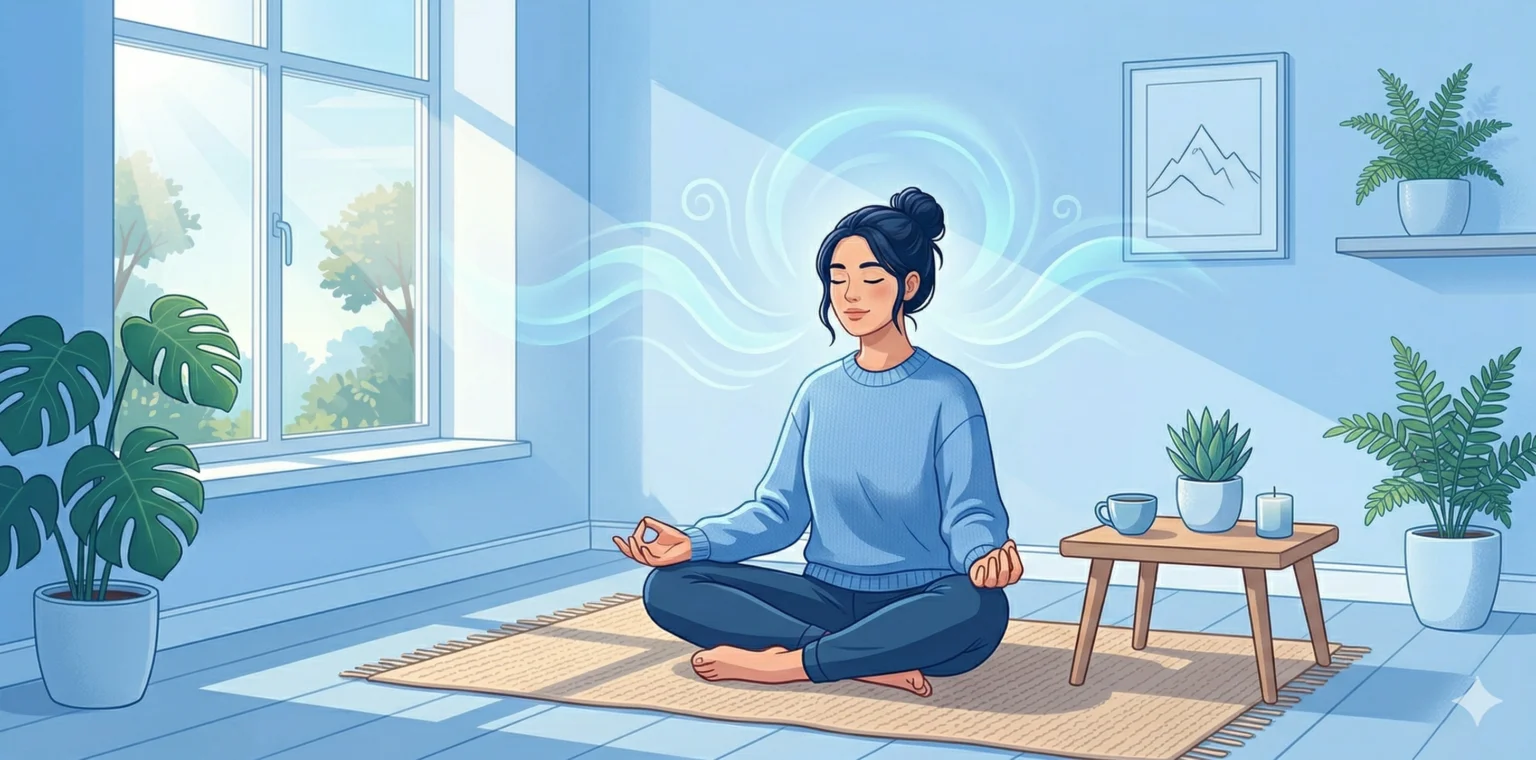
Meditation, on the other hand, focuses more directly on awareness and attention. A person may sit quietly, focus on breathing, observe thoughts without reacting to them, or practise guided meditation.
The combination can create a balanced wellness routine. Gentle movement may help the body prepare for stillness, while meditation can encourage a calm and focused state of mind.
The World Health Organization recognises yoga as a practice that can support physical and mental wellbeing. Recent WHO information also highlights the role of movement, breathing and mindfulness in yoga practice.
What Are the Meditation Benefits?
Meditation is often included in daily wellness routines because it does not require complicated equipment or a large space. Even a few quiet minutes can provide an opportunity to pause and focus.
Some commonly discussed Meditation Benefits include:
- Supporting relaxation and calmness
- Encouraging greater self-awareness
- Helping people practise mindfulness
- Supporting healthy stress-management habits
- Improving the ability to focus attention
- Creating a peaceful transition before bedtime
- Encouraging a more balanced daily routine
- Providing time for quiet reflection
These benefits can vary from person to person. Meditation should be viewed as a wellness practice rather than a guaranteed solution for a particular health condition.
How Yoga and Meditation Work Together?
Yoga and meditation can complement each other because they focus on different but connected aspects of wellbeing.
Yoga involves movement, breathing and awareness of the body. Meditation gives greater attention to the mind and present moment.
A simple routine might begin with a few gentle Yoga Poses, followed by slow breathing and several minutes of meditation. This approach can help create a clear transition from physical activity to quiet reflection.
The practice does not need to be complicated. Beginners can start with comfortable movements and gradually develop a routine that suits their lifestyle.
Beginner-Friendly Yoga Poses
People who are new to yoga can start with simple postures and avoid forcing the body into difficult positions. Comfort and controlled movement are more important than achieving a perfect pose.
Mountain Pose
Mountain Pose is a basic standing posture that encourages awareness of body alignment and breathing.
Stand comfortably with your feet positioned naturally. Keep your shoulders relaxed and focus on slow, steady breathing.
Child’s Pose
Child’s Pose is a gentle resting position often used during yoga sessions.
It can provide a quiet opportunity to slow down and pay attention to breathing. Anyone with discomfort should adjust the position or stop the movement.
Cat-Cow Movement
The Cat-Cow movement gently moves the spine between two positions. It can be included in a beginner routine as a simple movement exercise.
Move slowly and coordinate the movement with your breathing. Avoid rushing through the posture.
Tree Pose
Tree Pose involves standing on one leg while placing the other foot in a comfortable position on the standing leg.
Beginners can use a wall or another stable support if needed. The goal is to practise balance and concentration rather than hold the pose for a long time.
Yoga Exercise and Everyday Wellness
A regular Yoga Exercise routine can provide a structured way to include movement in everyday life. Yoga may involve stretching, balance work, controlled movement and breathing.
WHO notes that yoga can support physical and mental wellbeing and that its movements can be adapted to different abilities and needs.
However, yoga should not replace other forms of physical activity. A healthy lifestyle can include walking, strength-based activities, recreational exercise and other movements that suit an individual’s abilities.
The most useful routine is one that a person can practise comfortably and consistently.
Meditation Benefits for Stress Management
Daily responsibilities, work pressure, studies and personal commitments can make it difficult to find quiet time. Meditation provides a simple way to create a short pause during the day.
Mindfulness involves paying attention to the present moment rather than constantly focusing on past events or future concerns.
A basic mindfulness practice can involve:
- Sitting in a comfortable position.
- Relaxing the shoulders and jaw.
- Taking slow, natural breaths.
- Paying attention to the feeling of breathing.
- Noticing thoughts without becoming involved in every thought.
- Gently returning attention to the breath.
The aim is not necessarily to stop thinking. Instead, meditation can involve noticing thoughts and repeatedly bringing attention back to the chosen focus.
WHO also recognises mindfulness and relaxation techniques as approaches that may support stress management.
Yoga and Meditation for Better Focus
Modern routines often involve continuous notifications, screens and multitasking. Taking a few minutes away from distractions can help create space for focused attention.
Yoga and Meditation can be included in a routine designed around mindful attention. According to the National Center for Complementary and Integrative Health (NCCIH), some meditation practices involve focusing attention on breathing, sounds, visual images or a repeated phrase, while mindfulness involves maintaining awareness of the present moment.
During yoga, focusing on breathing and body movement can encourage awareness of the present activity. During meditation, attention may be directed towards breathing, a sound, a phrase or another chosen point of focus. You can learn more about meditation and mindfulness from NCCIH.
Simple practices include:
- Taking five minutes for quiet breathing
- Practising one or two comfortable yoga postures
- Keeping the phone away during meditation
- Focusing on one activity at a time
- Taking short mindfulness breaks during the day
These habits can support a more intentional approach to daily routines. Yoga can also combine physical postures, breathing techniques and meditation, making it suitable for a mindful movement routine when practised comfortably.
Meditation and Sleep
A calm evening routine can be useful for people who want to create a relaxing transition before bedtime. Meditation may become one part of this routine.
A simple evening practice could include gentle stretching, comfortable Yoga Poses, slow breathing and a few minutes of quiet meditation.
Keep the routine simple. Dim lighting, reduced screen use and a consistent bedtime may also support healthy sleep habits.
Meditation should not be presented as a guaranteed treatment for sleep problems. People experiencing ongoing or severe sleep difficulties should speak with a qualified healthcare professional.
Creating a Simple Daily Yoga Routine
You do not need to spend a long time practising yoga to begin building a routine.
A beginner-friendly routine could include:
Step 1: Start with Breathing
Sit or stand comfortably and take several natural, slow breaths. Avoid forcing your breathing.
Step 2: Add Gentle Movement
Choose a few comfortable Yoga Poses and move slowly. Focus on body awareness instead of speed.
Step 3: Pause
After movement, sit comfortably for a short period. Notice how your body feels.
Step 4: Practise Meditation
Focus on your breathing or another simple point of attention for a few minutes.
Step 5: Finish Slowly
Take a few normal breaths and return to your regular activities gradually.
The routine can be adjusted according to personal comfort, schedule and experience.
Tips for Making Yoga and Meditation a Habit
Building a routine is often easier when the practice fits naturally into your day.
Try these simple habits:
- Choose a consistent time.
- Start with a short session.
- Keep your practice space comfortable.
- Wear clothing that allows easy movement.
- Avoid comparing your practice with others.
- Focus on breathing and body awareness.
- Increase the duration gradually if comfortable.
- Stop if a movement causes pain or unusual discomfort.
Consistency is generally more practical than trying to complete a long session occasionally.
Safety Considerations for Yoga and Meditation
Yoga is adaptable, but not every posture is suitable for everyone. Beginners should avoid forcing movements or trying advanced positions without proper instruction.
If you have an existing health condition, recent injury, pregnancy, significant pain or other health concerns, speak with a qualified healthcare professional before starting a new physical activity routine.
During yoga:
- Move within a comfortable range.
- Avoid sudden or forceful movements.
- Use support when necessary.
- Stop if you experience significant pain, dizziness or unusual symptoms.
- Consider learning from a qualified yoga instructor if you are unsure about technique.
Meditation is generally simple, but some people may find quiet reflection uncomfortable or emotionally challenging. If meditation causes significant distress, consider stopping and discussing your concerns with a qualified professional.
How GoHealthyPro Can Support Your Wellness Journey?
Developing healthy habits does not have to mean making major changes all at once. Small practices such as mindful breathing, regular movement, balanced meals, adequate rest and time for relaxation can become part of a broader wellness routine.
GoHealthyPro provides general health and wellness information to help readers explore healthy lifestyle topics. Yoga and meditation can be considered alongside other everyday habits that support physical activity, relaxation and mindful living.
The important point is to choose practices that are comfortable, realistic and appropriate for your individual circumstances.
Frequently Asked Questions
How long should I meditate daily?
How long should you meditate daily? For beginners, five to ten minutes is a great starting point. Research shows consistent short sessions beat occasional long ones. As the habit solidifies, aim for fifteen to twenty minutes. Even experienced meditators often keep to twenty to thirty minutes daily — more is not always better.
Can meditation really reduce anxiety?
Yes. Multiple peer-reviewed studies confirm that meditation for anxiety produces significant reductions in generalized anxiety disorder symptoms. It works by calming the amygdala — the brain’s alarm center — and strengthening the prefrontal cortex, which governs rational thought. It is not a cure, but it is a clinically recognized complementary tool.
Is meditation suitable for beginners?
Absolutely. Meditation is one of the most beginner-friendly practices available. Start with a five-minute guided session. You do not need any experience, equipment, or special knowledge. Benefits for beginners often show up within the first two to three weeks of consistent daily practice.
What happens if my mind keeps wandering?
This is completely normal — and it is actually the whole point of the practice. Every time you notice your mind has drifted and bring it back, you are doing exactly what meditation is designed to train. Think of each return as one mental repetition. The wandering is not failure; it is the workout.
Can I meditate lying down?
Yes, you can meditate lying down — especially for body scan or sleep meditations. The main risk is falling asleep, which is fine if your goal is rest. If you want to stay alert and gain the cognitive benefits, a seated position (chair or floor) with a straight spine works better.
How soon will I see results?
Many people notice a subtle shift in mood and stress levels after just a few sessions. More substantial benefits — better sleep, improved focus, reduced anxiety — typically emerge within two to eight weeks of daily practice. Like any skill or fitness routine, results compound the longer you stay consistent.
Final Thoughts
Understanding the Meditation Benefits of mindfulness and combining meditation with comfortable Yoga Poses can provide a simple approach to everyday wellness. Yoga brings movement and body awareness, while meditation creates time for focused attention and quiet reflection.
You can begin with a short routine rather than trying to make major changes immediately. A few gentle movements followed by mindful breathing may be enough to establish a starting point. With consistency, these practices can become a natural part of a broader healthy lifestyle.
GoHealthyPro encourages readers to approach wellness information thoughtfully and choose habits that suit their individual needs. GoHealthyPro is a general health and wellness information website and does not provide medical diagnosis or personalised treatment advice.
Health Disclaimer
This article is intended for general educational and wellness information only. It does not replace professional medical advice, diagnosis or treatment. If you have a health condition, injury,