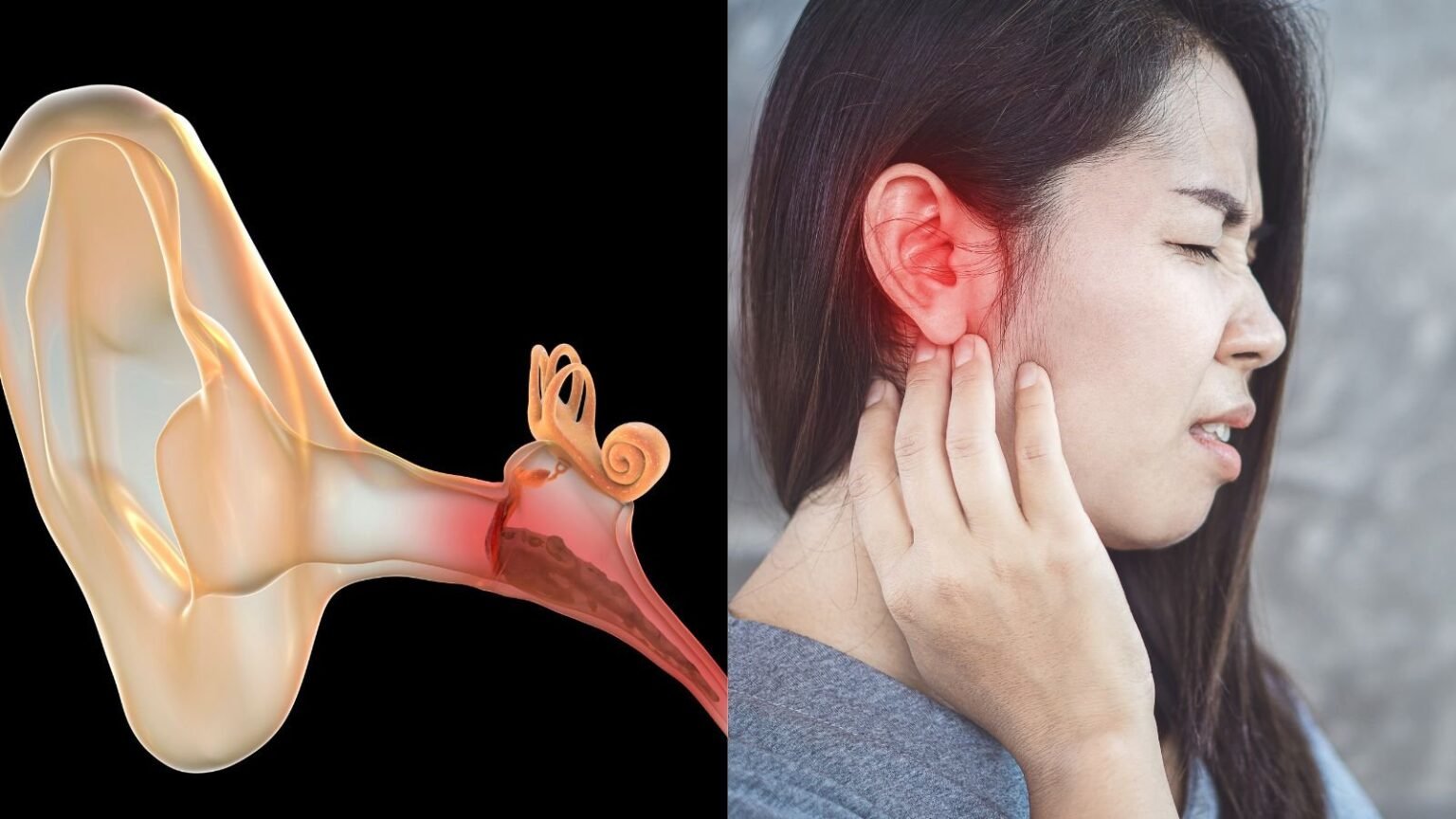
Ear discomfort can be painful and frustrating, especially when it comes with pressure, mild swelling, or a feeling of fullness in the ear. Some people look for a home remedy to manage mild symptoms while they monitor their condition. However, an ear infection can have different causes, and not every case should be treated at home.
A home remedy may help provide temporary comfort, but it cannot always treat the underlying infection. If symptoms are severe, persistent, or getting worse, it is important to consult a healthcare professional. GoHealthyPro shares general health information to help readers understand common wellness concerns and make informed choices.
What Causes an Ear Infection?
An ear infection can develop in different parts of the ear. Middle ear infections are commonly associated with colds, allergies, or respiratory infections, while outer ear infections can occur after water remains in the ear canal.
Common symptoms may include:
- Ear pain or discomfort
- A feeling of pressure or fullness
- Reduced hearing
- Fluid or discharge from the ear
- Mild fever
- Irritability, especially in children
- Difficulty sleeping because of ear pain
The cause and severity of the infection can vary, so it is important not to assume that every earache is an infection.
1. Apply a Warm Compress
A warm compress is a simple home remedy that may help soothe ear discomfort. Place a clean, warm and damp cloth over the affected ear for around 10 to 15 minutes.
Make sure the compress is comfortably warm rather than hot. Avoid applying excessive heat directly to the skin.
A warm compress may provide temporary relief from pain, but it does not necessarily eliminate the infection.
2. Keep the Ear Dry
Keeping the affected ear dry can be helpful, particularly when irritation involves the outer ear.
Avoid swimming while you have ear pain or discharge. During bathing, take care to prevent water from entering the affected ear. Do not insert cotton buds or other objects into the ear canal to dry it.
If water frequently enters your ears, discuss safe ear-care practices with a healthcare professional.
3. Get Enough Rest
Rest gives your body time to recover, especially when ear discomfort occurs along with a cold or another respiratory illness.
Try to maintain a regular sleep schedule and take breaks when you feel tired. Keeping yourself comfortable while resting can also make it easier to manage temporary symptoms.
4. Stay Hydrated
Drinking enough fluids is a useful part of general recovery. Water and other suitable fluids can help prevent dehydration, particularly if you have a fever or are also experiencing a cold.
Warm fluids may also feel soothing when ear discomfort occurs alongside a sore throat, cough, or congestion.
For more ideas, you can also read 10 Effective Home Remedies for Cough as part of your general home-care routine.
5. Manage Nasal Congestion Carefully
Ear pressure can sometimes occur during a cold or when the nose and sinuses are congested. Staying hydrated and using simple measures recommended for congestion may help you feel more comfortable.
However, avoid putting oils, herbal mixtures, garlic, or other homemade substances inside the ear. These products may irritate the ear canal or cause complications, particularly if the eardrum is damaged.
6. Follow Safe Pain-Relief Practices
If ear pain is making daily activities difficult, appropriate over-the-counter pain relief may help some people. Always follow the product label and consider age, allergies, existing health conditions, and other medicines before using any medication.
For children, medication should be given according to age-appropriate guidance. When unsure, ask a doctor or pharmacist.
Home care should focus on comfort while you monitor symptoms rather than trying to treat an infection with unverified substances.
7. Avoid Putting Objects Inside the Ear
One of the most important ear-care habits is avoiding unnecessary objects inside the ear canal.
Do not use:
- Cotton buds
- Hairpins
- Fingers
- Ear candles
- Unverified ear-cleaning tools
These can irritate the skin, push earwax deeper, or potentially damage the ear.
The ear generally has its own natural cleaning process, so unnecessary cleaning can sometimes cause more problems than it solves.
8. Try Gentle Resting Positions
Some people may find certain sleeping positions more comfortable when experiencing ear pain. Keeping your head slightly elevated may feel better than lying completely flat, particularly when congestion is also present.
Choose a comfortable sleeping position and avoid putting direct pressure on the painful ear if it increases discomfort.
9. Do Not Use Unverified Ear Drops
It can be tempting to use household oils or homemade mixtures as a quick home remedy for ear pain. However, putting substances into the ear without knowing the condition of the eardrum can be risky.
Avoid using garlic oil, essential oils, hydrogen peroxide, or other homemade preparations unless a qualified healthcare professional has specifically advised you to use them.
This is particularly important if you notice fluid, pus, or blood coming from the ear.
When Should You See a Doctor?
Home care may provide comfort for mild symptoms, but some ear problems need professional evaluation.
Seek medical advice if:
- Ear pain is severe
- Symptoms are getting worse
- Pain continues or does not improve
- There is fluid, pus, or blood coming from the ear
- You develop a high fever
- You notice significant hearing loss
- You experience dizziness or balance problems
- There is swelling around the ear
- A child has significant ear pain or appears unusually unwell
- Symptoms occur after an injury or object has entered the ear
Babies and young children may not always be able to explain their symptoms, so unusual crying, irritability, difficulty sleeping, or changes in behaviour may need attention.
Can an Ear Infection Go Away on Its Own?
Some ear infections may improve without specific treatment, depending on their cause and severity. Others may require medical assessment and treatment.
Because ear pain can also result from earwax buildup, dental problems, sinus issues, allergies, or other conditions, it is not always possible to identify the cause based on symptoms alone.
For this reason, home care should not delay medical attention when symptoms are severe or persistent.
Home Remedies to Avoid for Ear Infections
Not every traditional remedy is safe for the ear. Avoid putting household substances directly into the ear unless recommended by a healthcare professional.
Be especially cautious with:
- Undiluted essential oils
- Garlic or onion preparations
- Unprescribed antibiotic drops
- Alcohol-based mixtures
- Ear candles
- Sharp objects used for cleaning
- Excessive water flushing
These approaches may irritate the ear or cause injury.
Can Diet Help With Ear Infections?
There is no specific food that can cure an ear infection. However, maintaining a balanced diet supports overall health and provides essential nutrients.
Choose a variety of vegetables, fruits, whole grains, protein sources, and healthy fats. Drinking enough water and maintaining regular meals can also support general wellbeing.
If you are interested in simple health-related home-care ideas, GoHealthyPro provides educational content covering areas such as nutrition, fitness, wellness, and everyday health habits.
Final Thoughts
A simple home remedy such as a warm compress, adequate rest, hydration, and keeping the ear dry may help manage mild discomfort. However, these measures should not be considered a cure for an ear infection. Avoid putting unverified substances inside the ear and seek professional advice when symptoms are severe, persistent, or accompanied by discharge, fever, hearing changes, or dizziness.
GoHealthyPro is an educational health and wellness platform. This information is intended for general health awareness and educational purposes only and should not replace professional medical advice, diagnosis, or treatment.
Disclaimer: This article provides only general information for health awareness and educational purposes. Always consult a qualified healthcare professional for advice specific to your health or symptoms.