

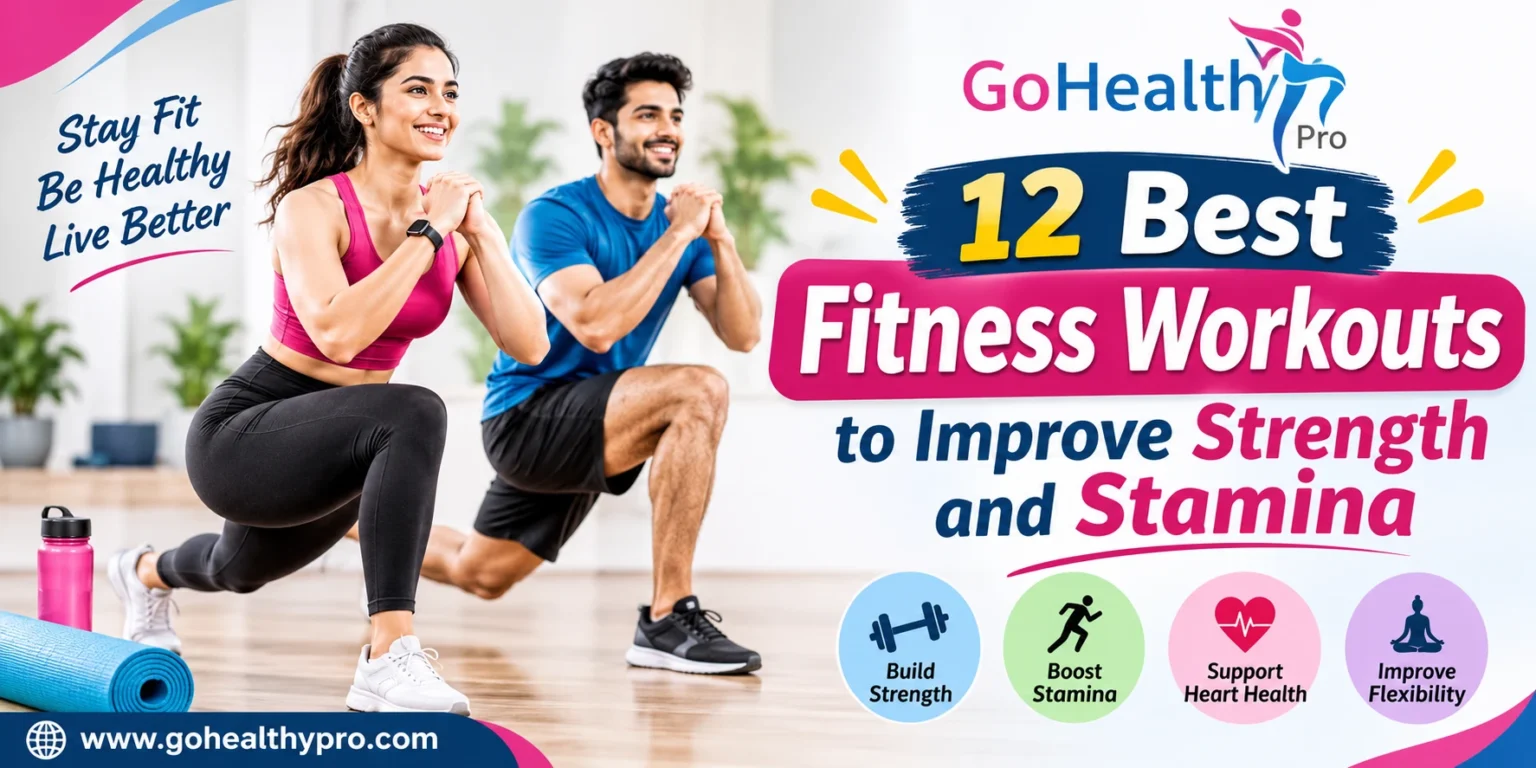
Maintaining good physical fitness is important for building a strong body, improving stamina and supporting overall health. Regular fitness workouts help people improve muscle strength, increase energy levels, maintain flexibility and develop a healthier daily routine. Whether you are a beginner or someone who already exercises regularly, choosing the right workouts can help you stay active and work towards your fitness goals.
You do not always need an expensive gym membership or advanced equipment to improve your physical fitness. Many effective exercises can be performed at home, in a park or at a gym. The key is to follow a balanced routine that includes strength training, cardio, flexibility exercises and enough recovery time.
In this guide, we will explore 12 effective fitness workouts that can help improve strength, stamina and overall physical fitness.
Fitness Workouts: 12 Best Exercises to Improve Strength and Stamina
Different exercises offer different benefits. Some help build muscle strength, while others improve cardiovascular endurance, flexibility and balance. Combining different types of exercises can help create a balanced fitness routine.
Here are 12 effective workouts that you can include in your daily or weekly exercise schedule.
1. Squats
Squats are one of the most effective bodyweight exercises for strengthening the lower body. They mainly target the thighs, hips and glutes. You can perform them at home without any special equipment.
How to perform squats:
- Stand straight with your feet shoulder-width apart.
- Keep your chest lifted and your back in a comfortable position.
- Slowly bend your knees and push your hips backwards.
- Lower your body as if you are sitting on a chair.
- Push through your feet to return to the standing position.
Benefits of squats:
- Strengthen the thighs and glute muscles.
- Support lower-body strength.
- Improve balance and movement control.
- Help develop everyday movements such as sitting and standing.
Beginners can start with 8 to 10 repetitions and gradually increase them as their strength improves.
2. Push-Ups
Push-ups are popular upper-body exercises that help strengthen the chest, shoulders, arms and core muscles. They use your body weight as resistance and do not require gym equipment.
How to perform push-ups:
- Start in a plank position with your hands slightly wider than your shoulders.
- Keep your body in a straight line.
- Slowly bend your elbows and lower your chest towards the floor.
- Push your body upwards until your arms are extended.
- Repeat the movement while maintaining proper form.
Benefits of push-ups:
- Build upper-body strength.
- Strengthen the chest and shoulder muscles.
- Improve core stability.
- Support overall body control.
If regular push-ups feel difficult, begin with wall push-ups or knee push-ups. These variations make the exercise easier for beginners.
3. Walking
Walking is one of the simplest ways to stay physically active. It is suitable for people of different fitness levels and can easily become part of a daily routine.
You can walk in a park, around your neighbourhood or on a treadmill. Brisk walking increases your breathing and heart rate while remaining a relatively low-impact activity.
How to make walking more effective:
- Start with a comfortable pace.
- Maintain an upright posture.
- Move your arms naturally.
- Gradually increase your walking speed.
- Choose a route that feels comfortable and safe.
Benefits of walking:
- Supports cardiovascular health.
- Helps improve physical endurance.
- Encourages regular movement.
- Supports mental wellbeing.
- Helps reduce long periods of sitting.
Beginners can start with 10 to 15 minutes of walking and gradually increase the duration according to their comfort and fitness level.
4. Plank
The plank is a useful exercise for strengthening the core muscles. It mainly works the abdominal muscles, shoulders and muscles that help stabilise the body.
How to perform a plank:
- Start by lying face down on the floor.
- Place your elbows directly below your shoulders.
- Lift your body using your forearms and toes.
- Keep your body in a straight line.
- Tighten your abdominal muscles and breathe normally.
- Hold the position for a comfortable duration.
Benefits of planks:
- Strengthen core muscles.
- Improve body stability.
- Support better posture.
- Develop muscular endurance.
Beginners can start by holding the position for 10 to 15 seconds. You can gradually increase the duration as your core strength improves.
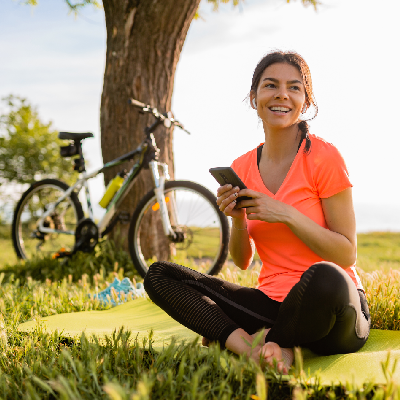
5. Cycling
Cycling is an enjoyable cardio workout that helps improve stamina and lower-body endurance. You can cycle outdoors or use a stationary exercise bike at home or in the gym.
It is also a useful option for people who prefer low-impact activities compared with running.
How to include cycling in your routine:
- Begin with a comfortable speed.
- Adjust the seat to a suitable height.
- Maintain a relaxed upper-body position.
- Increase the duration gradually.
- Wear a helmet when cycling outdoors.
Benefits of cycling:
- Improves cardiovascular endurance.
- Strengthens leg muscles.
- Supports overall physical fitness.
- Helps develop stamina.
- Provides an opportunity to enjoy outdoor activity.
Beginners can start with 10 to 15 minutes of easy cycling and increase their time as their fitness improves.
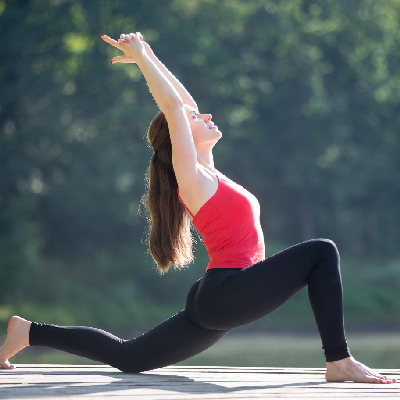
6. Lunges
Lunges are effective lower-body exercises that target the thighs, glutes and hips. They also challenge your balance and coordination.
You can perform lunges using your body weight or add light dumbbells when you become comfortable with the movement.
How to perform lunges:
- Stand straight with your feet hip-width apart.
- Take one step forward.
- Slowly bend both knees while lowering your body.
- Keep your front knee aligned with your foot.
- Push through your front foot to return to the starting position.
- Repeat with the other leg.
Benefits of lunges:
- Strengthen the lower-body muscles.
- Improve balance and coordination.
- Support leg strength.
- Help improve movement control.
Start with 8 repetitions on each leg. Use a smaller range of movement if you are still learning the exercise.
7. Jumping Jacks
Jumping jacks are simple cardio exercises that involve moving your arms and legs together. They help increase your heart rate and can be included in a warm-up or cardio routine.
How to perform jumping jacks:
- Stand straight with your feet together.
- Keep your arms by your sides.
- Jump and move your feet apart.
- Raise your arms above your head.
- Jump again and return to the starting position.
- Continue at a comfortable pace.
Benefits of jumping jacks:
- Improve cardiovascular endurance.
- Increase overall body movement.
- Support coordination.
- Help warm up the muscles before exercise.
If jumping feels uncomfortable, try stepping one foot out at a time instead. This low-impact variation is easier on the joints.
8. Swimming
Swimming is a full-body physical activity that uses several muscle groups. Water supports the body, making swimming a low-impact exercise for many people.
Different swimming styles, such as freestyle, backstroke and breaststroke, provide opportunities to work on endurance and coordination.
How to include swimming in your routine:
- Start with a swimming style you can perform comfortably.
- Warm up with easy movements in the water.
- Take breaks whenever needed.
- Increase your swimming time gradually.
- Follow pool safety rules.
Benefits of swimming:
- Works several muscle groups.
- Supports cardiovascular fitness.
- Helps improve stamina.
- Develops coordination.
- Provides a low-impact exercise option.
Beginners should learn basic swimming techniques and practise in a supervised swimming area.
9. Mountain Climbers
Mountain climbers are dynamic bodyweight exercises that combine core engagement with repeated leg movements. They can be included in a cardio or full-body workout.
How to perform mountain climbers:
- Begin in a high plank position.
- Place your hands below your shoulders.
- Keep your body stable.
- Bring your right knee towards your chest.
- Return it to the starting position.
- Repeat with your left knee.
- Continue alternating your legs at a controlled pace.
Benefits of mountain climbers:
- Engage the abdominal muscles.
- Improve coordination.
- Develop muscular endurance.
- Increase cardiovascular activity.
- Support full-body conditioning.
Beginners should perform the movement slowly instead of trying to move quickly. Focus on maintaining a stable body position.
10. Dumbbell Rows
Dumbbell rows are strength-training exercises that mainly target the upper back, shoulders and arms. They are useful for people who want to develop upper-body strength.
You can perform this exercise using one or two dumbbells.
How to perform dumbbell rows:
- Hold a dumbbell in one hand.
- Place your other hand on a stable bench or support.
- Keep your back in a neutral position.
- Pull the dumbbell towards your waist.
- Slowly lower the weight.
- Complete the repetitions and switch sides.
Benefits of dumbbell rows:
- Strengthen the back muscles.
- Improve upper-body strength.
- Support better posture.
- Develop pulling strength.
Choose a light weight when starting. Avoid swinging your body or using momentum to lift the dumbbell.
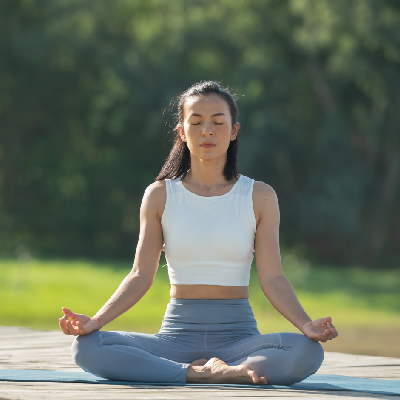
11. Yoga and Stretching
Yoga and stretching exercises help improve flexibility, balance and body awareness. They can also support relaxation and provide a useful break from a busy daily routine.
Some beginner-friendly yoga poses include:
- Child’s Pose: Helps you relax and gently stretch your back.
- Cat-Cow Pose: Encourages gentle spinal movement.
- Downward-Facing Dog: Stretches several muscles, including the shoulders and legs.
- Mountain Pose: Helps practise standing posture and body awareness.
- Seated Forward Bend: Provides a gentle stretch for the back of the legs.
Benefits of yoga and stretching:
- Improve flexibility.
- Support joint mobility.
- Encourage relaxation.
- Improve balance and body awareness.
- Help reduce stiffness associated with prolonged sitting.
Move slowly and avoid forcing your body into uncomfortable positions. Choose modifications that match your flexibility level.
12. Jump Rope
Jump rope, also known as skipping, is a simple cardio workout that can improve coordination and cardiovascular endurance. It requires minimal equipment and can be performed in a suitable open space.
How to perform jump rope:
- Hold one handle in each hand.
- Keep the rope behind your feet.
- Swing the rope over your head.
- Jump lightly as the rope reaches your feet.
- Land softly and continue at a comfortable pace.
Benefits of jump rope:
- Supports cardiovascular endurance.
- Improves coordination.
- Develops lower-body endurance.
- Provides an effective cardio activity.
Beginners can start with short intervals of 20 to 30 seconds, followed by rest. People with joint concerns should consider lower-impact alternatives.
Benefits of Regular Fitness Workouts
Regular exercise is an important part of a healthy lifestyle. Combining different types of workouts can support physical health and general wellbeing.
Here are some important benefits of maintaining a consistent exercise routine.
1. Improves Muscle Strength
Strength-training exercises such as squats, push-ups, lunges and dumbbell rows help muscles work against resistance. Over time, regular practice can improve muscular strength and everyday movement.
2. Builds Stamina and Endurance
Cardio activities such as walking, cycling, swimming and skipping help improve cardiovascular endurance. They train your body to perform physical activities for longer periods.
3. Supports Heart Health
Regular physical activity supports heart and circulatory health. Activities that increase your heart rate, such as brisk walking and cycling, can contribute to better cardiovascular fitness.
4. Improves Flexibility and Balance
Yoga, stretching and controlled bodyweight exercises help develop flexibility, balance and coordination. These skills are useful for everyday activities.
5. Supports Mental Wellbeing
Physical activity can support mood, relaxation and general mental wellbeing. Walking outdoors, cycling and yoga can also provide a healthy break from work or study.
6. Encourages a Healthy Lifestyle
Following a regular exercise schedule encourages other positive habits, such as drinking enough water, eating balanced meals and maintaining a consistent sleep routine.
Workouts and Exercises: How to Choose the Right Routine
Not every exercise provides the same benefits. A balanced fitness routine should include different types of physical activities.
Here are some important workout categories to consider.
Strength Training
Strength training uses resistance to make muscles work harder. Examples include:
- Squats
- Push-ups
- Lunges
- Dumbbell rows
- Planks
These exercises help develop muscle strength and improve physical performance.
Cardio Workouts
Cardio exercises increase your heart rate and help improve endurance.
Examples include:
- Brisk walking
- Cycling
- Swimming
- Jump rope
- Jogging
You can explore our related guide, The Complete Guide to Cardio Workouts, to learn more about different cardio activities and their benefits.
Flexibility Exercises
Flexibility exercises help improve the range of movement around your joints.
Examples include:
- Yoga
- Gentle stretching
- Cat-Cow Pose
- Child’s Pose
- Hamstring stretches
Include flexibility activities in your routine to support mobility and comfortable movement.
Bodyweight Exercises
Bodyweight exercises use your own body as resistance. They are suitable for home workouts and do not require expensive equipment.
Examples include:
- Squats
- Push-ups
- Planks
- Lunges
- Mountain climbers
If you are new to exercise, read our guide on Effective Fitness Tips for Beginners to Build Strength for more information about starting a strength-building routine.
How to Create a Balanced Weekly Workout Routine
A weekly workout plan can help you organise different exercises and avoid focusing on only one type of physical activity.
Beginners should start with a manageable schedule and adjust it according to their fitness level.
Here is an example of a simple weekly exercise routine:
Day | Workout | Suggested Duration |
Monday | Walking and bodyweight squats | 20–30 minutes |
Tuesday | Upper-body strength exercises | 20–30 minutes |
Wednesday | Cycling or brisk walking | 20–30 minutes |
Thursday | Yoga and stretching | 15–25 minutes |
Friday | Full-body strength training | 20–30 minutes |
Saturday | Swimming or light cardio | 20–30 minutes |
Sunday | Rest or gentle walking | As comfortable |
This is only an example. You can change the activities and duration according to your experience, health and daily schedule.
The World Health Organization recommends that adults aim for at least 150 to 300 minutes of moderate-intensity aerobic physical activity per week, or an equivalent amount of vigorous activity. Adults should also include muscle-strengthening activities involving major muscle groups on at least two days per week.
Read the official WHO guidelines on physical activity for more information.
Importance of Warm-Up and Cool-Down Exercises
Many people focus only on their main workout and forget to warm up or cool down. However, both are useful parts of a balanced exercise routine.
Why Is Warm-Up Important?
A warm-up prepares your body for physical activity by gradually increasing movement and heart rate.
You can try these simple warm-up activities:
- Marching in place.
- Arm circles.
- Shoulder rolls.
- Gentle leg swings.
- Slow walking.
Spend around 5 to 10 minutes warming up before a workout.
Why Is Cool-Down Important?
A cool-down helps your body gradually return to its normal resting state after exercise.
Some simple cool-down activities include:
- Slow walking.
- Gentle stretching.
- Relaxed breathing.
- Light shoulder movements.
- Gentle leg stretches.
Avoid bouncing during stretches or forcing your body into uncomfortable positions.
Common Fitness Workout Mistakes to Avoid
When starting a new exercise routine, it is easy to make mistakes that can affect your progress and increase the risk of injury.
Here are some common mistakes to avoid.
1. Skipping Warm-Up
Starting intense exercise without preparing your body is not a good habit. Always include a short warm-up before your main workout.
2. Using Incorrect Exercise Form
Incorrect posture and movement can place unnecessary stress on your muscles and joints. Learn the correct technique before increasing the difficulty.
3. Exercising Too Much Too Soon
Beginners sometimes try to complete difficult workouts immediately. Start with simple exercises and increase the intensity gradually.
4. Ignoring Rest Days
Your body needs enough recovery time after physical activity. Avoid training the same muscle groups intensely every day.
5. Not Drinking Enough Water
Exercise causes fluid loss through sweating. Drink water regularly throughout the day and replace fluids during and after exercise as needed.
6. Comparing Your Progress With Others
Everyone has a different fitness level and starting point. Focus on your own routine instead of comparing your performance with someone else’s.
Tips to Stay Consistent With Your Fitness Routine
Staying consistent is one of the most important parts of developing a healthy exercise habit. You do not need to perform difficult workouts every day to remain active.
Try these practical tips:
- Set realistic goals: Start with small and achievable fitness targets.
- Choose enjoyable activities: Select workouts that you actually like doing.
- Follow a schedule: Decide when you will exercise and try to follow the routine.
- Track your progress: Record your walking time, workout duration or exercise repetitions.
- Exercise with a friend: A workout partner can help you stay motivated.
- Try different activities: Combine strength training, cardio and yoga to keep your routine interesting.
- Take enough rest: Give your body time to recover between demanding sessions.
Remember that consistency is more important than trying to complete an intense workout every day.
Nutrition, Hydration and Recovery for Better Fitness
Exercise is only one part of a healthy lifestyle. Your food choices, water intake and sleep habits also support your physical fitness.
Eat a Balanced Diet
Your body needs different nutrients to support daily activities and exercise recovery.
Include a variety of foods in your daily meals, such as:
- Protein: Dal, paneer, milk, curd, eggs, beans and nuts.
- Carbohydrates: Rice, whole wheat roti, oats and other whole grains.
- Healthy fats: Nuts, seeds and suitable vegetable oils.
- Fruits and vegetables: Seasonal fruits and different coloured vegetables.
Try to maintain balanced meals instead of following restrictive diets without professional guidance.
Stay Hydrated
Water is important for maintaining normal body functions, especially during physical activity.
Follow these simple hydration habits:
- Drink water regularly throughout the day.
- Drink water before and after exercise.
- Carry a water bottle when going outdoors.
- Pay attention to increased thirst and sweating.
- Adjust fluid intake according to the weather and activity level.
Get Enough Sleep
Sleep supports physical recovery, energy levels and general wellbeing. Most adults need around 7 to 9 hours of sleep each night.
To develop better sleep habits:
- Maintain a regular bedtime.
- Avoid heavy meals close to bedtime.
- Reduce screen use before sleeping.
- Keep your sleeping environment comfortable.
- Avoid late-night intense workouts if they affect your sleep.
How Beginners Can Gradually Improve Their Fitness Levels
Starting a fitness journey can feel challenging, especially if you have not exercised regularly. The best approach is to begin with simple movements and develop your routine over time.
Follow these steps:
Step 1: Start With Easy Activities
Begin with walking, gentle stretching and basic bodyweight exercises. Choose activities that feel comfortable.
Step 2: Learn the Correct Technique
Focus on performing each exercise correctly instead of completing more repetitions.
Step 3: Build a Regular Schedule
Start with a few exercise sessions each week. Gradually increase your activity as your body becomes accustomed to the routine.
Step 4: Increase Difficulty Slowly
You can gradually increase exercise duration, repetitions or resistance. Change one aspect at a time instead of increasing everything together.
Step 5: Monitor Your Progress
Keep a simple record of your workouts. Notice improvements in your endurance, strength, balance and exercise consistency.
Step 6: Give Your Body Enough Recovery Time
Take rest days and avoid exercising through pain. Stop if you experience unusual discomfort, dizziness or other concerning symptoms.
If you have an existing health condition, an injury or concerns about starting exercise, consult a qualified healthcare professional for personalised advice.
Frequently Asked Questions About Fitness Workouts
What Are the Best Fitness Workouts for Beginners?
Walking, squats, wall push-ups, beginner yoga, gentle cycling and modified planks are useful starting options. Choose exercises that match your current fitness level and gradually increase their difficulty.
How Many Days a Week Should I Do Fitness Workouts?
Beginners can start with three to four days of planned exercise each week. Gradually work towards recommended activity levels while including strength training and sufficient recovery time.
Which Workouts Help Improve Strength and Stamina?
Strength exercises such as squats, push-ups, lunges and dumbbell rows help develop muscle strength. Cardio activities such as walking, cycling, swimming and skipping help improve cardiovascular endurance.
Can I Do Fitness Workouts at Home Without Equipment?
Yes. Many effective exercises do not require equipment. Squats, lunges, push-ups, planks and mountain climbers can be performed at home with enough space and proper technique.
How Long Should a Daily Fitness Workout Last?
The ideal workout duration depends on your fitness level, exercise type and personal schedule. Beginners can start with 15 to 20 minutes and gradually increase their activity. Focus on regular movement and good exercise technique rather than workout duration alone.
Conclusion
Regular physical activity is an important part of maintaining a healthy lifestyle. The right combination of strength training, cardio, flexibility exercises and recovery can help improve muscle strength, stamina, balance and overall physical fitness.
You do not need to start with difficult exercises or spend hours in the gym. Simple activities such as walking, cycling, squats, push-ups and yoga can help you build a consistent exercise routine. Focus on proper technique, balanced nutrition, hydration and sufficient sleep to support your fitness journey.
At GoHealthyPro, we aim to share useful health and wellness information to help readers make informed lifestyle choices. Start with simple fitness workouts, stay consistent and make physical activity a regular part of your everyday life.
Disclaimer: This article is intended for general health and educational purposes only. It does not replace professional medical advice. Consult a qualified healthcare professional before starting a new exercise programme, especially if you have an existing health condition, injury or other health concerns.