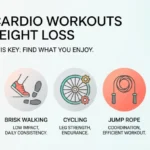



Introduction
When choosing a cardio workout, many people wonder whether walking or running is better for fitness, weight management and overall health. Both activities are simple, accessible and effective ways to stay active, but they differ in intensity, energy use, impact and fitness demands.
Walking can be a comfortable starting point for beginners, while running can provide a more vigorous workout in less time. The right choice depends on your fitness level, goals, preferences and how consistently you can perform the activity.
In this guide, we compare walking vs running, explain their benefits and differences, and help you choose the right option for your fitness and wellness routine.
Walking vs Running: What Is the Difference?
Walking and running are both aerobic exercises that increase your heart rate and make your body work harder. The main difference is intensity.
Walking, especially at a brisk pace, is generally a moderate-intensity activity. Running is usually more vigorous and places greater demands on the heart, lungs, muscles and joints.
The World Health Organization recommends that adults aim for at least 150 minutes of moderate-intensity physical activity or 75 minutes of vigorous-intensity activity each week. A combination of both can also help adults meet their activity goals.
This means you do not necessarily have to choose only walking or running. You can combine both according to your fitness level and schedule.
Benefits of Walking
Walking is one of the easiest ways to include regular physical activity in your day. It requires little equipment and can be performed outdoors, on a treadmill or even as part of your daily routine.
The American Heart Association notes that brisk walking can support heart and brain health and may help reduce the risk of heart disease.
1. Easy for Beginners
If you are new to exercise, walking can provide a practical way to start. You can begin with a comfortable pace and gradually increase your walking time.
2. Lower Impact
Walking generally puts less impact on the body than running. This can make it a suitable option for people who prefer lower-impact workout exercises.
3. Easy to Fit Into Your Day
You can walk before work, after meals, during breaks or in the evening. Short walking sessions can also contribute to your overall physical activity.
4. Supports Everyday Fitness
Regular brisk walking can improve endurance and help you stay active without requiring a complicated workout plan.
For more ideas, explore these Fitness and Wellness Tips for practical ways to build an active routine.
Benefits of Running
Running is a vigorous form of cardio that can help you challenge your cardiovascular system and improve endurance.
Because running is more intense than ordinary walking, you can achieve a vigorous workout in a shorter period. However, it also requires more effort and recovery.
1. Higher Workout Intensity
Running raises your heart rate more quickly than walking for most people. This makes it useful for people who already have a reasonable fitness base and want a more challenging cardio exercise.
2. Improves Cardiovascular Endurance
Regular running can help develop aerobic fitness and stamina. The American Heart Association includes running and brisk walking among examples of endurance activities.
3. Can Support Weight Management
Running generally requires more energy than walking at the same duration. However, weight management depends on several factors, including overall food intake, activity levels, sleep and consistency.
You can also combine running with healthy eating and practical weight management tips for a balanced approach.
4. Useful for Fitness Goals
If you enjoy challenging yourself, running can be useful for improving speed, stamina and performance. You can gradually increase your running duration, distance or pace as your fitness improves.

Walking vs Running for Weight Management
One of the most common questions is whether walking or running is better for weight loss.
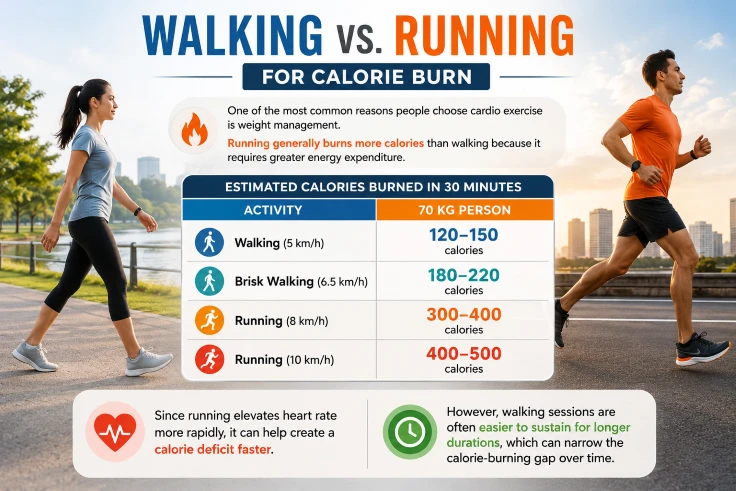
Running usually burns more energy per minute because it requires greater effort. However, walking can still be valuable because it is easier for many people to perform regularly.
Consistency is an important factor. A person who enjoys walking and does it regularly may benefit more from that routine than someone who starts running but cannot maintain it.
Your overall diet also matters. For practical nutrition ideas, read these Diet and Nutrition Tips and learn how healthy food choices can complement an active lifestyle.
Which Is Better for Beginners?
For beginners, walking is often a practical starting point because you can control your pace and gradually increase the duration. If you have been inactive for a long time, starting with shorter sessions can make it easier to build a consistent exercise habit.
For example, you could start with:
- 10 to 15 minutes of comfortable walking
- Gradually increase your walking duration
- Add short periods of brisk walking
- Increase your pace as your fitness improves
- Introduce short jogging intervals when you feel ready
The American Heart Association recommends starting slowly and gradually building up activity over time, especially if you have been sedentary. It also suggests that beginners can start with short periods of activity and progressively increase the time and intensity. Read the American Heart Association’s exercise guidance.
Can You Combine Walking and Running?
Yes. Combining walking and running can create a flexible cardio routine.
A simple walk-run workout could look like this:
5 minutes: Easy walking warm-up
2 minutes: Light jogging
3 minutes: Brisk walking
Repeat the jogging and walking intervals several times.
5 minutes: Easy walking cooldown
As your endurance improves, you can gradually increase the running intervals and reduce the walking periods.
This approach can make exercise feel more manageable while helping you build cardiovascular endurance.
Walking vs Running: Which One Should You Choose?
There is no single answer because the better option depends on your individual goals.
Goal | Walking | Running |
Beginner fitness | Excellent choice | May require gradual preparation |
Low-impact activity | Better option | Higher impact |
Higher intensity | Moderate | Vigorous |
Building endurance | Effective | Highly effective |
Easy daily activity | Very convenient | Requires more recovery |
Time-efficient cardio | Good | Better for vigorous activity |
Walk-run training | Excellent | Excellent |
If you are starting a new routine, focus on an activity that you can perform safely and consistently.
Tips to Make Your Cardio Workout More Effective
Whether you choose walking, running or both, a few simple habits can improve your routine.
Warm Up First
Start with a few minutes of easy movement before increasing your pace. This gives your body time to prepare for exercise.
Increase Gradually
Do not increase distance, speed and duration all at once. Gradual progression can make your routine easier to maintain.
Wear Comfortable Shoes
Choose footwear that feels comfortable and suits the activity you are doing. Replace worn-out shoes when necessary.
Stay Hydrated
Drink enough fluids throughout the day, especially when exercising in hot or humid weather.
Include Different Workout Exercises
Cardio is only one part of overall fitness. You can also include strength training, mobility exercises and stretching in your weekly routine.
Listen to Your Body
Fatigue is normal during exercise, but sharp pain, unusual breathing difficulties, dizziness or other concerning symptoms should not be ignored. If you have an existing health condition or concerns about starting vigorous exercise, speak with a qualified healthcare professional.
How Much Cardio Should You Do?
For adults, the World Health Organization recommends at least 150 minutes of moderate-intensity aerobic activity or 75 minutes of vigorous-intensity aerobic activity per week, with additional benefits possible from higher amounts within recommended ranges. Adults should also include muscle-strengthening activities on two or more days each week.
You can divide your activity across the week. For example, five 30-minute brisk walks can provide 150 minutes of moderate activity.
The most important point is to find a routine that fits your lifestyle and allows you to remain consistent.
Frequently Asked Questions
Is walking as effective as running for weight loss?
Walking can be effective for weight loss when performed consistently and combined with a healthy diet. Although running burns more calories per minute, longer walking sessions can still contribute significantly to calorie expenditure. Many people find walking easier to maintain regularly, which is often the most important factor for sustainable weight loss.
Which is better for beginners, walking or running?
Walking is generally better for beginners because it is low-impact and places less stress on the body. It allows individuals to build cardiovascular fitness gradually without excessive fatigue or injury risk. Once a solid fitness foundation is established, running can be introduced progressively if desired.
Does running damage the knees?
Running does not automatically damage healthy knees. Research suggests that recreational runners may not have a higher risk of knee arthritis compared to non-runners. However, poor technique, inadequate recovery, improper footwear, or excessive training can increase the likelihood of knee-related injuries.
How much walking equals a 30-minute run?
The exact equivalent varies depending on pace and body weight. Generally, a brisk 60-minute walk may burn a similar number of calories as a moderate 30-minute run. However, individual calorie expenditure depends on factors such as age, weight, fitness level, and exercise intensity.
Can I do both walking and running in the same workout?
Yes, combining walking and running is an excellent strategy. Many beginners use walk-run intervals to improve fitness gradually. This method helps reduce fatigue, lowers injury risk, and allows individuals to build endurance while still benefiting from higher-intensity running segments.
Which exercise is better for long-term health?
Both walking and running support long-term health by improving cardiovascular fitness, maintaining healthy body weight, reducing chronic disease risk, and enhancing mental well-being. The best choice is the activity you enjoy and can perform consistently over months and years.
Conclusion
Walking and running can both be effective cardio workouts, but the better choice depends on your fitness level, goals, preferences and ability to stay consistent. Walking is a convenient and lower-impact option, while running provides a more vigorous workout and can improve endurance efficiently.
You can also combine both activities through walk-run intervals to create a flexible and progressive routine. The key is to start at a suitable level, increase activity gradually and choose exercises that you enjoy.
GoHealthyPro provides practical fitness, nutrition and wellness information to help you build healthier daily habits. Whether you prefer a morning walk, an evening run or a combination of both, regular movement can be an important part of an active lifestyle.
GoHealthyPro also encourages a balanced approach that combines regular physical activity with nutritious food, adequate recovery and sustainable lifestyle habits. Choose the activity that works best for you, stay consistent and gradually build your fitness.
Disclaimer
This article is only for general health awareness and tips. It is not medically suggested advice. Please consult a qualified healthcare professional for medical guidance.