


Introduction
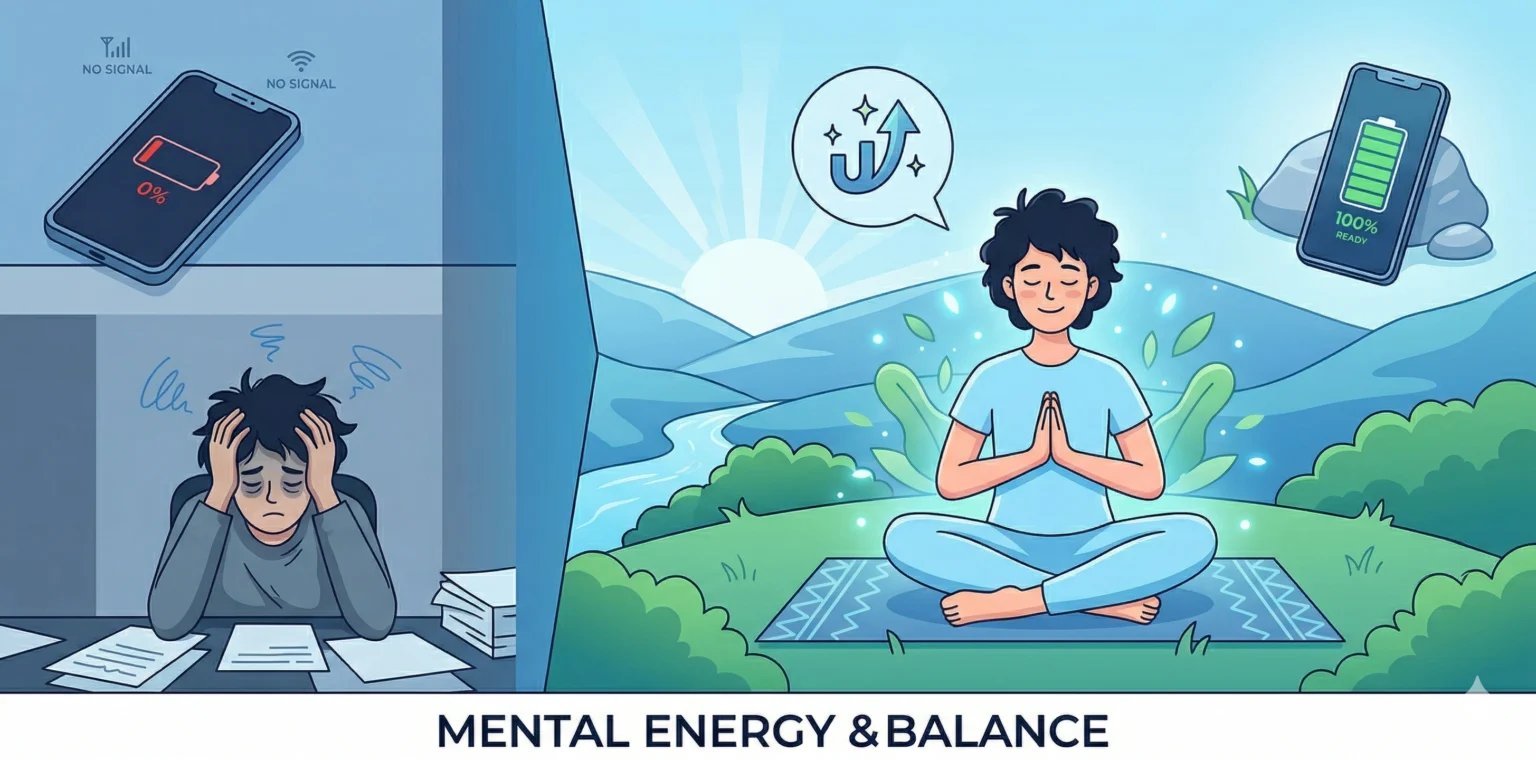
Think about your phone battery. If it drains to zero, nothing works — not apps, not calls, not anything. Your mind works the same way. Without proper mental wellness, everything else in your life suffers. This guide gives you honest, practical mental health tips to start feeling better — today.
What Is Mental Wellness?
Mental wellness isn’t just the absence of mental illness. It’s how well you handle everyday stress, how clearly you think, how deeply you connect with others, and how much purpose you feel in your daily life. It’s your overall psychological health and emotional well-being working together.
Think of mental wellness as a spectrum. On one end, you feel energized, focused, and emotionally balanced. On the other, you feel drained, anxious, or disconnected. Most people move back and forth along this spectrum depending on life circumstances. The goal isn’t to be “perfect” — it’s to understand where you are and take small, consistent steps toward mental clarity and inner peace.
| 💡 QUICK DEFINITION Mental wellness = your ability to think clearly, manage emotions, handle stress, and live a fulfilling life — day after day. |
Why Mental Wellness Is Important
Your mental health isn’t separate from your physical health — they’re deeply connected. Chronic stress can raise your blood pressure, weaken your immune system, and disrupt your sleep. Mental health care is literally body care.
Beyond the physical, your mental well-being affects everything: your productivity at work, your relationships, your motivation to exercise, and how you respond to challenges. People with strong mental wellness tend to make better decisions, recover faster from setbacks, and experience more joy in ordinary moments.
Here’s the thing — mental health awareness isn’t a trend or a luxury. It’s a basic need. And the good news? Improving it doesn’t require expensive treatments or hours of free time. Simple, consistent daily habits can create a dramatic shift in how you feel. That’s exactly what this mental health guide is designed to help you do.
Signs of Poor Mental Wellness
Sometimes it’s hard to tell when your mental health is slipping — because it often happens slowly. Here are some real signals worth paying attention to:
- Feeling tired or drained, even after a full night’s sleep
- Getting irritated or anxious over small things more than usual
- Struggling to concentrate or remember things clearly
- Pulling away from people you normally enjoy spending time with
- Losing interest in hobbies or activities that used to excite you
- Experiencing frequent headaches, stomach aches, or body tension
- Falling into negative thought loops or excessive worrying
- Feeling hopeless, stuck, or emotionally numb
If several of these feel familiar, don’t panic — that’s your mind asking for attention. The earlier you notice, the easier it is to course-correct with the right mental wellness strategies.
Benefits of Good Mental Wellness
When you actively take care of your mental well-being, the ripple effects touch every part of your life. Here’s what you gain:
- A calm mind thinks clearly. You make better decisions and waste less energy second-guessing yourself.
- When you feel emotionally balanced, you communicate more openly and connect more genuinely with others.
- Lower stress means your immune system can do its job more effectively.
- Good mental health reduces mental fatigue, giving you natural stamina throughout the day.
- You bounce back faster from setbacks instead of getting stuck in them.
- Small, everyday moments feel richer when your mind isn’t clouded by anxiety or overwhelm.
- A healthy mind falls asleep faster and wakes up more refreshed.
In short, investing in your mental health improvement isn’t selfish — it’s one of the smartest things you can do for yourself and the people around you.
Common Causes of Mental Stress
Before you can fix something, it helps to know what’s breaking it. Here are the most common stress triggers in modern life:
6.1 Work and Daily Pressure
Deadlines, meetings, emails, and the constant pressure to perform — work stress is one of the leading causes of mental burnout. When you can’t switch off from work mode, your nervous system stays in a constant state of alert, draining your emotional reserves over time.
6.2 Lack of Sleep
The sleep and mental health connection is undeniable. Sleep is when your brain processes emotions, consolidates memories, and resets. Cutting it short even by an hour or two regularly leads to irritability, poor concentration, and heightened anxiety.
6.3 Poor Diet and Lifestyle
What you eat directly affects your mood. A diet heavy in processed foods and sugar creates energy crashes and inflammation — both of which worsen anxiety and low mood. Lack of movement makes it worse. Your body and mind are not separate systems.
6.4 Overthinking and Negativity
The mind has a natural negativity bias — it’s wired to focus on problems. But when you add overthinking on top, it becomes a loop that’s hard to escape. Ruminating over past mistakes or worrying about imaginary future disasters is exhausting and adds zero value.
6.5 Digital Overload
Constant notifications, social media comparisons, 24-hour news cycles — your brain wasn’t built for this level of stimulation. Digital overload fragments your attention, spikes anxiety, and makes it nearly impossible to feel present or at rest.
How to Improve Mental Wellness
Here’s the truth: you don’t need a radical life overhaul. The most powerful changes in mental health improvement come from small, consistent shifts in your daily behavior.
7.1 Start with Small Daily Habits
Big goals are great on paper, but they’re easy to abandon. Instead, start tiny. Drink one extra glass of water. Step outside for five minutes. Take three deep breaths before opening your phone. These simple daily habits for mental wellness build momentum and signal to your brain that you’re taking care of yourself. That signal alone shifts your mindset.
| 🌱 SIMPLE DAILY HABITS FOR MENTAL WELLNESS 5 minutes of sunlight, 3 deep breaths, 1 glass of water, and a moment of gratitude — that’s a mental wellness morning, right there. |
7.2 Practice Mindfulness and Meditation
Mindfulness exercises for beginners don’t have to be complicated. Simply paying full attention to what you’re doing — eating, walking, washing dishes — without letting your mind wander is mindfulness. Formal meditation for mental health adds structure: even 10 minutes of quiet sitting and focusing on your breath can measurably reduce anxiety, lower cortisol, and improve emotional regulation over time.
7.3 Stay Physically Active
The exercise and mental health benefits are well-documented. Movement triggers the release of endorphins, dopamine, and serotonin — your brain’s natural mood boosters. You don’t need a gym membership. A 20-minute brisk walk, a quick home workout, or even dancing around your kitchen counts. Movement is medicine for your mind.
7.4 Maintain a Healthy Diet
Your gut and brain communicate constantly via what scientists call the gut-brain axis. Foods that help improve mental health include leafy greens, fatty fish, berries, nuts, and fermented foods like yogurt. These support brain function and help regulate mood hormones. Cut back on ultra-processed foods, excessive caffeine, and alcohol — they may feel comforting short-term but they worsen anxiety and mood swings over time.
7.5 Build Positive Relationships
Humans are social creatures. Isolation is one of the fastest routes to mental decline. Invest in relationships that make you feel seen, heard, and valued. You don’t need dozens of friends — even one or two genuinely supportive people make a profound difference in your emotional well-being.
7.6 Take Breaks and Relax
Rest is not a reward for finishing work — it’s part of the work. Your brain needs downtime to process, consolidate, and reset. Build real breaks into your day: a quiet walk, a cup of tea without your phone, five minutes of deep breathing. These micro-resets keep your stress levels in check and prevent mental burnout recovery from becoming necessary in the first place.
Simple Daily Mental Wellness Routine
A structured mental wellness routine for busy people doesn’t have to be rigid or time-consuming. Think of it as a soft container for your day — one that keeps you grounded no matter what life throws at you.
8.1 🌅 Morning: Clear Your Mind
Wake without your phone. Drink water. Step into natural light. Spend 5-10 minutes breathing deeply or writing down 3 things you’re grateful for. This sets a calm, intentional tone for the whole day and is one of the best morning routines for mental clarity you can build.
8.2 ☀️ Midday: Reset and Recharge
Step away from screens for 10 minutes. Go outside, stretch, or eat lunch without multitasking. A short walk is even better. This midday pause prevents stress from snowballing into the afternoon and keeps your emotional balance intact.
8.3 🌙 Evening: Wind Down Gently
Limit screens 30-60 minutes before bed. Reflect on 1 good thing from the day. Try light stretching or a warm shower. This signals to your nervous system that it’s safe to relax and prepare for sleep — one of the most underrated anxiety relief habits you can adopt.
The beauty of this routine is its flexibility. Each block takes 10 minutes or less. Even on chaotic days, doing just one of these anchors you back to yourself.
Stress and Anxiety Management Techniques
9.1 Deep Breathing Exercises
When anxiety spikes, your breathing becomes shallow — which signals danger to your brain and intensifies the feeling. Reversing this is simple: try the 4-7-8 method. Inhale for 4 counts, hold for 7, exhale for 8. Do this three times. It activates your parasympathetic nervous system and tells your body to calm down. It’s one of the most effective ways to reduce stress quickly.
9.2 Journaling Your Thoughts
Journaling for mental wellness is like a pressure valve for your mind. When you write down what you’re thinking and feeling, you externalize the noise — creating space between you and the thought. You don’t need to write pages. Even five minutes of free-writing can dramatically reduce mental clutter and help you process difficult emotions more clearly.
9.3 Time Management Tips
Overwhelm is often the result of too many open loops. Prioritize ruthlessly: pick your top three tasks for the day and focus on those first. Use time-blocking to give tasks defined start and end times. Leave buffer space between commitments. A little structure goes a long way in preventing the scattered anxiety that comes from feeling behind on everything.
9.4 Limiting Social Media Use
Digital detox benefits are real. Studies show that reducing social media use even slightly can lower anxiety, improve sleep, and increase feelings of life satisfaction. Set daily limits on your most-used apps. Create phone-free zones in your home — especially the bedroom. What you stop doing is just as powerful as what you start.
Best Mental Wellness Activities
10.1 Meditation and Yoga
These two practices are among the most research-backed tools for improving mental health naturally. Meditation for mental health builds your ability to observe thoughts without being controlled by them. Yoga combines movement, breathwork, and mindfulness into one practice — making it uniquely effective for anxiety and stress relief.
10.2 Walking in Nature
Spending time outdoors — especially in green spaces — lowers cortisol, reduces rumination, and improves mood. Even a 15-minute walk through a park can shift your mental state noticeably. Nature is one of the oldest and most effective anxiety relief tips available, and it’s completely free.
10.3 Creative Activities (Art, Music, Writing)
Art, music, writing, cooking, crafting — creativity engages the brain in a way that naturally quiets overthinking. When you’re absorbed in making something, the analytical mind takes a back seat. This “flow state” is deeply restorative for your emotional well-being and can feel like hitting a mental reset button.
10.4 Digital Detox Practices
Designate one day a week or one hour each evening as screen-free time. Read a physical book. Have a face-to-face conversation. Cook a meal from scratch. These analog activities ground you in the present and restore the attention span that constant digital stimulation slowly erodes.
Healthy Habits That Boost Mental Health
11.1 Quality Sleep Routine
Aim for 7-9 hours of consistent sleep. Keep a fixed wake time, even on weekends. Darkness and cool temperatures optimize sleep quality. A quality sleep routine is the foundation of every other mental health habit — nothing works as well when you’re sleep-deprived.
11.2 Regular Exercise
You don’t need intense workouts. Even 20-30 minutes of moderate movement five days a week significantly improves mood, reduces anxiety, and enhances cognitive function. Consistency matters far more than intensity when it comes to exercise and mental health benefits.
11.3 Balanced Nutrition
Eat real food most of the time. Focus on variety: colorful vegetables, whole grains, lean proteins, and healthy fats. Minimize ultra-processed snacks, sugary drinks, and alcohol. Proper nutrition gives your brain the raw materials it needs to produce feel-good neurotransmitters like serotonin and dopamine.
11.4 Positive Thinking Practice
This isn’t about pretending everything is fine. It’s about training your brain to notice what’s going right, not just what’s going wrong. Each morning or evening, write down three things that went well — no matter how small. Over time, this rewires your default mental setting toward a healthy mindset and positive thinking habits.
Mistakes to Avoid for Better Mental Wellness
Knowing what NOT to do is just as important as knowing what to do. Here are the most common patterns that quietly undermine mental wellness:
| ❌ Ignoring Your EmotionsSuppressing feelings doesn’t make them disappear — it makes them louder. Name what you feel. Acknowledge it. Then let it pass. | ❌ Overworking Without BreaksPowering through without rest creates diminishing returns — and eventual burnout. Build in recovery time like it’s a work commitment. |
| ❌ Comparing Yourself to OthersSocial comparison steals your joy and skews your reality. Everyone is fighting unseen battles. Focus on your own timeline. | ❌ Neglecting Self-CarePutting everyone else’s needs before your own isn’t noble — it’s unsustainable. You can’t pour from an empty cup. Self-care isn’t selfish; it’s necessary. |
When to Seek Professional Help
| ⚠️ THIS IS IMPORTANT Self-help strategies are powerful — but they have limits. Knowing when to reach out for professional support is a sign of strength, not weakness. |
Consider seeking help from a licensed therapist or counselor when:
- Feelings of sadness, anxiety, or hopelessness persist for more than two weeks
- Daily functioning at work, school, or in relationships is significantly affected
- You’re using alcohol, substances, or other behaviors to cope with emotions
- You experience thoughts of self-harm or feel unable to keep yourself safe
- You feel like you’re managing alone but not actually getting better
Therapists provide a safe, structured space to work through underlying issues that self-help tools can’t reach. In many cases, just a few sessions can create significant breakthroughs. Mental health care is healthcare — treat it the same way you would a physical injury that isn’t healing on its own.
Tips to Stay Consistent with Mental Wellness
Starting a new habit is easy. Sticking with it when life gets messy — that’s where most people struggle. Here’s how to build lasting momentum:
14.1 Set Realistic Goals
Don’t aim for perfection. Instead of “I’ll meditate 30 minutes every day,” try “I’ll take 5 deep breaths every morning.” Small, doable goals create a track record of wins, which builds genuine confidence and self-trust over time.
14.2 Track Your Progress
What gets measured gets managed. Keep a simple mental health journal or use a habit tracker app. Even just checking off a daily box — “I moved my body,” “I slept 7 hours” — gives you visual evidence of your progress and reinforces the identity of someone who takes care of their mental well-being.
14.3 Stay Patient and Consistent
Mental wellness isn’t built overnight. Think of it like watering a plant — you won’t see results after one day, but if you keep showing up, growth happens. Be kind to yourself on the days things fall apart. Missing one day isn’t failure. Getting back the next day is success. Progress over perfection, always.
CONCLUSION
Final Thought: Your Mind Deserves the Same Care as Your Body
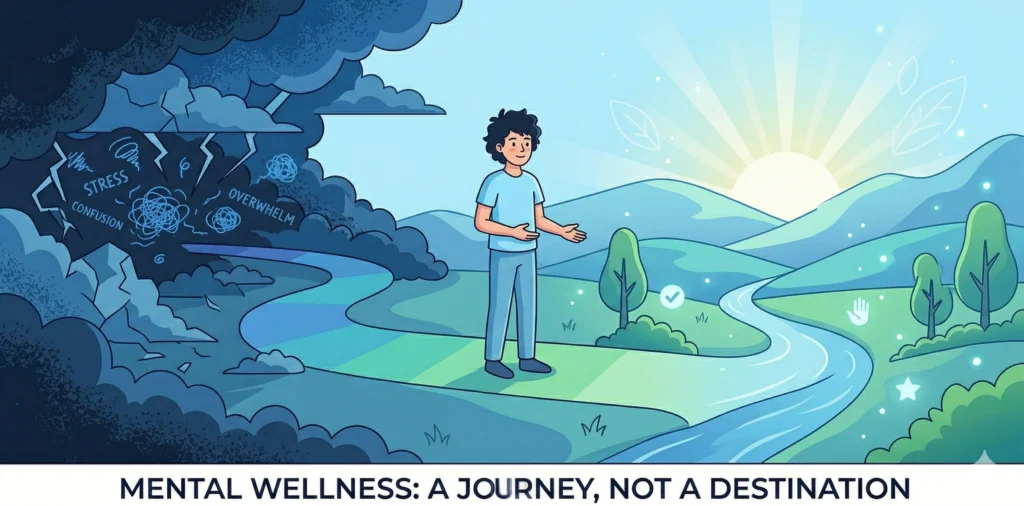
Mental wellness isn’t a destination you arrive at — it’s a daily practice you show up for. You don’t need to overhaul your entire life. Pick one tip from this guide and start today. Then add another next week. Over time, these small, consistent actions compound into something powerful: a life where you feel grounded, clear, and genuinely well. You’ve already taken the first step by reading this. Keep going.
FAQ
What are the best daily mental wellness habits?
The most effective daily mental health habits include getting 7-9 hours of sleep, moving your body for at least 20 minutes, practicing mindfulness or deep breathing, journaling, eating real food, and limiting screen time. Consistency with even two or three of these makes a significant difference.
How can I improve my mental health quickly?
For fast relief, try the 4-7-8 breathing technique, take a 15-minute walk outside, write down three things you’re grateful for, or call a supportive friend. These activate your calm response quickly. For sustained improvement, focus on consistent sleep, movement, and nutrition over weeks.
How can I stop overthinking?
To stop overthinking, try writing your thoughts down to externalize them, setting a ‘worry window’ (10 minutes where you allow yourself to think about concerns, then move on), practicing grounding techniques like the 5-4-3-2-1 sensory method, and engaging in physical activity to shift your mental state.
What are simple ways to reduce stress at home?
Practical mental wellness tips at home include deep breathing, journaling, stretching or yoga, limiting news and social media, cooking a nourishing meal, listening to calming music, and taking a warm shower or bath. Even decluttering your space can reduce mental noise.
How does sleep affect mental health?
Sleep is when your brain processes emotions, clears metabolic waste, and consolidates learning. Poor sleep is directly linked to increased anxiety, low mood, impaired concentration, and heightened stress reactivity. Prioritizing consistent, quality sleep is one of the most impactful things you can do for your mental health.
Is meditation necessary for mental wellness?
Not strictly necessary, but it’s one of the most powerful tools available. Even 5-10 minutes of mindful breathing daily builds emotional regulation over time. If formal meditation isn’t your thing, mindful walking, journaling, or deep breathing can offer similar benefits.
What foods help improve mental health?
Foods that support brain health include fatty fish (salmon, sardines), leafy greens, berries, nuts and seeds, dark chocolate, fermented foods (yogurt, kefir, kimchi), whole grains, and legumes. These support serotonin production, reduce inflammation, and fuel stable mood and energy.