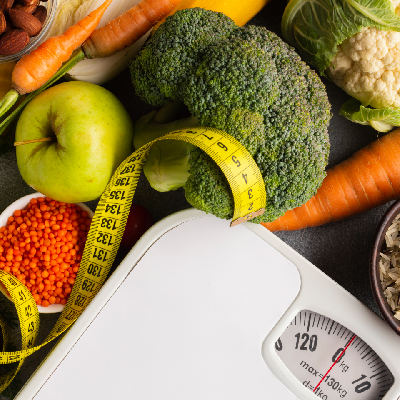


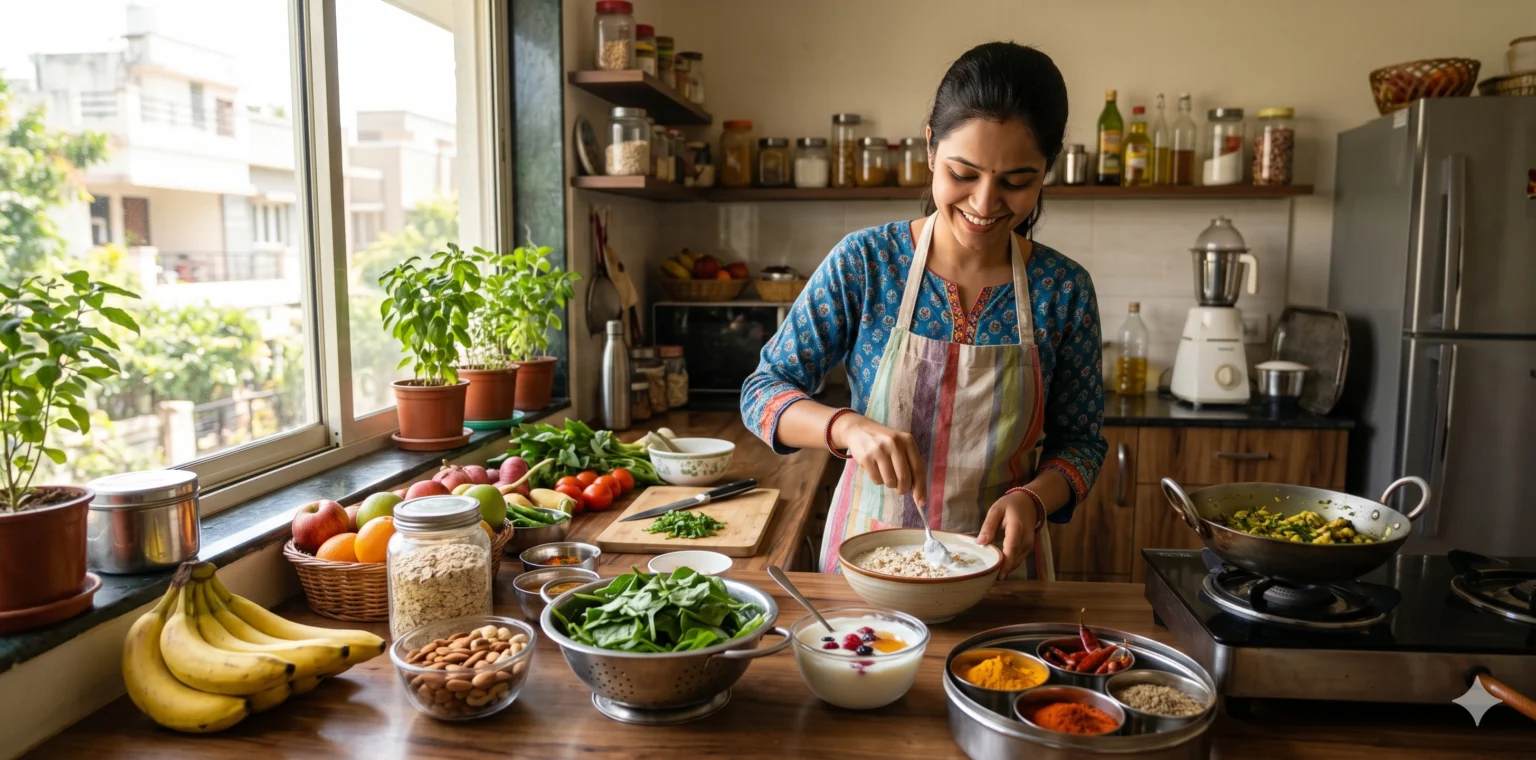
Feeling tired during the day can make it difficult to focus on work, exercise, and everyday activities. Your food choices play an important role in supporting energy levels and overall health. Including a variety of nutritious foods in your daily meals can help provide carbohydrates, protein, healthy fats, vitamins, and minerals your body needs.
These healthy food tips focus on simple, affordable food choices that can fit into a busy routine. From whole grains and fruits to protein-rich foods and proper hydration, discover practical ways to support stamina and maintain balanced eating habits.
Healthy Food Tips to Boost Energy and Stamina
Choosing balanced meals can help you meet your nutritional needs and support steady energy throughout the day. Here are 10 practical healthy food tips to include in your daily routine.
1. Start Your Day With a Nutritious Breakfast
Breakfast can provide energy and nutrients after an overnight fast. Choose foods that combine carbohydrates, protein, and fibre instead of relying only on sugary breakfast items.
Some simple breakfast options include:
- Oats with milk, nuts, and fresh fruit
- Vegetable poha with peanuts
- Whole-grain toast with eggs
- Idli with sambar
- Plain yoghurt with berries and seeds
A balanced breakfast can help you feel satisfied and support your morning activities.
2. Include Whole Grains in Your Meals
Whole grains such as oats, brown rice, whole-wheat roti, and millets contain carbohydrates that provide energy. They also supply fibre and other nutrients that support digestion and overall health.
Try replacing some refined grains with whole-grain options. For example, choose whole-wheat roti with dal and vegetables or enjoy oats as a breakfast option.
For more meal-planning ideas, read our Daily Nutrition Guide: 10 Tips for a Balanced Diet.
3. Eat Fruits for Natural Energy
Fruits provide carbohydrates, water, fibre, vitamins, and minerals. Bananas, apples, oranges, berries, and seasonal fruits are convenient choices for snacks or breakfast.
Bananas are especially easy to carry and can be useful before physical activity. Pair fruit with nuts or yoghurt when you want a more filling snack.
Choose whole fruits more often than fruit juices because whole fruits retain their fibre.
4. Add Protein-Rich Foods to Your Diet
Protein supports muscle maintenance and helps you feel full after meals. Include different protein sources throughout the day according to your dietary preferences.
Good options include:
- Eggs
- Milk and yoghurt
- Lentils and chickpeas
- Rajma and beans
- Paneer and tofu
- Fish or lean chicken
Combining protein with whole grains and vegetables can make meals more balanced and satisfying.
5. Include Nuts and Seeds as Healthy Snacks
Almonds, walnuts, peanuts, chia seeds, pumpkin seeds, and flaxseeds contain healthy fats, protein, fibre, and minerals.
A small handful of nuts or a spoonful of seeds added to porridge, yoghurt, or salads can improve the nutritional variety of your meals. Since nuts and seeds are energy-dense, pay attention to portion sizes.
6. Eat Green Vegetables Regularly
Spinach, broccoli, methi, beans, and other green vegetables provide fibre, folate, iron, and several vitamins and minerals.
Iron helps the body make haemoglobin, which carries oxygen in the blood. Pair plant-based iron sources such as spinach and lentils with vitamin C-rich foods like lemon, amla, tomatoes, or oranges to support iron absorption.
Eating a variety of vegetables is more useful than depending on a single food.
7. Stay Hydrated Throughout the Day
Not drinking enough fluids can contribute to tiredness, headaches, and difficulty concentrating. Water supports many body functions, including temperature regulation and nutrient transport.
Keep water nearby and drink regularly, especially during hot weather or physical activity. You can also get fluids from foods such as cucumber, watermelon, oranges, and soups.
Fluid needs vary depending on activity, climate, health, and other individual factors. Instead of following one fixed amount, pay attention to your thirst and daily routine.
8. Combine Carbohydrates With Protein and Healthy Fats
Carbohydrates are an important source of energy, while protein and fats contribute to a balanced meal and help you stay satisfied.
For example:
- Pair a banana with peanut butter.
- Eat whole-wheat roti with dal and vegetables.
- Combine yoghurt with oats and nuts.
- Add chickpeas and olive oil dressing to a vegetable salad.
These combinations can make meals and snacks more filling and provide a wider range of nutrients.
9. Choose Snacks That Support Your Daily Routine
Long gaps between meals may leave some people feeling hungry or low on energy. If you need a snack, choose nutrient-rich options instead of relying frequently on sweets or sugary drinks.
Some simple snack ideas include:
- Roasted chana
- Fresh fruit with nuts
- Vegetable sandwich
- Plain yoghurt with seeds
- Boiled eggs
- Sprouts chaat
The number and timing of meals depend on your preferences, schedule, and nutritional needs. There is no single meal frequency that works for everyone.
10. Limit Excess Added Sugar and Highly Processed Snacks
Sugary drinks, sweets, and highly processed snacks can provide energy quickly but may not keep you satisfied for long. Eating them frequently can also make it harder to maintain a balanced diet.
Try replacing sugary drinks with water or unsweetened beverages. Choose fruit, nuts, roasted chana, or homemade snacks more often.
You do not need to avoid every treat. Focus on your overall eating pattern and make nutritious foods a regular part of your meals.
Best Foods for Energy and Stamina
Including a variety of nutrient-rich foods can help support your body’s energy needs. The following foods are easy to add to many Indian and international meals.
|
Food |
Nutritional benefits |
Simple ways to eat |
|
Bananas |
Carbohydrates and potassium |
As a snack or with breakfast |
|
Oats |
Carbohydrates, fibre, and minerals |
Porridge or overnight oats |
|
Eggs |
Protein and B vitamins |
Boiled, scrambled, or in an omelette |
|
Sweet potatoes |
Carbohydrates, fibre, and vitamin A |
Roasted or boiled |
|
Brown rice |
Whole-grain carbohydrates and fibre |
With dal or vegetables |
|
Nuts and seeds |
Healthy fats, protein, and minerals |
As snacks or meal toppings |
|
Leafy greens |
Folate, fibre, and minerals |
In dals, curries, or salads |
|
Berries and seasonal fruits |
Carbohydrates, fibre, and vitamins |
With yoghurt or breakfast |
|
Milk or plain yoghurt |
Protein and calcium |
As a snack or meal accompaniment |
|
Water |
Supports hydration and normal body functions |
Drink regularly throughout the day |
Daily Nutrition Habits for Better Stamina
Food choices are only one part of maintaining energy. Your daily habits, sleep, physical activity, and hydration also matter. The World Health Organization’s healthy diet recommendations explain the importance of a balanced and varied diet for overall health.
Eat Balanced Meals
Include a source of protein, whole grains or other carbohydrate-rich foods, vegetables or fruits, and a suitable amount of healthy fat in your meals. A varied diet helps provide a wider range of nutrients.
Plan Meals Ahead
Planning meals can make it easier to choose nutritious foods when you have a busy schedule. Prepare ingredients such as boiled eggs, cooked beans, chopped vegetables, or overnight oats in advance.
Match Food Intake With Physical Activity
Your body needs energy to support movement and exercise. A snack containing carbohydrates before activity may be useful if you feel hungry. After exercise, a meal or snack with protein and carbohydrates can help replenish energy and support muscle recovery.
Maintain a Consistent Sleep Routine
Sleep is essential for physical and mental functioning. Even a nutritious diet cannot fully make up for insufficient sleep. Try to maintain a regular sleep schedule and create a relaxing bedtime routine.
Follow a Balanced Lifestyle
Regular movement, nutritious meals, adequate fluids, and sufficient rest work together to support general well-being. Explore our guide on Healthy Lifestyle for more everyday habits.
Foods and Habits That May Contribute to Low Energy
Some food choices and daily habits may affect how energetic you feel.
- Too many sugary drinks: Frequent consumption can add a lot of added sugar without providing many essential nutrients.
- Skipping meals when hungry: Long gaps without food may leave some people feeling tired or distracted.
- Very heavy meals: Large meals may make some people feel sleepy or uncomfortable.
- Low fluid intake: Not drinking enough water can contribute to fatigue.
- Poor sleep habits: Insufficient or irregular sleep can affect energy and concentration.
- Limited dietary variety: Eating a narrow range of foods may make it harder to meet nutritional needs.
If tiredness is persistent, severe, or unexplained, it may have causes beyond diet, such as sleep problems or an underlying health condition. Consider speaking with a qualified healthcare professional.
Sample One-Day Meal Plan for Energy
Here is a simple meal plan using commonly available foods. Adjust portions and food choices to suit your appetite, dietary preferences, and nutritional needs.
|
Meal |
Food ideas |
|
Breakfast |
Vegetable poha with peanuts and a bowl of yoghurt |
|
Mid-morning snack |
Banana or seasonal fruit |
|
Lunch |
Whole-wheat roti, dal, mixed vegetables, and salad |
|
Evening snack |
Roasted chana or a handful of nuts |
|
Dinner |
Brown rice or roti with paneer, tofu, chicken, or beans and vegetables |
|
Fluids |
Water throughout the day, according to your needs |
This is a general example, not an individualised meal plan. People with specific health conditions or dietary requirements may need different food choices.
Frequently Asked Questions
Q1. What foods give you instant energy?
Bananas, dates, honey, and berries are among the fastest natural energy sources. They contain simple sugars your body can use almost immediately — without the crash you’d get from candy or energy drinks.
Q2. What should I eat before a workout for better stamina?
A small meal combining carbs and protein works best — think oatmeal with a banana, whole-grain toast with peanut butter, or a handful of dates with Greek yogurt. Eat it about 30–60 minutes before you exercise for maximum performance.
Q3. Are energy drinks good for stamina?
Not really. Most commercial energy drinks are loaded with sugar, artificial sweeteners, and high doses of caffeine that cause crashes, increased heart rate, and poor sleep. For sustained stamina, whole food options are far more effective and much safer long-term.
Q4. How does hydration affect energy?
Even mild dehydration can reduce your physical and mental performance by 10–20%. Water helps your heart pump blood more efficiently, keeps your joints lubricated, and prevents brain fog. If you’re feeling sluggish, drink a large glass of water before reaching for any food or caffeine.
Q5. Which vitamins help with energy and stamina?
B vitamins (especially B12 and B6), vitamin D, iron, and magnesium are most closely tied to energy production and fatigue prevention. You can get most of these through a balanced diet rich in whole foods — leafy greens, eggs, nuts, seeds, and lean proteins.
Final Thoughts
Choosing the best foods for energy does not require expensive ingredients or complicated meal plans. Simple foods such as oats, bananas, lentils, eggs, nuts, vegetables, and whole grains can help provide the nutrients your body needs for everyday activities.
Start with small changes, such as eating a balanced breakfast, adding more vegetables, choosing nutritious snacks, and drinking water regularly. Over time, these healthy food tips can help build a more balanced eating routine and support your overall well-being. GoHealthyPro shares general health and nutrition information to help readers learn about healthy lifestyle habits.
Disclaimer: This article is intended for general health awareness and educational purposes only. It does not provide medical advice, diagnosis, or treatment. Consult a qualified healthcare professional for personalised medical guidance, especially if you experience ongoing fatigue or have specific dietary needs.