

Introduction
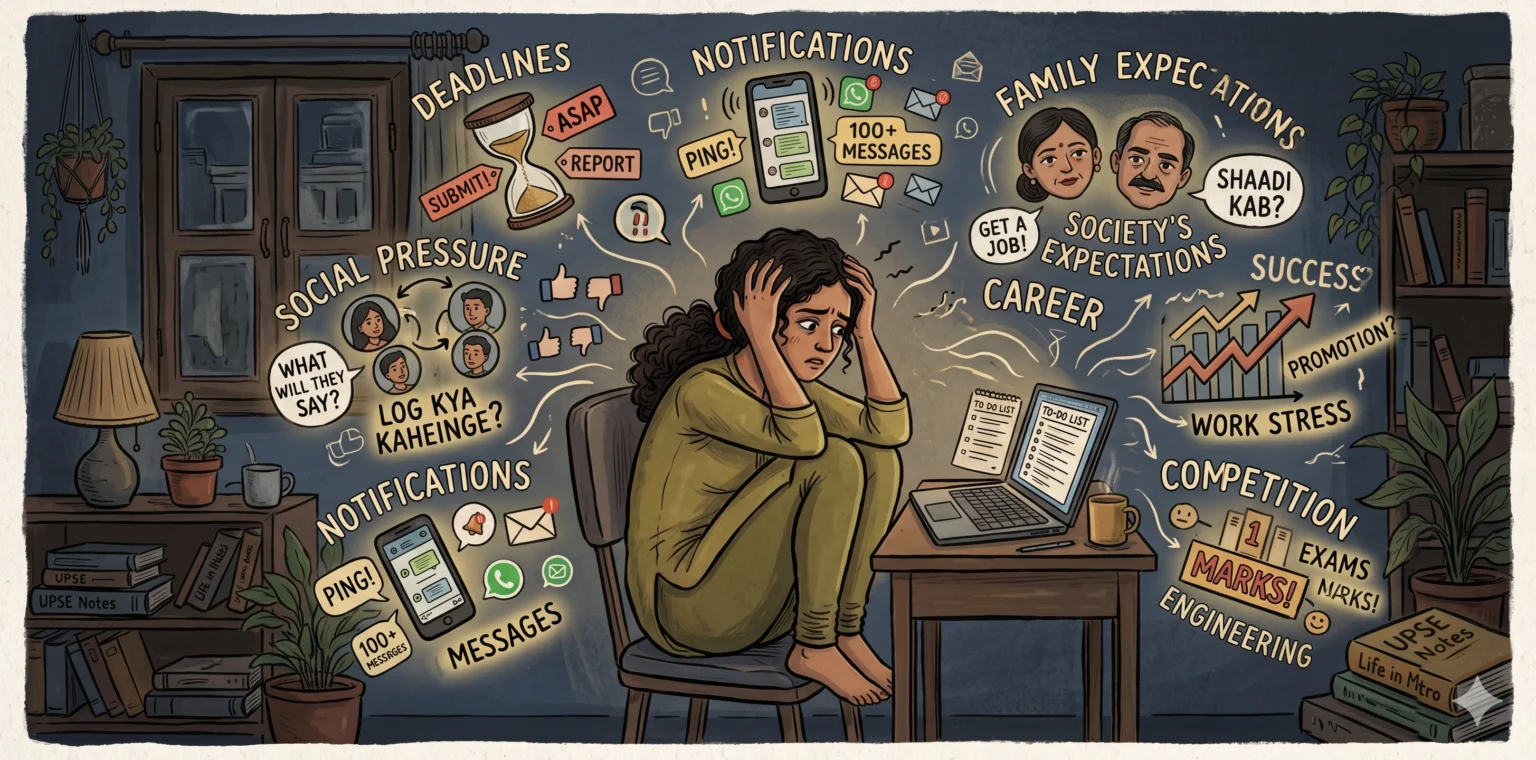
If you’re in search of natural ways to decrease anxiety, you’re in the ideal location. This is one of the most important things you can do to help manage your anxiety without resorting to instant fixes for your health and well being. Making a few simple changes to your lifestyle can calm your mind, relieve your stress and finally give you peace of the day. Let’s dive in!
What is Anxiety?
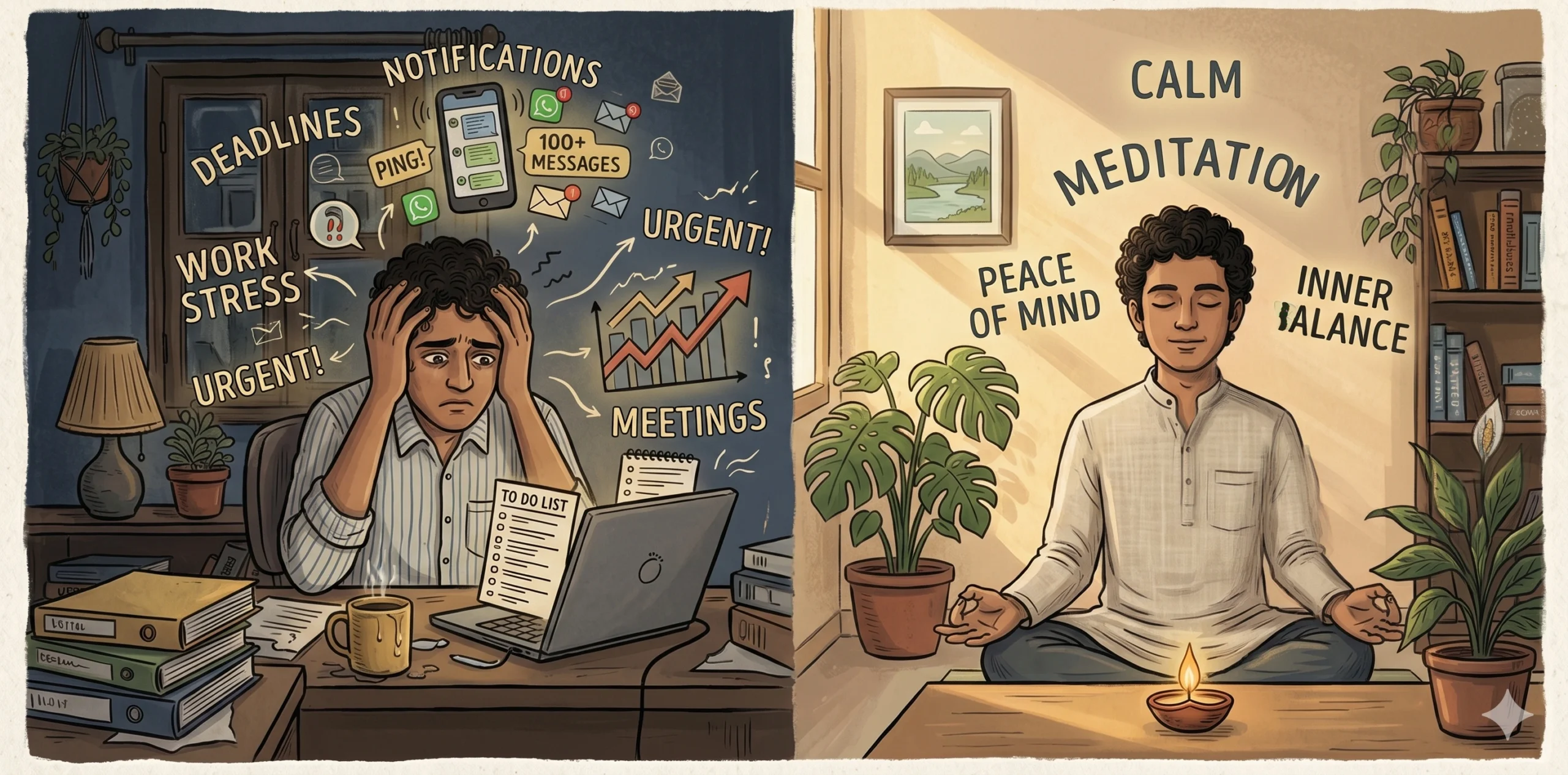
Stress causes anxiety to be the body’s natural response. This is similar to a security system you have in your house. This alarm became very handy when cavemen were around to flee from predators. Your heart starts pounding, your breath becomes rapid and your body releases a lot of adrenaline. This is referred to as the “fight or flight” reaction.
But these days we don’t have to flee wild animals. Rather, traffic congestion or too many projects on the go or too many duties to get done keep us awake at night. If this alarm system continues to be on for extended periods of time, it becomes chronic anxiety. You may be hyperactive, on edge or physically tired. The first step to learning how to manage anxiety is to realize that it’s a warning of some kind – even if it is overreacting.
Why opt for natural remedies for anxiety?
In severe situations of anxiety, it is easy to want to take the quick fix. Certain medicines given by a physician may be needed and life saving, but taking action for quick-fixes doesn’t always address the issue at hand. When selecting natural remedies for anxiety, it’s a matter of creating a base line of overall health.
Over time, natural strategies help to regulate your nervous system. Like planting a flower bed, you can’t expect a flower to sprout overnight, but if you give the flower “good soil, water and sunshine” every day it will do so naturally. Natural anxiety relief is equally effective, through healthy lifestyle habits that make for resilience towards stress over the longer term. This is supported by the findings of the National Institute of Mental Health (NIMH) that report that lifestyle and environment factors are important in anxiety risk and management.
Don’t be afraid, if you feel overwhelmed. It doesn’t take a complete turnaround of your lifestyle. Take a few of these easy, effective steps to calmness and incorporate them into your hectic day!
How to Reduce Anxiety Naturally: 11 Effective Tips
If you are feeling overwhelmed, don’t worry. You do not have to overhaul your entire life overnight. Try adding a few of these simple, effective tips for calmness into your busy routine.
1. Do deep breathing exercises.
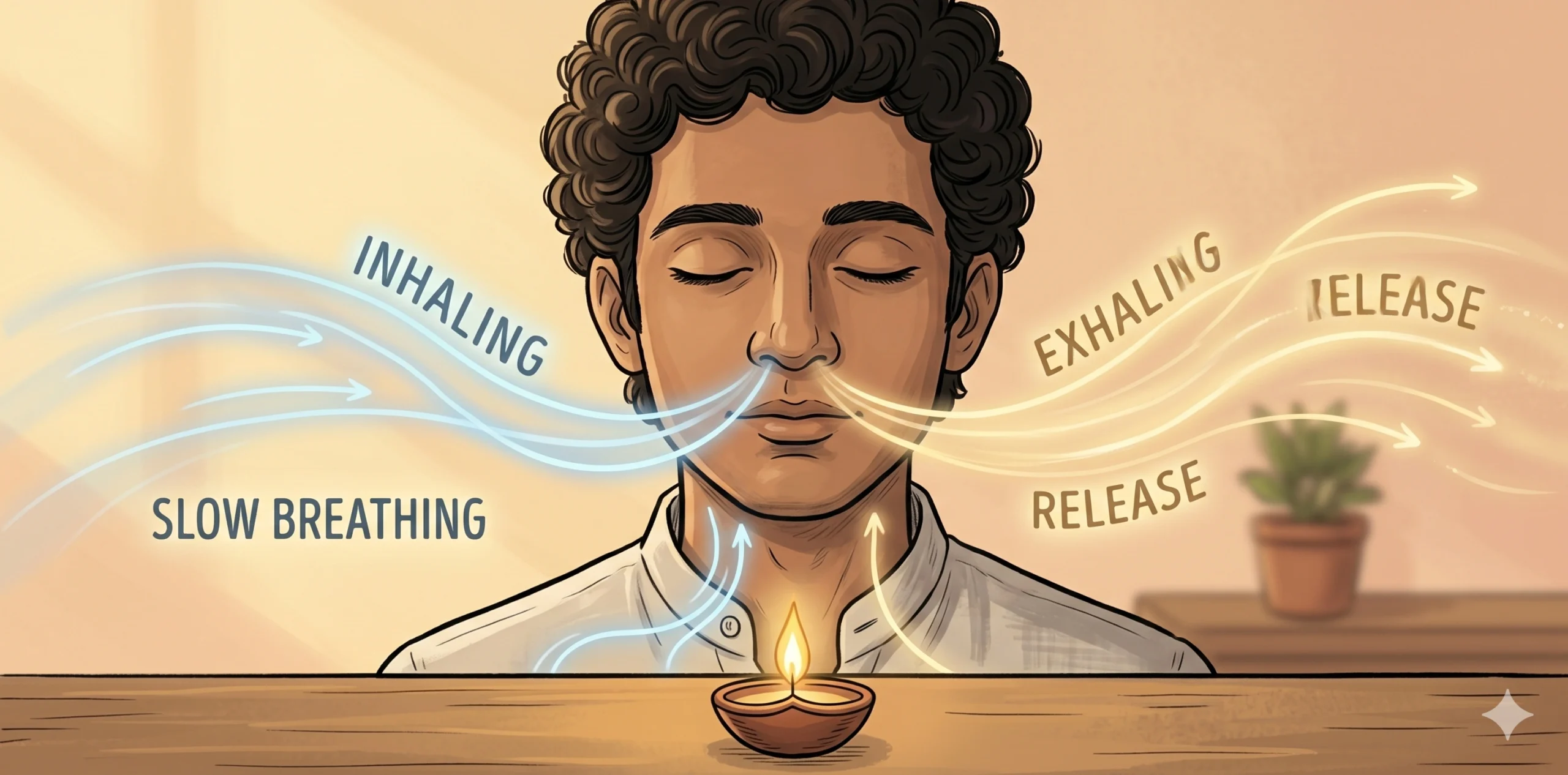
Your breathing changes when you are anxious; it is shallow and rapid. This activates your alarm system. This can be rectified through slowing down the rate of breathing. One of the best techniques to use is “Box Breathing. Breathe in for a count of 4, hold for 4, breathe out for 4, and hold out the breath for 4. It’s like a reset button on your nervous system; it quickly calms your heart and lets your brain know that you’re OK.
2.Get Your Body Moving Often! Move Your Body Frequently!
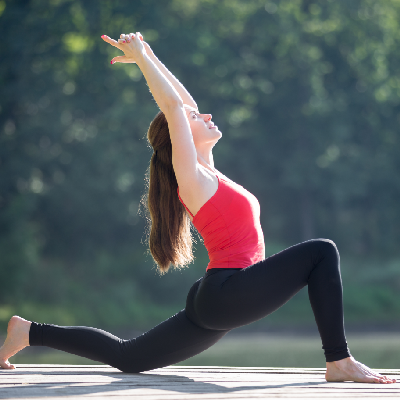
One of the best stress management tools at your disposal is exercise. It’s not about spending a ton of time at the gym to experience benefits. Exercise produces endorphins – your natural mood lifters. Foreget about exercise as a means of developing into rid of the extra nervous energy in your system. High-intensity walking for 20 minutes, a few minutes of yoga in the living room or dancing to your favourite tunes can work wonders in eliminating stress and anxiety. Combined with improved sleeping routines and habits (see our Guide to Healthy Sleep Guide,) this is a great advantage — and it’s easy to do!
3. Reduce Caffeine and Alcohol – stay away from these items.
It could be the first cup of coffee but excessive coffee intake can cause the body to experience the symptoms of anxiety, such as the racing heart and shivering palms. Caffeine is simply an added stress when you’re already feeling stressed. In the same way, a glass of wine while the drinking may be calming, alcohol can interfere with sleep and cause anxiety the next day. Slowly reduce the amount of reps, and observe how your body feels.
4. Prioritize Quality Sleep
There’s a strong link between sleep and mental well-being. Without a good night’s rest, your mind has difficulty with emotions, and small issues seem like big ones. Quality sleep is kind of a nightly “clean up” for the brain. Go to bed and get up at the same time every day and get 7-9 hours of sleep a night. Establish a routine to help make bedtime a peaceful time by turning the lights down, avoiding screens, and keeping your bedroom cool and dark.
5. Take a moment to reflect on the concept of happiness.
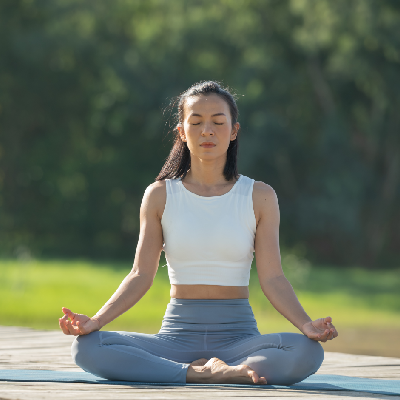
The only thing mindfulness is really, is practicing being here in the now, without judgment. Anxiety typically occurs in the future – worrying about the future. Mindfulness meditation helps to ground you in the here and now. It’s possible to do it gradually. Sit quietly 5 minutes a day, close your eyes and concentrate on how it feels to breathe. If your mind strays (which it sometimes does) bring it back. New to this? Our Beginner’s Guide to Meditation benefits teaches you some simple beginning techniques.
6. Consume a well balanced and nutritious diet.
You body and mind are in constant communication. Consuming a high intake of processed foods and refined sugar can result in energy crashes and cause anxiety. But on the other hand, a diet packed with nutrients will nourish your brain with the nutrients that it needs to keep you calm. Eat foods that are whole, such as leafy greens, nuts and seeds, lean proteins and complex carbohydrates.
7. Be in Nature
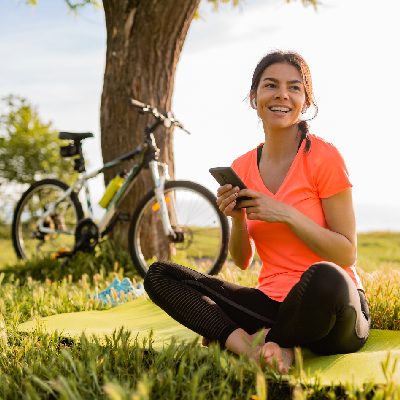
It’s hard to say how much it does for the soul to get out. The natural calming properties of nature on the human brain. The combination of fresh air, leaf whip and sunshine helps to reduce the stress hormone, cortisol. Taking a walk in a tree-lined neighborhood or sitting for 15 minutes in a park can help reduce anxiety – even in a crowded city!
8. Unplug from Screens and Social Media
We did not evolve to believe that we need to process thousands of pieces of information, news stories and pictures each day. Keeping your nerves in check can become very overwhelming when you are constantly scrolling. Set limits with devices! Set aside “screen free” hours in your day, like the first hour after waking up, and the last hour before sleeping.
Quick Tip: Make sure to mute unnecessary alerts on your cell phone. Your phone will not be constantly calling your name and you will be amazed at how much the peace is.
9. Go to Supportive Friends and Family
The most natural response to anxiety is to pull in on ourselves and go into isolation. But, human beings are social animals. Let someone close to you know how you are feeling to relieve your mental burden. When a problem is shared it is half a problem. Social connection elicits a hormone that increases feelings of safety and calm, such as a phone call to a friend or a cup of coffee with a family member.
10. Write Down Your Thoughts (Journaling)
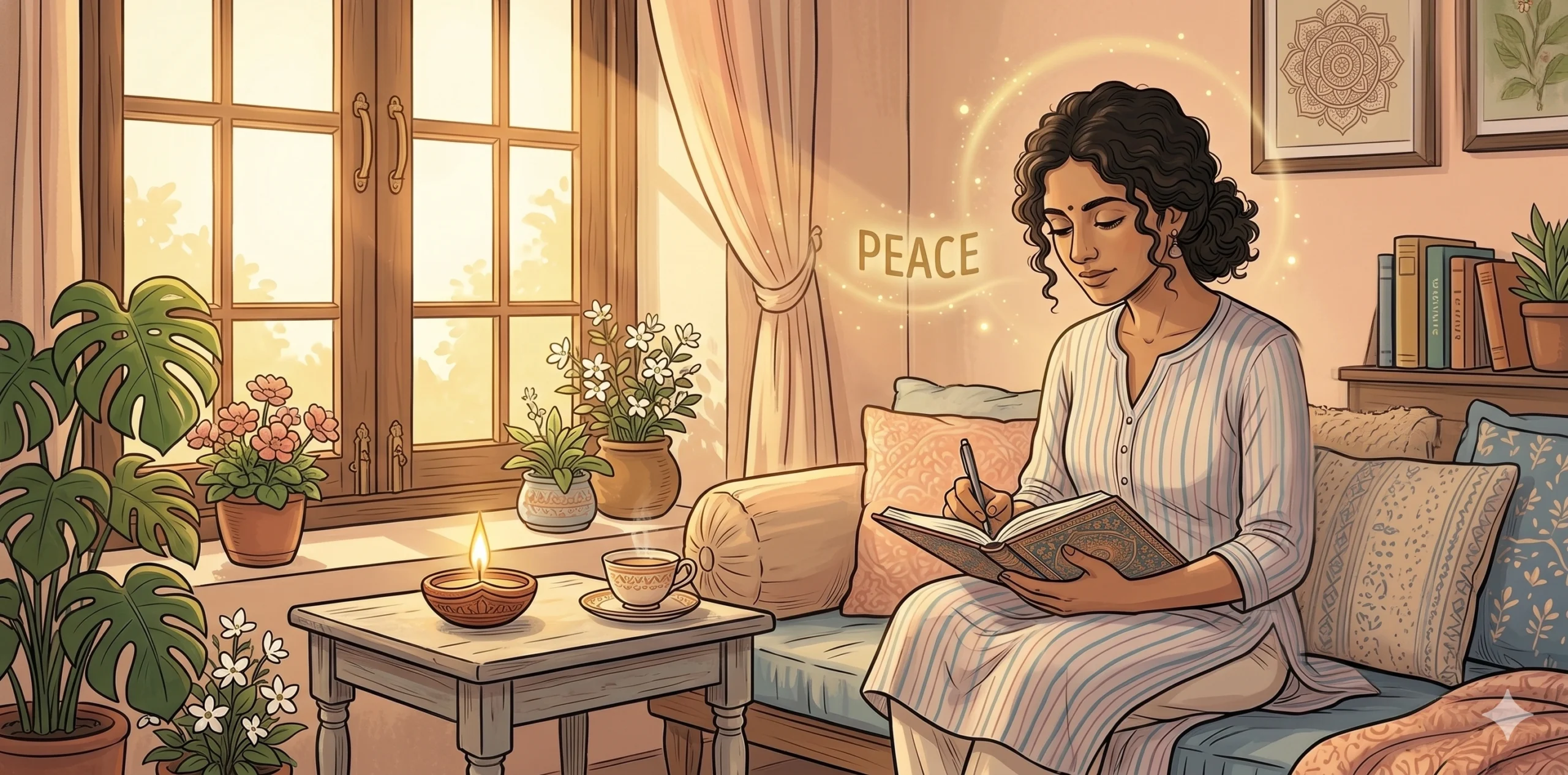
Anxiety can be like a swarm of bees swarming around your head at times. You should journal, as it helps to get rid of those bees. It helps to put your concerns into writing, as they become less threatening. No need to write a masterpiece – take a pen and pour everything out onto the paper. This can help your brain to process emotions and help you feel clearer when you’re feeling stuck.
11.Take Herbal Teas for Relaxation:
Herbal teas are a natural way to relieve anxiety – and they’ve been utilized for centuries! Lemon balm, chamomile and peppermint are great options. Making tea is a calming activity which can be its own ritual. Having a hot drink, smelling the herb and taking slow sips of the brew facilitates slowing down and being present.
When to Seek Professional Help
These lifestyle changes are great for decreasing usual anxiety, but can’t replace medical treatment if you suffer from serious anxiety.
Note: If your anxiety is impeding your normal functioning or you have physical reactions to your anxiety that are severe, such as panic attacks, or you are not leaving your house and this is making life difficult for you, it would be time to consult a healthcare professional or therapist. Don’t feel bad if you need assistance. Therapy and in some instances medicine is essential to the recovery process.
Conclusion: Small Steps to a Calmer You
Learning how to ease anxiety naturally is a journey, not a destination. It is not necessary to perform all of these 11 tips in one sitting. This is a menu, so choose one or two items that you think you can do at this time. Perhaps this night you’ll have a cup of chamomile tea and the next day you’ll take a 10 minute walk outside. You will develop a healthier, calmer lifestyle and find that you have regained your sense of calm and peace of mind through the small steps you have taken.
Frequently Asked Questions