Introduction
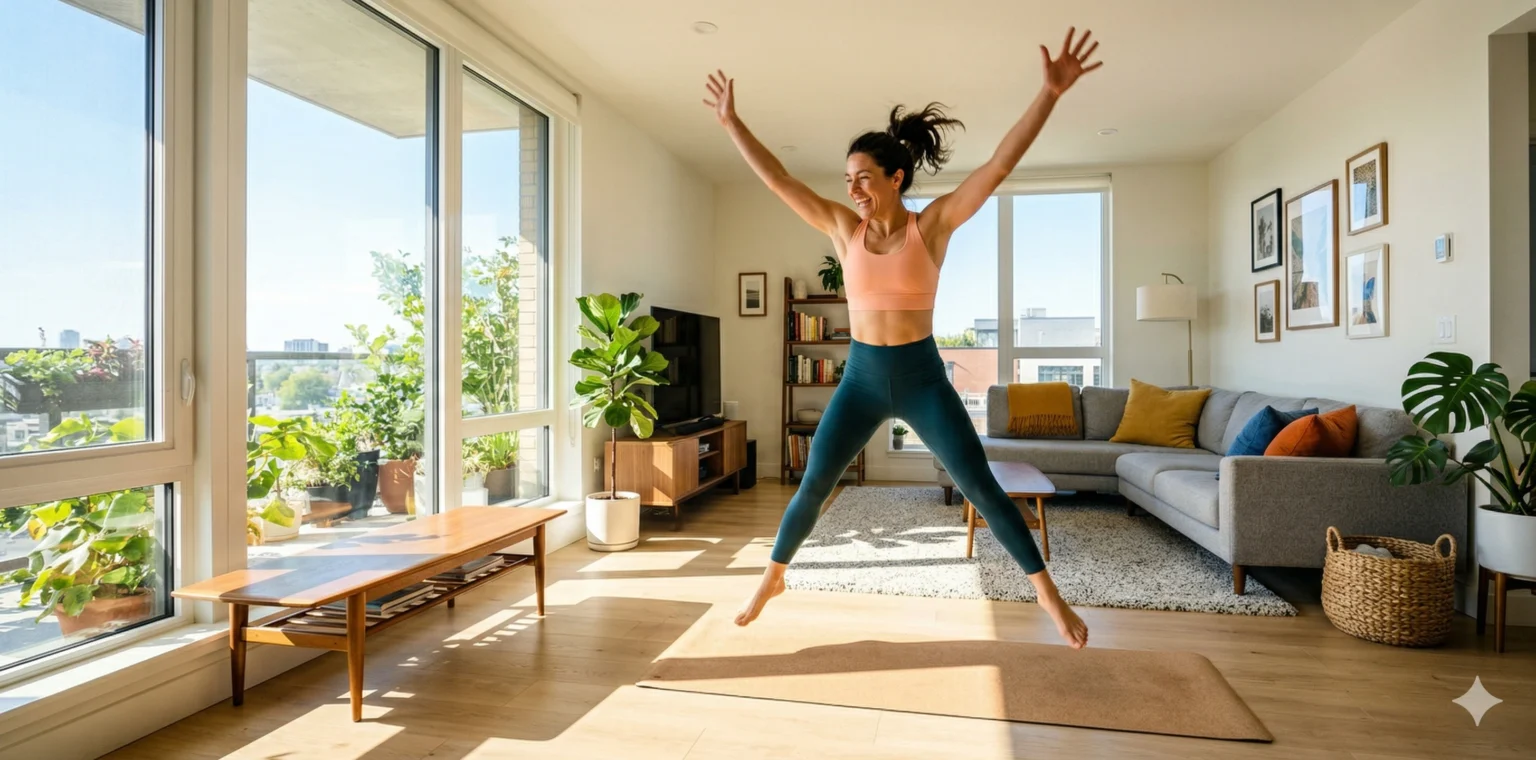
Staying active does not always mean joining a gym or buying expensive fitness equipment. With the right approach, you can stay active and build a simple fitness routine from the comfort of your home. Regular workout exercises can help you improve strength, mobility, endurance and overall fitness when you perform them consistently.
A home routine can also be easier to fit into a busy lifestyle. You can exercise in your living room, bedroom, terrace or any other safe space where you can move comfortably. The key is to choose activities that match your fitness level and make them a regular part of your day.
In this guide, we will share nine simple tips to help you follow a practical home workout routine without making fitness complicated.
1. Start With Simple Workout Exercises
If you are new to exercising at home, start with basic movements instead of trying difficult exercises immediately. Simple workout exercises such as squats, lunges, wall push-ups, glute bridges and planks can help you build a foundation.
Start with a comfortable number of repetitions and focus on controlled movements. As you become more comfortable, you can gradually increase the repetitions or duration.
2. Create a Home Workout Routine
A fixed routine can make it easier to stay consistent. Instead of exercising only when you have free time, choose specific days and times for your workouts.
For example:
- Monday: Full-body workout
- Tuesday: Walking or light cardio
- Wednesday: Strength exercises
- Thursday: Stretching or active recovery
- Friday: Full-body workout
- Saturday: Walking, dancing or another enjoyable activity
- Sunday: Rest
Your home workout routine does not have to be long. Even shorter sessions can be a useful starting point when you are building the habit.
3. Use Your Body Weight
You do not need a complete home gym to exercise effectively. Your body weight can provide resistance for many basic movements.
Try exercises such as:
- Squats
- Lunges
- Push-ups
- Glute bridges
- Planks
- Mountain climbers
- Calf raises
Bodyweight movements can be adjusted according to your fitness level. For example, beginners can start with wall push-ups before progressing to modified or standard push-ups.
4. Add Cardio to Your Routine
Strength exercises are useful, but your routine should also include activities that raise your heart rate.
You can try:
- Brisk walking
- Dancing
- Marching in place
- Jogging in place
- Jumping jacks
- Stair climbing
- Low-impact cardio
The CDC recommends that adults aim for at least 150 minutes of moderate-intensity physical activity each week, along with muscle-strengthening activities on at least two days. You can divide the activity across the week rather than trying to complete it all at once.
5. Keep Your Workouts Short and Practical
One common reason people skip exercise is the belief that they need a long workout. In reality, you can start with a short session and gradually build your routine.
Try a 15 to 20-minute session with:
- Five minutes of warm-up
- Ten minutes of workout exercises
- Five minutes of cool-down and stretching
As your fitness improves, you can gradually increase the duration or intensity.
6. Focus on Proper Form
Doing more repetitions is not always better. Good form helps you perform movements with better control and reduces the chance of unnecessary strain.
For example, during squats, keep your feet stable and control the movement instead of rushing through repetitions. During planks, focus on maintaining a comfortable body position rather than holding the position for as long as possible.
If an exercise causes sharp or unusual pain, stop and seek appropriate professional advice.
7. Add Movement Throughout the Day
Your fitness does not depend only on your planned workout. Try to include more movement in your daily routine.
You can:
- Walk while taking phone calls
- Take short movement breaks during work
- Use stairs when suitable
- Stretch after sitting for long periods
- Walk around your home during breaks
- Do a few bodyweight movements between tasks
Small changes can help you spend less time sitting and become more active throughout the day. The CDC also notes that some physical activity is better than none.
8. Stay Consistent With Your Fitness Routine
Consistency is more important than trying to achieve a perfect workout every day. If you miss one session, do not give up on your routine. Simply return to your schedule the next day.
One useful strategy is to connect exercise with an existing habit. For example, you could exercise after your morning tea, before your evening shower or after finishing work.
9. Support Your Routine With Healthy Habits
Exercise works best as part of a balanced lifestyle. Along with regular workout exercises, pay attention to your food choices, hydration, sleep and recovery.
Include a variety of nutritious foods in your daily diet and drink enough water according to your needs. Adequate rest also gives your body time to recover between workouts.
If you want to improve your fitness habits further, explore the Fitness & Wellness Tips section for more practical ideas.
Simple Home Workout Routine for Beginners
If you are looking for an easy way to begin, try this basic routine:
|
Exercise |
Beginner Target |
|
Bodyweight Squats |
10 reps |
|
Wall Push-ups |
8 to 10 reps |
|
Glute Bridges |
10 reps |
|
Marching in Place |
2 minutes |
|
Plank |
15 to 20 seconds |
|
Calf Raises |
10 reps |
Start with one or two rounds and rest when needed. Adjust the exercises according to your ability and gradually increase the challenge over time.
Building a healthy lifestyle does not require complicated plans. GoHealthyPro shares practical fitness and wellness information to help readers understand simple ways to stay active and develop healthier daily habits.
You can combine regular movement with a balanced diet, proper hydration, good sleep and realistic fitness goals. The CDC’s physical activity guidelines provide general recommendations for adults and highlight the importance of regular physical activity. The goal should be to create habits that you can maintain rather than following an overly difficult routine for a short time.
Frequently Asked Questions
Can I stay fit without going to a gym?
Yes. You can perform many bodyweight exercises and cardio activities at home without gym equipment. Walking, squats, lunges, push-ups and planks are simple examples.
How long should a home workout be?
The ideal duration depends on your fitness level, goals and schedule. Beginners can start with shorter sessions and gradually increase the duration as they become more comfortable.
What are the best workout exercises for beginners?
Squats, wall push-ups, glute bridges, calf raises, marching and modified planks are simple options for beginners. Focus on proper form and controlled movements.
How often should I follow a home workout routine?
Aim for a routine that you can maintain consistently. Include a mix of aerobic activity, strength exercises and rest or recovery days.
Can I exercise every day at home?
You can stay active every day, but your activities do not need to be intense every day. Alternate challenging workouts with lighter activities such as walking, mobility work or stretching.
Conclusion
Staying fit at home can be simple when you focus on realistic habits. Start with basic workout exercises, create a manageable home workout routine, add movement throughout your day and give your body enough time to recover.
You do not need expensive equipment or a complicated fitness plan to get started. Consistency, proper form and gradual progress can make your routine easier to maintain.
GoHealthyPro encourages readers to focus on practical fitness and wellness habits that can fit into everyday life. Start with one small change today and build your routine step by step.
Disclaimer: This blog provides general health and fitness information for educational and awareness purposes only. It is not intended to provide medical advice, diagnosis or treatment. Exercise needs can vary from person to person. If you have a health condition, injury or specific fitness concern, consult a qualified healthcare professional before starting a new exercise routine.