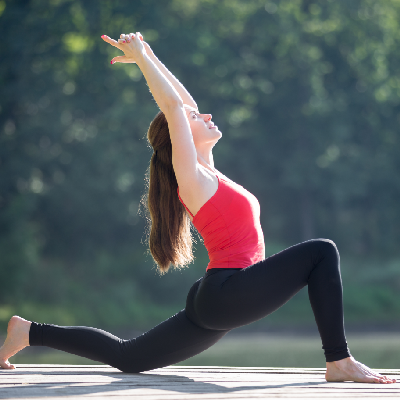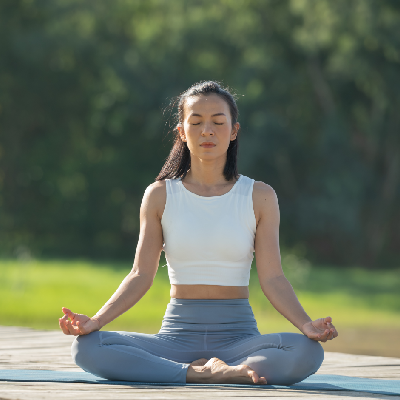


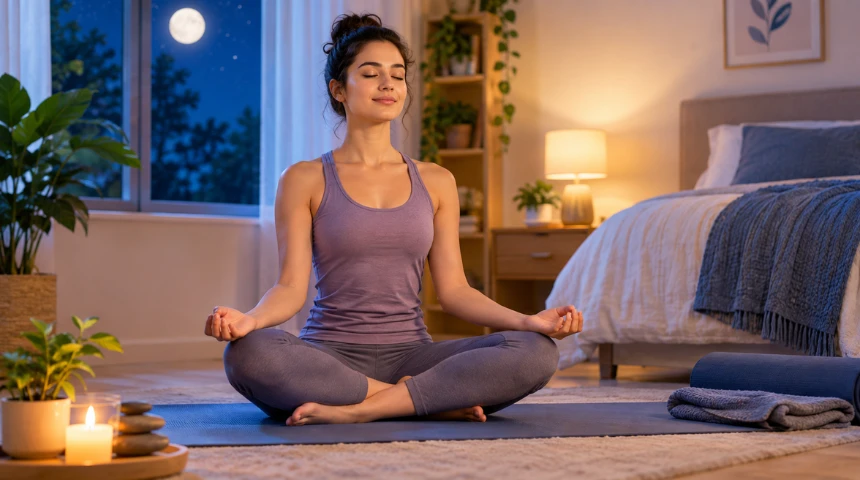
Getting enough quality sleep is an important part of everyday health and wellbeing. Yoga meditation can be a gentle way to create a calming bedtime routine by combining mindful breathing, relaxation, meditation, and suitable physical movement. When practised consistently, yoga may support relaxation and sleep quality as part of a healthy lifestyle. However, yoga and meditation should be viewed as supportive wellness practices rather than guaranteed treatments for sleep problems.
Yoga Meditation for Better Sleep and Relaxation
Yoga meditation combines the mindful elements of yoga with meditation and controlled breathing. Traditional yoga can include physical postures, breathing techniques, and meditation, making it more than a physical exercise routine. The National Center for Complementary and Integrative Health notes that yoga may support general wellness, stress management, mental and emotional wellbeing, sleep, and balance.
For people who find it difficult to slow down before bedtime, a gentle yoga meditation routine may provide a structured period of relaxation. Instead of using demanding movements late at night, you can focus on slow stretches, comfortable positions, controlled breathing, and quiet awareness.
The aim is not to force yourself to fall asleep. Instead, the practice can help create a consistent transition between daytime activity and bedtime.
How Yoga for Better Sleep Can Support Relaxation?
Yoga for better sleep can be included as part of a broader bedtime routine. Gentle movement may help you shift your attention away from daily activities and towards your breathing and body sensations. Meditation can also encourage present-moment awareness, which may help create a calmer environment before going to bed.
Research on yoga and sleep is still developing, and findings are not completely consistent. NCCIH reports that some studies suggest yoga may improve sleep quality, while evidence is more limited when yoga is considered specifically as a treatment for insomnia.
This distinction is important. A relaxing yoga session may support general sleep habits, but it should not replace professional care when someone has persistent or severe sleep difficulties.
A simple evening routine may include five to ten minutes of gentle movement followed by several minutes of quiet breathing or meditation. The routine can be adjusted according to your comfort, experience, and schedule.
Why Gentle Yoga Can Prepare the Body for Bedtime?
A demanding workout immediately before bed may not feel relaxing for everyone. A gentle yoga routine can provide a different approach by using slow movements and comfortable positions.
When practising before bedtime, focus on movements that feel easy rather than trying to improve flexibility or hold difficult positions. Slow transitions can help you pay attention to your breathing and reduce the temptation to rush through the routine.
Yoga can also become a useful signal that the active part of your day is ending. When you repeat a similar routine at a consistent time, it can become part of your normal evening habits.
However, relaxation is personal. Some people may feel more comfortable with meditation, while others may prefer gentle stretching. Experimenting with a simple routine can help you identify what fits your lifestyle.
Yoga Asanas That May Fit an Evening Routine
Several yoga asanas can be adapted for a gentle evening practice. The goal is comfort rather than intensity. You should avoid forcing a position, holding your breath, or continuing an exercise that causes pain.
Child’s Pose can provide a comfortable resting position for many people. Sit back towards your heels and gently lower your upper body while keeping your breathing slow. You can use a cushion or folded blanket for additional support if needed.
Cat Cow movements can be performed slowly to encourage gentle movement through the spine. Move between the two positions without rushing and coordinate the movement with comfortable breathing.
Legs Up the Wall is another commonly practised restorative position. Sit near a wall, carefully bring your legs upward, and rest them against the wall while keeping your body comfortable. People with specific health conditions should ask a qualified healthcare professional whether this position is appropriate for them.
Seated Forward Fold can be performed gently without trying to reach the floor. Keep the movement comfortable and avoid pulling or bouncing. The focus should remain on relaxed breathing rather than flexibility.
Corpse Pose, also known as Savasana, is commonly used at the end of a yoga session. Lie comfortably on your back and allow your body to rest. If lying flat is uncomfortable, use suitable support or choose another comfortable position.
Meditation for Beginners Before Going to Sleep
Meditation for beginners does not need to involve complicated techniques or long sessions. A simple practice can start with a comfortable seated or lying position and a few minutes of focused attention.
Begin by noticing your natural breathing. Do not try to change it immediately. Simply observe the movement of your breath and notice how your body feels.
If your thoughts move towards work, family responsibilities, plans, or other concerns, gently bring your attention back to your breathing. The goal is not to stop thoughts completely. Instead, meditation involves noticing when your attention has moved and returning it to the chosen focus.
You can also try a simple body awareness practice. Move your attention gradually from your feet towards your legs, stomach, shoulders, neck, and face. Notice areas of tension without judging them, then allow yourself to relax as comfortably as possible.
NCCIH reports that mindfulness meditation has been studied for sleep quality and insomnia. Some research suggests possible improvements in sleep quality, although the evidence is mixed and does not establish meditation as a standalone treatment for insomnia.
Breathing Practices for a Calmer Evening Routine
Breathing is an important part of many yoga practices. Yoga traditionally combines physical postures with breathing techniques and meditation.
For a simple evening routine, sit or lie comfortably and breathe naturally. Focus on making your breathing steady rather than deliberately taking very deep breaths. If counting helps you concentrate, you can gently count each comfortable inhale and exhale.
Avoid breath-holding or forceful breathing techniques if they make you uncomfortable. A bedtime practice should feel calming, not demanding.
You can combine breathing with gentle movements. For example, take a slow breath while moving into a comfortable position and exhale gradually as you return to a resting position.
If you feel dizzy, short of breath, or uncomfortable, stop the exercise and return to normal breathing.
How to Create a Simple Yoga Sleep Routine?
A consistent routine can make it easier to include yoga meditation in everyday life. You do not need a large space or an advanced yoga programme. A quiet corner, comfortable clothing, and a suitable mat may be enough.
Start by choosing a regular time before bed. Turn down distractions and give yourself a few minutes to transition away from work, study, household tasks, or entertainment.
Begin with gentle movements for a few minutes. Follow these with comfortable yoga asanas and finish with quiet breathing or meditation. Keep the entire routine short enough that you can maintain it regularly.
Your routine could include gentle Cat Cow movements, Child’s Pose, a comfortable seated position, and Savasana. You can then spend several minutes observing your breathing.
The most useful routine is one that you can follow consistently. You do not need to perform a long session every night to make relaxation part of your evening habits.

Healthy Sleep Habits to Combine With Yoga
Yoga meditation works best when combined with other healthy sleep habits. The Centers for Disease Control and Prevention recommends maintaining a consistent sleep schedule, creating a quiet and relaxing bedroom, turning off electronic devices before bedtime, avoiding caffeine later in the day, and exercising regularly.
The National Heart, Lung, and Blood Institute also recommends going to bed and waking up around the same time each day and using the hour before bedtime for quiet activities.
You can combine these habits with an evening yoga routine by creating a predictable sequence. For example, finish dinner, reduce screen use, complete gentle yoga meditation, and then prepare for bed.
Avoid treating yoga as a quick solution for poor sleep. Sleep quality can be influenced by many factors, including lifestyle, stress, environment, health conditions, and daily routines.
For more information about building a regular yoga practice, explore Benefits Of Daily Yoga Practice To Enhance Your Health and learn how consistent yoga can fit into an overall wellness routine.
Yoga Meditation and Long Term Wellness Benefits
The value of yoga meditation can extend beyond bedtime. Regular yoga practice may support flexibility, balance, physical activity, body awareness, and relaxation. NCCIH describes yoga as a practice that can include physical postures, breathing techniques, and meditation, with research suggesting potential benefits for general wellbeing and sleep.
Meditation can also become a practical way to create moments of quiet during a busy day. You do not have to limit mindfulness to bedtime. A few minutes of focused breathing during the day may help you develop greater awareness of your thoughts, breathing, and body sensations.
For readers interested in combining meditation with physical yoga practice, GoHealthyPro also covers wellness topics that can help you explore different approaches to maintaining a healthy lifestyle.
It is useful to remember that wellness practices work differently for different people. A routine that feels relaxing to one person may not feel comfortable to another. Start gradually and adjust the practice according to your needs.
Safety Tips for Practising Yoga Before Bedtime
Yoga is generally considered a safe form of physical activity when practised appropriately, but injuries can occur, particularly when people force movements or attempt advanced poses without proper instruction. NCCIH recommends appropriate guidance and precautions when learning yoga.
Choose gentle movements before bedtime and avoid pushing your body into positions that cause pain. Use support such as cushions, blocks, or a wall when appropriate.
If you are pregnant, recovering from an injury, or have a medical condition that may affect physical activity, seek appropriate professional guidance before starting a new yoga routine.
Meditation should also feel comfortable. If focusing inward increases distress or discomfort, stop the practice and consider discussing your experience with a qualified professional.
Choose gentle movements before bedtime and avoid pushing your body into positions that cause pain. Use support such as cushions, blocks, or a wall when appropriate. If you are pregnant, have an existing injury, or have a health condition that may affect physical activity, speak with your healthcare professional and yoga instructor about suitable modifications before starting a new routine.
Meditation should also feel comfortable. If focusing inward increases anxiety, intrusive thoughts, or other discomfort, stop the practice and consider discussing your experience with a qualified healthcare professional. NCCIH notes that meditation and mindfulness practices are generally considered to have few risks, although research on potential adverse effects remains limited.
When Sleep Problems Need Professional Attention
Yoga meditation can be part of a healthy bedtime routine, but ongoing sleep problems may require professional assessment. Difficulty falling asleep or staying asleep can have different causes, and relaxation techniques alone may not address the underlying problem.
According to the NCCIH, some studies suggest that yoga may improve sleep quality, but there is not enough evidence to recommend yoga specifically as a treatment for insomnia. Similarly, current evidence is insufficient to recommend mindfulness meditation by itself for chronic insomnia. Cognitive behavioural therapy for insomnia (CBT-I), however, is strongly recommended for adults with chronic insomnia by the American Academy of Sleep Medicine.
If sleep difficulties continue, regularly affect your daily activities, or make it difficult to function during the day, consider speaking with a qualified healthcare professional. Professional guidance can help identify possible causes and appropriate options for improving sleep.
Frequently Asked Questions About Yoga Meditation and Sleep
Can yoga meditation help improve sleep quality?
Yoga meditation may support relaxation and sleep quality for some people, but results can vary. Research suggests potential benefits, while evidence for treating insomnia specifically remains limited.
Is yoga suitable for beginners before bedtime?
Beginners can start with gentle movements, comfortable yoga asanas, and simple breathing or meditation. Avoid advanced poses until you understand proper technique and feel comfortable with the movement.
How long should yoga meditation last at night?
There is no single duration that works for everyone. Start with a short session that feels manageable and gradually adjust it according to your routine. Consistency can be more practical than occasional long sessions.
What are the best yoga asanas for relaxation?
Gentle poses such as Child’s Pose, Cat Cow, Savasana, and supported restorative positions may fit into a relaxing routine. Choose positions that feel comfortable and avoid forcing flexibility.
Can meditation for beginners be practised in bed?
Yes, a simple meditation practice can be performed in a comfortable seated or lying position. Focus on natural breathing and gently return your attention whenever your mind becomes distracted.
Conclusion
Yoga meditation can be a simple addition to an evening wellness routine. Gentle yoga asanas, mindful breathing, and meditation can create a calm transition from daytime activity to bedtime. Research suggests that yoga and mindfulness may support aspects of sleep and relaxation, although they should not be presented as guaranteed solutions for insomnia.
For better results from a healthy routine, combine yoga with consistent sleep habits, a comfortable sleep environment, regular physical activity, and enough time for rest. You can also explore Meditation Benefits and Yoga Poses for Wellness to learn more about combining mindful practices with everyday yoga.
Disclaimer: This article is intended for general health awareness and educational purposes only. It does not provide medical advice, diagnosis, or treatment. If you have persistent sleep difficulties, a medical condition, or concerns about starting a new exercise routine, consult a qualified healthcare professional for personalised guidance.