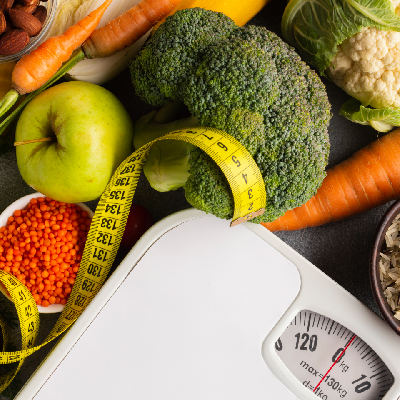



Maintaining a healthy gut is crucial for overall well-being, influencing digestion, immunity, and even mental health. Nutritionists often emphasize the importance of incorporating specific foods into the diet to promote gut health. These foods are rich in prebiotics, probiotics, fiber, and essential nutrients that nourish the gut microbiome.
1. Kimchi
Kimchi, a staple in Korean cuisine, is a fermented dish made from vegetables like cabbage and radishes, seasoned with chili pepper, garlic, ginger, and other spices. The fermentation process produces beneficial probiotics, which can enhance the balance of gut bacteria and improve digestive health. Regular consumption of kimchi has been linked to improved gut microbiota diversity and may aid in digestion and immune function.
2. Ginger
Ginger is a root known for its anti-inflammatory and antioxidant properties. It can help soothe the digestive tract, reduce nausea, and alleviate bloating. Incorporating ginger into the diet, whether in teas, smoothies, or as a spice in cooking, can support overall gut health by promoting healthy digestion and reducing discomfort..
3. Black Beans
Black beans are an excellent source of dietary fiber, which is essential for maintaining regular bowel movements and supporting the growth of beneficial gut bacteria. The fiber in black beans also aids in regulating blood sugar levels and can contribute to heart health. Including black beans in meals can provide sustained energy and support a healthy digestive system.
4. Almonds
Almonds are rich in healthy fats, fiber, and protein. They contain prebiotics that feed beneficial gut bacteria, promoting a healthy microbiome. Consuming almonds regularly can improve gut health, support weight management, and provide essential nutrients like vitamin E and magnesium.
5. Asparagus
Asparagus is a prebiotic-rich vegetable that supports the growth of beneficial gut bacteria. It contains inulin, a type of fiber that acts as food for probiotics. Incorporating asparagus into the diet can enhance gut health by promoting a balanced microbiome and improving digestion.
6. Kale
Kale is a leafy green vegetable packed with fiber, antioxidants, and essential nutrients. Its high fiber content supports digestive health by promoting regular bowel movements and feeding beneficial gut bacteria. Adding kale to meals can provide a nutrient-dense boost to the diet and support overall gut health.
7. Salmon
Salmon is rich in omega-3 fatty acids, which have anti-inflammatory properties that can benefit gut health. These healthy fats support the integrity of the gut lining and may reduce the risk of inflammatory gut conditions. Including salmon in the diet can provide essential nutrients and support a healthy digestive system.
8. Onions
Onions contain prebiotics like inulin and fructooligosaccharides that nourish beneficial gut bacteria. They also have anti-inflammatory properties and can support immune function. Incorporating onions into meals can enhance flavor and provide gut health benefits.
9. Pears
Pears are a good source of dietary fiber, particularly pectin, which acts as a prebiotic to support gut health. The fiber in pears aids in digestion, promotes regular bowel movements, and feeds beneficial gut bacteria. Including pears in the diet can contribute to overall digestive health.
10. Watermelon
Watermelon is hydrating and contains fiber that supports digestion. Its high water content aids in maintaining regular bowel movements and preventing constipation. Incorporating watermelon into the diet can provide hydration and support digestive health.
Conclusion
Maintaining a healthy gut isn’t just about digestion—it’s about transforming your entire well-being from the inside out. Your gut is the quiet powerhouse behind your immunity, your mood, your energy, and even your ability to fight off everyday stress. When you nourish it with foods rich in probiotics, prebiotics, antioxidants, and natural fiber, you’re doing more than supporting your stomach—you’re giving your entire body the foundation it needs to thrive.
(FAQs)
1. What are the best foods for improving gut health?
Foods rich in probiotics, prebiotics, and fiber—such as kimchi, black beans, almonds, kale, asparagus, and pears—are excellent for supporting a healthy gut microbiome.
2. How do probiotics help with digestion?
Probiotics introduce beneficial bacteria into the gut, helping balance the microbiome, enhance digestion, reduce bloating, and improve nutrient absorption.
3. Are fermented foods like kimchi good for gut health?
Yes. Fermented foods contain natural probiotics that strengthen beneficial gut bacteria, improve digestion, and boost immunity.
4. How does fiber support gut health?
Fiber feeds healthy bacteria, helps maintain regular bowel movements, and reduces constipation. It also supports better digestion and overall gut function.
5. Can ginger really help with digestion?
Absolutely. Ginger has natural anti-inflammatory and antioxidant properties that soothe the gut, reduce bloating, and ease nausea.
6. Why are prebiotics important for gut health?
Prebiotics act as “food” for probiotics. Prebiotic-rich foods like onions, asparagus, and almonds help good bacteria grow, improving digestion and immunity.
7. How does salmon support gut health?
Salmon contains omega-3 fatty acids that reduce inflammation and help maintain a healthy gut lining, lowering the risk of digestive issues.
8. Can eating fruits like pears and watermelon improve digestion?
Yes. Pears provide prebiotic-rich pectin fiber, while watermelon offers hydration and mild fiber—both supporting smooth digestion and regular bowel movements.
9. How often should I eat gut-friendly foods?
For best results, include a mix of fiber-rich, probiotic, and prebiotic foods daily to maintain a balanced and diverse gut microbiome.
10. Can improving gut health boost immunity?
Definitely. A large portion of the immune system resides in the gut. A healthy, balanced gut microbiome helps strengthen immunity and reduce inflammation.
Suggested Read: 7-days-diet-plan-for-weight-loss