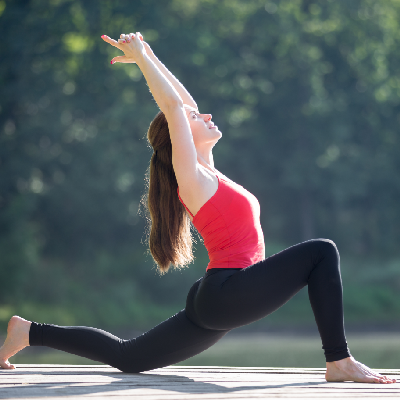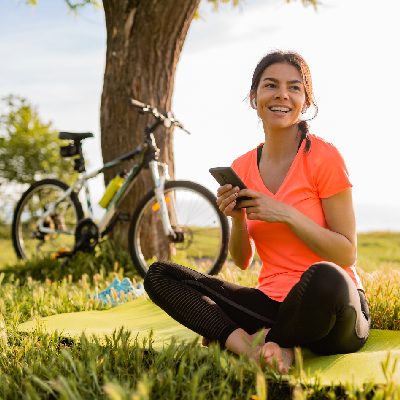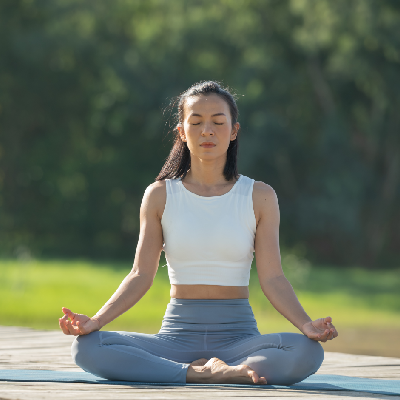


The rainy season can make it tempting to stay indoors and reduce daily movement, but maintaining active lifestyle tips can help you keep a healthy routine even when the weather changes. Simple activities such as indoor exercises, stretching, household movement, and suitable outdoor activities can help you stay active during monsoon weather. A balanced routine that includes movement, nutritious food, hydration, good sleep, personal hygiene, and mental wellbeing can support overall wellness.
Rainy days do not have to completely interrupt your usual routine. With a little planning and flexibility, you can continue moving safely while adapting your activities to wet and humid conditions.
Why Staying Active During the Rainy Season Matters?
Regular physical activity supports both physical and mental wellbeing. The World Health Organization recommends that adults aim for at least 150 minutes of moderate-intensity aerobic activity each week, along with muscle-strengthening activities on two or more days.
You do not need to complete all your activity in one session. You can divide movement across different days and choose activities that suit your schedule and ability.
Staying active during the monsoon can also help you maintain a sense of routine. When rain prevents outdoor walks or sports, having indoor alternatives can stop your daily movement from disappearing completely.
Some simple benefits of regular movement include:
- Supporting cardiovascular health
- Helping maintain muscle strength
- Supporting mobility and flexibility
- Encouraging better sleep
- Supporting mental wellbeing
- Reducing prolonged sitting
- Helping maintain an active daily routine
According to the CDC, physical activity can also support better sleep and reduce feelings of anxiety.
Active Lifestyle Tips for a Healthy Rainy Season
Following practical active lifestyle tips can make it easier to remain physically active when outdoor conditions are less comfortable.
Instead of waiting for perfect weather, create a flexible routine with indoor and outdoor options. For example, you might plan an outdoor walk when the weather is suitable and switch to an indoor workout when heavy rain arrives.
Your routine does not need to be complicated. Consistency matters more than choosing difficult exercises.
Set Realistic Daily Movement Goals
Start with a routine that matches your current activity level. If you have been inactive for some time, begin gradually rather than trying to complete a demanding workout immediately.
You can include movement in everyday activities by:
- Taking short walking breaks
- Using stairs when practical
- Stretching between periods of sitting
- Doing household chores
- Walking around during phone calls
- Taking short indoor movement breaks
The WHO notes that all physical activity counts, including movement associated with daily tasks and transport.
Try Simple Indoor Exercises
Indoor exercise is one of the easiest ways to stay active when heavy rain makes outdoor movement inconvenient.
You do not always need gym equipment. A clear area at home can provide enough space for several basic activities.
Depending on your ability and fitness level, consider:
- Marching in place
- Gentle stretching
- Bodyweight squats
- Wall push-ups
- Step-ups using a suitable step
- Dancing
- Yoga
- Light mobility exercises
- Indoor walking
Start with a short warm-up and keep the intensity comfortable. If an activity causes pain, dizziness, breathing difficulty, or unusual discomfort, stop and seek appropriate professional advice.
Make Home Workouts More Enjoyable
A workout can feel easier to maintain when you enjoy the activity.
Try listening to music, following a beginner-friendly movement session, or exercising with a family member. You can also divide your activity into shorter sessions during the day if that works better for your routine.
The goal is to make movement a normal part of your day rather than something you only do when you have plenty of free time.
💧
Waterborne Diseases
Cholera, typhoid, and diarrhoea spike as contaminated water enters the supply chain.
🤧
Seasonal Flu & Cold
Rapid temperature shifts weaken immunity and trigger viral infections.
🦟
Mosquito-Borne Infections
Stagnant rainwater breeds mosquitoes — leading to dengue, malaria & chikungunya.
Skin & Fungal Infections
Persistent dampness creates perfect conditions for fungal growth on skin.
Food Poisoning
Street food and pre-cooked snacks carry bacteria that multiply rapidly in humid air.
Follow Active Living Tips for Indoor Days
Active living tips are not limited to formal workouts. Everyday movement can also contribute to an active routine.
If you spend several hours working or studying indoors, avoid remaining in one position for long periods. Stand up regularly, walk around the room, stretch gently, or complete a small household task.
You can also create movement reminders on your phone or computer. A short break every so often can help interrupt long periods of sitting.
For people working from home, simple habits such as walking while speaking on the phone or taking a few minutes to stretch between tasks can make the day more active.
Choose Outdoor Activities Carefully
Outdoor activities can still be part of your rainy-season routine when the weather and surroundings are suitable.
However, wet surfaces can become slippery, while heavy rain, strong winds, flooding, lightning, or poor visibility can create safety concerns.
Before heading outdoors, consider:
- Checking the weather conditions
- Avoiding flooded roads and waterlogged areas
- Choosing surfaces that provide good grip
- Wearing suitable footwear
- Carrying appropriate rain protection
- Avoiding outdoor exercise during thunderstorms
- Returning indoors if conditions become unsafe
Do not feel pressured to continue an outdoor workout simply because it is part of your usual routine. Safety should come first.
Daily Habits

Stay Active, Even Indoors
Rain doesn’t mean rest. Surya Namaskar, yoga, skipping rope, and home workouts keep your blood flowing, immunity strong, and mood lifted — even when you can’t step outside.Just 20–30 minutes of indoor movement a day makes an enormous difference to how your body handles monsoon infections.
Eliminate Stagnant Water
 A single puddle in a flower pot or a blocked drain can become a mosquito breeding ground within 48 hours. Check your surroundings daily — coolers, tyres, buckets, and terrace drains are common culprits. Use mosquito nets at night and apply repellent before stepping out in the evening
Tulsi-Ginger Tea
Boil 5–6 tulsi leaves with ginger. Drink twice daily for anti-viral protection.
Haldi Doodh
Warm turmeric milk at bedtime fights inflammation and builds immunity overnight.
Ajwain Water
Soak a teaspoon of ajwain overnight. Drink in the morning to ease bloating.
Honey & Pepper
A teaspoon of honey with black pepper at the first sign of a cough or cold.
Neem Bath
Boil neem leaves in bath water or use neem soap to prevent skin infections.
Garlic in Meals
A natural antibiotic — add generously to dal, sabzi, and soups every day.
Your Daily Monsoon Health Checklist
- Drink 8–10 glasses of boiled or filtered water
- Have a cup of herbal tea (tulsi / ginger / turmeric) in the morning
- Eat warm, home-cooked meals — avoid outside food
- Dry your feet and change socks if they get wet
- Apply mosquito repellent before going out in the evening
- Ensure no stagnant water around the house
- Do 20–30 minutes of indoor exercise or yoga
- Sleep with a mosquito net
- Have haldi doodh before bed if you feel a cold coming
Stay Hydrated During the Monsoon
People sometimes drink less water during rainy or cooler weather because they may not feel as thirsty. However, hydration remains an important part of everyday wellness.
Keep water available throughout the day and drink regularly. Your hydration needs can vary depending on activity, weather, diet, age, and individual circumstances. People who are physically active may need additional fluids to replace those lost through sweating.
Along with plain water, foods with high water content can contribute to fluid intake. Fresh fruits and vegetables can also add nutritional value to your meals.
Try to limit relying heavily on sugary drinks simply because they are convenient. Water is a simple choice for regular hydration, while lower-sugar drinks can also contribute to daily fluid intake.
If you exercise or spend time outdoors in humid conditions, pay attention to how your body feels and maintain appropriate fluid intake.
Eat a Balanced Diet During the Rainy Season
An active lifestyle works best alongside a balanced eating pattern. Your body needs a variety of nutrients to support everyday activities and general wellbeing. WHO’s healthy diet guidance recommends a diverse diet based on foods such as vegetables, fruits, whole grains, pulses, nuts, seeds, and suitable sources of protein.
Build meals around a variety of foods, such as:
- Vegetables
- Seasonal fruits
- Whole grains
- Pulses and beans
- Nuts and seeds
- Dairy or suitable alternatives
- Eggs, fish, or other protein sources according to dietary preferences
Rather than focusing on one so-called superfood, aim for variety and balance across your meals. WHO highlights adequacy, balance, moderation, and diversity as key principles of a healthy diet.
Food hygiene also deserves attention during the rainy season. Store food properly, wash fresh produce appropriately, and maintain clean cooking surfaces and utensils. A healthy diet should also be safe and free from harmful contamination.
Maintain Personal Hygiene
Rainy weather can create damp conditions, so personal hygiene becomes an important part of a healthy daily routine.
Simple habits can include:
- Washing hands regularly
- Keeping feet clean and dry
- Changing damp clothes promptly
- Keeping footwear dry
- Maintaining clean exercise equipment
- Keeping indoor spaces clean and well ventilated
- Following safe food-handling practices
If you exercise outdoors and get wet, change into dry clothes when you return home. Keeping your belongings and workout area clean can also make it easier to maintain a comfortable routine.
Get Enough Sleep and Rest
Exercise is only one part of a healthy lifestyle. Rest and sleep also matter.
A consistent sleep schedule can support your ability to stay active and manage everyday responsibilities. Try to maintain regular sleeping and waking times, even when rainy weather changes your usual routine.
Helpful habits include:
- Keeping your bedroom comfortable
- Reducing unnecessary screen use before bedtime
- Avoiding very heavy meals close to bedtime
- Following a relaxing evening routine
- Keeping regular sleep and wake times
Physical activity itself may also support sleep quality. The CDC identifies improved sleep as one of the benefits associated with physical activity.
Support Your Mental Wellbeing
Rainy weather can sometimes change your daily routine. Reduced outdoor time, less sunlight, cancelled plans, or spending more time indoors may affect how you feel.
Maintaining regular movement can provide structure to the day. You can also include enjoyable activities such as reading, listening to music, spending time with family, practising relaxation techniques, or connecting with friends.
Physical activity can support mental wellbeing as well as physical health. WHO guidance highlights benefits for both body and mind.
If you experience ongoing or significant changes in your mood or wellbeing, consider speaking with a qualified healthcare professional.
Create a Flexible Monsoon Activity Routine
A flexible routine is easier to maintain when the weather is unpredictable.
Instead of planning only outdoor activities, prepare two versions of your daily plan.
Outdoor Plan
When conditions are suitable, you could:
- Go for a walk
- Cycle in a safe location
- Play an outdoor sport
- Visit a suitable park
- Complete other preferred outdoor activities
Indoor Plan
When rain becomes heavy, switch to:
- Indoor walking
- Yoga
- Stretching
- Dancing
- Bodyweight exercises
- Mobility exercises
- Household activities
Having a backup plan means one rainy day does not have to stop your entire weekly routine.
For broader seasonal wellness ideas, readers can also explore the Seasonal Health Guide with Active Lifestyle Tips for Summer Monsoon and Winter on GoHealthyPro.
Make Movement Part of Your Everyday Routine
You do not need to think of physical activity only as a workout. Everyday movement can add up.
For example, you can:
- Walk short distances when practical
- Take movement breaks during work
- Do household chores
- Stretch while watching television
- Walk around during phone conversations
- Spend some time standing instead of sitting
- Choose active hobbies
The CDC recommends that adults aim for at least 150 minutes of moderate physical activity each week and include muscle-strengthening activities on at least two days.
However, people have different abilities and health circumstances. If you have a health condition, injury, or specific exercise concern, seek appropriate professional guidance before changing your activity routine.
Simple Weekly Active Lifestyle Plan
A simple plan can help you remain consistent without making exercise feel overwhelming.
Monday: 20 to 30 minutes of indoor walking and stretching
Tuesday: Gentle strength exercises and regular movement breaks
Wednesday: Outdoor walk if weather and conditions are suitable
Thursday: Yoga or mobility exercises at home
Friday: Dancing or another enjoyable indoor activity
Saturday: Outdoor activity if conditions are safe
Sunday: Gentle stretching, household movement, and rest
This is only a general example. You can adjust the activities, duration, intensity, and rest days according to your preferences and circumstances.
Common Mistakes to Avoid During the Rainy Season
A few common habits can make it harder to maintain an active routine.
Waiting for Perfect Weather
If you only exercise outdoors, regular rain can easily interrupt your routine. Keep indoor alternatives ready.
Doing Too Much After a Break
If you have been inactive for several days or weeks, avoid suddenly starting a demanding workout. Build your activity gradually.
Ignoring Safety
Wet floors, slippery paths, flooding, and thunderstorms can make outdoor exercise unsafe. Choose indoor movement when conditions are unsuitable.
Forgetting Hydration
Cooler weather does not mean your body no longer needs fluids. Keep water accessible throughout the day.
Sitting for Long Periods
Working, studying, watching television, or using devices for several hours can reduce daily movement. Take regular breaks.
FAQs About Active Lifestyle Tips During the Rainy
Q. Can I eat street food during the rainy season?
It’s best avoided. Street food is exposed to contaminated rainwater, dust, and insects the risk of food poisoning is significantly higher during monsoon months.
Q. Which fruits are safest during monsoon?
Apples, papayas, pears, and bananas are ideal. They’re naturally wrapped, immunity-boosting, and easy on the stomach. Avoid pre-cut fruits sold from stalls.
Q. How do I prevent dengue and malaria at home?
Eliminate stagnant water, use mosquito repellents and nets, wear full-sleeved clothing in the evenings, and keep windows and doors screened.
Q. What's the best natural immunity booster for monsoon?
Tulsi tea, turmeric milk, and seasonal fruits are your best allies. Consistency is key — make them part of your daily routine, not just a reaction when you fall sick.
Q. How do I protect children during monsoon
Serve warm homemade soups, keep them dry after playing in the rain, use mosquito nets at bedtime, and avoid sending perishable packed lunches to school
Q.How do I prevent fungal infections on my feet?
Keep feet clean and dry, wear breathable footwear, change wet socks immediately, and apply antifungal powder to your feet and shoes regularly.
Conclusion
The rainy season does not have to put your healthy routine on hold. With practical active lifestyle tips, you can continue moving through indoor workouts, suitable outdoor activities, daily movement breaks, and enjoyable hobbies.
Along with physical activity, focus on balanced meals, regular hydration, personal hygiene, sufficient sleep, and mental wellbeing. Most importantly, choose activities that are safe and realistic for your routine rather than trying to follow a demanding plan.
Small and consistent habits can make an active lifestyle easier to maintain throughout the monsoon. GoHealthyPro provides general health and wellness information to help readers explore practical lifestyle habits and make informed everyday choices.
Disclaimer
This article is for general health and wellness information only. It does not provide medical diagnosis, treatment, or personalised exercise or nutrition advice. People with health conditions, injuries, or specific concerns should consult a qualified healthcare professional before making significant changes to their physical activity, diet, or lifestyle.