

Winter tips for old age person routines matter because cold weather can affect comfort, mobility, skin, appetite, and daily energy more strongly as we grow older. Older adults often feel the cold sooner, may move less when temperatures drop, and can find slippery paths or dry indoor air harder to manage. The good news is that a few simple habits around warmth, food, fluids, movement, and safety can make the season feel far more comfortable. This guide explains general ideas in easy language for seniors and the families who care for them. At GoHealthyPro, we share educational information only, so please treat this article as general guidance and not as personal medical advice.
Why Winter Care for Seniors Needs Extra Attention Now
As the body ages, it can become less efficient at holding heat, and the sense of cold may not always feel as sharp as it should. Circulation can slow, skin often becomes thinner and drier, and some people have less muscle to help generate warmth. Shorter days can also reduce outdoor time, sunlight, and social contact, which may affect mood and activity. Because of these changes, elderly winter health deserves a little extra planning rather than a last-minute reaction when a cold spell arrives. Preparing early, such as checking heating, stocking warm clothes, and arranging safe routines, helps older adults stay independent and relaxed. Our seasonal health guide also shares lifestyle ideas for every season.
How to Keep Warm Indoors and Outdoors in Cold Weather
Staying warm is the foundation of winter wellness for older adults. Indoors, many experts suggest keeping living areas at a comfortably warm and steady temperature rather than letting rooms swing between hot and cold. Closing curtains at dusk, using draught excluders, and sitting away from cold windows can reduce heat loss. Outdoors, plan short trips during the warmest part of the day and avoid long waits in the wind. Always keep heaters, hot water bottles, and electric blankets at a safe distance and follow the manufacturer instructions to lower the risk of burns or fire. If a room feels persistently cold or someone seems unusually sleepy or confused in the cold, it is wise to seek help promptly. The National Institute on Aging explains cold-weather risks such as hypothermia in its guide to cold weather safety for older adults.
Best Winter Clothing and Layering Ideas for Older Adults
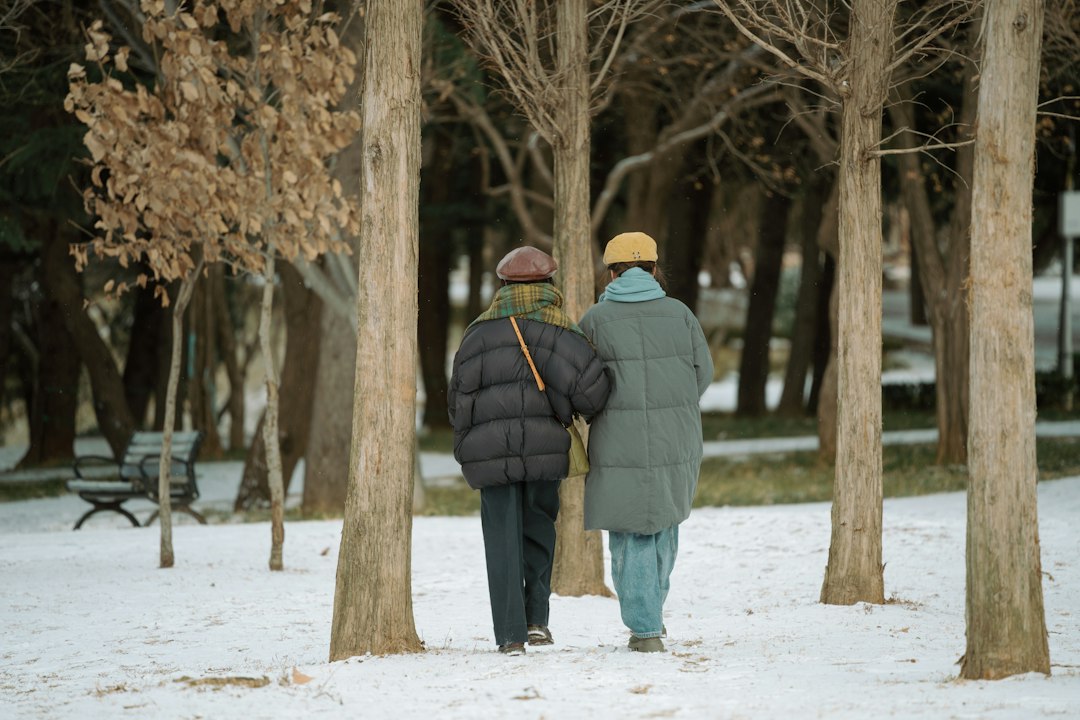
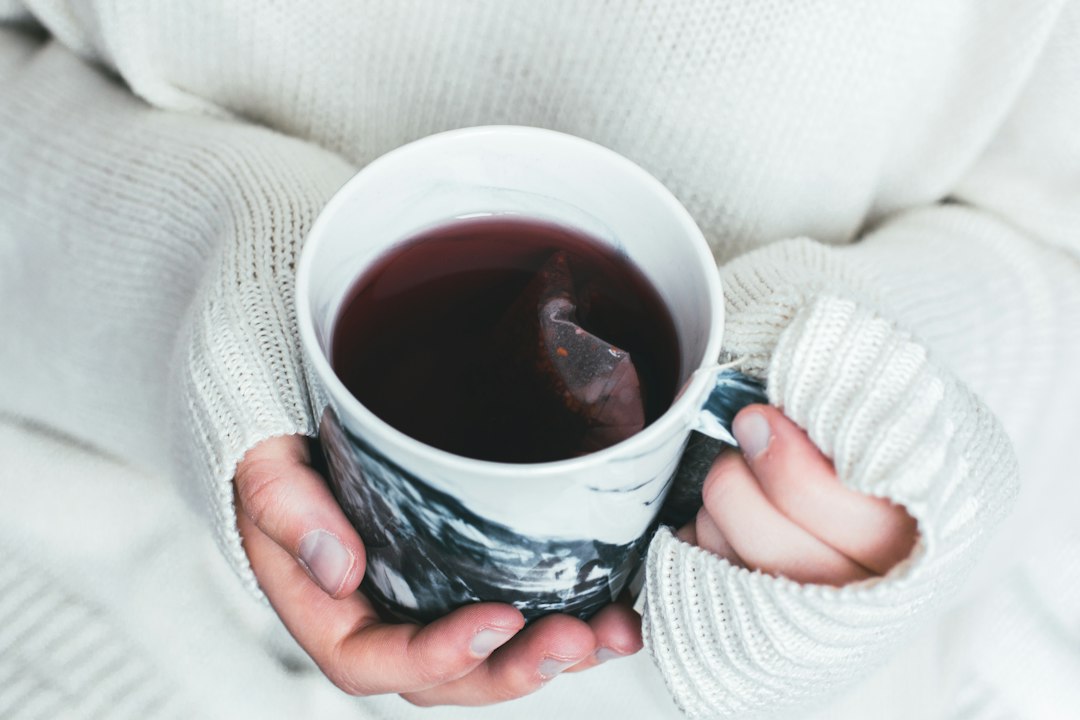
Layering is one of the easiest winter care tips for seniors, because several thin layers trap warm air better than one heavy garment and can be removed if the room becomes warm. A soft cotton or wool base layer, a middle layer such as a sweater, and a windproof outer coat work well for many people. Do not forget the extremities, since hands, feet, neck, and head lose warmth quickly. Warm gloves, a scarf, a hat, and thick socks are useful when going outside. Choose footwear with a firm, non-slip sole and enough room for warm socks, because tight shoes can limit circulation. Clothing should be easy to put on and take off, with simple fastenings if hands are stiff.
Healthy Winter Foods and Nutrition for Senior Citizens
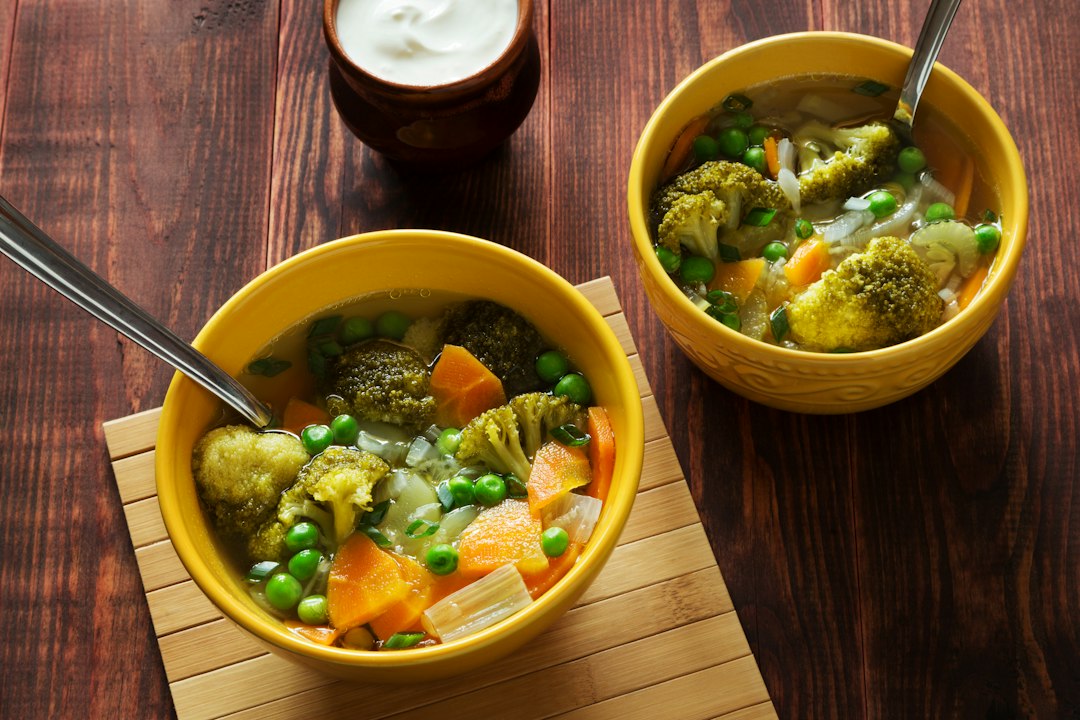
Good nutrition helps the body generate warmth, maintain energy, and support everyday immunity. Warm meals such as vegetable soups, lentil stews, porridge, and baked dishes are easy to digest and comforting on cold days. Include protein from eggs, fish, dairy, beans, or tofu to help maintain muscle, and choose whole grains for steady energy. Seasonal fruit and vegetables add vitamins and fibre, and many people enjoy citrus fruits, apples, carrots, and leafy greens in winter. If you want more ideas, our guide on Fruits for Skin shows colourful choices that also suit the colder months. Individual needs vary with health conditions, so a registered dietitian or doctor can advise on a suitable eating plan.
Hydrating Foods and Fluids to Enjoy During Cold Winters
Many older adults drink less in winter because they feel less thirsty, yet the body still needs fluids to support circulation, digestion, and skin comfort. You can also read how staying hydrated in winters improves skin health. Warm herbal teas, clear soups, broths, and milk-based drinks can make drinking more appealing than cold water. Water-rich fruits and vegetables also contribute, and you can learn more in our article on Hydrating Foods, which includes easy options like oranges, cucumber, and tomatoes. A simple habit is to keep a cup or bottle nearby and sip regularly through the day instead of waiting for thirst. Some people have medical conditions that require limited fluids, so anyone on a restricted intake should follow their doctor’s guidance.
Winter Skin Care Tips for Dry and Sensitive Older Skin
Cold air outdoors and dry heating indoors can strip moisture from skin, which is already thinner and more delicate with age. Many seniors notice flaking, tightness, or itching on the shins, hands, and arms during winter. Gentle habits can help, such as using lukewarm rather than very hot water, choosing mild fragrance-free cleansers, and applying a moisturiser soon after bathing while the skin is still slightly damp. Eating a varied diet also supports skin from within, and a balanced Clear Skin Diet rich in vegetables, healthy fats, and fruit offers general nutritional support. Persistent rashes, cracks, or open sores should be checked by a healthcare professional.
Gentle Exercise and Safe Movement During Cold Months
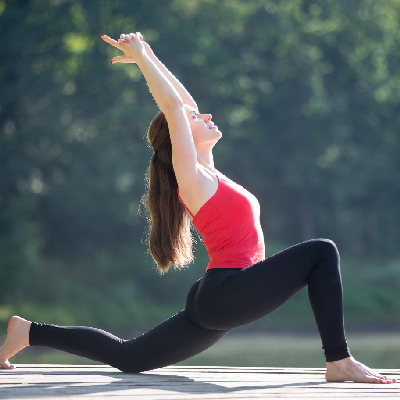
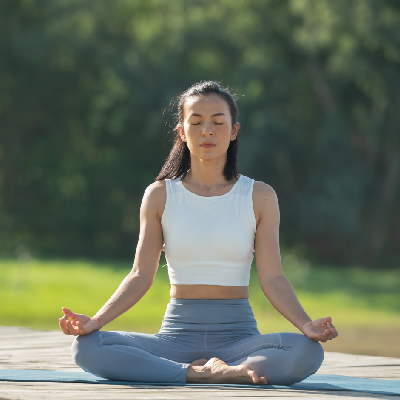
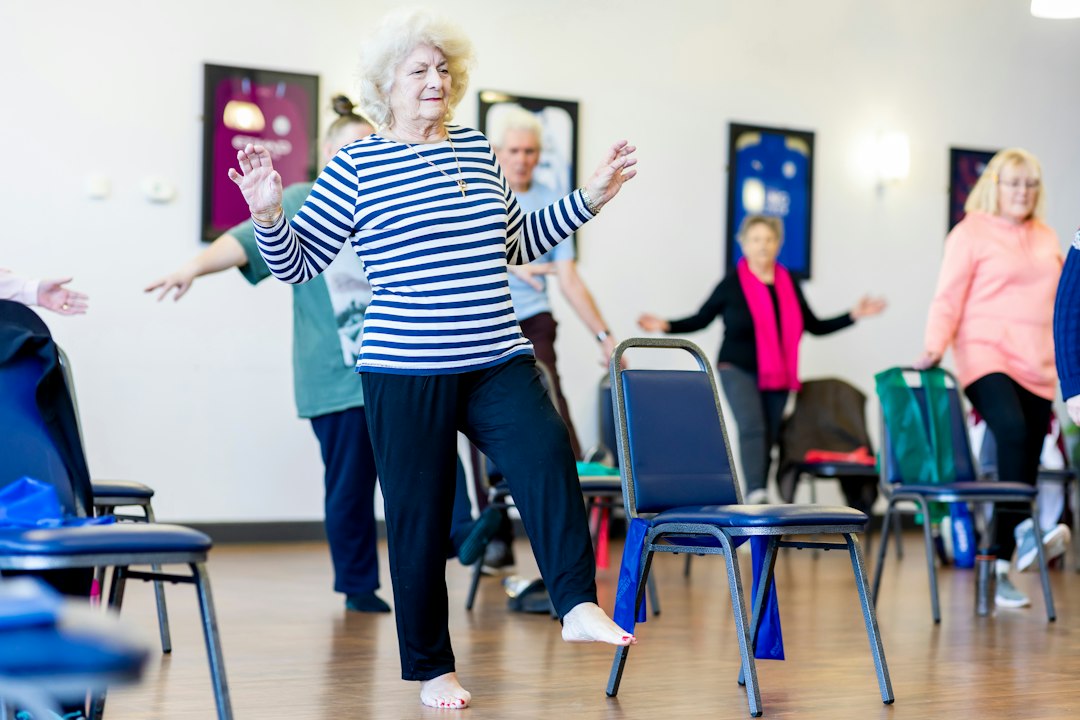
Staying active in winter helps maintain joint flexibility, balance, circulation, and mood. Light indoor activities, such as walking around the house, stretching, chair exercises, gentle yoga, or tai chi, can be done without going out in the cold. If you walk outdoors, choose dry daytime hours, dress in layers, and carry a phone for safety. Listen to your body and slow down if you feel dizzy, breathless, or unusually tired. Because exercise needs differ, people with heart, lung, or joint conditions should check with their doctor before beginning a new routine.
Preventing Falls, Slips and Injuries on Cold Winter Days
Falls are a serious concern for older adults, and winter conditions can raise the risk through ice, wet leaves, poor light, and bulky clothing. Wear shoes with good grip and avoid walking in socks on smooth floors. Keep entrances, steps, and walkways clear, and use salt or sand on icy patches where appropriate. Handrails, non-slip mats, and a clear path between the bedroom and bathroom can reduce accidents at night. If the weather looks dangerous, it is perfectly sensible to postpone errands or ask family, neighbours, or delivery services for support instead. Strong bones also matter, and these natural ways to build healthy bones offer helpful lifestyle ideas.
Boosting Immunity and Avoiding Winter Colds and Flu
Colds, flu, and other respiratory infections tend to spread more easily in winter, and older adults can be more vulnerable to complications. Regular handwashing, avoiding close contact with people who are unwell, and ventilating rooms for short periods can lower exposure. Vaccines such as the seasonal flu shot are recommended for many older adults, so it is worth asking a doctor or pharmacist which ones are suitable and when. If symptoms such as fever, breathlessness, or chest pain appear, contact a healthcare provider quickly.
Sleep, Mood and Staying Connected in Short Winter Days
Shorter days and colder weather can leave some seniors feeling low, lonely, or less motivated. Spending time near a bright window, keeping regular meal and sleep times, and opening curtains in the morning can help set a healthy daily rhythm. A cosy, well-ventilated bedroom with warm bedding often supports better sleep, while heavy meals and caffeine late in the day may disturb it. Staying in touch matters just as much as physical care, so phone calls, video chats, hobby groups, and visits from friends can lift the mood. If sadness, anxiety, or poor sleep continues for several weeks, speaking to a doctor is a kind and sensible step.
Winter Safety at Home: Heating, Lighting and Emergencies
A safe home makes winter easier to enjoy. Have heating systems and chimneys checked before the cold season, and install working smoke and carbon monoxide alarms. Keep a small emergency kit with torches, spare batteries, blankets, a first aid box, and a list of important phone numbers. Family members and neighbours can help by checking in during very cold spells, because a short call or visit can make a real difference to safety and peace of mind.
When Older Adults Should Seek Professional Medical Help
General tips are useful, but they cannot replace personalised care. Seek medical advice if an older adult shows signs of being too cold, such as shivering, pale or very cold skin, slurred speech, drowsiness, or confusion, and treat severe symptoms as an emergency. Contact a doctor for persistent cough, breathing difficulty, chest pain, swollen feet, worsening joint pain, or skin that does not heal. People with heart disease, diabetes, arthritis, or breathing problems should ask their healthcare team how cold weather may affect them and whether any medicine or routine needs adjusting. Please do not try to diagnose or treat conditions based only on an article. When unsure, an early phone call to a healthcare professional is always better than waiting.
Winter Tips for Old Age Person: Frequently Asked Questions
How Can Seniors Stay Warm During Very Cold Winter Nights?
Many older adults find that warm bedding, thermal nightwear, socks, and a comfortably heated bedroom help them sleep well. Layering light blankets is often better than one very heavy cover, and a warm drink earlier in the evening may add comfort. Always follow safety instructions for heaters and electric blankets, and never leave them unattended. If someone still feels very cold, ask a doctor or caregiver for advice.
What Foods Are Good for Older Adults in Cold Weather?
Warm, balanced meals such as soups, stews, porridge, eggs, beans, fish, and cooked vegetables are popular choices because they are filling and easy to eat. Foods should suit personal tastes, chewing ability, and health conditions. A registered dietitian can provide personalised guidance for specific medical needs.
How Much Water Should Older People Drink in Winter?
There is no single amount that suits everyone, because needs depend on age, activity, climate, medicines, and health conditions. As a general habit, many seniors benefit from sipping fluids regularly and including soups, teas, and water-rich foods. Anyone told to limit fluids by a doctor should follow that advice and ask about safe amounts.
Is It Safe for Seniors to Exercise Outside in Winter?
Short walks on dry, well-lit paths during daytime can be suitable for many older adults, provided they dress in layers and wear non-slip shoes. Icy or very windy conditions are best avoided, and indoor exercises are a useful alternative. People with heart, lung, or balance concerns should check with their doctor before exercising in cold air.
Why Do Older Adults Get Dry and Itchy Skin in Winter?
Skin naturally becomes thinner and produces less oil with age, and cold air together with indoor heating removes even more moisture. Gentle cleansers, regular moisturising, and adequate fluids often help comfort. If itching is severe or the skin cracks or becomes red, a healthcare professional should be consulted.
Final Thoughts on Winter Tips for Old Age Person Care
Winter does not have to be a difficult season for older adults. By staying warm, eating balanced meals, drinking enough fluids, caring for dry skin, moving safely, and keeping in touch with loved ones, many seniors can enjoy the colder months with greater comfort and confidence. Seek professional advice whenever you have concerns about symptoms or medicines. For more simple, reader-friendly wellness education, keep exploring the articles on GoHealthyPro and share these winter tips with the older people in your life.