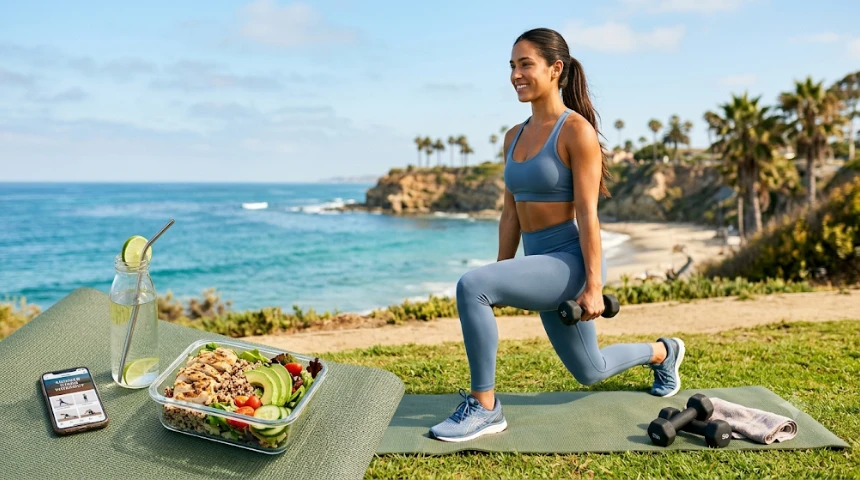
Summer is a great time to become more active and build healthier daily habits. The best workout for summer body does not need to involve extreme exercise or strict dieting. A balanced approach that combines strength training, cardio exercises, stretching, proper hydration, nutritious meals, good sleep and regular movement can support overall fitness. The right routine should also match your fitness level, schedule and comfort.
A healthy summer fitness plan is about building sustainable habits rather than trying to achieve quick physical changes. With simple workout routines, balanced meals and practical fitness tips, you can create an active lifestyle that supports energy, strength and general wellbeing.
Best Workout for Summer Body and Fitness Goals
There is no single workout that suits everyone. Your ideal summer workout can depend on your current activity level, experience, available equipment and personal fitness goals.
A balanced routine can include both cardiovascular exercise and strength training. Cardio can help improve endurance, while strength exercises can support muscle strength and everyday physical function.
Cardio Exercises for Summer Fitness
Cardio exercises can be a useful part of a summer fitness routine. You can choose activities that you enjoy and can perform consistently.
Some options include:
- Brisk walking
- Jogging
- Cycling
- Swimming
- Dancing
- Skipping
- Stair climbing
- Outdoor games
Beginners can start with moderate-intensity activities for shorter periods and gradually increase their duration as they become more comfortable.
During hot weather, consider exercising during cooler parts of the day. Early morning or evening workouts can be more comfortable than exercising during peak afternoon heat.
Strength Training for a Balanced Routine
Strength training is another important part of a balanced fitness plan. It can help support muscle strength and physical performance.
You do not always need heavy gym equipment. Bodyweight exercises can be performed at home, depending on your fitness level.
Useful exercises include:
- Squats
- Lunges
- Glute bridges
- Wall push-ups
- Regular push-ups
- Planks
- Step-ups
- Resistance band exercises
Focus on controlled movements and proper technique instead of rushing through repetitions.
Beginner Friendly Workout Routines
If you are new to exercise, starting slowly can make it easier to build a consistent habit. You do not need to complete long or highly intense sessions from the beginning.
A simple beginner routine may include:
- Five to ten minutes of warm-up
- Ten to fifteen minutes of brisk walking or another cardio activity
- Two or three sets of basic bodyweight exercises
- Five minutes of gentle stretching
- A short cool-down
As your fitness improves, you can gradually increase the duration or difficulty of your workouts.
Consistency is often more useful than trying to exercise intensely for a few days and then stopping. Choose a routine that fits realistically into your daily schedule.
Home and Gym Workout Options
The best workout for a summer body can be completed at home or in a gym. Your choice depends on your preferences, available equipment and lifestyle.
Home Workouts
Home workouts can be convenient when you have limited time or do not want to travel to a gym.
A simple home session can include:
- Bodyweight squats
- Lunges
- Push-ups or modified push-ups
- Planks
- Glute bridges
- Resistance band exercises
- Marching or low-impact cardio
Keep enough space around you to exercise safely. A yoga mat can also make floor exercises more comfortable.
Gym Workouts
A gym can provide access to different types of equipment for strength and cardio training.
You may use:
- Treadmills
- Exercise bikes
- Cross trainers
- Cable machines
- Free weights
- Resistance machines
If you are unfamiliar with gym equipment, learn the correct technique before increasing resistance. A qualified fitness professional can help explain equipment use when needed.
Warm-Up and Cool-Down Matter
A proper warm-up prepares your body for physical activity. It can include gentle movements and low-intensity activity.
A warm-up may involve:
- Walking
- Arm circles
- Gentle leg movements
- Hip rotations
- Light jogging
- Dynamic stretches
After your workout, spend a few minutes cooling down. Slow walking followed by gentle stretching can help you transition from exercise to normal activity.
Do not force a stretch or hold a position that causes pain.
Hydration During Summer Workouts
Hydration becomes especially important during hot weather because physical activity and heat can increase fluid loss through sweating.
Drink fluids regularly throughout the day instead of waiting until you feel extremely thirsty. Carrying a water bottle can make it easier to remember to drink.
Hydration needs can vary depending on factors such as weather, activity level and individual circumstances.
For longer or more demanding workouts, some people may also consider drinks containing electrolytes. However, sugary drinks should not automatically replace water as the main everyday beverage.
Useful hydration habits include:
- Drink water regularly throughout the day
- Carry water during outdoor activities
- Drink before and after exercise
- Take regular breaks during hot workouts
- Avoid exercising for long periods in extreme heat
- Choose cooler times of the day for outdoor activity
If you experience unusual symptoms during exercise in hot weather, stop exercising and seek appropriate help.
Balanced Summer Diet for Fitness
Exercise works best alongside a balanced eating pattern. A healthy summer diet should provide a variety of nutrients rather than focusing on severe calorie restriction.
Build meals around different food groups, including vegetables, fruits, whole grains, protein sources and healthy fats.
A balanced plate can include:
- Seasonal vegetables
- Fresh fruits
- Whole grains
- Dal and beans
- Eggs
- Curd or other suitable dairy foods
- Nuts and seeds
- Fish, chicken or other protein sources for those who eat them
Indian meals can easily fit into a balanced fitness routine. Options such as dal with roti, vegetable pulao with curd, grilled paneer with vegetables, or rice with dal and a vegetable side can provide a combination of nutrients.
Portion needs vary from person to person, so focus on overall meal quality and regular eating habits rather than following rigid food rules.
Protein Rich Foods for Active Lifestyles
Protein is an important nutrient that supports normal body functions and helps maintain muscle tissue.
You can include protein-rich foods such as:
- Dal
- Chickpeas
- Rajma
- Soy products
- Paneer
- Curd
- Milk
- Eggs
- Fish
- Chicken
- Nuts and seeds
Vegetarian diets can also provide protein through a combination of legumes, dairy products, soy foods, nuts and seeds.
Instead of depending heavily on processed protein products, try to include a variety of whole or minimally processed foods in everyday meals.
Fruits, Vegetables and Whole Grains
Fruits and vegetables provide important vitamins, minerals and fibre. They can also add variety and freshness to summer meals. The Harvard Healthy Eating Plate also highlights the importance of including vegetables, fruits and whole grains as part of a balanced eating pattern.
Some easy choices include:
- Watermelon
- Muskmelon
- Oranges
- Apples
- Bananas
- Cucumbers
- Tomatoes
- Carrots
- Spinach
- Beans
- Seasonal vegetables
Whole grains such as oats, brown rice, whole wheat roti and other minimally processed grain options can also form part of a balanced diet.
Rather than relying on one particular food for fitness, aim for variety across your meals.
Pre-Workout Food Ideas
The food you choose before exercise can depend on the workout, timing and your individual preferences.
If you need a light snack before activity, some options include:
- Banana
- Fruit with curd
- Oats
- Whole grain toast
- A small serving of nuts and fruit
Avoid experimenting with unfamiliar foods immediately before an important workout. Choose foods that are comfortable for you and allow enough time for digestion.
Post-Workout Food Ideas
After exercise, a balanced meal or snack can help you continue your normal nutrition routine.
Some practical options include:
- Curd with fruit
- Eggs with whole grain toast
- Dal with roti
- Paneer with vegetables
- Chicken with rice and vegetables
- Milk with a balanced meal
- Sprouts with vegetables
The focus should be on overall daily nutrition rather than relying on one specific post-workout food.
Sleep and Recovery
Exercise is only one part of a healthy fitness routine. Recovery also matters.
Adults generally benefit from getting adequate sleep each night. Maintaining a regular sleep schedule can support overall wellbeing and help you feel ready for daily activities.
Good recovery habits include:
- Maintain a regular sleep schedule
- Take rest days when appropriate
- Avoid exercising intensely every day
- Include gentle movement on easier days
- Eat balanced meals
- Stay hydrated
- Pay attention to how your body feels
Rest does not mean complete inactivity. Gentle walking, mobility exercises or stretching may be suitable on lighter days, depending on your routine and physical comfort.
Fitness Tips for Exercising in Summer
Hot weather can make exercise feel more demanding. A few simple fitness tips can make your routine more practical.
Choose the Right Time
Try early morning or evening sessions when temperatures are lower. If outdoor conditions are very hot, consider an indoor workout instead.
Wear Comfortable Clothing
Light, breathable clothing can make exercise more comfortable. Choose suitable footwear for the activity you are doing.
Take Breaks
You do not need to exercise continuously without rest. Take breaks when needed, especially during hot weather.
Adjust Your Intensity
Your normal workout may feel harder in high temperatures. Adjust the intensity and duration according to the conditions.
Listen to Your Body
Stop exercising if you feel unwell. Symptoms such as dizziness, weakness, unusual headache or nausea should not be ignored during exercise.
Common Summer Workout Mistakes
Some habits can make a fitness routine unnecessarily difficult.
Exercising Too Hard Too Quickly
Increasing exercise volume suddenly can make it difficult to maintain a routine. Progress gradually.
Ignoring Hydration
Not drinking enough fluids during hot weather can affect comfort and exercise performance. Keep water accessible throughout the day.
Skipping Warm-Ups
Starting intense exercise immediately may not be the best approach. Spend a few minutes preparing your body for movement.
Following Extreme Diets
Very restrictive diets can make healthy eating difficult to maintain. A balanced diet with a variety of foods is generally more practical for everyday wellbeing.
Focusing Only on Appearance
Fitness involves more than physical appearance. Strength, endurance, mobility, energy and healthy daily habits are also meaningful parts of overall fitness.
How to Stay Consistent With Workout Routines?
Building a regular exercise habit takes time. Instead of making an unrealistic schedule, create a routine that fits your lifestyle.
Try these strategies:
- Set realistic weekly goals
- Choose activities you enjoy
- Keep workout sessions manageable
- Schedule exercise at a regular time
- Track your activity if it motivates you
- Exercise with a friend or family member
- Try different activities to avoid boredom
- Celebrate consistency rather than perfection
If you miss a workout, simply return to your routine when you can. One missed session does not need to disrupt your entire fitness plan.
Healthy Lifestyle Habits for Long-Term Fitness
A summer fitness routine should ideally support habits that can continue throughout the year.
Along with regular exercise, focus on:
- Balanced nutrition
- Adequate hydration
- Regular sleep
- Daily physical activity
- Stress management
- Rest and recovery
- Consistent meal habits
- Limiting highly processed foods
- Avoiding smoking
- Maintaining healthy social connections
The goal is not to follow a perfect routine every day. Small habits that you can maintain over time can become an important part of an active lifestyle.
Frequently Asked Questions
What is the Best Workout for a Summer Body?
Lorem ipsum dolor sit amet, consectetur adipiscing elit. Ut elit tellus, luctus nec ullamcorper mattis, pulvinar dapibus leo.
Can I Do Summer Workouts at Home?
Lorem ipsum dolor sit amet, consectetur adipiscing elit. Ut elit tellus, luctus nec ullamcorper mattis, pulvinar dapibus leo.
What Should I Eat Before a Summer Workout?
Lorem ipsum dolor sit amet, consectetur adipiscing elit. Ut elit tellus, luctus nec ullamcorper mattis, pulvinar dapibus leo.
How Much Water Should I Drink During Summer Exercise?
Fluid needs vary based on factors such as temperature, exercise duration, sweating and individual needs. Drink water regularly and take additional fluids when appropriate during longer or more demanding activities.
Is Cardio or Strength Training Better for Summer Fitness?
Both can have a place in a balanced fitness routine. Cardio can support cardiovascular endurance, while strength training supports muscle strength. Combining different forms of exercise can provide variety and help develop a more balanced routine.
Conclusion
The Best Workout for Summer Body is not about extreme exercise or restrictive dieting. A sustainable routine combines regular physical activity, strength training, cardio exercises, balanced meals, hydration, sleep and recovery.
Choose workout routines that match your fitness level and lifestyle, and use practical fitness tips to stay consistent during hot weather. Focus on building healthy habits that can continue beyond summer rather than chasing quick changes.
GoHealthyPro provides general health and wellness information to help readers understand practical lifestyle habits and make informed everyday choices.
Health Disclaimer
This article is for general educational and informational purposes only. It is not a substitute for professional medical, nutritional or fitness advice. Consult a qualified healthcare professional before making major changes to your diet or exercise routine, especially if you have an existing health condition, take medicines, are pregnant, or have specific health concerns.