

Introduction
How to stay fit at home is one of the most searched fitness questions today — and for good reason. Life gets busy. Gym memberships are expensive. And sometimes, just getting out the door feels like a workout in itself. The good news? You don’t need a single piece of equipment to build a strong, healthy body right from your living room.
Why Staying Fit at Home Makes Sense
Think of your home as your personal gym — open 24/7, no commute, no membership fee, and no judgment. More people than ever are discovering that a consistent home exercise routine can deliver real results. Whether your goal is weight loss, better energy, or just feeling stronger day-to-day, working out at home puts you in full control.
Research consistently shows that regular physical activity reduces the risk of chronic disease, improves mood, sharpens focus, and extends lifespan. And the best part? You can get all those benefits without ever stepping foot in a gym. All you need is commitment, a little space, and the right approach.
How to Set Up Your Home Workout Space
You don’t need a spare room or fancy flooring. A small, clear area about 6 feet by 6 feet is enough for most bodyweight workouts. Here’s what helps:
- Pick a spot with good ventilation — near a window or fan
- Use a yoga mat or a folded blanket for floor exercises
- Remove clutter so you can move freely without bumping into things
- Keep water nearby and have your phone ready for workout timers
| 💡 Pro Tip Designate the same spot every day for your workouts. Your brain will start associating that space with exercise — and showing up becomes automatic. |
Tip 1: Start with Bodyweight Exercises
Best Bodyweight Exercises for Beginners
Bodyweight training is the foundation of any solid beginner workout plan. These exercises use your own weight as resistance — which means they’re beginner-friendly, scalable, and surprisingly effective. Here are some of the best to start with:
- Push-ups – Great for chest, shoulders, and triceps
- Squats – Builds lower body strength and boosts metabolism
- Lunges – Works your glutes, quads, and improves balance
- Plank – Strengthens your entire core in one simple hold
- Glute bridges – Targets hips, glutes, and lower back
- Mountain climbers – Combines core work with cardio
How to Build a Simple Routine
Start with 3 exercises per session. Do 3 sets of 10–15 reps each. Rest 30–60 seconds between sets. That’s it. Simple works. As you get stronger, add more reps, more sets, or new exercises. Also check out these bodyweight exercises to build muscle at home for a deeper dive.
Tip 2: Follow a Consistent Daily Routine
Consistency beats intensity every single time. It’s better to work out for 20 minutes every day than to go all-out for 2 hours once a week. Creating a morning exercise routine helps you stay disciplined and sets a positive tone for the rest of your day.
Try scheduling your workouts at the same time each day — whether it’s right after you wake up, during lunch, or after dinner. Treat it like an appointment you can’t cancel. Within 3–4 weeks, it stops being a chore and becomes a habit you actually look forward to.
Tip 3: Use the 10-Minute Workout Strategy
No time? No problem. A well-structured 10-minute workout can be just as effective as a longer session — especially when done with intensity. The key is to keep rest periods short and keep moving.
Try this quick circuit:
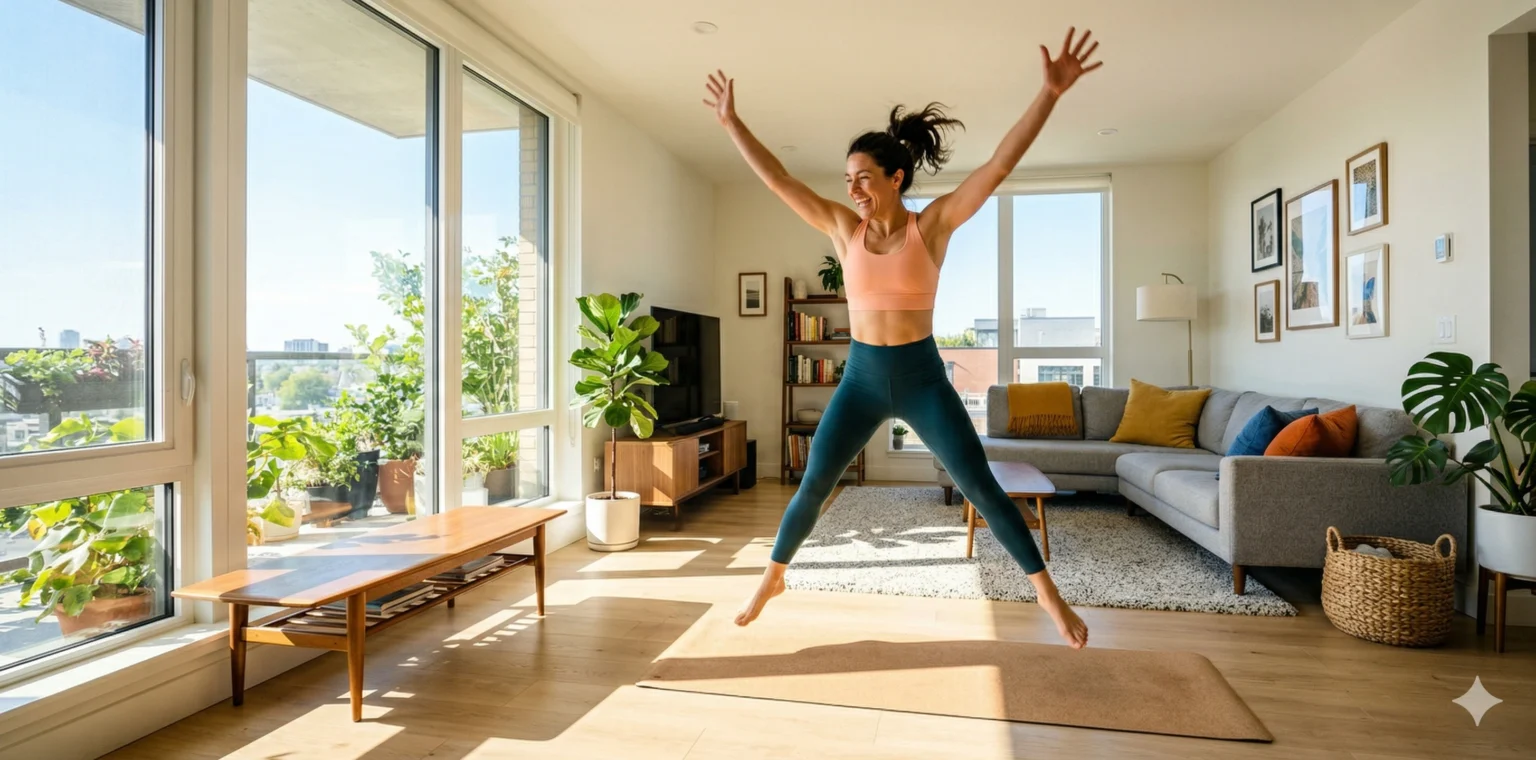
- Jumping jacks – 60 seconds
- Squats – 45 seconds
- Push-ups – 45 seconds
- Plank hold – 30 seconds
- High knees – 60 seconds
- Rest – 30 seconds. Repeat 2x.
| ⏱ Remember 10 minutes of focused exercise is infinitely better than zero minutes of perfect exercise. Done is better than perfect — always. |
Tip 4: Incorporate Stretching and Flexibility Work
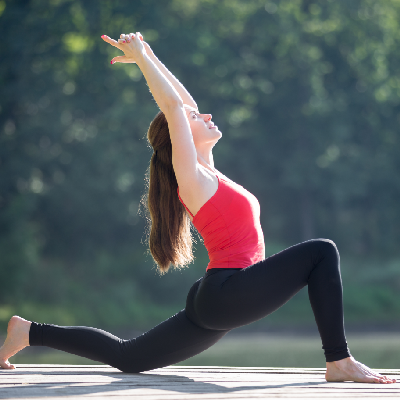
Most people skip stretching. That’s a mistake. Flexibility work keeps your joints healthy, reduces injury risk, and helps your muscles recover faster between sessions. Spend at least 5–10 minutes stretching after every workout.
Some great stretches to try:
- Child’s Pose – Relaxes the lower back and hips
- Standing quad stretch – Loosens tight thighs after squats
- Chest opener – Counteracts hunching from desk work
- Hip flexor stretch – Essential if you sit for long hours
- Cat-cow stretch – Great for spinal mobility
Tip 5: Stay Active Throughout the Day

Exercise doesn’t only happen during your workout window. One of the best home fitness tips is to find ways to keep moving all day long. Think of it like stirring a pot — a little movement here and there keeps everything warm.
Simple ways to add more movement:
- Take the stairs instead of the elevator
- Do 10 squats every time you get up from your chair
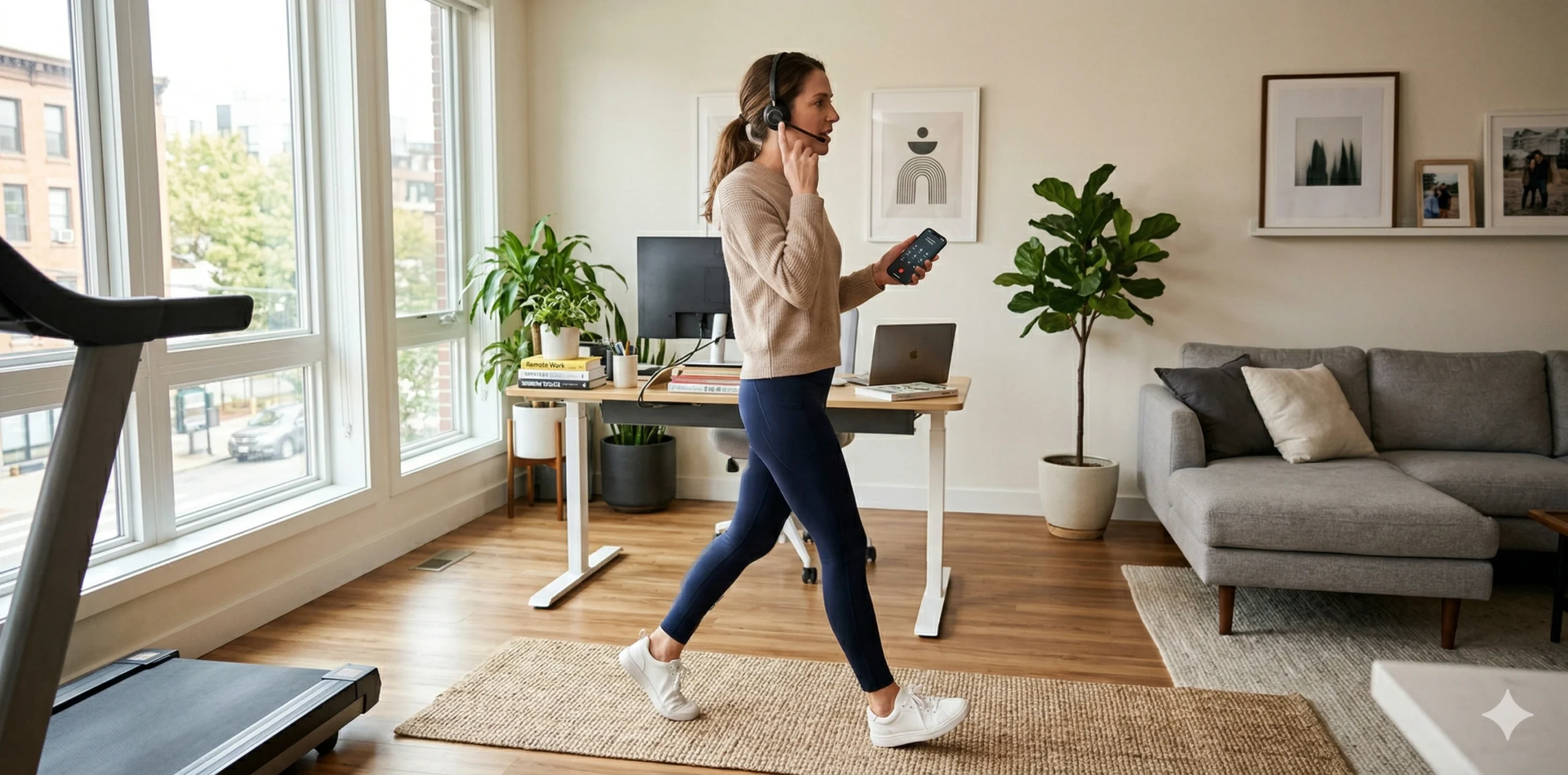
- Walk around the room during phone calls
- Set a timer to stand and stretch every 45 minutes
- Do household chores with a little extra hustle
Tip 6: Focus on Core Strength
Best No-Equipment Core Exercises
Your core is the powerhouse of your body. A strong core improves your posture, protects your spine, and makes every other exercise easier. The best part? You can build serious core strength with zero equipment.
Try these core exercises 4–5 times a week:
- Plank – Hold 20–60 seconds; progress over time
- Dead bug – Excellent for deep core stability
- Bicycle crunches – Engages obliques and rectus abdominis
- Reverse crunches – Targets lower abs effectively
- Side plank – Builds lateral core strength
- Leg raises – Challenges lower abs without any gear
Tip 7: Eat Right to Support Your Fitness
Exercise is only half the equation. What you eat either fuels your fitness or fights it. Good healthy eating habits don’t require expensive supplements or complicated meal plans. They just require consistency and common sense.
Here’s a basic framework that works:
- Prioritize protein: eggs, lentils, paneer, chicken, Greek yogurt
- Eat more whole foods: fruits, vegetables, whole grains
- Reduce processed snacks, sugary drinks, and fried foods
- Don’t skip meals — skipping leads to overeating later
- Consider eating your biggest meal earlier in the day
| 🥗 Nutrition Reminder You can’t out-exercise a poor diet. Even a 30-minute home workout burns roughly 200–300 calories. One bag of chips wipes that out. Focus on what goes on your plate as much as what you do on the floor. |
Tip 8: Stay Hydrated and Sleep Well
These two habits are often called the ‘secret weapons’ of fitness — and they’re completely free. Dehydration makes workouts feel harder, reduces your endurance, and slows recovery. Aim for at least 2–3 litres of water per day. More if you sweat a lot.
Sleep is where your body actually builds muscle, burns fat, and repairs itself. Less than 7 hours of sleep per night can spike stress hormones, increase hunger, and wipe out the benefits of your workouts. Aim for 7–8 hours of quality sleep. Keep your room cool and dark, and try to go to bed at the same time each night.
Tip 9: Track Your Progress and Stay Motivated
What gets measured gets managed. Tracking your workouts — even in a simple notebook or a free app — keeps you accountable and shows you how far you’ve come. When motivation dips (and it will), looking back at your progress is the fastest way to get it back.
Ways to stay motivated:
- Set small, achievable weekly goals instead of big, vague ones
- Celebrate small wins — like doing one more push-up than last week
- Find a workout buddy or share your progress online
- Switch up your routine every 3–4 weeks to avoid boredom
- Reward yourself for hitting milestones (non-food rewards work great)
At-a-Glance: 9 Tips Summary
| Tip | Exercise Type | Daily Time |
| Tip 1 – Bodyweight Training | Squats, Push-ups, Lunges | 20–30 min |
| Tip 2 – Consistent Routine | Any mix of exercises | 30 min |
| Tip 3 – 10-Min Workouts | HIIT, circuits | 10 min |
| Tip 4 – Stretching | Yoga, static stretches | 10–15 min |
| Tip 5 – Stay Active | Walking, stairs, chores | All day |
| Tip 6 – Core Strength | Plank, crunches, leg raises | 15 min |
| Tip 7 – Eat Right | Nutrition & meal prep | Ongoing |
| Tip 8 – Hydration & Sleep | Rest & recovery | 7–8 hrs sleep |
| Tip 9 – Track Progress | Journal or app | 5 min |
| ✅ Quick Fitness Checklist Work out at least 4–5 times a weekCombine cardio and strength trainingStretch before and after every sessionDrink at least 2–3 litres of water dailyGet 7–8 hours of quality sleep every nightEat whole foods; cut down on processed snacksTrack your workouts to see progress over time |
Common Mistakes to Avoid
Even with the best intentions, it’s easy to fall into habits that slow your progress. Watch out for these:
- Skipping warm-up and cool-down — always take 5 minutes on each end
- Doing the same workout every day — your body adapts; variety is key
- Going too hard too soon — soreness is fine, injury is not
- Ignoring rest days — muscles grow during rest, not during exercise
- Comparing yourself to others — your only competition is yesterday’s you
Final Thoughts
Staying fit at home is not just possible — it’s practical, sustainable, and effective. You don’t need fancy equipment, a gym membership, or hours of free time. What you need is a plan, a bit of consistency, and the willingness to start.
These 9 tips give you a clear roadmap. Pick two or three to focus on this week. Build from there. Before long, you’ll be stronger, more energized, and wondering why you ever thought fitness required a gym.
Your home is your gym. Start today.