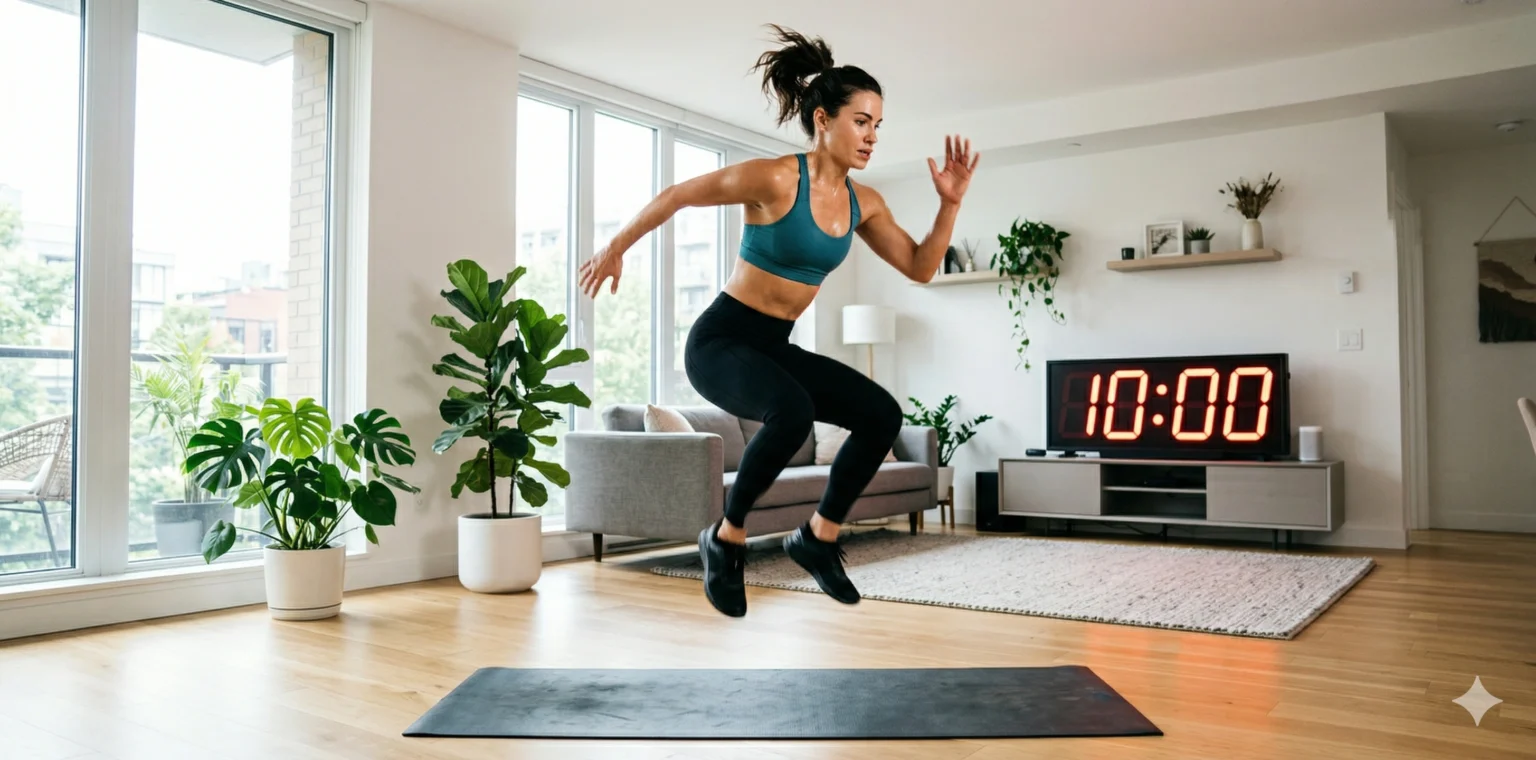
Finding time for exercise can be difficult when work, studies, family responsibilities, travel, and household tasks fill the day. Simple fitness tips can help you add movement to your routine without needing a long or complicated workout. A 10-minute daily workout can be a practical starting point for beginners who want to become more active.
A short workout does not have to replace all other physical activity. Instead, it can be one part of an active lifestyle that also includes walking, household activities, stretching, sports, cycling, and other forms of movement.
This guide explains how beginners can structure a simple 10-minute workout while also covering nutrition, hydration, safe exercise, sleep, pregnancy care, prenatal care, emotional wellbeing, and other healthy lifestyle habits.
Why Can a 10-Minute Daily Workout Be Useful?
A busy schedule can make it difficult to set aside a full hour for exercise. A shorter routine may feel easier to fit into the day.
A 10-minute workout can include several basic movements performed at a comfortable level. Depending on your fitness level, it may include:
- Marching in place
- Bodyweight squats
- Wall push-ups
- Step-ups
- Gentle lunges
- Arm movements
- Stretching
- Light mobility exercises
The purpose is not to complete the hardest workout possible. The goal is to create an opportunity for regular movement.
The World Health Organization’s physical activity guidance recommends that adults aged 18 to 64 aim for at least 150 minutes of moderate-intensity aerobic physical activity across the week, along with muscle-strengthening activities on at least 2 days. A short workout can contribute to your overall activity, while other daily movements can also count.
Simple 10-Minute Daily Workout for Beginners
Before starting, choose a safe space and wear comfortable clothing and footwear. Beginners can keep the movements gentle and focus on good form.
Minute 1: Gentle Warm-Up
Start with easy movements to gradually prepare your body.
Try:
- Walking in place
- Shoulder rolls
- Gentle arm circles
- Easy side steps
Avoid rushing through the warm-up.
Minute 2: Marching in Place
March in place at a comfortable pace.
Keep your upper body relaxed and move your arms naturally.
If you are new to exercise, start slowly and increase the pace only when you feel comfortable.
Minute 3: Bodyweight Squats
Stand with your feet approximately hip-width apart.
Lower your body slowly by bending your knees and hips, then return to a standing position.
If regular squats feel difficult, use a chair for support.
Focus on controlled movement rather than speed.
Minute 4: Wall Push-Ups
Stand facing a wall and place your hands against it.
Slowly bend your elbows to bring your upper body towards the wall, then push back to the starting position.
Wall push-ups can be a beginner-friendly alternative to floor push-ups.
Minute 5: Step-Ups or Side Steps
If you have a stable, safe step available, step up and down carefully.
Alternatively, perform side-to-side steps on a flat surface.
Keep your movements controlled and use support when necessary.
Minute 6: Glute Bridges
If getting down to the floor is comfortable for you, lie on your back with your knees bent and feet supported on the floor.
Lift your hips gently and lower them back down.
If this movement is uncomfortable, choose another simple lower-body exercise.
Minute 7: Standing Knee Lifts
Stand upright and slowly lift one knee at a time.
Move your arms naturally as you alternate sides.
Keep the pace comfortable and avoid swinging your body.
Minute 8: Simple Strength Exercise
Use this minute for another basic strengthening movement.
You could choose:
- Chair squats
- Wall push-ups
- Resistance-band rows
- Light dumbbell exercises
- Calf raises
Beginners should start with an appropriate level of resistance and focus on technique.
Minute 9: Gentle Full-Body Movement
Use this minute for a movement that feels comfortable.
You can walk around the room, march in place, perform gentle side steps, or combine simple movements.
The aim is to keep moving without pushing yourself beyond your current fitness level.
Minute 10: Cool Down and Stretch
Slow down gradually.
Try gentle stretches for your:
- Legs
- Shoulders
- Arms
- Back
- Calves
Avoid bouncing while stretching.
Take a few comfortable breaths and allow your body to settle after the workout.
Fitness Tips for Beginners
Starting an exercise routine does not require advanced equipment or difficult exercises. These fitness tips can help beginners develop a more manageable routine. Following simple fitness tips for beginners can also make it easier to build consistency and stay comfortable while starting a new routine.
For more practical guidance, explore 10 Simple Fitness Tips to Stay Active and Healthy, which covers everyday movement, strength exercises, nutrition, hydration, sleep, and other healthy lifestyle habits.
Focus on Technique
Good technique is more important than completing many repetitions. Perform movements slowly enough to understand how your body is moving.
If you are unsure about exercise technique, consider guidance from a qualified fitness professional.
Take Rest Days
Rest is part of a balanced exercise routine. You do not need to perform a demanding workout every day. Light walking, stretching, or normal daily movement can be suitable on easier days.
Listen to Your Body
Pay attention to how you feel during exercise. Stop exercising and seek appropriate professional advice if you experience unusual symptoms or have concerns about your health.
People with existing health conditions should discuss suitable exercise with a qualified healthcare professional.
Nutrition for a Healthy Workout Routine
Exercise and nutrition work together as part of a healthy lifestyle.
A balanced diet can include:
- Vegetables
- Fruits
- Whole grains
- Dal and other pulses
- Beans and chickpeas
- Eggs
- Fish or lean meat
- Paneer and yoghurt
- Nuts and seeds
- Suitable sources of healthy fats
Indian meals can easily include many of these foods. For example, a meal could include roti or rice, dal, seasonal vegetables, curd, and a source of protein.
There is no need to follow an extremely restrictive diet simply because you are exercising.
Instead, focus on variety and balanced meals that fit your normal lifestyle.
Hydration and Exercise
Staying hydrated is an important part of everyday wellness.
Keep water available during the day and drink regularly according to your needs.
Hydration needs can vary depending on:
- Weather
- Physical activity
- Sweating
- Diet
- Individual circumstances
During hot Indian summers, people may need to pay particular attention to fluid intake while exercising.
Do not rely only on thirst during demanding activity or very hot conditions. People with medical conditions that affect fluid intake should follow advice from their healthcare professional.
Sleep and Recovery
Exercise is only one part of a healthy lifestyle. Sleep and recovery are also important.
A regular sleep routine may help support everyday wellbeing and provide time for the body to recover from normal daily activities.
Useful sleep habits include:
- Going to bed at a consistent time
- Keeping the bedroom comfortable
- Reducing unnecessary screen use before bedtime
- Avoiding very heavy meals close to bedtime
- Allowing enough time for sleep
Avoid increasing your workout intensity while consistently ignoring rest and recovery.
Safe Exercise During Pregnancy
Pregnancy requires additional consideration when planning physical activity.
For healthy pregnant women without medical contraindications, moderate-intensity physical activity is generally considered safe. The CDC recommends at least 150 minutes of moderate-intensity aerobic activity each week during pregnancy and the postpartum period.
A 10-minute workout may be adapted during pregnancy, but not every exercise is suitable for every person or stage of pregnancy.
General pregnancy fitness considerations include:
- Choose comfortable and appropriate activities.
- Avoid overheating.
- Stay hydrated.
- Increase activity gradually when appropriate.
- Avoid exercises that feel uncomfortable.
- Discuss changes to your exercise routine during prenatal care.
- Follow specific advice from your healthcare professional.
Pregnancy should not be treated as a time to follow a generic workout plan without considering individual circumstances.
Prenatal Care and Physical Activity
Prenatal care is an important part of pregnancy wellbeing.
During prenatal appointments, a qualified healthcare professional can discuss areas such as:
- Physical activity
- Nutrition
- Hydration
- Supplements
- Sleep
- Pregnancy-related concerns
- General lifestyle habits
If you are pregnant and want to begin or change an exercise routine, discuss your plans with your healthcare professional.
The WHO also recommends regular physical activity during pregnancy and the postpartum period when there is no contraindication, while noting the importance of appropriate antenatal and postnatal care.
Nutrition During Pregnancy
Pregnancy can change nutritional needs. A balanced eating pattern can include a variety of nutritious foods such as vegetables, fruits, whole grains, pulses, protein foods, dairy or suitable alternatives, nuts, and seeds.
Pregnancy nutrition may also involve specific considerations around supplements and certain foods.
Because individual needs can differ, pregnant people should discuss nutrition and supplements with a qualified healthcare professional rather than relying only on general online advice.
Hydration During Pregnancy
Hydration is another part of general pregnancy care.
Keep water available and drink regularly throughout the day. Fluid requirements can vary depending on factors such as weather, activity, diet, and individual circumstances.
If you have been given specific fluid advice by your healthcare professional, follow that guidance.
Emotional Wellbeing and Exercise
A healthy lifestyle includes emotional wellbeing as well as physical activity.
Work pressure, studies, family responsibilities, pregnancy, postpartum changes, and other life events can affect motivation and daily routines.
A short workout can provide a structured movement break, but it should not become another source of pressure.
Other healthy habits can include:
- Spending time with supportive people
- Taking relaxing breaks
- Going for a comfortable walk
- Practising gentle stretching
- Maintaining social connections
- Getting enough rest
- Making time for enjoyable activities
During pregnancy and after childbirth, emotional wellbeing deserves attention. If you are experiencing ongoing emotional difficulties, speak with a qualified healthcare professional.
How to Make a 10-Minute Workout a Daily Habit?
Consistency becomes easier when exercise fits naturally into your routine.
Try these practical fitness tips:
Choose a Fixed Time
You could exercise:
- After waking up
- Before work
- During a lunch break
- After returning home
- Before an evening shower
Choose a time that works with your normal schedule.
Keep Equipment Simple
A beginner workout can often use bodyweight movements.
You may eventually add:
- Resistance bands
- Light weights
- A yoga mat
- A stable exercise step
You do not need to buy everything at once.
Prepare in Advance
Keep your exercise clothes and footwear ready.
Reducing small barriers can make it easier to start.
Combine Exercise With Daily Movement
A 10-minute workout is only one part of your activity.
You can also:
- Walk short distances
- Take movement breaks
- Use stairs when appropriate
- Do household chores
- Walk while taking a phone call
- Spend time outdoors
The WHO notes that physical activity can come from recreation, transport, work, and household activities, not only structured exercise.
Common Mistakes Beginners Should Avoid
Trying to Exercise Too Hard
Starting with an intense workout can make the routine difficult to maintain.
Begin with movements that match your current ability.
Skipping Warm-Up and Cool-Down
A few minutes of gentle movement before and after exercise can help make the routine more comfortable.
Ignoring Sleep
More exercise is not always better if you are consistently missing adequate rest.
Following Extreme Diets
A healthy fitness routine should not depend on highly restrictive eating patterns.
Comparing Yourself With Others
People have different fitness levels, schedules, body types, and exercise backgrounds.
Focus on building your own consistent habits.
Simple Weekly Fitness Routine
A 10-minute workout can be repeated on several days, while other activities can add variety.
|
Day |
Activity |
|
Monday |
10-minute full-body workout |
|
Tuesday |
Brisk walk and stretching |
|
Wednesday |
10-minute strength-focused workout |
|
Thursday |
Light walking or mobility |
|
Friday |
10-minute full-body workout |
|
Saturday |
Cycling, walking, yoga, or another enjoyable activity |
|
Sunday |
Rest or gentle movement |
This is only an example. Your routine can be adjusted according to your schedule, fitness level, pregnancy status, and professional advice where required.
Frequently Asked Questions
Q1. Can I really get fit with just 10 minutes a day?
Yes, absolutely. While 10 minutes turn you into a bodybuilder, it will improve your cardiovascular health, build strength, boost energy, and help maintain a healthy weight. The key is doing it consistently. Ten minutes daily beats zero minutes daily.
Q2. Should I do this workout every day?
Daily is ideal for building the habit, but your body also needs rest. Listen to how you feel. If you sore, take a day off or do a lighter version. Many people do this workout 5-6 days a week with 1-2 rest days.
Q3. Do I need any equipment?
Lorem ipsum dolor sit amet, consectetur adipiscing elit. Ut elit tellus, luctus nec ullamcorper mattis, pulvinar dapibus leo.
Q4. Can beginners do this workout?
Definitely. This routine was designed with beginners in mind. The exercises are basic movements your body knows how to do. Start slow, focus on form, and don’t push too hard at first. You improve quickly.
Q5. When will I see results?
You feel different within a week. More energy. Better mood. Better sleep. Physical changes like muscle tone and weight loss take longer, usually 4-8 weeks of consistent effort. But the mental benefits start immediately.
Final Thoughts
A 10-minute daily workout can be a practical starting point for people who want to add more movement to a busy lifestyle. Simple exercises such as walking, squats, wall push-ups, step-ups, stretching, and mobility movements can help create a manageable routine.
The most useful fitness tips are not about doing the hardest workout. They are about building sustainable habits that include regular movement, balanced nutrition, hydration, adequate sleep, recovery, and emotional wellbeing. GoHealthyPro shares general health and wellness information to help readers learn more about these everyday healthy lifestyle habits.
Pregnancy requires additional consideration. Safe physical activity, nutritious food, hydration, rest, emotional wellbeing, and regular prenatal care can all be part of general pregnancy care. However, exercise and nutrition during pregnancy should be discussed with a qualified healthcare professional for personalised guidance.