

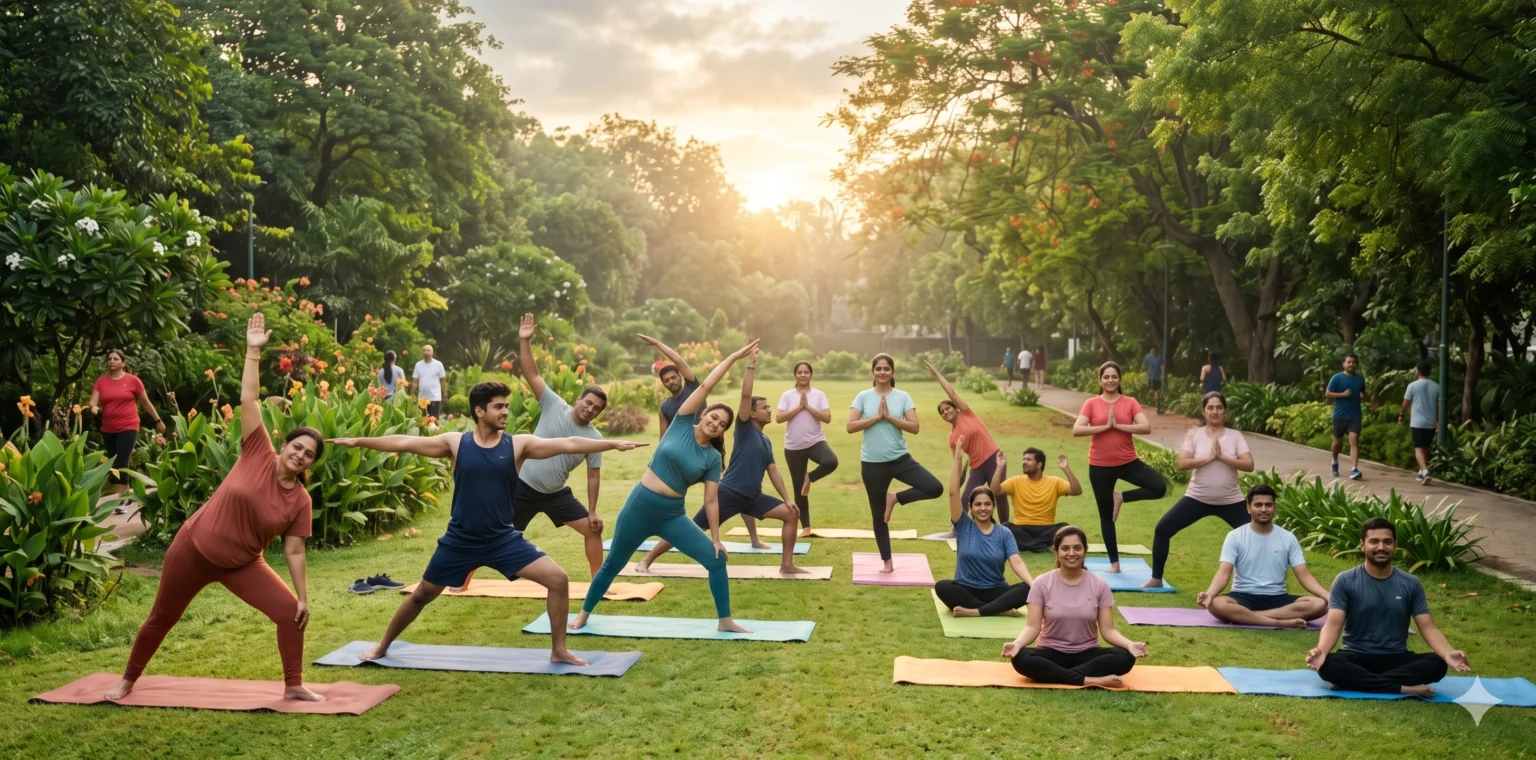
Staying active does not always require a gym membership, expensive equipment, or a complicated workout plan. Simple daily movements such as walking, stretching, cycling, household activities, yoga, and strength exercises can help make physical activity part of your routine. Following practical fitness tips can make it easier to stay active while supporting overall health and wellbeing.
A healthy lifestyle also involves more than exercise. Nutritious food, enough water, good sleep, emotional wellbeing, regular movement, and healthy daily habits all work together. During pregnancy, these habits may need to be adjusted according to individual needs and professional advice.
This guide shares 10 simple fitness tips that can help adults build an active lifestyle. It also covers nutrition, hydration, safe exercise, pregnancy care, prenatal care, sleep, emotional wellbeing, and other habits that support everyday wellness.
Why Fitness Tips Matter for a Healthy Lifestyle?
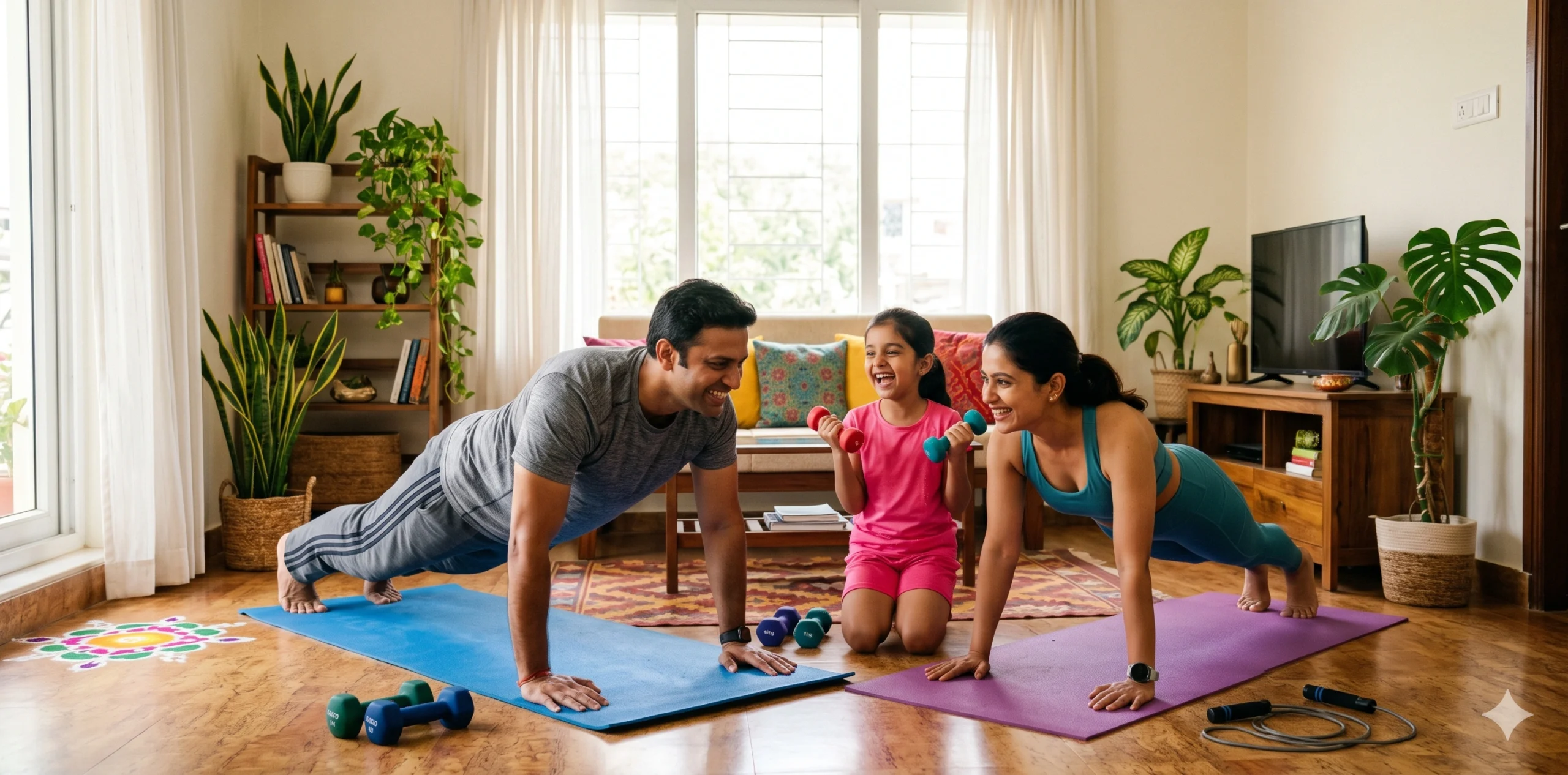
Physical activity is an important part of a healthy lifestyle. Regular movement can support physical fitness, muscle strength, cardiovascular health, sleep quality, mood, and everyday mobility. The CDC also highlights regular physical activity as an important part of supporting physical and mental health.
The amount and type of activity that suits a person can vary. Age, current fitness level, health conditions, pregnancy, previous exercise experience, work routine, and personal preferences can all affect how someone approaches physical activity.
For adults, current physical activity guidelines recommend at least 150 minutes of moderate-intensity aerobic activity each week and muscle-strengthening activities on at least 2 days each week. These activities can be divided across the week rather than completed all at once.
The important point is to choose activities that are realistic and sustainable. Simple activities such as brisk walking, cycling, dancing, swimming, stretching, and suitable strength exercises can help you add more movement to your daily routine.
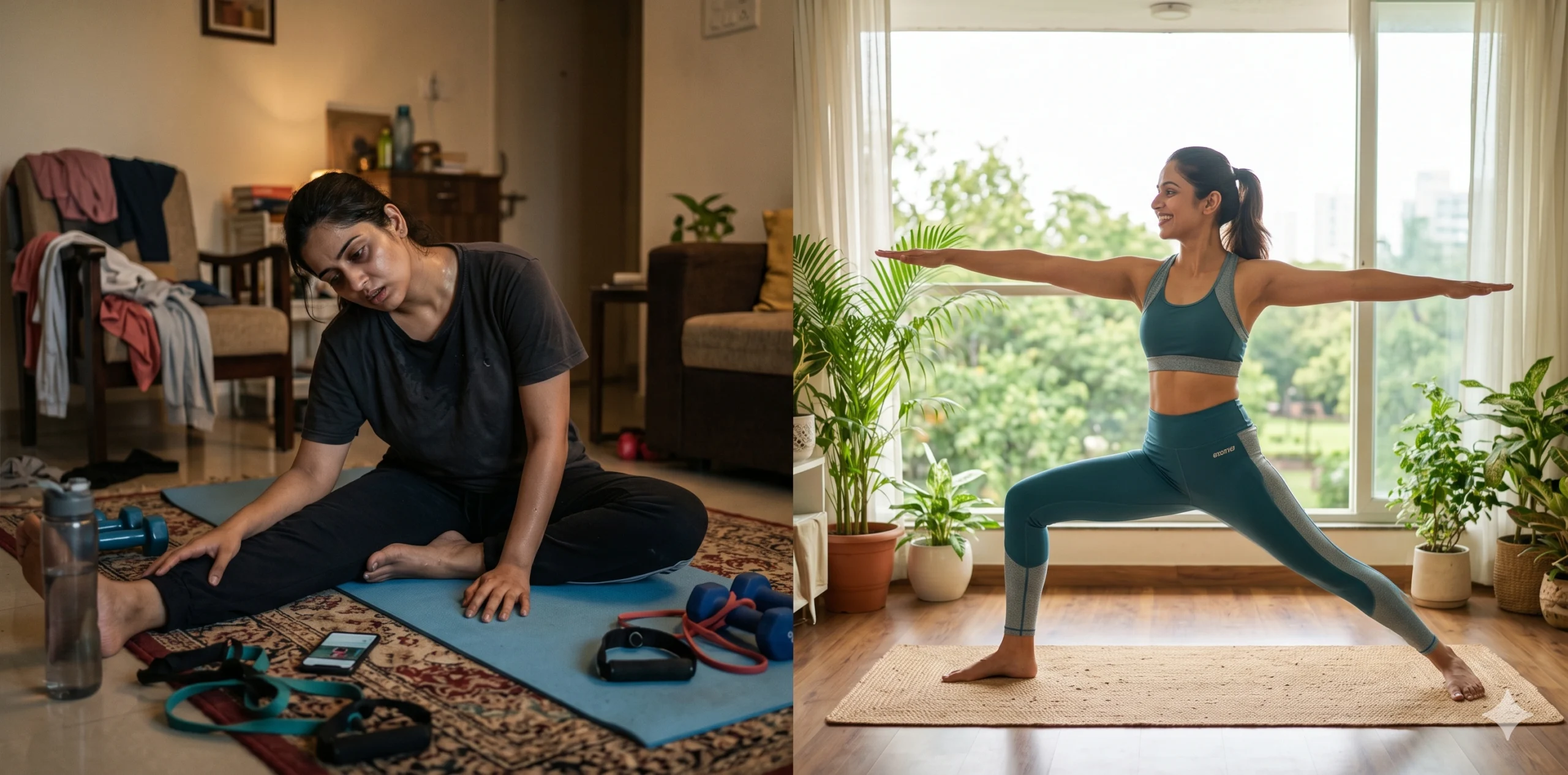
10 Simple Fitness Tips to Stay Active and Healthy
1. Start With Daily Movement
You do not have to begin with a difficult workout. Start by adding more movement to your normal day.
Simple options include:
- Walking after meals
- Taking the stairs when suitable
- Doing household chores
- Stretching between work sessions
- Walking while speaking on the phone
- Gardening
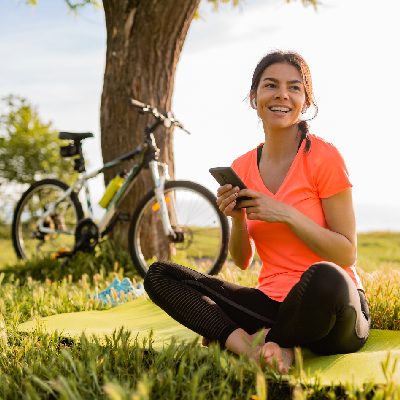
- Cycling for short distances
- Playing an active game with family
If you have been inactive, gradually increasing activity can make the routine easier to maintain.
One of the most practical fitness tips is to focus on consistency instead of trying to do too much in the beginning.
2. Choose Activities You Enjoy
Exercise becomes easier to maintain when you enjoy the activity.
Some people may prefer brisk walking, while others may enjoy dancing, swimming, cycling, yoga, sports, or strength training.
Try different activities and notice what fits your lifestyle.
You can also change your routine throughout the week. For example:
- Monday: Brisk walking
- Tuesday: Strength exercises
- Wednesday: Light stretching
- Thursday: Cycling
- Friday: Brisk walking
- Saturday: Yoga or recreational activity
- Sunday: Rest or gentle movement
The goal is to build an active routine that feels practical rather than stressful.
3. Add Strength Exercises
Strength training is useful for building and maintaining muscle strength. It can include bodyweight exercises, resistance bands, weights, or other suitable forms of resistance.
Beginners can start with simple movements such as:
- Squats
- Wall push-ups
- Glute bridges
- Step-ups
- Resistance-band exercises
- Light weight exercises
Focus on proper movement rather than lifting heavy weights immediately.
For more beginner-friendly guidance, read Effective Fitness Tips for Beginners to Build Strength on GoHealthyPro.
For adults, the CDC recommends muscle-strengthening activities on at least 2 days each week.
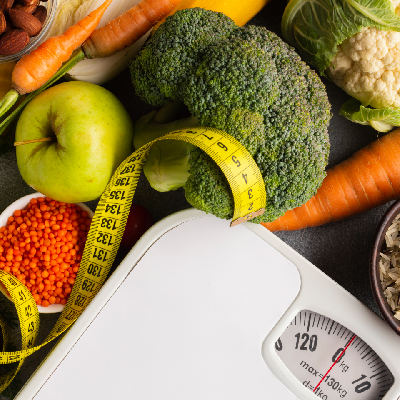
4. Eat a Balanced Diet
Exercise works alongside good nutrition. A balanced diet can provide the energy and nutrients needed for everyday activities.
Include a variety of foods such as:
- Vegetables
- Fruits
- Whole grains
- Pulses and beans
- Eggs
- Fish or lean meat
- Milk, yoghurt, or suitable alternatives
- Nuts and seeds
- Healthy sources of fats
Indian meals can also fit into a healthy lifestyle. Dal, rajma, chana, vegetables, roti, brown rice, curd, fruits, nuts, and seeds can all be part of balanced meals.
Try to avoid making your diet overly restrictive. Instead, focus on variety, reasonable portions, and regular meals.
5. Stay Hydrated
Water is important for normal body functions, especially when you are physically active or spending time in hot weather.
Keep water available during the day and drink regularly according to your needs.
Hydration can be especially important during exercise. However, fluid needs can vary depending on factors such as activity level, weather, diet, and individual circumstances.
During pregnancy, hydration is also an important part of general pregnancy care. Pregnant people should discuss individual fluid and nutrition needs with their qualified healthcare professional when necessary.
6. Make Exercise Safe During Pregnancy
Pregnancy can bring significant physical and emotional changes, so fitness routines may need to be adapted.
For healthy pregnant women, moderate-intensity physical activity is generally considered safe, and CDC guidance recommends 150 minutes of moderate-intensity aerobic activity per week during pregnancy and the postpartum period. Examples include activities such as brisk walking, some forms of yoga, water aerobics, and cycling.
However, pregnancy exercise should not be treated as a one-size-fits-all routine.
Useful pregnancy fitness tips include:
- Choose activities that are appropriate for your pregnancy.
- Increase activity gradually if you are starting.
- Stay hydrated.
- Avoid overheating.
- Pay attention to how your body feels.
- Discuss exercise changes with your healthcare professional.
- Follow any activity restrictions provided during prenatal care.
People who were already active before pregnancy may be able to continue some activities, but exercise intensity and type may need adjustment. Professional guidance is particularly important when there are pregnancy-related concerns or medical conditions.
7. Prioritise Prenatal Care
Fitness is only one part of a healthy pregnancy. Prenatal care helps monitor pregnancy progress and provides an opportunity to discuss nutrition, physical activity, supplements, vaccinations, symptoms, and other pregnancy-related concerns.
Regular appointments can help a qualified healthcare professional provide advice based on the individual’s circumstances.
Healthy pregnancy habits may include:
- Eating a varied and nutritious diet
- Staying appropriately active
- Drinking enough fluids
- Getting sufficient rest
- Attending recommended prenatal appointments
- Avoiding tobacco and other harmful substances
- Following professional advice about medicines and supplements
Pregnancy care should always be personalised by a qualified healthcare professional rather than based only on general online fitness advice.
8. Get Enough Sleep and Recovery
Exercise is only one part of fitness. Rest and recovery are also important.
A busy lifestyle can make it tempting to sacrifice sleep to fit in exercise, work, studies, or household responsibilities. However, creating a regular sleep routine can support overall wellbeing.
Helpful habits include:
- Keeping a consistent sleep schedule
- Reducing unnecessary screen time before bed
- Creating a comfortable sleeping environment
- Avoiding very heavy meals close to bedtime
- Allowing enough time for rest
Recovery also means giving your body time between demanding workouts.
If your muscles feel excessively tired after exercise, consider reducing intensity or allowing more recovery time.
9. Support Emotional Wellbeing
A healthy lifestyle includes mental and emotional wellbeing. Work pressure, family responsibilities, studies, pregnancy, financial concerns, and other life changes can affect daily routines and motivation.
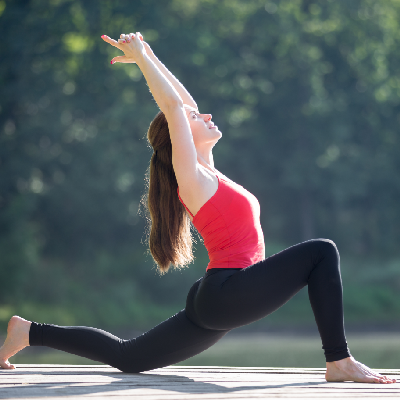
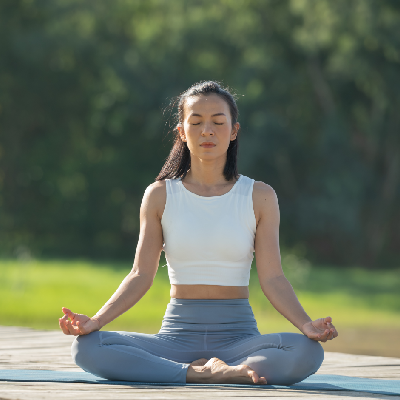
Movement can be one part of a broader wellbeing routine. Walking outdoors, practising gentle yoga, stretching, spending time with supportive people, or taking short breaks may help create a healthier daily rhythm.
Some current CDC information also notes that physical activity can support mental health and sleep.
However, exercise should not be presented as a replacement for professional mental health support when someone needs it.
During pregnancy and the postpartum period, emotional wellbeing deserves particular attention. People experiencing ongoing emotional difficulties should speak with a qualified healthcare professional.
10. Build Habits You Can Maintain
One of the most important fitness tips is to avoid creating a routine that is too difficult to maintain.
Instead of planning intense workouts every day, start with realistic goals.
For example:
Beginner goal:
- 15 to 20 minutes of walking
- Two short strength sessions each week
- Daily stretching
- Regular water intake
- Consistent sleep routine
As your routine becomes comfortable, you can gradually increase activity.
Fitness is not about following a perfect schedule every day. It is about developing healthy habits that can fit into your lifestyle over time.
Starting a fitness routine can feel confusing when there are many different workout styles available. Following simple fitness tips for beginners can help you build a routine gradually without feeling overwhelmed.
Keep the beginning simple and focus on activities that fit your current fitness level and daily schedule.
Start Slowly
If you have not exercised regularly, begin with activities such as walking, gentle cycling, basic strength exercises, or stretching.
Gradually increase the duration or intensity rather than trying to complete an advanced workout immediately. Starting slowly can make it easier to develop a consistent exercise routine.
Learn Basic Movement Patterns
As part of your fitness tips for beginners, focus on learning basic movement patterns such as:
- Squatting
- Pushing
- Pulling
- Bending
- Stepping
- Carrying
Learning these movements can help create a foundation for future exercise routines.
Track Your Routine
Keeping a simple record can help you understand your activity patterns. You can record:
- Walking time
- Strength-training days
- Stretching sessions
- Sleep schedule
- Water intake
- General energy levels
Tracking your routine can help you stay aware of your progress without turning fitness into an unhealthy competition.
Stay Consistent
One of the most useful fitness tips for beginners is to focus on consistency rather than perfection. A short walk or simple workout that you can repeat regularly may be easier to maintain than an intense routine that quickly becomes difficult to follow.
Choose realistic activities, make time for recovery, and gradually build your routine as you become more comfortable with regular movement.
Safe Exercise During Pregnancy and Postpartum
Pregnancy and postpartum exercise require special consideration.
For healthy pregnant and postpartum women, CDC guidance supports moderate-intensity physical activity, with a general target of 150 minutes per week. However, individuals should discuss whether and how to adjust activity during pregnancy and after childbirth with their healthcare professional.
Activities that may be suitable for some healthy pregnant people include:
- Walking
- Some forms of prenatal yoga
- Swimming or water-based exercise
- Suitable cycling
- Light to moderate strengthening exercises when appropriate
Exercise choices should be adjusted according to pregnancy stage, previous activity level, symptoms, and professional guidance.
Do not use general online fitness advice to replace prenatal care.
How to Create a Simple Healthy Lifestyle Routine?
A healthy lifestyle does not need to be complicated.
A simple day might include:
Morning
- Drink water
- Eat a balanced breakfast
- Do light stretching or walking
- Plan meals for the day
Afternoon
- Choose a nutritious lunch
- Take short movement breaks
- Stay hydrated
- Avoid sitting continuously for long periods
Evening
- Take a walk or complete a suitable workout
- Eat a balanced dinner
- Spend time relaxing
- Reduce unnecessary screen use before sleep
Night
- Follow a regular sleep schedule
- Prepare for the next day
- Allow enough time for rest
This type of routine can be adjusted according to work, studies, family responsibilities, pregnancy, and individual lifestyle needs.
Common Fitness Mistakes to Avoid
Even well-intentioned people can make mistakes when starting a fitness routine.
Doing Too Much Too Soon
Suddenly increasing exercise can make a routine difficult to maintain. Start gradually.
Ignoring Recovery
Rest is part of a balanced fitness routine. Give your body enough time to recover between demanding sessions.
Focusing Only on Exercise
Fitness also includes nutrition, hydration, sleep, stress management, and everyday movement.
Comparing Your Progress
Fitness levels differ from person to person. Compare your routine with your own previous habits rather than using someone else’s progress as your standard.
Following Unverified Fitness Trends
Social media can contain conflicting exercise and nutrition information. Use reliable health organisations and qualified professionals when you need evidence-based guidance.