


Planning for pregnancy can be an important step towards building healthy lifestyle habits before conception and throughout pregnancy. Following practical pregnancy care tips can help women understand the importance of nutrition, hydration, physical activity, sleep, prenatal care and emotional wellbeing. Every pregnancy is different, so individual needs and health considerations should be discussed with a qualified healthcare professional.
Pregnancy planning is not only about preparing for conception. It can also involve reviewing existing health conditions, discussing medicines with a healthcare professional, building a balanced eating pattern and creating a supportive environment. The Centers for Disease Control and Prevention (CDC) recommends discussing health history and getting appropriate care before pregnancy.
Pregnancy Care Tips to Consider Before Conception
Good preparation can make it easier to develop healthy habits before pregnancy. A pre-pregnancy health discussion with a qualified healthcare professional can provide an opportunity to review health history, medicines, vaccinations and lifestyle factors.
Some useful steps include:
- Discuss your pregnancy plans with a qualified healthcare professional.
- Review any existing health concerns with your healthcare provider.
- Discuss medicines, supplements and herbal products before making changes.
- Follow a balanced eating pattern.
- Stay physically active according to your individual needs.
- Avoid smoking and alcohol.
- Maintain good sleep habits.
- Manage stress through healthy coping strategies.
- Ask about recommended vaccinations and health checks.
The CDC recommends that people planning pregnancy get appropriate health care and take steps such as avoiding alcohol, smoking and certain drugs. It also recommends 400 micrograms of folic acid daily for women who could become pregnant.
Pregnancy planning means preparing physically, emotionally and practically for a possible pregnancy. It does not mean that every pregnancy can be planned in detail. Instead, it focuses on making informed health and lifestyle choices before conception. The World Health Organization’s guidance on antenatal care provides evidence-based information on pregnancy care, maternal health, nutrition and physical activity.
Planning may include:
- Understanding your general health history
- Discussing pregnancy with a healthcare professional
- Reviewing current medicines and supplements
- Improving everyday nutrition
- Developing regular physical activity habits
- Reducing exposure to harmful substances
- Preparing emotionally and financially
- Building a support system
It is also useful to understand that pregnancy needs can vary widely. Advice that is suitable for one person may not be appropriate for another.
Pregnancy Diet and Important Nutrients
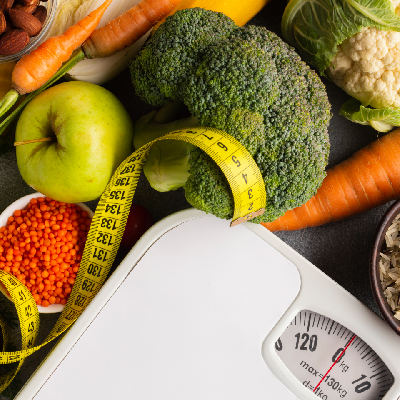
A balanced pregnancy diet can provide a variety of nutrients needed during pregnancy. Instead of focusing on one particular food, aim for variety across meals.
A balanced eating pattern can include:
- Vegetables and leafy greens
- Fresh fruits
- Whole grains
- Dal, beans and pulses
- Eggs, fish, chicken or other suitable protein sources
- Milk, curd and other pasteurised dairy products
- Nuts and seeds
- Healthy sources of fats
The WHO guidance on nutrition during pregnancy recommends a healthy and varied diet that provides adequate energy, protein, vitamins and minerals. It highlights foods such as vegetables, fruits, beans, nuts, meat, fish and pasteurised dairy products.
Folate and Folic Acid
Folate is a B vitamin found naturally in foods such as leafy green vegetables, beans and oranges. Folic acid is a form of folate used in fortified foods and supplements.
The CDC recommends 400 micrograms of folic acid daily for women who could become pregnant because adequate intake can help prevent some serious neural tube defects.
Because individual requirements can vary, discuss folic acid and other supplements with a qualified healthcare professional.
Iron
Iron supports normal blood functions and is an important nutrient during pregnancy. Food sources include:
- Lentils and dal
- Beans
- Green leafy vegetables
- Eggs
- Meat and poultry
- Fortified foods
A healthcare professional can advise whether additional iron is appropriate based on individual circumstances.
Calcium and Vitamin D
Calcium contributes to normal bone health, while vitamin D helps the body use calcium and supports other normal functions.
Food sources of calcium can include:
- Milk
- Curd
- Paneer
- Some fortified foods
- Certain leafy vegetables
Vitamin D can be obtained through certain foods and sunlight exposure, although the amount obtained from sunlight varies. Supplement needs should be discussed with a healthcare professional rather than self-prescribed.
Protein
Protein is an important part of a balanced pregnancy diet. Suitable sources can include dal, beans, chickpeas, eggs, dairy products, soy foods, fish, chicken, nuts and seeds.
Try to include a source of protein with regular meals while maintaining overall dietary variety.
Hydration During Pregnancy
Hydration is an important part of everyday pregnancy health. Water is a simple choice for regular fluid intake.
You can support hydration by:
- Keeping water available throughout the day
- Drinking regularly rather than waiting until you are very thirsty
- Including water-rich foods such as fruits and vegetables
- Limiting highly sugary drinks
- Paying attention to fluid needs during hot weather
Fluid needs can vary depending on individual circumstances, activity, weather and healthcare advice. If you experience persistent vomiting, difficulty keeping fluids down or other concerning symptoms, speak with a qualified healthcare professional.
Pregnancy Exercise and Fitness Tips
Physical activity can be part of a healthy pregnancy for many people, but the appropriate type and intensity can vary. This is why pregnancy exercise should be considered according to individual health circumstances and professional guidance.
Useful fitness tips may include choosing comfortable activities and avoiding sudden increases in exercise intensity.
Depending on individual circumstances, activities may include:
- Walking
- Gentle stretching
- Prenatal movement classes
- Swimming
- Low-impact activities
- Other exercises approved by a healthcare professional
WHO includes counselling about healthy eating and physical activity as part of antenatal care.
Exercise Safety During Pregnancy
Before starting a new exercise programme during pregnancy, discuss it with a qualified healthcare professional, especially if you were not regularly active before pregnancy or have specific health concerns.
Some practical habits include:
- Start gradually when appropriate.
- Stay hydrated.
- Wear comfortable clothing and suitable footwear.
- Avoid exercising in excessive heat.
- Take breaks when needed.
- Focus on comfortable movement rather than performance.
- Stop and seek professional advice if you experience symptoms.
The goal is to support general health and wellbeing rather than chase a particular body shape or fitness target.
Sleep and Rest During Pregnancy
Pregnancy can bring physical and emotional changes that may affect sleep. Good sleep habits can support overall wellbeing.
Try to maintain a consistent sleep schedule where possible. A relaxing bedtime routine, comfortable sleeping environment and reduced screen use before bed may help create better sleep habits.
Rest during the day can also be useful when you feel tired. Avoid comparing your energy levels with those of other pregnant women because experiences can vary.
If sleep problems become persistent or significantly affect daily life, discuss them with a healthcare professional.
Importance of Prenatal Care and Check-Ups
Regular prenatal care is an important part of pregnancy health. Antenatal appointments allow healthcare professionals to monitor pregnancy progress, discuss nutrition and lifestyle, provide appropriate screening and address questions or concerns.
WHO describes antenatal care as regular contact with skilled health professionals during pregnancy and recommends a structured schedule of contacts throughout pregnancy.
During prenatal appointments, healthcare professionals may discuss areas such as:
- Maternal health
- Fetal development
- Nutrition
- Physical activity
- Vaccinations
- Screening and tests
- Common pregnancy symptoms
- Emotional wellbeing
- Birth preparation
Keep your prenatal appointments and follow the schedule recommended by your healthcare provider.
Pregnancy and Women’s Health Tips for Different Stages
Pregnancy changes over time, so your routine may also need to change.
First Trimester
The first trimester can bring tiredness, nausea and changes in appetite. Focus on hydration, nutritious food and adequate rest.
Pregnancy planning habits such as avoiding alcohol and smoking, taking recommended supplements and arranging prenatal care are particularly important during this stage.
Second Trimester
Some people experience changes in energy and appetite during the second trimester. Continue focusing on balanced meals, appropriate physical activity, hydration and regular prenatal care.
Gentle movement can help maintain an active lifestyle when it is suitable for your individual situation.
Third Trimester
The third trimester may bring increased physical discomfort and tiredness. Rest, comfortable movement, hydration and balanced nutrition remain important.
Your healthcare provider can guide you about changes in activity, appointments and preparation for labour and delivery.
Emotional Wellbeing During Pregnancy
Pregnancy can bring many emotions. Happiness, excitement, worry and uncertainty can all occur during this period.
Emotional wellbeing deserves the same attention as physical health.
Helpful habits may include:
- Talking openly with a trusted person
- Staying connected with supportive family or friends
- Taking time for relaxation
- Maintaining enjoyable hobbies when possible
- Getting enough rest
- Asking for professional support when needed
Do not feel that you have to manage significant emotional difficulties alone. A qualified healthcare or mental health professional can provide appropriate support.
Healthy Weight and Lifestyle Habits
Pregnancy is not the right time to follow restrictive diets simply to control body weight. Healthy eating should focus on adequate nutrition and variety.
Healthy lifestyle habits can include:
- Eating regular balanced meals
- Staying hydrated
- Remaining physically active when appropriate
- Getting enough sleep
- Avoiding smoking and alcohol
- Attending prenatal appointments
- Following professional advice
- Maintaining supportive relationships
Weight changes during pregnancy can vary between individuals. A healthcare professional can provide personalised guidance based on your health and pregnancy.
Avoid Smoking, Alcohol and Harmful Substances
Avoiding harmful substances is an important part of pregnancy health.
The CDC states that alcohol use during pregnancy can be harmful and that there is no known safe amount or safe time for alcohol use during pregnancy.
Smoking and exposure to tobacco smoke can also create health risks during pregnancy. Discuss support options with a qualified healthcare professional if stopping tobacco or another substance is difficult.
Do not start, stop or change medicines or supplements without professional guidance.
Food Safety and Hygiene During Pregnancy
Food safety becomes an important part of pregnancy nutrition. Good food-handling habits can reduce exposure to certain foodborne infections.
Useful habits include:
- Wash fruits and vegetables properly.
- Keep raw and cooked foods separate.
- Cook meat, eggs and other foods appropriately.
- Choose pasteurised dairy products.
- Store perishable food safely.
- Wash hands before preparing or eating food.
- Avoid foods or drinks that your healthcare professional has advised you to avoid.
WHO’s antenatal care recommendations include nutrition counselling and preventive care as important components of pregnancy care.
Preparing for Common Pregnancy Changes
Pregnancy can involve changes such as nausea, tiredness, heartburn, constipation, back discomfort and changes in appetite. These experiences vary from person to person.
Rather than trying to manage every symptom yourself, discuss persistent or concerning symptoms with a healthcare professional.
Simple lifestyle habits such as balanced meals, adequate fluids, gentle activity and sufficient rest may support general comfort, but they should not replace professional assessment when needed.
When to Seek Professional Medical Advice?
Knowing when to contact a healthcare professional is an important part of pregnancy care.
Seek professional advice if you have concerns about your health, pregnancy symptoms, medicines, nutrition, exercise or emotional wellbeing.
Urgent medical attention may be appropriate for serious or unusual symptoms such as significant bleeding, severe abdominal pain, difficulty breathing, fainting, severe headache, sudden vision changes or other symptoms that concern you.
This list is not complete. If something feels unusual or concerning, contact your healthcare provider for appropriate guidance.
Building Healthy Pregnancy Habits
Healthy pregnancy habits do not need to be complicated. Small, consistent choices can support general wellbeing.
Try to build a daily routine that includes:
- Nutritious meals
- Adequate fluids
- Suitable physical activity
- Regular rest
- Good sleep habits
- Prenatal appointments
- Emotional support
- Safe food practices
- Avoidance of tobacco and alcohol
Family members can also play a helpful role by supporting healthy meals, appointments, rest and emotional wellbeing.
Frequently Asked Questions
What are important pregnancy care tips before conception?
Important steps can include discussing pregnancy plans with a healthcare professional, reviewing medicines and health conditions, following a balanced diet, maintaining suitable physical activity, avoiding alcohol and smoking, and discussing folic acid and vaccinations with a healthcare provider.
What should a pregnancy diet include?
A balanced pregnancy diet can include vegetables, fruits, whole grains, pulses, beans, protein-rich foods, nuts, seeds and suitable dairy products. Individual dietary needs vary, so personalised nutrition advice should come from a qualified healthcare professional.
Can I exercise during pregnancy?
Many people can remain physically active during pregnancy, but the appropriate activity depends on individual circumstances. Discuss your exercise plans with a qualified healthcare professional, particularly before starting a new routine.
Why is prenatal care important?
Prenatal care provides opportunities for healthcare professionals to monitor pregnancy, discuss nutrition and lifestyle, provide recommended screening and address health concerns. WHO considers regular antenatal care an important component of maternity care.
Conclusion
Pregnancy planning and healthy lifestyle habits can help create a supportive foundation for pregnancy. Practical pregnancy care tips include eating a varied and balanced diet, staying hydrated, following suitable physical activity, getting enough rest, attending prenatal check-ups and caring for emotional wellbeing.
Pregnancy needs can change from one person to another and across different stages. The most useful approach is to build healthy everyday habits while working with a qualified healthcare professional for individual guidance.
GoHealthyPro provides general health and wellness information to help readers understand pregnancy planning, nutrition and healthy lifestyle habits.
Health Disclaimer
This article is intended for general educational and informational purposes only. It is not a substitute for medical advice, diagnosis or treatment. Pregnancy needs vary between individuals. Consult a qualified healthcare professional or gynaecologist for personalised advice about pregnancy planning, nutrition, exercise, medicines, symptoms, prenatal care or any other pregnancy-related concern.
GoHealthyPro is a general health and wellness information website and is not a medical provider, doctor, dietitian, nutritionist or healthcare adviser.