


Introduction
Pollution has become a common part of modern life, especially in busy cities and areas with heavy traffic, construction, industrial activity and seasonal smoke. Following practical health wellness tips can help people make better everyday choices and reduce unnecessary exposure to polluted air. Small habits such as checking air quality, improving indoor ventilation, choosing suitable outdoor activity times and maintaining good personal hygiene can support a healthier lifestyle.
Air pollution refers to harmful substances present in the air around us. These pollutants can come from vehicles, factories, construction, burning waste, household activities and other sources. The World Health Organization identifies particulate matter, carbon monoxide, ozone, nitrogen dioxide and sulphur dioxide among pollutants of major public health concern.
Understanding pollution and making simple lifestyle adjustments can help you become more aware of your surroundings. This guide shares practical health wellness tips that can be included in a daily routine without making unnecessary or unrealistic changes.
What Is Pollution and Why Does It Matter?
Pollution occurs when harmful substances enter the environment and affect air, water or land. Air pollution is particularly important because people breathe continuously throughout the day.
Outdoor air pollution can come from road traffic, industrial emissions, construction dust, agricultural activities and the burning of fuels or waste. Indoor pollution can come from cooking smoke, tobacco smoke, cleaning products, poor ventilation and other household sources.
You can learn more about the different forms and effects of pollution through the Wikipedia overview of pollution.
The level and type of exposure can vary depending on where you live, your daily activities and the quality of the air around you. WHO reports that air pollution is associated with respiratory and cardiovascular health problems and remains a major environmental health risk.
This is why awareness and practical prevention habits matter.
Health Wellness Tips to Reduce Pollution Exposure
You cannot always control the air quality around you, but you can make practical choices to reduce unnecessary exposure.
Some useful health wellness tips include:
- Check local air quality before spending long periods outdoors.
- Avoid unnecessary outdoor activity when pollution levels are particularly high.
- Keep windows and doors closed when outdoor air quality is poor, where practical.
- Improve indoor ventilation when outdoor conditions are suitable.
- Avoid burning waste or other materials around the home.
- Keep indoor spaces clean and reduce dust buildup.
- Follow appropriate precautions when travelling through busy traffic areas.
- Use suitable protective equipment when recommended for particular environments.
- Maintain healthy lifestyle habits that support general wellbeing.
These steps do not completely eliminate exposure, but they can help you make more informed daily choices.
1. Check the Air Quality Before Going Outdoors
One of the simplest ways to manage pollution exposure is to check the local air quality before planning outdoor activities.
Air quality can change during the day because of traffic, weather conditions, wind, temperature and other environmental factors. Checking a reliable air quality monitoring service can help you decide whether to exercise outdoors, postpone an activity or choose a less polluted location.
If air quality is poor, consider reducing the amount of time you spend outdoors, particularly for activities that involve prolonged or strenuous exertion.
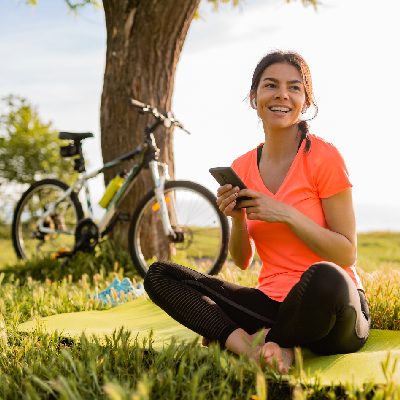
This habit can be especially useful for people who regularly walk, run, cycle or exercise outdoors.
2. Choose Outdoor Activities Carefully
Physical activity is an important part of a healthy lifestyle, but outdoor exercise during periods of poor air quality may increase exposure because breathing becomes deeper and faster during exercise.
Instead of completely stopping your normal routine, consider adjusting it according to the air quality and your personal circumstances.
You may:
- Exercise indoors when pollution levels are high.
- Choose quieter areas away from heavy traffic.
- Exercise during periods when air quality is better.
- Select gentle activities when outdoor conditions are less favourable.
- Reduce the duration of outdoor exercise when necessary.
People with existing health conditions should discuss appropriate activity levels with a qualified healthcare professional.
3. Use a Suitable Mask When Necessary
A suitable mask can be useful in some situations involving airborne particles, but not every mask provides the same level of protection.
When pollution levels are high, particularly in areas affected by dust, smoke or fine particles, follow guidance from relevant health authorities regarding suitable protective equipment.
A mask should fit properly and be used according to the manufacturer’s instructions. It should not create a false sense of complete protection from all pollutants.
People who have difficulty breathing while wearing a particular type of mask should seek appropriate professional guidance.
4. Improve Indoor Air Quality
Staying indoors does not automatically mean you are completely protected from pollution. Indoor air can also contain pollutants from cooking, smoke, dust, cleaning products and other sources.
Good indoor air habits can include:
- Keeping indoor areas clean.
- Reducing unnecessary dust.
- Avoiding smoking indoors.
- Maintaining cooking ventilation.
- Using cleaner cooking fuels where available.
- Keeping air-conditioning and ventilation systems maintained.
- Avoiding unnecessary use of products that release strong fumes.
- Ventilating rooms when outdoor air quality is suitable.
Household air pollution can be a significant source of exposure. WHO notes that polluting household fuels and technologies can generate harmful particles and other pollutants, particularly where ventilation is poor.
5. Keep Your Home Clean and Well Maintained
Dust and indoor pollutants can build up when rooms are not cleaned regularly.
Simple cleaning habits can help maintain a more comfortable indoor environment.
Consider:
- Dusting surfaces regularly.
- Cleaning floors and frequently touched areas.
- Washing bedding regularly.
- Keeping cooking areas clean.
- Removing visible mould or dampness appropriately.
- Keeping clutter under control.
- Cleaning or replacing filters according to appliance instructions.
Avoid creating additional airborne dust while cleaning. Where appropriate, use methods that minimise the amount of dust becoming airborne.
6. Stay Hydrated
Drinking enough water is an important part of general wellness. Hydration does not remove pollution from the body or prevent pollution-related health effects, but maintaining normal fluid intake supports everyday health.
Your hydration needs can change depending on weather, activity levels, diet and individual circumstances.
Simple habits include:
- Carrying a reusable water bottle.
- Drinking water regularly throughout the day.
- Increasing attention to hydration during hot weather.
- Including water-rich foods as part of a balanced diet.
Avoid treating water or any particular drink as a cure for pollution exposure. Good hydration should be viewed as one part of a broader healthy lifestyle.
7. Follow a Balanced and Nutritious Diet
A balanced diet supports general health and helps the body receive essential nutrients.
Include a variety of foods such as:
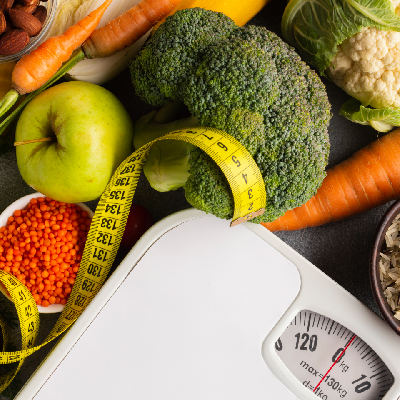
- Fresh vegetables
- Fruits
- Whole grains
- Pulses and legumes
- Nuts and seeds
- Protein-rich foods
- Healthy sources of fats
- Adequate fluids
No single food can completely protect a person from pollution. Instead, focus on maintaining a varied and balanced eating pattern.
A healthy diet can work alongside other health wellness tips, including regular movement, adequate sleep and good personal hygiene.
8. Maintain Personal Hygiene After Outdoor Exposure
Pollution particles and dust can settle on clothing, hair and exposed skin after spending time outdoors.
Simple hygiene habits can help you feel cleaner after returning home.
You can:
- Wash your hands after coming indoors.
- Wash your face if it has been exposed to dust or pollution.
- Change clothes after prolonged outdoor exposure.
- Shower after spending extended periods in dusty or smoky environments.
- Keep outdoor footwear away from sleeping areas.
- Clean frequently used personal items regularly.
These habits do not remove all health risks associated with pollution, but they can support general cleanliness and reduce the transfer of outdoor dust into indoor spaces.
9. Pay Attention to Children and Older Adults
Children and older adults may require additional attention during periods of poor air quality. WHO identifies children, pregnant women and older people among groups that can face greater risks from air pollution exposure.
Parents and caregivers can take practical steps such as:
- Checking air quality before outdoor play.
- Limiting unnecessary outdoor exposure during poor air quality.
- Choosing indoor activities when conditions are unsuitable.
- Keeping indoor areas clean and adequately ventilated when outdoor conditions allow.
- Following professional advice when a child or older adult has specific health concerns.
Avoid making assumptions about individual risk. If you are concerned about a person’s health, consult a qualified healthcare professional.
How to Stay Active During Poor Air Quality?
Exercise remains an important part of a healthy lifestyle, but the environment matters.
When outdoor pollution is high, consider moving your activity indoors. Depending on your abilities and circumstances, options may include:
- Indoor walking
- Gentle stretching
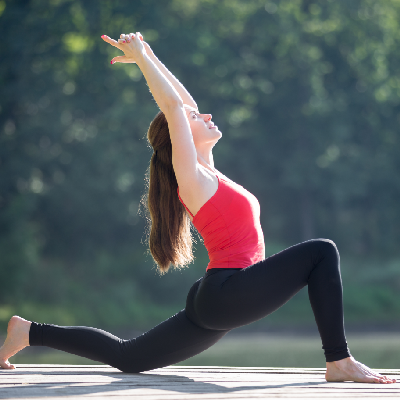
- Yoga
- Mobility exercises
- Home-based strength exercises
- Indoor recreational activities
If you exercise outdoors, check the air quality and consider reducing intensity or duration when conditions are poor.
People with existing respiratory, heart or other health concerns should ask a qualified healthcare professional about suitable physical activity.
Healthy Habits for Better Everyday Wellness
Pollution protection should not be viewed as a single action. It works better as part of a broader healthy lifestyle.
Useful daily habits include:
- Getting adequate sleep.
- Eating a balanced diet.
- Staying physically active in suitable conditions.
- Drinking enough water.
- Avoiding tobacco smoke.
- Keeping indoor spaces clean.
- Taking breaks from heavily polluted environments where possible.
- Monitoring local air quality.
- Managing stress through healthy relaxation activities.
- Following professional health advice when required.
These habits support general wellbeing while helping you become more aware of environmental factors.
What to Do When Pollution Levels Are Very High?
When air quality becomes particularly poor, consider reducing unnecessary exposure.
Practical steps may include:
- Check the latest local air quality information.
- Reduce prolonged outdoor activities.
- Move exercise indoors where possible.
- Keep indoor spaces appropriately protected from outdoor pollution.
- Avoid adding indoor pollutants through smoking, burning or poorly ventilated cooking.
- Follow guidance from local health or environmental authorities.
- Seek professional healthcare advice if you develop concerning symptoms.
Do not rely on home remedies as a substitute for professional medical advice when symptoms are serious or persistent.
Pollution and Everyday Lifestyle Choices
Many pollution-related decisions happen during ordinary activities.
For example, someone may choose to walk beside a busy road or take a quieter route. Someone exercising outdoors may check air quality before starting. A household may improve ventilation while cooking or choose cleaner cooking options where available.
These small decisions can become part of a practical wellness routine.
The goal is not to create fear around everyday activities. Instead, awareness allows you to make sensible choices based on environmental conditions.
How Health Wellness Tips Can Become a Daily Routine?
The best routine is one that is realistic and easy to maintain.
You can create a simple daily pollution-awareness routine:
Morning
Check the local air quality before planning outdoor activities.
During the Day
Avoid unnecessary time in heavily polluted areas when practical.
During Exercise
Choose indoor exercise or a cleaner outdoor location when air quality is poor.
After Coming Home
Wash your hands and face and change clothes if you have spent significant time outdoors in dusty conditions.
Evening
Keep indoor areas clean and maintain appropriate ventilation based on outdoor air quality.
Repeating these simple habits can make pollution awareness part of your everyday lifestyle.
When Should You Seek Professional Advice?
General Health Wellness Tips can support everyday awareness, but they should not replace professional medical advice.
If you experience concerning or persistent symptoms after significant pollution exposure, speak with a qualified healthcare professional. People with existing health conditions may also need individual guidance about exercise, outdoor exposure and other lifestyle choices.
Seek urgent medical attention when symptoms are severe or require immediate care.
The right advice can depend on factors such as age, existing health conditions, pregnancy, medication use, occupation and the type and level of pollution exposure.
Frequently Asked Questions
What are the best Health Wellness Tips for pollution?
Useful Health Wellness Tips include checking air quality, reducing unnecessary outdoor exposure during poor conditions, improving indoor air quality, maintaining personal hygiene, staying hydrated and following a balanced lifestyle.
Should I exercise outside when air pollution is high?
It may be sensible to reduce or avoid prolonged outdoor exercise when air quality is poor. Consider indoor activities instead and follow local air quality guidance. People with health conditions should discuss appropriate exercise with a qualified healthcare professional.
Does drinking water protect against air pollution?
Water is important for normal hydration and general wellbeing, but drinking water does not prevent or remove the health effects of air pollution. Hydration should be considered one part of a broader healthy lifestyle.
How can I reduce pollution inside my home?
Keep indoor spaces clean, avoid smoking indoors, use appropriate cooking ventilation, reduce sources of indoor smoke and maintain ventilation or filtration systems according to their instructions. Cleaner household energy sources can also help reduce household air pollution.
Can children go outside when pollution levels are high?
Outdoor activity decisions should take current air quality and the child’s individual circumstances into account. During periods of poor air quality, reducing prolonged outdoor exposure may be appropriate. Parents should seek professional advice if they have specific concerns about a child’s health.
Final Thoughts
Pollution is an environmental issue that can affect everyday wellbeing, but practical habits can help people make more informed choices about exposure. Checking air quality, adjusting outdoor activities, maintaining cleaner indoor spaces, practising good hygiene and following healthy lifestyle habits are useful steps.
The most effective approach is to combine different health wellness tips rather than depend on one action. Small changes can make pollution awareness a natural part of your daily routine.
GoHealthyPro shares general health and wellness information to help readers learn about practical lifestyle habits and make informed everyday choices. These tips are educational and should not replace advice from a qualified healthcare professional.
For personalised concerns, particularly if you have an existing health condition or develop persistent or severe symptoms after pollution exposure, consult an appropriate healthcare professional.
GoHealthyPro encourages readers to focus on realistic, healthy habits while staying aware of their environment. Understanding air quality and making sensible daily choices can help you take a more informed approach to general wellness.
Health Disclaimer
This article is provided for general educational and wellness information only. It does not provide medical diagnosis, treatment or personalised medical advice. Pollution affects people differently depending on factors such as exposure, age and existing health conditions. Consult a qualified healthcare professional for personalised advice, especially if you have a health condition or experience concerning symptoms.