


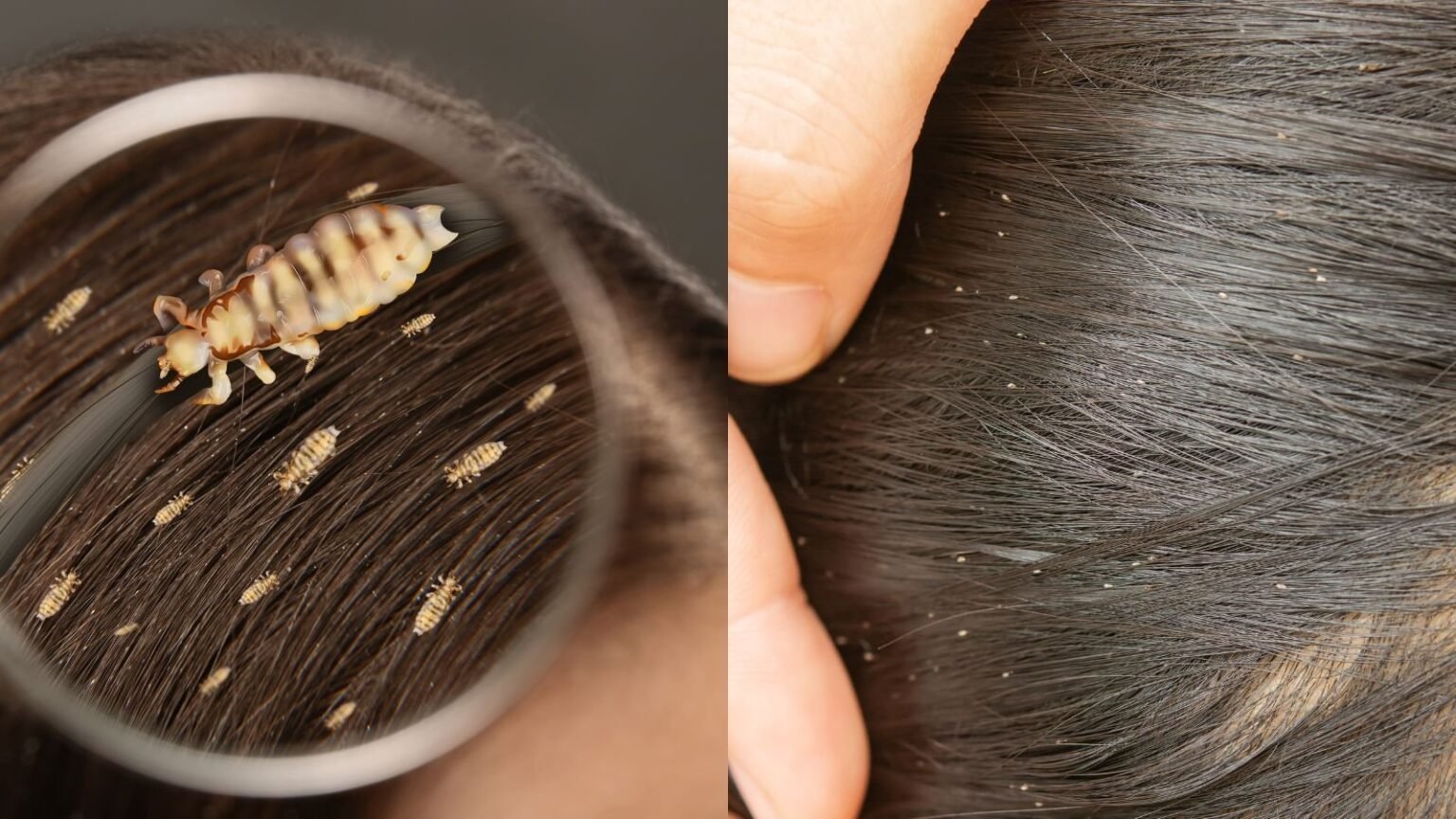
Head lice can cause an itchy and uncomfortable scalp, especially when the condition is left unnoticed for some time. These tiny insects live on the scalp and feed on small amounts of blood. Although head lice are common and usually not dangerous, they can be irritating and may spread easily through close head-to-head contact.
Many people search for head lice remedies that can help manage itching and support better scalp hygiene. Along with appropriate treatment, simple Hair Care Tips can help keep the scalp clean and reduce the chance of spreading lice to others.
This article provides general health information about head lice and common ways to manage them. It does not replace professional medical advice or recommend a specific treatment for an individual.
What Are Head Lice?
Head lice are tiny parasitic insects that live close to the scalp and feed on human blood. Adult lice are small and can be difficult to see, while their eggs, commonly called nits, attach firmly to individual hair strands near the scalp.
Common signs of head lice include:
- Persistent scalp itching
- A crawling or tickling sensation
- Small insects or eggs in the hair
- Irritated areas caused by scratching
- Difficulty sleeping because of itching
- Small sores from repeated scratching
Head lice do not mean that a person has poor hygiene. They can affect people with clean or unclean hair and are commonly spread through close contact.
Top 15 Head Lice Remedies and Care Tips
1. Use a Fine-Toothed Lice Comb
A fine-toothed lice comb is one of the commonly used methods for physically removing lice and nits.
Separate the hair into small sections and carefully comb from the scalp towards the ends. Wipe or rinse the comb after each pass to remove any lice or eggs.
Regular combing may need to be repeated because newly hatched lice can appear after the first round of removal.
2. Comb Wet Hair
Wet combing can make the hair easier to manage and may slow down the movement of lice.
Wash or dampen the hair and apply a suitable conditioner to make it easier to comb. Divide the hair into sections and carefully work through each section with a fine-toothed comb.
Take your time, especially around the scalp and behind the ears.
3. Check the Scalp in Bright Light
Good lighting can make it easier to identify lice and nits. Check the hair carefully, particularly around the hairline, behind the ears, and near the back of the neck.
Look for tiny moving insects or small eggs attached firmly to the hair close to the scalp.
Regular checking can also help you notice whether the problem is improving or continuing.
4. Wash Hair and Scalp Regularly
Regular hair washing is part of good scalp hygiene, although washing alone does not necessarily eliminate head lice.
Use a mild shampoo suitable for your hair type and avoid aggressive scrubbing if the scalp is already irritated from scratching.
Maintaining a clean scalp can also support overall hair and scalp health.
5. Wash Recently Used Bedding
Lice mainly spread through direct head-to-head contact, but recently used bedding, clothing, towels, and hair accessories may also need attention.
Wash recently used items according to their care instructions. Items that cannot be washed can be handled according to appropriate lice-control guidance.
Focus on items that have had recent contact with the affected person’s head.
6. Clean Hair Accessories
Combs, brushes, hair clips, bands, and other frequently used hair accessories should be cleaned regularly.
Avoid sharing these items with other people while dealing with head lice.
Keeping personal hair accessories separate is a simple hygiene habit that can help reduce unnecessary sharing.
7. Avoid Sharing Personal Hair Items
Head lice can spread through close contact, particularly when hair touches another person’s hair.
Avoid sharing:
- Combs
- Hairbrushes
- Hair clips
- Hair bands
- Caps
- Scarves
- Towels
Teaching children not to share personal hair accessories can be particularly useful because close contact is common during school and play.
8. Keep Long Hair Tied Back
Keeping long hair tied back may reduce unnecessary hair-to-hair contact, particularly in situations where head lice are spreading.
A simple braid, ponytail, or bun can help keep hair controlled.
This is a useful addition to your everyday Hair Care Tips, but tying hair does not eliminate an existing lice infestation.
9. Avoid Excessive Scratching
Head lice can cause considerable itching, but repeated scratching can irritate the scalp and may lead to small cuts.
Try to avoid scratching the affected areas with your fingernails. Keep fingernails short and clean, particularly for children.
If the scalp becomes very sore, swollen, or develops signs of infection, professional medical advice may be appropriate.
10. Use Appropriate Lice Treatments
Over-the-counter lice treatments are available in many places. Some contain ingredients specifically designed to kill lice.
Always read and follow the product instructions carefully. Different products have different directions, age restrictions, and precautions.
Do not use more product than recommended, and do not combine multiple lice treatments unless a healthcare professional advises you to do so.
11. Repeat Checking After Treatment
Finding and removing visible lice does not always mean that every egg has been removed.
Continue checking the scalp and hair after treatment according to the instructions for the product being used.
Regular inspection can help identify newly hatched lice and determine whether additional action may be needed.
12. Clean Frequently Used Items
Give attention to items that come into regular contact with the head, such as pillowcases, towels, hats, and hair accessories.
Follow the cleaning instructions for each item rather than using excessive heat or unsuitable cleaning products.
There is generally no need to use harsh chemicals around the home. Concentrate on recently used personal items.
13. Avoid Unverified Household Remedies
Many traditional remedies are promoted online for head lice. Some involve applying household oils, strong chemicals, or other substances to the scalp.
Not all of these methods are safe or effective. Products that are not intended for use on the scalp may cause irritation, allergic reactions, or other problems.
It is better to avoid using harsh household chemicals or unverified substances on the scalp.
14. Check Close Household Contacts
If one person has head lice, other household members may also have been exposed through close head-to-head contact.
Check the hair and scalp of people who have had close contact with the affected person, especially if they develop itching.
Avoid automatically treating everyone without checking or following appropriate product guidance.
15. Maintain Good Hair and Scalp Care
Once the immediate problem is being managed, continue following healthy scalp and hair habits.
Simple practices include:
- Washing hair according to your hair type
- Keeping combs and brushes clean
- Avoiding shared hair accessories
- Checking the scalp when itching continues
- Avoiding excessive scratching
- Keeping personal towels separate
These habits support general scalp hygiene and can form part of your regular Hair Care Tips routine.
What Should You Avoid When Managing Head Lice?
It is important to be careful when choosing head lice remedies. Some online suggestions may involve substances that are not designed for use on the scalp.
Avoid applying pesticides, cleaning chemicals, petrol, kerosene, or other dangerous household substances to the hair or scalp. These products can cause serious irritation and may be harmful if inhaled or absorbed through the skin.
You should also avoid excessive use of lice products. More product does not necessarily mean better results and may increase the risk of scalp irritation.
How Can You Help Prevent Head Lice From Spreading?
Head lice commonly spread through close head-to-head contact. Prevention therefore focuses mainly on reducing direct contact and avoiding the sharing of personal items.
Helpful habits include:
- Avoiding head-to-head contact when possible
- Not sharing combs or brushes
- Not sharing hats or scarves
- Keeping personal towels separate
- Checking household members when exposure occurs
- Teaching children about personal hair hygiene
There is no need to isolate someone unnecessarily because they have head lice. The main focus should be appropriate management and reducing close contact during an active infestation.
When Should You Seek Professional Advice?
Head lice are usually manageable, but professional advice may be helpful when the problem does not improve or the scalp becomes significantly irritated.
Consider speaking with a healthcare professional or pharmacist if:
- Lice remain after following treatment instructions
- The scalp becomes very sore
- Scratching causes open wounds
- You notice swelling or signs of infection
- You are unsure whether the problem is actually head lice
- A young child is affected and you are unsure which product is appropriate
- You have concerns about using a lice treatment
A professional can provide guidance based on the person’s age, symptoms, and circumstances.
Final Thoughts
Head lice can cause uncomfortable itching, but they are a common scalp concern that can usually be managed with appropriate care. Using a fine-toothed comb, checking the scalp carefully, cleaning recently used personal items, avoiding shared hair accessories, and following suitable treatment instructions can help manage the problem.
Good Hair Care Tips can also support everyday scalp hygiene and reduce unnecessary sharing of personal hair items. If symptoms continue, the scalp becomes damaged, or you are unsure about the appropriate treatment, consider speaking with a healthcare professional or pharmacist.
GoHealthyPro shares general health and wellness information to support health awareness and everyday wellbeing. This article is for educational purposes only and should not be used as a substitute for professional medical advice, diagnosis, or treatment.