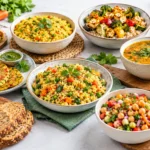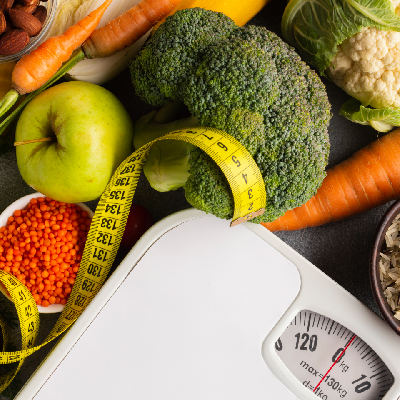



A diet plan for weight loss can help you organise balanced meals, choose nutritious foods, and develop healthy eating habits. A suitable eating pattern should include a variety of vegetables, fruits, whole grains, protein-rich foods, and healthy fats rather than focusing on extreme food restrictions.
Weight management is influenced by food choices, physical activity, sleep, daily habits, and overall lifestyle. The goal is to build a practical routine that you can maintain over time. This guide explains how to create healthy diet plans, plan balanced meals, and use healthy meal plans as part of a healthy lifestyle.
According to the World Health Organization’s healthy diet guidance, a healthy diet includes a variety of foods and should provide the nutrients needed for good health.
What Is a Diet Plan for Weight Loss?
A diet plan for weight loss is a structured approach to everyday eating that focuses on balanced food choices and appropriate portions. Instead of removing entire food groups, a balanced plan can include different types of nutritious foods.
A practical weight loss diet may include:
- Vegetables and fruits
- Whole grains
- Pulses, beans and lentils
- Eggs, fish, lean meat or other protein sources
- Milk, curd and other suitable dairy foods
- Nuts and seeds
- Healthy sources of dietary fat
- Adequate water
The exact amount of food required can vary between individuals. Factors such as age, activity level, dietary preferences and health needs can affect nutritional requirements.
How to Build a Balanced Diet Plan for Weight Loss?
Creating a balanced eating routine does not have to be complicated. Start by including different food groups in your meals and keeping portions appropriate for your needs.
Include More Vegetables
Vegetables provide fibre, vitamins, minerals and other nutrients. Try adding different coloured vegetables to your meals.
Examples include:
- Spinach
- Carrots
- Beans
- Cauliflower
- Broccoli
- Capsicum
- Tomatoes
- Cucumber
- Pumpkin
- Bottle gourd
You can include vegetables in sabzi, salads, soups, curries, wraps or mixed dishes.
Choose Whole Fruits
Whole fruits can be part of a balanced diet. They also provide fibre and nutrients.
Examples include:
- Apples
- Guava
- Oranges
- Papaya
- Bananas
- Pears
- Berries
- Watermelon
Choose whole fruit more often than sugary fruit-based drinks.
Add Protein-Rich Foods
Protein is an important part of a balanced diet. Vegetarian sources include:
- Dal
- Rajma
- Chickpeas
- Moong beans
- Paneer
- Curd
- Tofu
- Soy products
- Nuts and seeds
People who eat animal foods may also include eggs, fish, chicken or other suitable protein sources.
Choose Whole Grains
Whole grains can provide fibre and other nutrients. Examples include:
- Whole wheat roti
- Oats
- Brown rice
- Barley
- Millets
- Whole-grain bread
You do not necessarily need to remove rice or roti from your meals. Instead, focus on balanced portions and combine them with vegetables and protein-rich foods.
Healthy Foods for Weight Loss
There is no single food that automatically causes weight loss. A balanced diet can include a wide variety of nutritious foods.
Some useful choices include:
- Leafy green vegetables
- Cruciferous vegetables
- Fresh fruits
- Lentils and beans
- Oats
- Whole grains
- Curd
- Paneer
- Eggs
- Fish
- Nuts and seeds
The Harvard Healthy Eating Plate recommends building meals around vegetables and fruits, whole grains and healthy protein sources.
Healthy Diet Plans and Portion Control
Portion control can be an important part of healthy diet plans. Even nutritious foods can contribute more energy than needed when eaten in very large portions.
Simple portion habits include:
- Use a suitable-sized plate.
- Add vegetables to lunch and dinner.
- Include a source of protein with meals.
- Choose whole grains where possible.
- Eat slowly and pay attention to hunger and fullness.
- Limit frequent consumption of highly processed foods.
Portion needs differ from person to person, so avoid following another person’s portions as a personalised recommendation.
Protein, Fibre and Whole Grains in a Weight Loss Diet
Protein and fibre can help make meals more satisfying while also adding important nutrients to the diet.
Fibre-rich foods include:
- Vegetables
- Fruits
- Beans
- Lentils
- Whole grains
- Nuts
- Seeds
Protein-rich foods include:
- Dal
- Chickpeas
- Rajma
- Eggs
- Curd
- Paneer
- Tofu
- Fish
- Lean meat
Combining protein, fibre and whole grains can make everyday meals more balanced.
Healthy Fats and Their Role
Healthy fats can be included as part of a balanced diet. Sources include:
- Almonds
- Walnuts
- Peanuts
- Seeds
- Avocado
- Vegetable oils in suitable amounts
The goal is not to remove all fats from your diet. Instead, choose nutritious sources and pay attention to portion sizes.
Hydration and a Diet Plan for Weight Loss
Water is important for normal body functions. Staying hydrated can also support healthy daily habits.
Good choices include:
- Plain water
- Unsweetened drinks
- Water-rich fruits and vegetables
- Unsweetened herbal drinks
Sugary drinks can add extra sugar and calories to the diet, so they are best limited.
Healthy Meal Plans for Everyday Eating
Healthy meal plans can make it easier to organise meals and avoid relying too heavily on highly processed convenience foods.
A simple daily structure could include:
Breakfast:
A protein-rich food with whole grains and fruit or vegetables.
Lunch:
Dal, beans or another protein source with roti or rice, vegetables and salad.
Snack:
Fruit, curd, roasted chana or a small portion of nuts.
Dinner:
Vegetables with a protein source and a suitable portion of whole grains.
You can change the foods according to your preferences, availability and cultural eating habits.
How to Plan Your Weekly Meals?
Meal planning can make healthy eating more manageable.
Try these simple steps:
- Decide what meals you will prepare during the week.
- Make a shopping list based on those meals.
- Keep vegetables, fruits and protein-rich foods available.
- Prepare some ingredients in advance.
- Keep healthy snacks available.
- Use leftovers safely for another meal.
- Change recipes regularly to maintain variety.
Planning can also help reduce the need for last-minute food choices.
Calorie-Aware Eating Without Extreme Restriction
Weight loss generally involves an energy imbalance over time, but extreme calorie restriction is not necessary for everyone and may not be appropriate.
Instead of eliminating large numbers of foods, focus on:
- Balanced meals
- Suitable portions
- Nutrient-rich foods
- Regular physical activity
- Adequate sleep
- Consistent eating habits
Exercise and a Weight Loss Diet
Food choices are only one part of a healthy lifestyle. Regular physical activity can support overall health and weight management.
Activities can include:
- Walking
- Cycling
- Swimming
- Strength exercises
- Yoga
- Household activities
- Recreational sports
Choose activities that are appropriate for your fitness level and that you can maintain regularly.
Sleep and Healthy Lifestyle Habits
Sleep is another part of a healthy lifestyle. Maintaining a regular sleep schedule can support overall wellbeing.
Other useful habits include:
- Eating regular balanced meals
- Staying physically active
- Drinking enough water
- Managing stress
- Limiting highly processed foods
- Avoiding excessive sugary drinks
A healthy routine involves several habits working together rather than depending on one food or exercise.
Common Mistakes When Following a Weight Loss Diet
Some common mistakes include:
Skipping Meals Regularly
Skipping meals may make it harder for some people to maintain a consistent eating pattern.
Removing Entire Food Groups
Eliminating entire food groups without a nutritional reason can make a diet less varied.
Depending on Weight Loss Products
Weight loss products and supplements should not replace a balanced diet and healthy lifestyle.
Eating Too Little
Very restrictive eating patterns may be difficult to maintain and may not provide adequate nutrients.
Focusing Only on the Scale
Body weight is only one measure of health. Healthy habits and overall wellbeing are also important.

How Does Your Diet Affect Your Skin Health?
Your overall eating pattern can also be relevant to skin health. A balanced diet provides nutrients needed for normal body functions.
For more information, read How Does Your Diet Affect Your Skin Health? to learn more about the relationship between nutrition and skin health.
How to Make Your Diet Plan Sustainable?
A sustainable eating routine should fit your lifestyle rather than making everyday life unnecessarily difficult.
Consider these practical tips:
- Eat a variety of foods.
- Keep your favourite healthy foods in your routine.
- Allow flexibility for social occasions.
- Avoid expecting perfection.
- Focus on consistency.
- Prepare meals when you have time.
- Make gradual changes rather than changing everything at once.
A diet plan that is simple enough to follow regularly may be easier to maintain than a highly restrictive plan.
Frequently Asked Questions
What is the best diet plan for weight loss?
There is no single diet plan that is suitable for everyone. A balanced eating pattern that includes vegetables, fruits, whole grains and suitable protein sources can support healthy eating habits.
Can I eat rice while following a diet plan for weight loss?
Yes. Rice can be included in a balanced diet. Pay attention to portions and combine rice with vegetables, pulses or another suitable protein source.
Can I eat roti during weight loss?
Yes. Whole wheat roti can be part of a balanced meal. Pair it with vegetables, dal, beans or another protein-rich food.
Are fruits good for a weight loss diet?
Whole fruits can be included in a balanced diet. They provide fibre, vitamins and minerals.
Can I follow this 7-day diet plan every week?
The sample plan is intended as a general example, not a personalised diet prescription. You can use it as inspiration for meal planning and adjust food choices according to your nutritional needs and preferences.
Final Thoughts
A diet plan for weight loss should focus on balanced eating, nutritious foods, suitable portions and sustainable habits. Instead of depending on extreme restrictions, build meals around vegetables, fruits, whole grains and protein-rich foods.
GoHealthyPro provides general health and wellness information to help readers learn about healthy lifestyle habits. Use reliable nutrition guidance and focus on practical changes that can fit your everyday routine.
A balanced approach can make healthy eating easier to maintain over time. Focus on informed, sustainable lifestyle habits rather than quick fixes.
For additional general health information, explore topics related to nutrition, fitness, wellness and healthy living.
Disclaimer: This article is intended for general health awareness and educational purposes only. It does not provide medical advice, diagnosis, or treatment. Please consult a qualified healthcare professional or registered dietitian for personalised dietary guidance.