

Introduction

You don’t need a nutrition degree to eat well. You just need a solid starting point. Whether you’re trying to lose a little weight, feel more energized, or simply take better care of yourself, a balanced diet is the foundation of every healthy lifestyle. Let’s build that foundation — together, one bite at a time.
What Is a Balanced Diet?
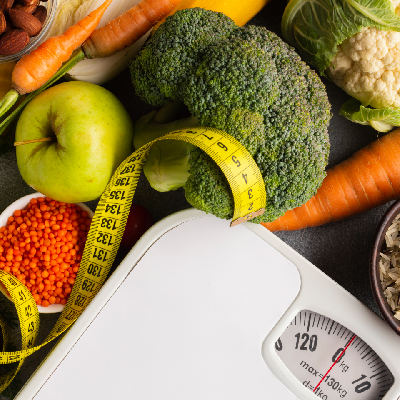
Think of your body like a high-performance car. It runs best when you fill it with the right fuel — not just any fuel, but the right mix. A balanced diet means eating a wide variety of nutrient-dense foods in the right amounts to give your body everything it needs: energy, repair, immunity, and focus.
According to leading nutrition researchers, a balanced diet in 2026 isn’t about perfection — it’s about consistency. It means choosing whole food diet principles most of the time — real, minimally processed foods — while leaving room for real life. No single food is “super.” No single food is “evil.” Balance is always the goal.
| Quick Definition A balanced diet provides adequate macronutrients (carbs, proteins, fats) and micronutrients (vitamins, minerals), sufficient dietary fiber, and proper hydration — tailored to your individual age, activity level, and health goals. |
The Core Components of a Balanced Plate
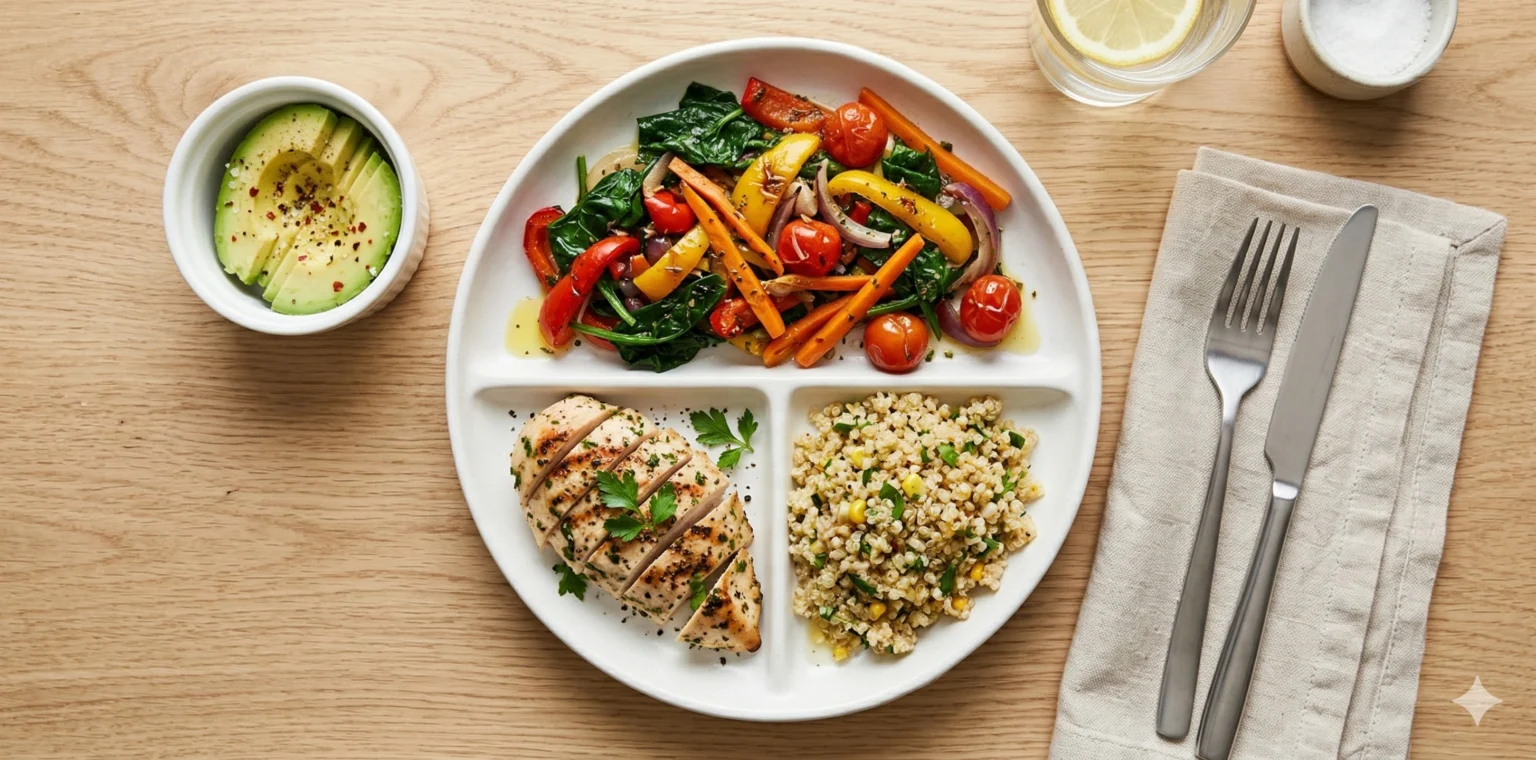
Let’s break down what actually belongs on your plate. These five components are the building blocks of functional nutrition — eating for energy, performance, and long-term health.
| 50% Vegetables & Fruit Colorful, fiber-rich, packed with vitamins. Spinach, broccoli, berries, bell peppers. | 25% Lean Protein Chicken, fish, eggs, tofu, legumes. Builds and repairs muscle tissue. |
| 25% Complex Carbs Brown rice, oats, quinoa, sweet potato. Sustained energy all day. | Small Portion Healthy Fats Avocado, olive oil, nuts, seeds. Brain fuel and heart health. |
Complex Carbohydrates: Your Body’s Preferred Energy Source
Carbohydrates often get a bad reputation, but your brain and muscles run almost entirely on glucose — which comes from carbs. The key is choosing complex carbohydrates like oats, brown rice, quinoa, and legumes over refined versions. These are sustained energy foods that digest slowly, keeping your blood sugar stable throughout the day.
Lean Proteins: The Building Blocks of Your Body
Protein is your body’s repair crew. It rebuilds muscle fibers, supports immunity, and keeps you full longer than almost any other macronutrient. Good sources include chicken breast, salmon, Greek yogurt, eggs, lentils, and tofu. If you’re active, check out this guide on pre-workout meals to time your protein for maximum results.
Healthy Fats: Brain Fuel, Not the Enemy
Fat does not make you fat. Healthy fats from avocados, olive oil, nuts, and fatty fish are critical for brain function, hormone production, and absorbing fat-soluble vitamins (A, D, E, K). Aim for unsaturated fats as your primary fat source.
Vitamins and Minerals: The Micronutrient Powerhouse
Think of vitamins and minerals as the spark plugs in that high-performance engine. You need them in tiny amounts, but without them, nothing works properly. A plant-forward eating approach — loading up on colorful vegetables, fruits, nuts, and seeds — is the easiest way to hit your daily micronutrient targets naturally.
Dietary Fiber: The Key to a Happy Gut
Fiber is having a major moment right now — and for good reason. The trending practice of “fibermaxxing” (optimizing your fiber intake daily) is backed by decades of science. Fiber feeds your gut microbiome, slows sugar absorption, and keeps you feeling full. Aim for 25–38g daily from whole grains, legumes, fruits, and vegetables.
The Benefits of Eating a Balanced Diet
The rewards of healthy lifestyle habits and clean eating basics go far beyond just the number on the scale.
| Benefit | What It Means for You | Key Nutrients |
| Steady Energy | No more 3pm energy crashes | Complex carbs, B vitamins, iron |
| Weight Balance | Naturally reduces overeating | Fiber, protein, healthy fats |
| Mental Clarity | Better focus and mood stability | Omega-3s, magnesium, B12 |
| Disease Prevention | Lower risk of diabetes, heart disease | Antioxidants, fiber, potassium |
| Muscle & Recovery | Faster repair after exercise | Protein, vitamin C, zinc |
| Better Sleep | Balanced hormones, calmer nervous system | Magnesium, tryptophan |
Steady Energy Levels: Avoiding the Mid-Afternoon Crash
Ultra-processed foods (UPFs) cause blood sugar to spike and crash like a roller coaster. Whole foods — especially those rich in fiber and protein — create a gentle, sustained energy curve. Pair your carbs with protein and fat, and you’ll likely never need that 3pm coffee again.
Weight Management: How Balance Prevents Overeating
Most overeating happens not because of a lack of willpower, but because your body is searching for nutrients it hasn’t gotten. When you eat nutrient-dense foods, your hunger signals work the way they’re supposed to. And don’t underestimate the role of lack of sleep — poor sleep triggers hunger hormones that make even the healthiest eater reach for junk food.
Enhanced Mental Clarity: Food Is Brain Fuel
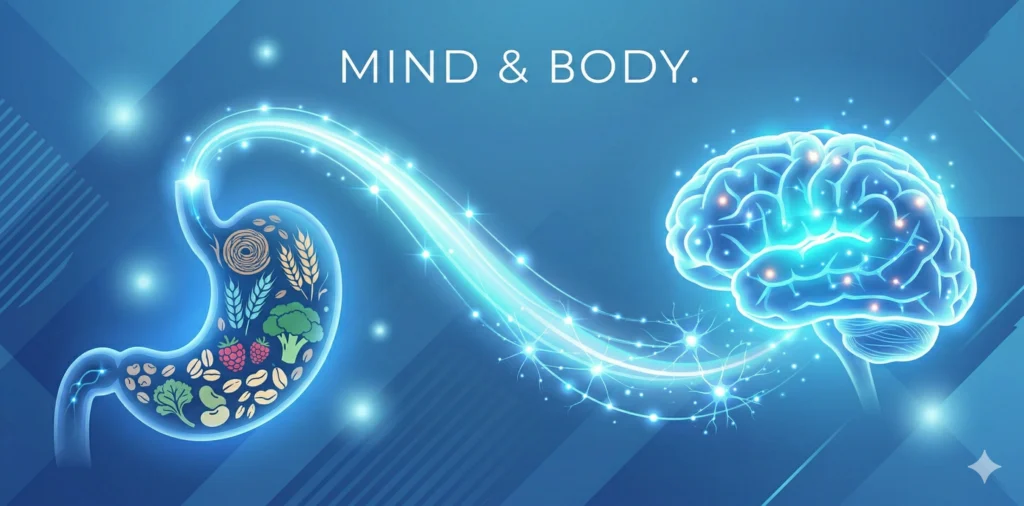
Your gut and brain communicate constantly through the gut-brain axis. A thriving gut microbiome — fed by probiotics and fiber-rich foods — produces neurotransmitters like serotonin that directly influence mood, focus, and anxiety levels. This is the heart of functional nutrition.
Long-term Disease Prevention
People who follow a metabolic health diet — rich in whole plants, lean proteins, and healthy fats — have significantly lower rates of type 2 diabetes, heart disease, and several cancers. Every balanced meal is an investment in your future self.
How to Build a Balanced Meal in 3 Steps
You don’t need to weigh your food or count macros to eat well. These three steps are the simplest framework for balanced meal planning that actually works.
| 1 | The Half-Plate Rule — Fill Up on Colorful Vegetables Half your plate should be non-starchy vegetables or fruit. Think of it like painting: the more colors you use, the more diverse your nutrient intake. Spinach, tomatoes, carrots, purple cabbage — aim for the rainbow. These foods are high in fiber, antioxidants, and water content, which means they fill you up for almost zero calories. |
| 2 | The Palm-Sized Protein — Right Portion, Right Source A portion of protein the size of your palm is roughly 3–4 oz — enough for most meals. Cycle through a variety of sources: lean meats, fish, eggs, tofu, beans, or Greek yogurt. Variety ensures you get a full spectrum of amino acids and keeps meals interesting. |
| 3 | The Fiber Addition — Choose Whole Grains or Legumes Fill the remaining quarter with a smart carbohydrate: brown rice, lentils, chickpeas, sweet potato, or whole grain bread. This adds lasting energy and feeds your gut microbiome. Even swapping white rice for brown is a meaningful upgrade in your holistic wellness routine. |
Practical Tips for Busy Lifestyles
Knowing what a balanced diet looks like is one thing. Pulling it off during a hectic week is another. Here’s how to make daily nutrition tips actually stick.
Simple Meal Prep Hacks: Saving Time During the Work Week
Meal prep doesn’t mean cooking 20 containers on Sunday and eating the same thing for five days. It means doing just enough so that healthy food is always accessible. Cook a big batch of grains, chop some vegetables, and prep a protein source. For a full system, check out this guide on meal prep hacks for beginners.
| Batch Cooking Starter Kit On Sundays, prepare: a pot of brown rice or quinoa, 2 lbs of grilled chicken or baked tofu, roasted vegetables (broccoli, sweet potato, zucchini), a big salad base, and hard-boiled eggs. Mix and match all week for fast, balanced meals. |
Smart Snacking: Healthy Options to Keep at Your Desk
- A small handful of mixed nuts (healthy fats + protein)
- Apple slices with natural almond butter
- Greek yogurt with a drizzle of honey
- Hummus and sliced bell peppers
- A hard-boiled egg with a pinch of sea salt
Hydration Secrets: Why Water Is Part of a Balanced Diet
Water isn’t just a drink — it’s a nutrient. Dehydration masquerades as hunger, leads to brain fog, and slows your metabolism. Aim for 8–10 glasses (about 2–2.5 liters) daily. Add electrolytes if you’re active or sweating heavily. A simple trick: drink a full glass of water before every meal.
Ordering Out: How to Find Balance on a Restaurant Menu
Eating out doesn’t have to derail your clean eating basics. Ask for dressings on the side, swap fries for a salad, choose grilled over fried, and look for dishes that feature a protein + vegetable combination. You’re not on a diet — you’re practicing mindful eating practices.
Common Nutrition Myths Debunked
The “Carbs Are Evil” Myth
| MYTH “Carbohydrates cause weight gain and should be avoided.” | FACT Refined, processed carbs in excess can contribute to weight gain — but complex carbs are essential for brain function, gut health, and sustained energy. Cut ultra-processed foods, not whole grains. |
The “Fats Make You Fat” Myth
| MYTH “All fat is fattening and should be minimized.” | FACT Dietary fat and body fat are not the same thing. Healthy fats from olive oil, avocados, and nuts actually support satiety, hormone balance, and brain health. It’s excess calories from any source that contributes to fat storage. |
The “Superfood” Trap
| MYTH “Eating kale, acai, or matcha every day will fix my health.” | FACT No single food is a magic bullet. “Superfood” is a marketing term, not a scientific one. The real superpower? Eating a wide variety of whole, minimally processed foods. Diversity beats any single ingredient every time. |
| Watch Out For Ultra-processed foods (UPFs) are designed to override your body’s natural fullness signals. They are engineered to be hyper-palatable — meaning they’re hard to stop eating. Limiting UPFs is one of the single highest-impact nutrition changes you can make. |
FAQs
How do I know if I’m getting enough protein?
A simple benchmark: aim for 0.7–1g of protein per pound of body weight if you’re active, or around 0.5g per pound for sedentary individuals. Signs of low protein intake include constant hunger, slow recovery from exercise, and loss of muscle tone. Include a protein source at every meal to stay on track.
Can I follow a balanced diet as a vegetarian or vegan?
Absolutely. A plant-forward eating pattern is one of the most well-researched approaches to long-term health. Focus on varied protein sources — lentils, chickpeas, tofu, tempeh, quinoa, edamame — and pay special attention to vitamin B12, iron, omega-3s, and calcium, which may require supplementation on a fully vegan diet.
How many meals should I eat per day for maximum energy?
There’s no universal answer. Research shows meal frequency matters less than overall food quality and total caloric intake. Most people do well with 3 balanced meals and 1–2 snacks. Listen to your hunger cues rather than eating by the clock — this is core mindful eating practice.
How does alcohol fit into a balanced lifestyle?
Moderate alcohol consumption — up to one drink per day for women, two for men — is generally considered compatible with a balanced lifestyle. However, alcohol is calorie-dense, disrupts sleep quality, and affects hydration. If your health goals are serious, reducing alcohol is one of the quickest wins available.
What is the easiest way to start if I’m a total beginner?
Start with one change at a time. This week: add one more vegetable to each meal. Next week: swap a refined carb for a whole grain version. The week after: reduce sugary drinks. Small, stacked habits are far more sustainable than overhauling everything overnight. Progress, not perfection, is the whole game.ar dapibus leo.
A simple benchmark: aim for 0.7–1g of protein per pound of body weight if you’re active, or around 0.5g per pound for sedentary individuals. Signs of low protein intake include constant hunger, slow recovery from exercise, and loss of muscle tone. Include a protein source at every meal to stay on track.
Absolutely. A plant-forward eating pattern is one of the most well-researched approaches to long-term health. Focus on varied protein sources — lentils, chickpeas, tofu, tempeh, quinoa, edamame — and pay special attention to vitamin B12, iron, omega-3s, and calcium, which may require supplementation on a fully vegan diet.
There’s no universal answer. Research shows meal frequency matters less than overall food quality and total caloric intake. Most people do well with 3 balanced meals and 1–2 snacks. Listen to your hunger cues rather than eating by the clock — this is core mindful eating practice.
Moderate alcohol consumption — up to one drink per day for women, two for men — is generally considered compatible with a balanced lifestyle. However, alcohol is calorie-dense, disrupts sleep quality, and affects hydration. If your health goals are serious, reducing alcohol is one of the quickest wins available.
Start with one change at a time. This week: add one more vegetable to each meal. Next week: swap a refined carb for a whole grain version. The week after: reduce sugary drinks. Small, stacked habits are far more sustainable than overhauling everything overnight. Progress, not perfection, is the whole game.ar dapibus leo.