

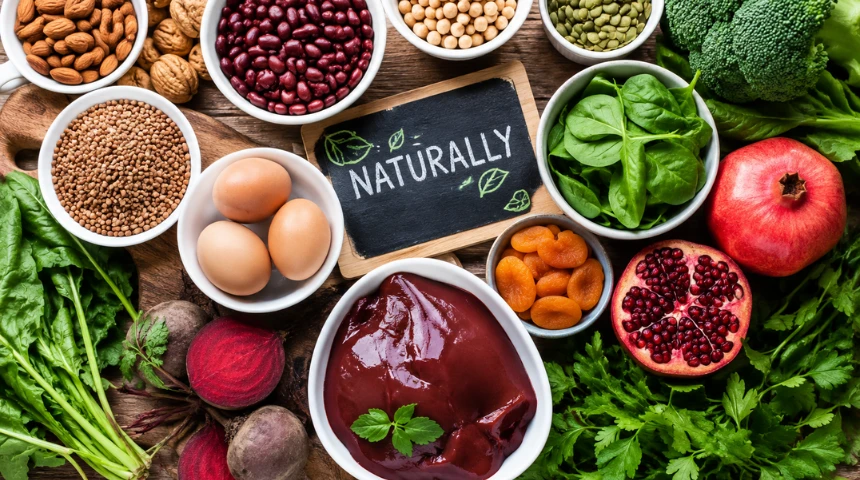
Increase Hemoglobin Naturally by including a variety of foods to increase hemoglobin that provide iron, folate, vitamin B12, vitamin C, protein, and other important nutrients. Haemoglobin is a protein in red blood cells that helps carry oxygen throughout the body. When haemoglobin levels are low, some people may experience tiredness, weakness, or low energy. Adding iron-rich foods to a balanced eating pattern can help support the nutrients your body needs for healthy red blood cell production.
Iron deficiency is a common cause of low haemoglobin, but low levels can also be linked with vitamin deficiencies, blood loss, certain health conditions, or other factors. Food can support nutritional needs, but persistent low haemoglobin should be discussed with a qualified healthcare professional.
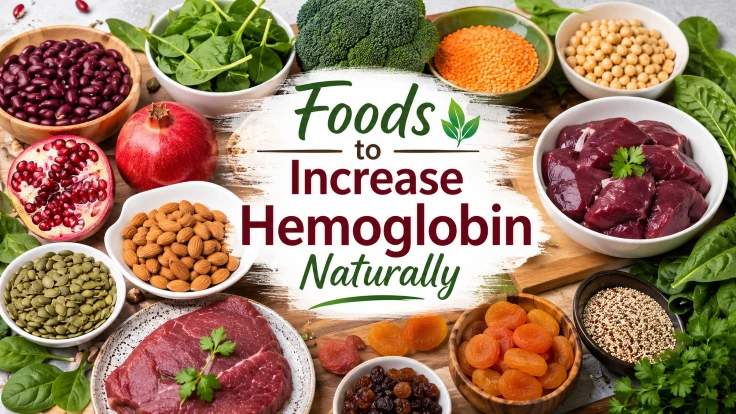
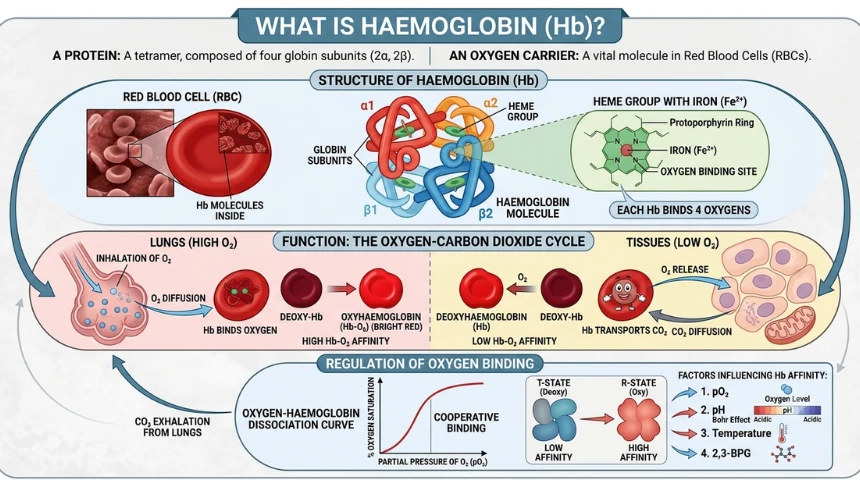
What Is Haemoglobin?
Haemoglobin is a protein in red blood cells that helps carry oxygen throughout the body. When haemoglobin levels are low, some people may experience tiredness, weakness, dizziness, or shortness of breath.
Low haemoglobin can have different causes, including iron deficiency, vitamin deficiencies, certain health conditions, or blood loss. A healthy diet can support your nutritional needs, but it is important to identify the reason for low haemoglobin with appropriate medical advice.
Why Does Your Body Need Iron?
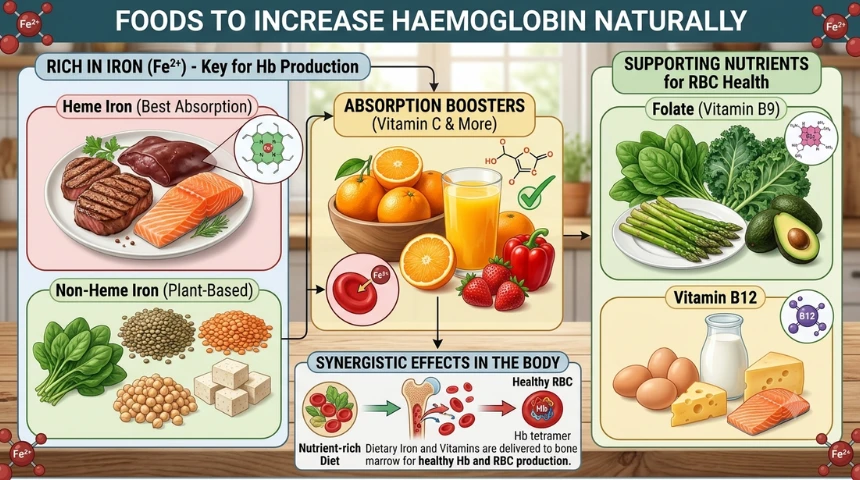
Iron is an important mineral needed to make haemoglobin. Your body gets iron mainly through food, so choosing a variety of iron-containing foods can help meet your daily nutritional needs.
There are two main types of dietary iron. Heme iron is found mainly in animal foods, while non-heme iron is found in plant foods. Including different sources in your meals can help you maintain a balanced diet.
1. Spinach Provides Iron, Folate, and Key Plant Nutrients
Spinach is a popular leafy green that fits easily into a healthy diet. It provides non-heme iron, folate, vitamin C, and several other nutrients. Add cooked spinach to dal, soups, curries, omelettes, or whole-grain dishes. Pairing spinach with tomatoes, lemon, guava, or another vitamin C source may help the body absorb more of its plant-based iron.
2. Lentils Offer Iron, Protein, and Folate in Every Meal
Lentils are practical nutritious foods for people who want plant-based sources of iron and protein. They also provide folate and fibre, making them useful in everyday meals. Dal, lentil soup, or a simple lentil salad can be combined with vegetables and a vitamin C-rich food.
3. Beans Support Iron Intake With Protein and Fibre
Kidney beans, black beans, chickpeas, and other beans can contribute iron, protein, folate, and fibre. They can be used in curries, salads, soups, wraps, or grain bowls. Adding lemon or fresh vegetables can also provide vitamin C and create a more balanced meal.
4. Beetroot Adds Folate and Variety to Balanced Meals
Beetroot is often associated with blood health, but it is best viewed as one part of a balanced diet rather than a stand-alone solution for low haemoglobin. Enjoy beetroot roasted, cooked, grated into salads, or mixed with other vegetables. Pairing it with iron-rich foods creates a more nutrient-rich meal.
5. Sesame Seeds Provide Iron for Simple Everyday Meals
Sesame seeds are useful additions to an iron-supportive eating pattern. They contain iron, protein, healthy fats, and other minerals. Sprinkle them over salads, vegetables, yoghurt-based dishes, or whole-grain meals. Sesame-based preparations such as tahini can also be used in spreads and dressings. Including small amounts regularly is an easy way to add nutrient density to meals.
6. Pumpkin Seeds Make a Convenient Iron-Rich Snack
Pumpkin seeds are a convenient source of plant-based iron, protein, magnesium, and healthy fats. They can be eaten as a snack or added to oatmeal, salads, smoothies, or homemade snack mixes. Choose plain or lightly roasted seeds when possible, particularly if you are limiting excess salt.
7. Quinoa Combines Iron With Protein for Better Meals
Quinoa is a nutrient-rich grain-like food that provides iron, protein, folate, and fibre. It can replace or complement rice and works well with vegetables, beans, or lentils. A quinoa bowl with colourful vegetables and a vitamin C-rich ingredient can provide a balanced combination of nutrients.
8. Soybeans Provide Plant Protein and Iron Together
Soybeans and foods made from them can provide iron, protein, folate, and other nutrients. Tofu, tempeh, and cooked soybeans can be included in stir-fries, curries, salads, or sandwiches. Combining soy foods with vegetables rich in vitamin C can support iron absorption.
9. Eggs Supply Vitamin B12 and Other Essential Nutrients
Eggs provide vitamin B12, protein, folate, and several other nutrients that support normal body functions. Their iron content is not as high as some iron-rich foods, but they can still be part of a balanced meal plan. Try boiled eggs with vegetables, an omelette with spinach, or eggs alongside whole grains.
10. Lean Meat Provides Easily Absorbed Heme Iron Sources
Lean meats such as chicken, turkey, and lean cuts of red meat can provide heme iron, which is generally absorbed more efficiently than non-heme iron from plant foods. They also provide high-quality protein and, depending on the food, vitamin B12 and zinc. If you eat meat, choose sensible portions and include vegetables, legumes, or whole grains for a balanced plate.
11. Liver Contains Iron and B12 but Needs Careful Portioning
Liver is highly concentrated in several nutrients, including iron and vitamin B12, so it can contribute to an iron-supportive diet. However, liver also contains very high amounts of vitamin A, meaning it should not be eaten in large amounts or too frequently. People who are pregnant should seek professional advice before eating liver because excess vitamin A can be harmful during pregnancy.
12. Fish Can Add Iron, B12, and Quality Protein to Meals
Some fish and seafood provide iron, vitamin B12, protein, and other nutrients that support a balanced eating pattern. Options such as sardines and certain shellfish can be particularly nutrient-dense. Fish can be grilled, baked, steamed, or added to curries. Combining it with vegetables and whole grains can create a well-rounded meal.
13. Oysters and Shellfish Offer Nutrient-Dense Iron Sources
Shellfish, particularly oysters, can provide iron, vitamin B12, zinc, and protein. These foods may be useful for people who eat seafood and want to increase the variety of nutrients in their meals. Prepare seafood safely and choose cooking methods that do not add excessive saturated fat.
14. Dark Chocolate Can Provide Some Iron in Moderation
Dark chocolate with a high cocoa content can provide some iron, magnesium, and other minerals. It should be considered an occasional addition rather than a primary food for increasing haemoglobin because it can also contain significant calories, sugar, and fat. A small portion alongside fruit or nuts can be a sensible way to enjoy it while keeping the diet balanced.
15. Dried Apricots Offer Iron and Easy Meal-Time Convenience
Dried apricots can provide some iron and are convenient when fresh fruit is not available. Add them to porridge, yoghurt, salads, or homemade snack mixes. Because dried fruit is more concentrated in natural sugars and calories than fresh fruit, portion size matters. Pairing dried apricots with nuts or seeds can create a filling snack with additional protein and healthy fats.
16. Raisins Add Iron and Natural Sweetness to Meals
Raisins provide small amounts of iron and can add natural sweetness to everyday foods. Mix them into oatmeal, whole-grain cereal, yoghurt, salads, or rice dishes. Including other iron sources and vitamin C-rich foods throughout the day is more useful for nutritional balance.
17. Guava Helps Improve Iron Absorption With Vitamin C
Guava is a vitamin C-rich fruit and can be especially useful when eaten alongside plant-based iron sources. Vitamin C can improve the absorption of non-heme iron from foods such as lentils, beans, spinach, and seeds. Enjoy guava as a snack or add it to a meal containing iron-rich foods.
18. Citrus Fruits Support Iron Absorption With Vitamin C
Oranges, lemons, sweet lime, and other citrus fruits provide vitamin C, which can help the body absorb non-heme iron. Adding lemon juice to dal, bean dishes, or leafy greens is a simple approach that requires little preparation. You can also enjoy an orange or sweet lime with an iron-rich meal.
19. Fortified Cereals Can Help Fill Important Nutrient Gaps
Some breakfast cereals and grain products are fortified with iron, folate, and other vitamins and minerals. Check the nutrition label to understand how much iron a serving provides and choose options that fit your dietary needs. Fortified foods can be convenient for busy mornings. Combining cereal with fruit, seeds, or another nutritious food can make breakfast more balanced.
20. Tofu Makes a Versatile Iron-Rich Meal Option
Tofu can provide iron and protein and is easy to include in many types of meals. It can be grilled, baked, stir-fried, or added to curries and soups. Pairing tofu with broccoli, capsicum, tomatoes, or citrus-based dressings can provide vitamin C alongside plant-based iron.
Healthy Diet Tips to Support Better Hemoglobin Levels
Choosing nutritious foods is only one part of supporting healthy haemoglobin. Build meals around a combination of iron sources, protein, vegetables, fruits, and whole grains. Include vitamin C-rich foods with plant-based iron whenever possible. For example, lentils with tomatoes, spinach with lemon, or beans with capsicum can create useful nutrient combinations. Regular, balanced meals are generally more helpful than relying on one so-called superfood.
Tea and coffee can reduce the absorption of non-heme iron when consumed around meals, so consider having them between meals rather than immediately with iron-rich foods. Calcium can also affect iron absorption in some circumstances, so if you take iron supplements, follow the timing instructions given by your healthcare professional.
How to Build a Daily Meal Plan for Hemoglobin Support
A simple meal plan can make healthy choices easier. Breakfast could include fortified whole-grain cereal with fruit and seeds, while lunch could combine dal or beans with leafy vegetables and a vitamin C-rich side. Dinner might include tofu, fish, eggs, or lean meat with vegetables and whole grains. Snacks can include guava, citrus fruit, pumpkin seeds, or a small serving of dried fruit.
For people using iron supplements, food and supplements should not be treated as interchangeable. Supplements may be recommended when laboratory results show deficiency or when a healthcare professional identifies a specific need. Taking unnecessary high-dose iron can cause side effects and may be unsafe for some people. A blood test and professional assessment can help identify whether low haemoglobin is caused by iron deficiency or another issue.
When to Seek Professional Advice for Low Hemoglobin Levels
If haemoglobin remains low despite eating a varied diet, professional evaluation is important. A healthcare professional may recommend blood tests to check haemoglobin, iron status, vitamin B12, folate, and other relevant factors. Causes such as heavy menstrual bleeding, gastrointestinal blood loss, chronic conditions, or nutritional deficiencies may require specific treatment.
A practical approach is to focus on consistency instead of searching for one perfect food. Include a variety of iron-rich foods, pair plant-based iron with vitamin C, maintain adequate protein, and follow healthy diet tips that fit your daily routine. GoHealthyPro can also be a useful place to explore simple nutrition and wellness information, but individual concerns about low haemoglobin should always be discussed with a qualified healthcare professional. For more everyday nutrition ideas, GoHealthyPro provides practical information designed to make healthy choices easier.
Conclusion: Choose Nutritious Foods for Better Hemoglobin
Eating a variety of iron-rich and nutritious foods can help support healthy haemoglobin levels as part of a balanced diet. Include foods such as lentils, beans, spinach, seeds, eggs, fish, lean meat, tofu, and fortified cereals according to your dietary preferences. Pair plant-based iron sources with vitamin C-rich fruits and vegetables to support iron absorption. Following these healthy diet tips consistently can make everyday meals more nutritious. If you have ongoing symptoms or low haemoglobin, speak with a healthcare professional to identify the underlying cause and receive appropriate guidance.
Frequently Asked Questions About Hemoglobin-Rich Foods
Which foods are best to increase hemoglobin naturally?
Foods such as spinach, lentils, beans, pumpkin seeds, sesame seeds, tofu, eggs, fish, lean meat, and fortified cereals can provide nutrients that support healthy haemoglobin. The best choices depend on your dietary preferences and nutritional needs. Eating a varied diet that combines iron sources with vitamin C-rich foods can support better iron absorption.
Can fruits help increase hemoglobin levels?
Some fruits can support an iron-rich diet because they provide vitamin C, which helps the body absorb non-heme iron from plant foods. Guava, oranges, sweet lime, lemons, and other vitamin C-rich fruits can be included with meals containing lentils, beans, spinach, or seeds. Fruits should complement, rather than replace, iron-rich foods.
Is spinach good for supporting hemoglobin?
Yes, spinach provides plant-based iron along with folate, vitamin C, and other nutrients. It can be included in curries, soups, dal, salads, omelettes, and other meals. For better use of its non-heme iron, combine spinach with foods containing vitamin C, such as tomatoes, lemon, or capsicum.
What should I eat with iron-rich foods?
Pairing plant-based iron sources with vitamin C-rich foods can help improve non-heme iron absorption. For example, you can combine lentils with tomatoes, beans with capsicum, or spinach with lemon. Maintaining a balanced meal with vegetables, protein, whole grains, and fruit is also a useful approach.
Can diet alone correct low haemoglobin?
Diet can help provide iron, folate, vitamin B12, protein, and other nutrients needed for healthy red blood cell production. However, low haemoglobin can have different causes, and food alone may not correct an underlying deficiency or medical condition. If your haemoglobin remains low, a healthcare professional can recommend appropriate tests and treatment.